



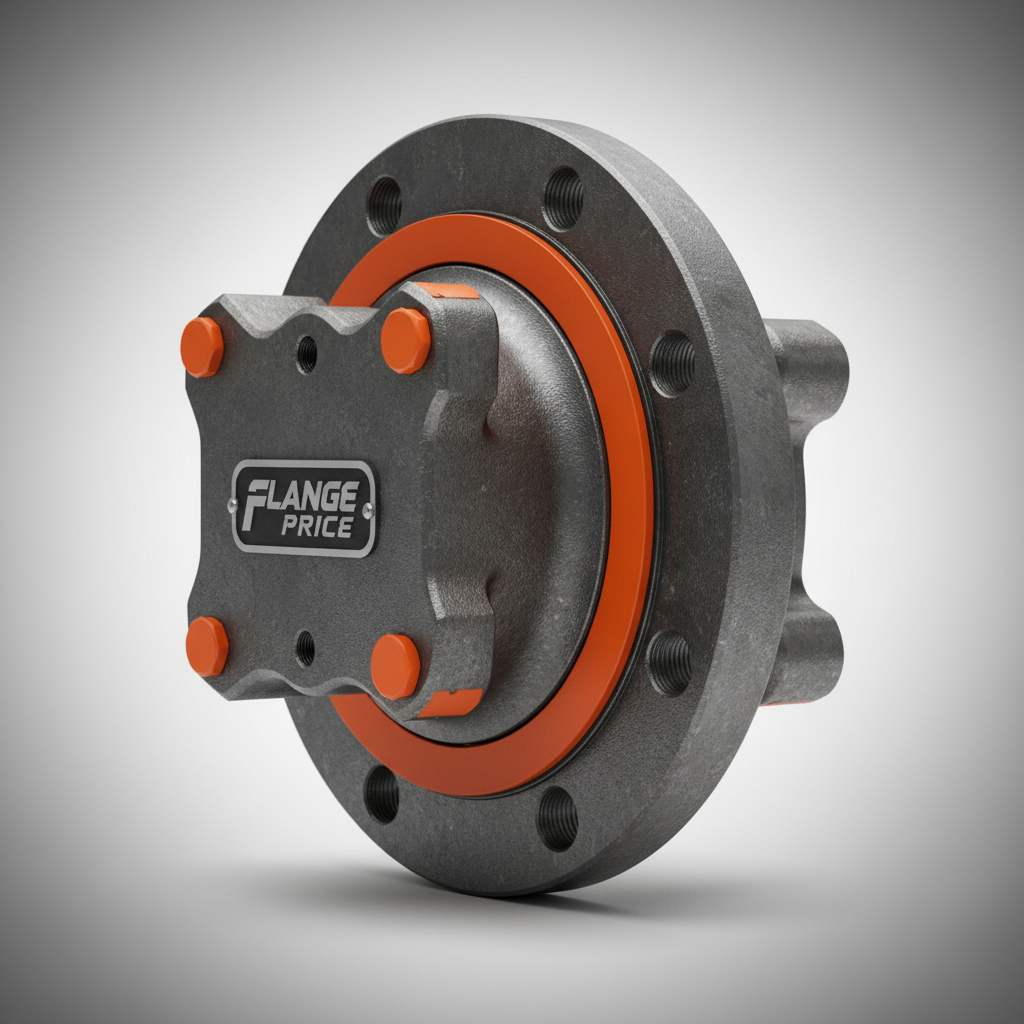
A custom blind flange is a specialized piping component designed to seal the end of a pipeline or a vessel opening, preventing the flow of media while allowing for future expansions or maintenance access. Unlike standard flanges, custom versions are engineered to meet precise dimensional requirements and specific material grades to handle extreme pressures and corrosive environments.
In the metal pressure vessel manufacturing industry, the failure to achieve a perfect seal can lead to catastrophic leaks, environmental hazards, and significant operational downtime. Engineers often struggle with off-the-shelf components that do not align with proprietary system specifications, leading to compromised joint integrity and increased risk of mechanical fatigue.
This technical analysis explores the critical selection criteria for custom blind flanges, comparing material performance across various industrial standards and providing a procurement framework to help engineers optimize system safety and longevity.

1Engineering Fundamentals of Blind Flanges

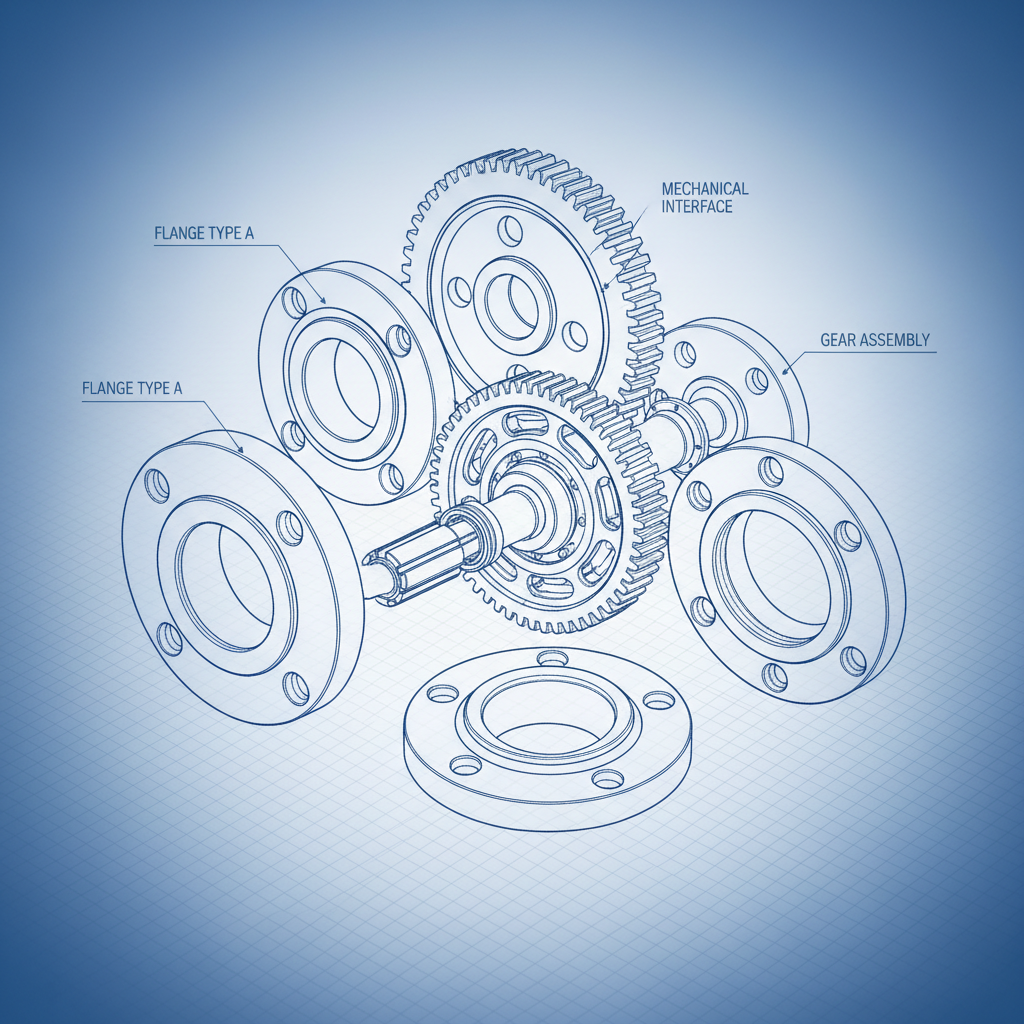
The primary function of a custom blind flange is to provide a secure, leak-proof termination for a piping system. From an engineering perspective, it must withstand the full internal pressure of the system without deformation. This requires precise calculations of wall thickness and bolt circle diameters to ensure that the axial load is distributed evenly across the gasket surface.
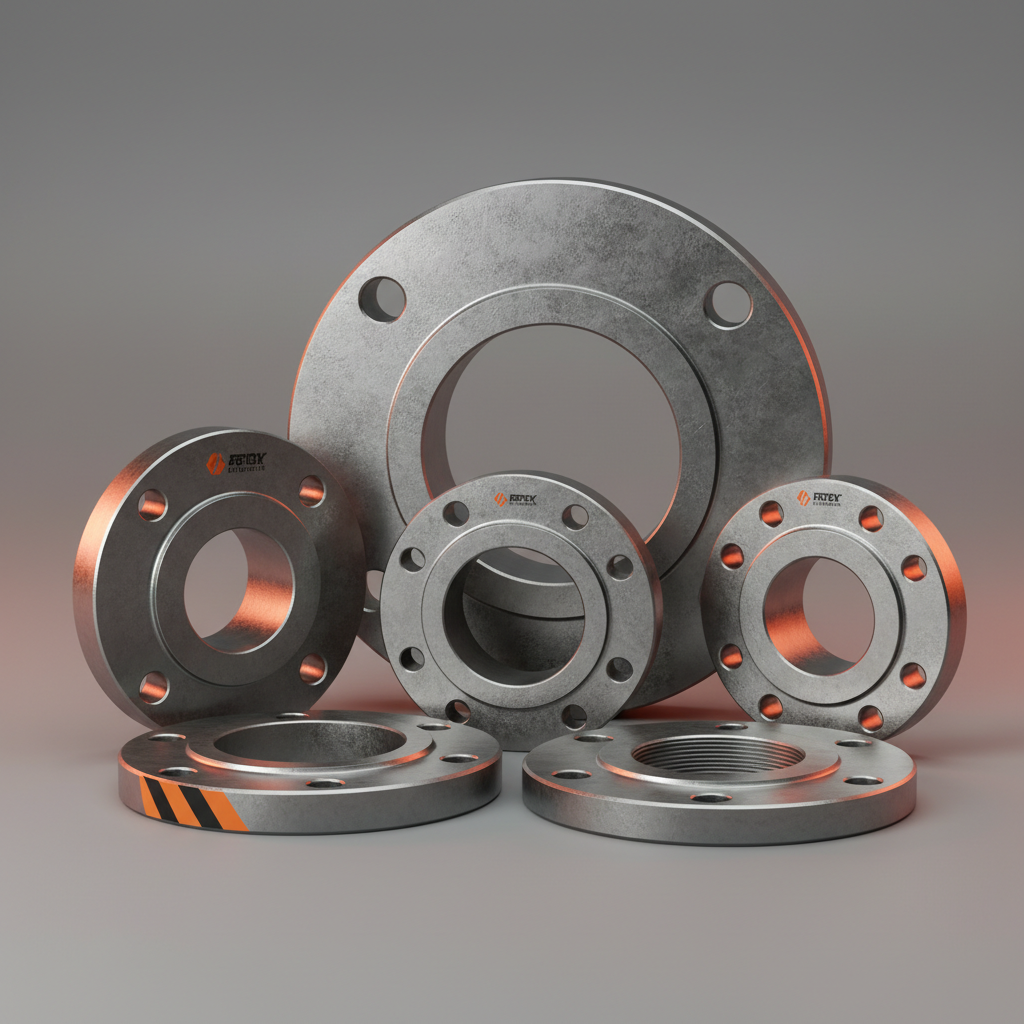
Customization typically involves adjusting the thickness, adding specialized coating, or altering the hole pattern to align with non-standard equipment. This is particularly vital in legacy plant upgrades where original equipment manufacturer (OEM) parts are no longer available.
Furthermore, the interaction between the blind flange and the mating flange creates a mechanical seal. The precision of the custom machining process determines the uniformity of the contact pressure, which is the single most important factor in preventing hazardous leaks in chemical and petroleum applications.
2Material Selection and Grade Compatibility
Material selection is driven by the chemical composition of the medium and the operating temperature. Carbon steel is suitable for general-purpose utility lines, but for high-corrosion environments, stainless steel or nickel-based alloys are mandatory. Custom blind flanges allow for the use of duplex steel or low-temperature carbon steel for cryogenic services.
The compatibility between the flange material and the surrounding pipeline is essential to prevent galvanic corrosion. When using custom blind flanges, engineers must ensure that the electrochemical potential of the flange is similar to that of the pipe to avoid accelerated degradation at the interface.
Advanced manufacturing techniques, such as precision forging, are often employed for custom orders to eliminate internal voids and improve the grain structure of the metal, which significantly increases the fatigue life of the component under pulsating pressure loads.
3Critical Application Scenarios in Pressure Systems
In petroleum and chemical engineering, blind flanges are frequently used as "spec breaks" or for isolating sections of a plant during hazardous material flushing. The ability to customize these components ensures that they can be integrated into complex manifolds where space is limited and alignment is critical.
In the pharmaceutical industry, custom blind flanges must often meet strict sanitary standards, requiring electro-polished surfaces to prevent bacterial accumulation. The precision of the custom fit ensures that the "dead leg" in the piping is minimized, adhering to strict hygienic design protocols.
Power plant accessories also rely on custom-sized blind plates to manage varying pressures across different turbine stages. These components are often subject to extreme thermal expansion, making the choice of a custom alloy and a specific bolt-tensioning strategy a requirement for operational safety.
4Performance Benchmarks and Technical Metrics
Measuring the efficacy of a custom blind flange involves analyzing the leak rate and the deformation under maximum allowable working pressure (MAWP). Standard flanges often exhibit slight variances that can lead to uneven gasket compression, whereas custom-machined components are tailored to the specific mating surface.
Key metrics include the yield strength of the material, the surface roughness (Ra) of the sealing face, and the bolt load capacity. By optimizing these variables, a custom solution can significantly reduce the frequency of gasket replacements and lower the risk of unplanned shutdowns.
custom blind flange Performance Metrics
The data suggests that the primary advantage of customization lies in the precision of the seal. When the flange is engineered to the exact requirements of the pressure vessel, the stress distribution is homogenized, which reduces the likelihood of localized failure points compared to generic industry averages.
5Procurement and Quality Verification Guide
Procuring custom blind flanges requires a detailed technical data sheet. This should include the nominal pipe size (NPS), pressure class (e.g., 150#, 300#, 600#), the specific standard (ANSI, DIN, JIS, or GB), and the exact material grade. Omitting any of these details can lead to components that do not fit or fail prematurely.
Quality verification should include non-destructive testing (NDT) such as ultrasonic testing or dye penetrant inspection to ensure no surface cracks were introduced during the machining process. For high-pressure vessels, hydrostatic testing of the assembly is the only way to guarantee a zero-leak performance.
Evaluating suppliers based on their certification, such as ISO9001 or special equipment certifications for pressure pipelines, is essential. A supplier's ability to handle "difficult" pipe fittings often indicates a higher level of technical capability and better quality control processes.
6Industry Trends in High-Pressure Sealing
The industry is moving toward "smart" sealing solutions and the use of additive manufacturing for highly complex custom geometries. While traditional forging remains the gold standard for strength, 3D metal printing is being explored for prototype blind flanges in extreme environments where weight reduction is critical.
Another significant trend is the shift toward more sustainable materials and coatings that reduce the need for frequent chemical cleaning. Advanced ceramic coatings are being applied to custom blind flanges to provide an extra layer of protection against highly acidic media.
Furthermore, there is an increasing demand for global standardization (combining ANSI and DIN standards) to simplify supply chains. However, the need for custom blind flanges persists because site-specific operational conditions always override generic standard capabilities.
7Custom vs. Standard Flange Decision Matrix
The decision to invest in a custom blind flange rather than a standard one typically depends on the cost of failure versus the cost of procurement. In low-pressure water lines, standard flanges are sufficient. However, in high-pressure steam or hazardous chemical lines, the risk of a leak far outweighs the premium paid for customization.
Technical constraints, such as non-standard bolt spacing or unique vessel curvatures, also make customization a necessity. The following matrix provides a framework for deciding which path to take based on the specific project requirements.
| Requirement | Standard Flange | Custom Blind Flange | Recommended Use |
|---|---|---|---|
| Lead Time | Immediate/Short | Medium to Long | Urgent Non-Critical |
| Precision Fit | General Tolerance | Tight Tolerance | High-Pressure Seal |
| Material Options | Limited/Common | Wide Range/Specialty | Corrosive Media |
| Initial Cost | Low | Higher | Budget-Driven Projects |
| Risk of Leakage | Moderate | Very Low | Hazardous Chemicals |
| Compatibility | Standardized | Tailored to System | Legacy Equipment |
Ultimately, the selection process should prioritize safety and operational continuity. When the system operates under extreme conditions or involves proprietary designs, the custom blind flange is the only viable engineering choice to ensure long-term reliability.
Frequently Asked Questions
Conclusion
Selecting a custom blind flange is a critical decision for any engineer managing high-pressure or corrosive systems. By moving beyond generic standards and tailoring components to the specific demands of the application, operators can significantly reduce the risk of leaks, extend the lifespan of their equipment, and ensure a higher level of operational safety.
For procurement teams and engineers evaluating suitable sealing solutions for their pressure vessels, detailed product information and technical capabilities can be reviewed at www.hbjypipeline.com to ensure the highest standards of industrial compliance.


 English
 Albanian
 Arabic
 Armenian
 Azerbaijani
 Belarusian
 Bengali
 Bulgarian
 Croatian
 Czech
 Danish
 Dutch
 Esperanto
 Finnish
 French
 German
 Greek
 Hebrew
 Hungarian
 Indonesian
 Irish
 Italian
 Japanese
 Khmer
 Korean
 Kyrgyz
 Lao
 Latin
 Lithuanian
 Malay
 Myanmar
 Norwegian
 Persian
 Polish
 Portuguese
 Romanian
 Russian
 Serbian
 Slovak
 Slovenian
 Spanish
 Swedish
 Tagalog
 Thai
 Turkish
 Turkmen
 Uzbek
 Vietnamese
 Zulu