0%

Table of Contents

Metal flanges are essential components in piping systems across a multitude of industries, playing a critical role in connecting sections of pipe, valves, pumps, and other equipment. Their reliability and integrity are paramount for safe and efficient operation, impacting sectors from oil and gas to water treatment and beyond. Understanding the nuances of metal flange design, materials, and applications is crucial for engineers, technicians, and anyone involved in maintaining critical infrastructure.

Globally, the demand for metal flanges is directly linked to industrial growth and infrastructure development. According to the World Bank, investments in infrastructure are projected to reach trillions of dollars in the coming decades, driving the need for robust and dependable piping solutions. ISO standards heavily influence flange manufacturing and testing, ensuring consistent quality and compatibility worldwide. However, challenges remain in optimizing flange performance in harsh environments and minimizing maintenance costs.

The increasing focus on sustainable industrial practices further elevates the importance of choosing the correct metal flange. Corrosion resistance, material longevity, and efficient joining methods are becoming increasingly important factors in project selection. The development of new materials and innovative flange designs directly addresses these growing concerns and fosters greater operational efficiency.
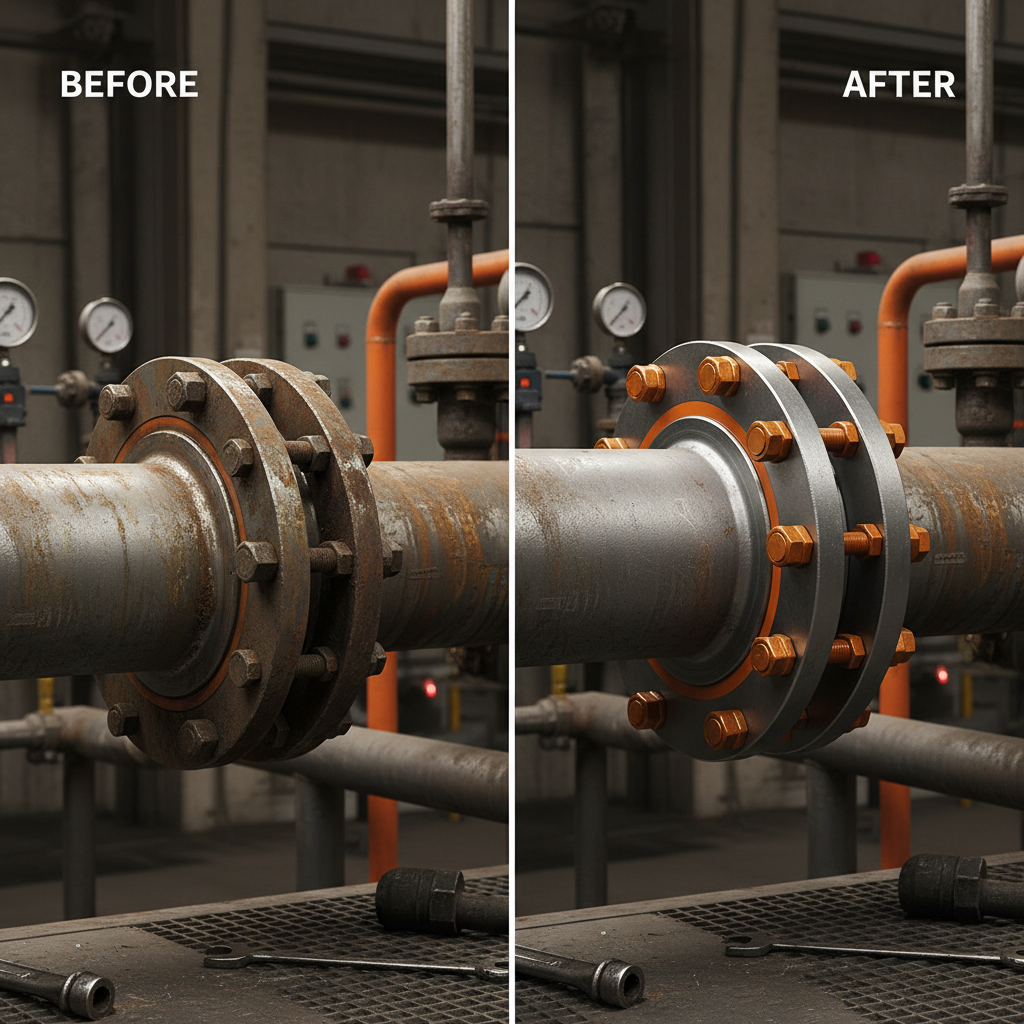
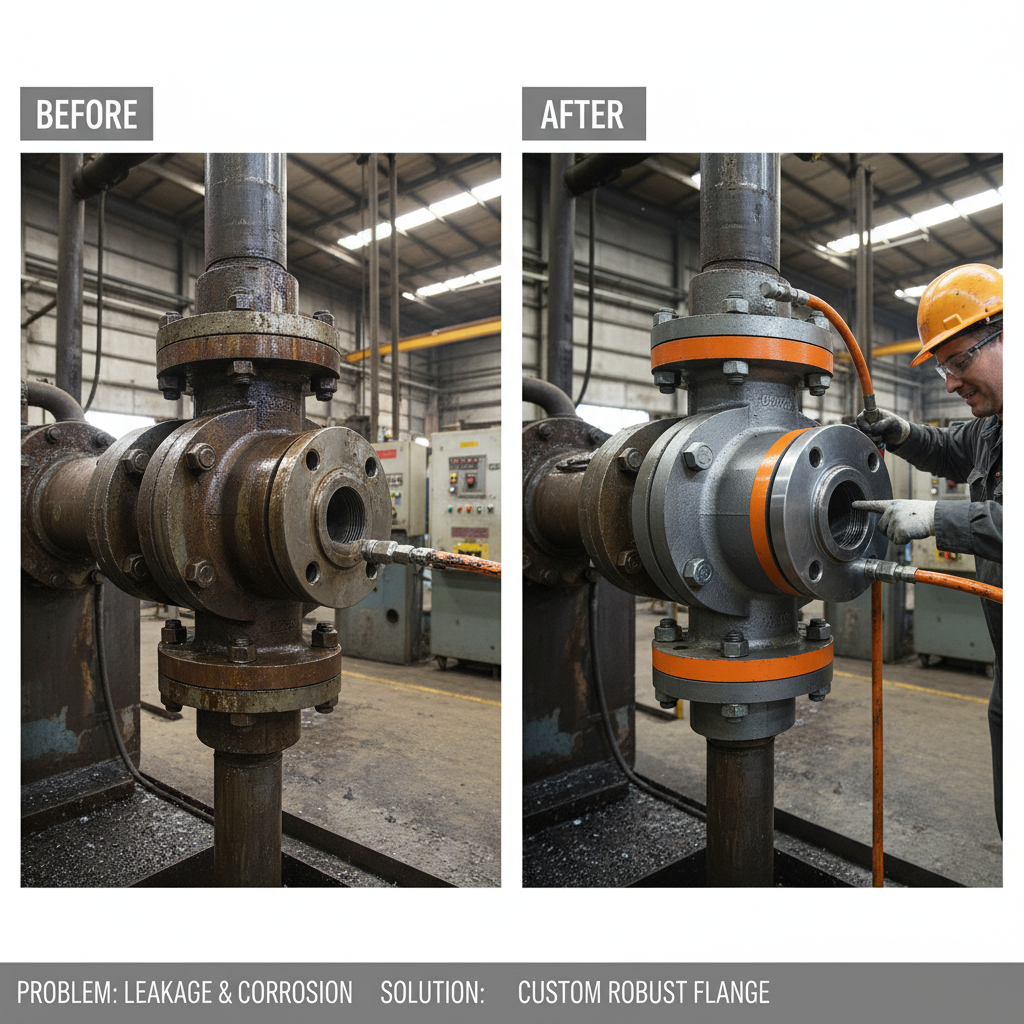
Essential Metal Flange Solutions for Industrial Piping Systems

The Importance of Metal Flanges

Essential Metal Flange Solutions for Industrial Piping Systems

Metal flanges are far more than simple connectors; they represent critical points of integrity within complex systems. A failure in a flange connection can lead to costly downtime, environmental damage, and even safety hazards. Consequently, the selection, installation, and maintenance of these components are subject to rigorous engineering standards and quality control procedures.

Their widespread application underscores their fundamental importance. From high-pressure pipelines transporting oil and gas to low-pressure systems distributing potable water, metal flanges are integral to a vast array of industrial and municipal processes. Choosing the correct type of metal flange ensures optimal performance and longevity of the entire system.

Defining Metal Flanges

A metal flange is a projecting rim, edge, rib, or collar, used to connect pipes, valves, pumps and other equipment. They typically come in pairs, one welded or screwed to each object to be joined, and are then bolted together with a gasket between them to provide a sealed connection. This method of joining allows for easy disassembly for maintenance or repair.

The significance of metal flanges stems from their ability to provide a secure, leak-proof, and easily maintainable connection in industrial settings. Unlike welding, which creates a permanent bond, flanged connections are removable, making them ideal for systems requiring frequent inspection, cleaning, or component replacement.

The versatility of metal flanges extends to handling various pressures, temperatures, and fluid types. Different flange types are engineered for specific applications, considering factors like material compatibility, pressure ratings, and connection methods. They are foundational to modern industrial infrastructure.

Key Factors in Metal Flange Selection

Selecting the right metal flange is a multifaceted process. Several key factors must be considered to ensure optimal performance and long-term reliability. These include the operating pressure and temperature of the system, the type of fluid being transported, the material compatibility required to prevent corrosion, and the applicable industry standards and regulations.

Furthermore, the flange's facing type (raised face, flat face, ring type joint) and the bolt circle diameter must be carefully matched to the connecting equipment. Proper gasket selection is equally vital to achieve a leak-proof seal. Ignoring any of these factors can lead to premature failure, costly repairs, and potentially hazardous situations.

Finally, cost is always a consideration, but it should not be the sole determining factor. Investing in high-quality metal flanges made from appropriate materials is a wise long-term strategy, reducing the risk of downtime and replacement costs. Consulting with experienced engineers and suppliers is recommended for complex applications.

Durability and Material Properties of Metal Flanges

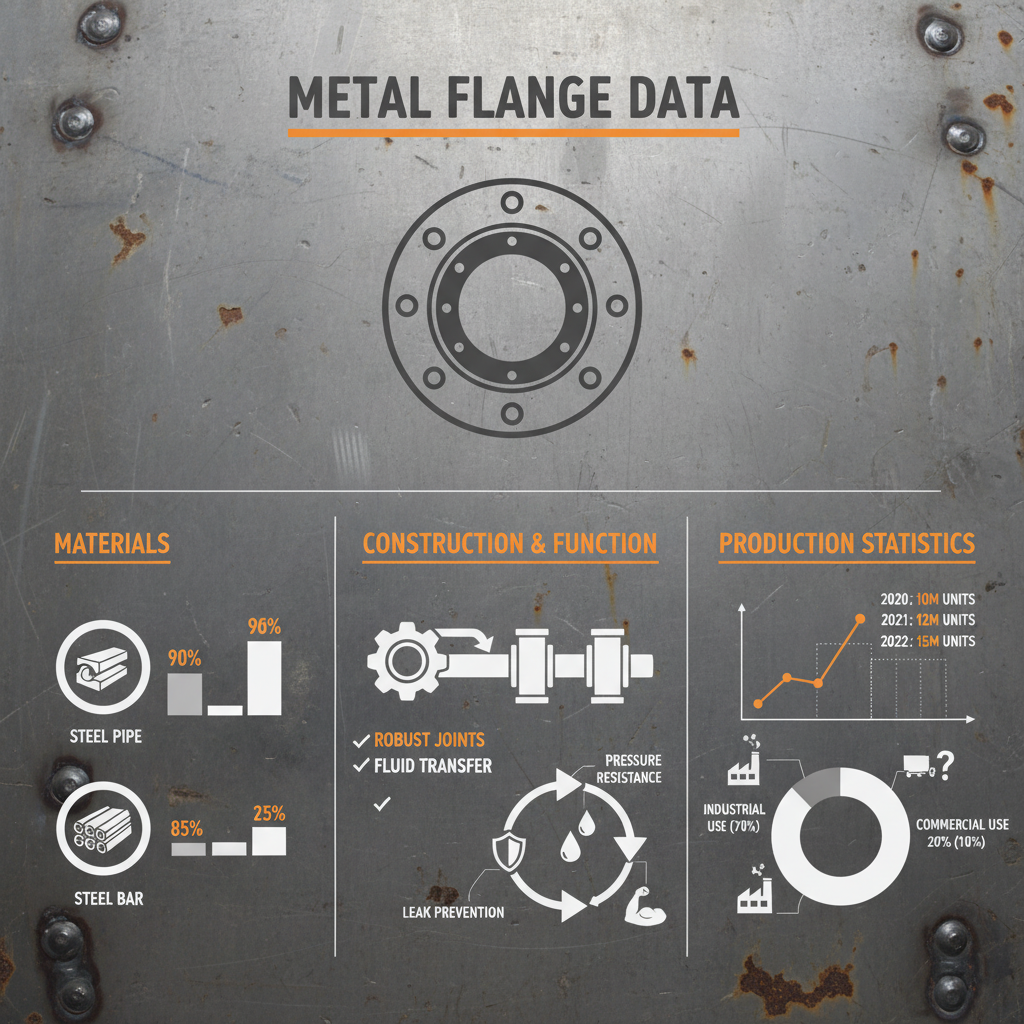
The durability of a metal flange is intrinsically linked to the material from which it is constructed. Carbon steel is a common choice due to its strength and cost-effectiveness, but it is susceptible to corrosion in certain environments. Stainless steel offers superior corrosion resistance, making it ideal for applications involving corrosive fluids or harsh weather conditions.

Other materials, such as alloy steels, titanium, and specialized polymers, are employed for niche applications requiring extreme temperature resistance, high pressure capacity, or compatibility with specific chemicals. Material selection should consider not only the immediate operating environment but also potential long-term exposure to corrosive elements.

Metal Flange Material Performance


Global Applications of Metal Flanges

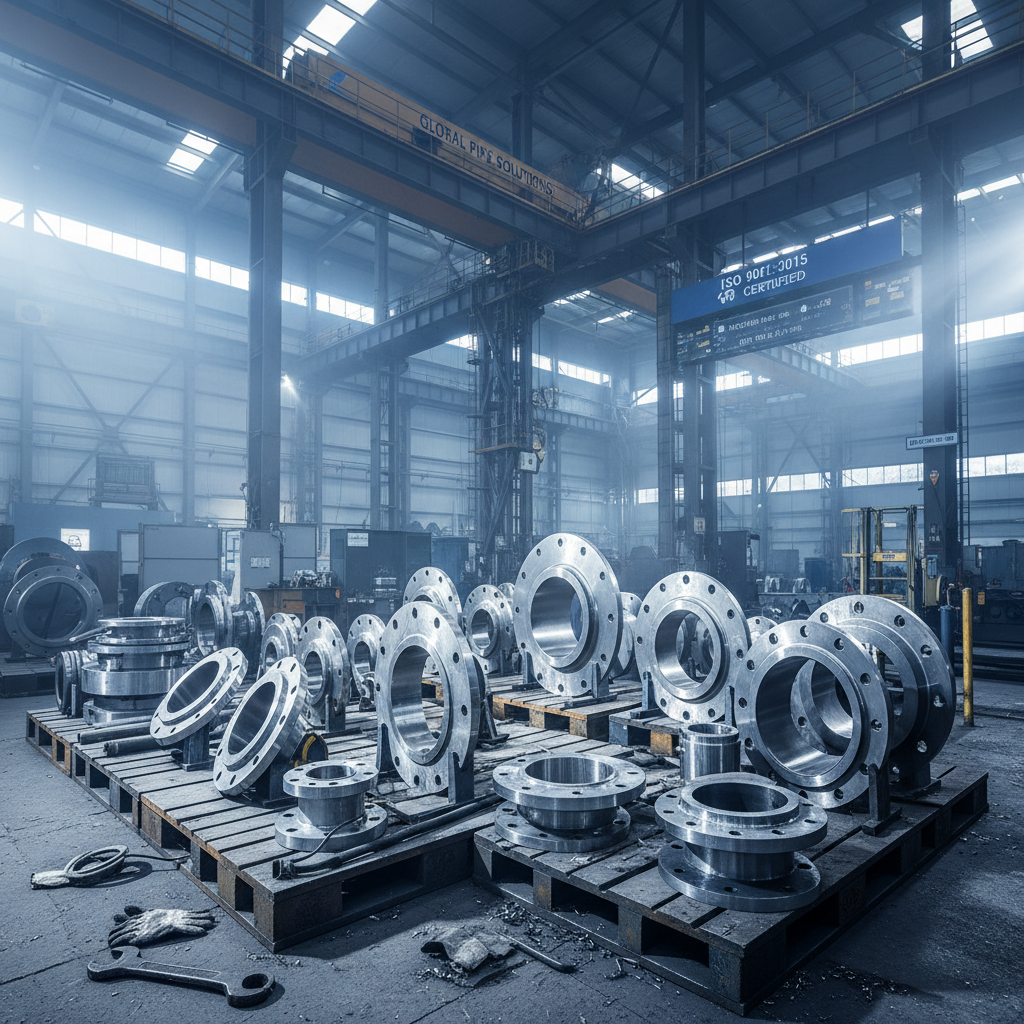
Metal flanges are ubiquitous across a diverse range of industries globally. In the oil and gas sector, they are essential for connecting pipelines, refineries, and offshore platforms, where high pressure and corrosive environments demand robust and reliable connections. Similarly, in the power generation industry, flanges are critical in steam turbine systems and cooling water networks.

The chemical processing industry relies heavily on metal flanges to safely contain and transport hazardous materials. Water treatment plants utilize them in pumping stations and filtration systems. Even in seemingly unrelated fields, like food and beverage production, metal flanges play a vital role in hygienic piping systems.

Advantages and Long-Term Value

The advantages of using metal flanges extend beyond their immediate function as connectors. Their removability simplifies maintenance and repair, reducing downtime and associated costs. The standardized nature of flanged connections ensures compatibility across different manufacturers and systems, streamlining procurement and installation.

From a long-term perspective, investing in quality metal flanges translates to enhanced safety, increased operational efficiency, and reduced lifecycle costs. Their durability minimizes the need for frequent replacements, contributing to sustainable industrial practices and responsible resource management. Furthermore, proper flange selection and installation enhance system reliability, minimizing the risk of leaks and environmental incidents.

Future Trends in Metal Flange Technology

The future of metal flange technology is being shaped by several key trends. The development of advanced materials, such as high-strength alloys and composite materials, promises to deliver even greater durability and corrosion resistance. Digital technologies, like 3D printing and predictive maintenance analytics, are poised to revolutionize flange design and monitoring.

Smart flanges equipped with sensors can provide real-time data on pressure, temperature, and stress levels, enabling proactive maintenance and preventing catastrophic failures. Automation and robotic systems are streamlining the flange installation and inspection processes, improving efficiency and reducing labor costs. These innovations are essential for meeting the evolving demands of modern industrial infrastructure.

The drive for sustainability is also influencing flange design, with a growing emphasis on reducing material waste, minimizing energy consumption during manufacturing, and promoting recyclability.

Summary of Metal Flange Performance Metrics

Flange Material Corrosion Resistance (1-10) Pressure Rating (PSI) Lifecycle Cost (1-10)
Carbon Steel 4 600 6
Stainless Steel 304 7 800 5
Stainless Steel 316 8 900 4
Alloy Steel 6 1200 3
Titanium 10 1500 2
Duplex Stainless Steel 9 1000 4

FAQS

What is the primary function of a metal flange in a piping system?

The primary function of a metal flange is to connect sections of pipe, valves, pumps, and other equipment, providing a secure and leak-proof joint. Unlike welding, flanged connections are removable, allowing for easy maintenance, inspection, and repair. They are vital for creating robust and adaptable piping networks across various industries.

How do I select the correct material for a metal flange?

Selecting the right material depends on several factors including the fluid being transported, the operating temperature and pressure, and the potential for corrosion. Common materials include carbon steel, stainless steel (304, 316), and alloy steels. Consider corrosion resistance, strength, and lifecycle costs when making your decision.

What are the different types of flange facings and when should I use them?

Common flange facings include Raised Face (RF), Flat Face (FF), and Ring Type Joint (RTJ). RF is the most common, suitable for moderate pressures. FF is used for low-pressure applications and brittle materials. RTJ is used for high-pressure, high-temperature services and requires a metal ring gasket.

What are the key benefits of using stainless steel flanges over carbon steel flanges?

Stainless steel flanges offer significantly better corrosion resistance than carbon steel, making them ideal for applications involving corrosive fluids or harsh environments. While generally more expensive upfront, they have a longer lifespan and require less maintenance, resulting in lower long-term costs.

How often should metal flange connections be inspected?

The frequency of inspection depends on the criticality of the system and the operating environment. Regular visual inspections for signs of corrosion, leaks, or damage should be conducted. More detailed inspections, including bolt torque checks, may be required periodically, especially in high-pressure or hazardous applications.

What are some common causes of metal flange failures?

Common causes of flange failures include corrosion, improper bolt torque, gasket failure, and thermal expansion/contraction stresses. Regular maintenance, proper installation, and the selection of appropriate materials can mitigate these risks and ensure long-term reliability.

Conclusion

Metal flanges are fundamental components of modern industrial infrastructure, providing reliable and adaptable connections in a wide range of applications. Their importance extends beyond simple connectivity, contributing to safety, efficiency, and sustainability across numerous industries. Understanding the factors influencing flange selection, installation, and maintenance is critical for engineers, technicians, and operators alike.

Looking ahead, advancements in materials, digital technologies, and sustainable practices will continue to shape the evolution of metal flange technology. Embracing these innovations will be crucial for addressing the challenges of a rapidly changing industrial landscape and ensuring the continued integrity and performance of critical infrastructure. Visit our website at www.hbjypipeline.com to learn more about our metal flange products and services.
Kevin Riley

Kevin Riley

Kevin Riley is a Project Engineer at Hebei Jiuyuan Pipeline Manufacturing, specializing in custom pipe fitting design and manufacturing. He works closely with clients to develop solutions for complex piping systems in industries such as pharmaceuticals and environmental protection. Kevin's expertise includes 3D modeling, material selection, and the creation of
Previous The Essential Role of Orifice Flange Technology in Modern Industrial Applications
Next Advancing Infrastructure with en1092 1 Modern Modular Solutions
en_USEnglish