To be honest, the whole flange game… it’s been changing fast. Everyone's obsessed with lightweight materials, right? Carbon steel is still king, of course – you can smell it a mile away at any fabrication shop, that oily, metallic tang. Good stuff. You know it’ll hold. But these new alloys… titanium, duplex stainless steel… they're popping up everywhere. Feels weird holding a flange that almost weighs nothing. Makes you wonder if it's strong enough, even if the lab tests say it is.
Have you noticed how everyone’s going for bigger diameters? Apparently, flow rates are the new benchmark. Which means bigger flanges, heavier flanges… more headaches for the guys actually installing them. It’s a trade-off. Anyway, I think everyone forgets that sometimes, simple is better. A well-made, standard carbon steel flange will outlast half the fancy stuff out there.
I’ve spent the last decade crawling around construction sites, and I’ll tell you, theoretical performance in a lab is very different than real-world abuse.


Strangely, everyone's trying to reinvent the wheel. There’s this whole push for integrated flanges, with built-in sensors and stuff. Sounds good on paper, but makes repair a nightmare. I encountered this at a petrochemical plant last time – a tiny sensor failed, and they had to replace the entire flange assembly. Cost them a fortune. Simple bolt-on replacements… that’s what we need.
The biggest pitfall I see? Over-engineering. People get so caught up in safety factors and worst-case scenarios that they end up with flanges that are unnecessarily bulky and expensive. You’ve gotta find that sweet spot, you know? Enough strength to do the job, but not so much that it’s a logistical headache.
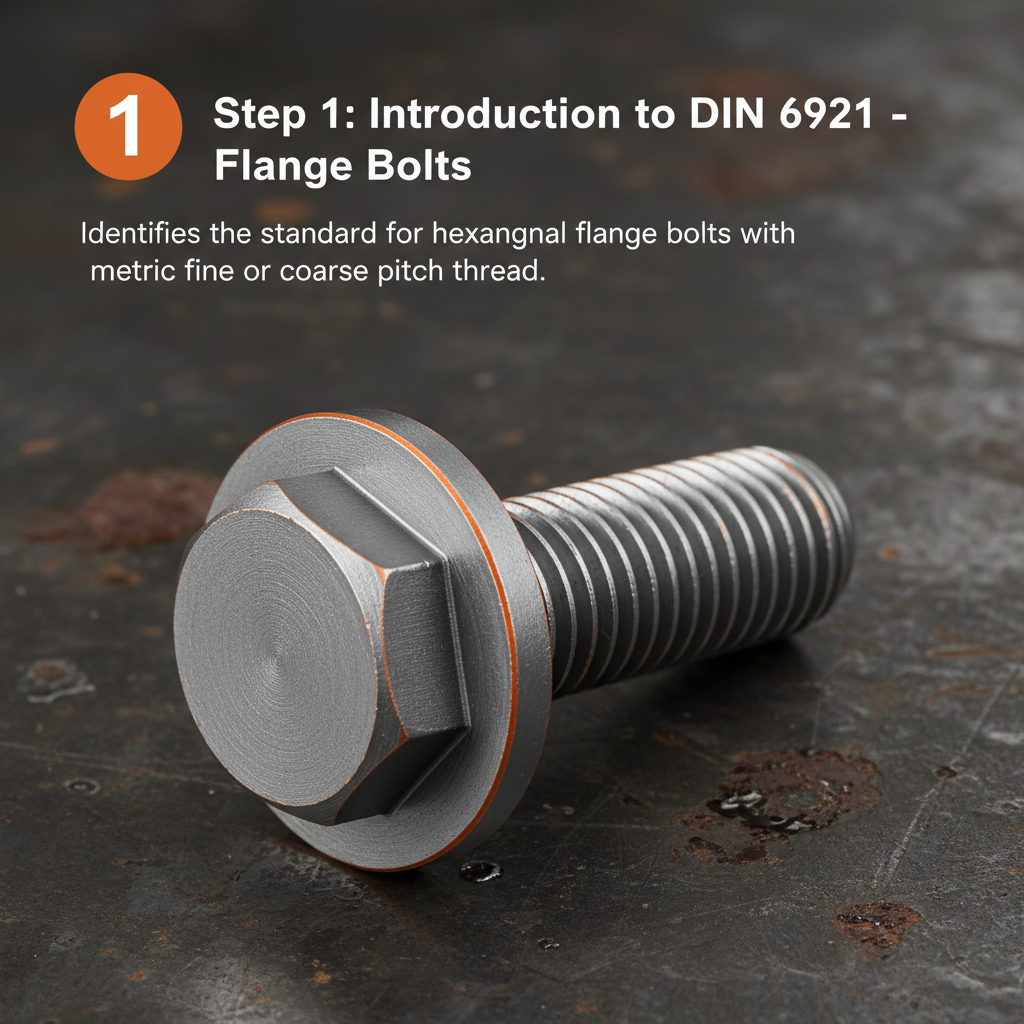
Honestly, it's underestimating the importance of bolt circle diameter. Folks get so focused on the flange size and pressure rating, they forget that the bolt holes have to line up perfectly. A mismatch there can cause a whole heap of problems during installation, leading to leaks and even structural failure. Proper measurements and adherence to standards are crucial. You’d be surprised how often that simple thing gets overlooked.
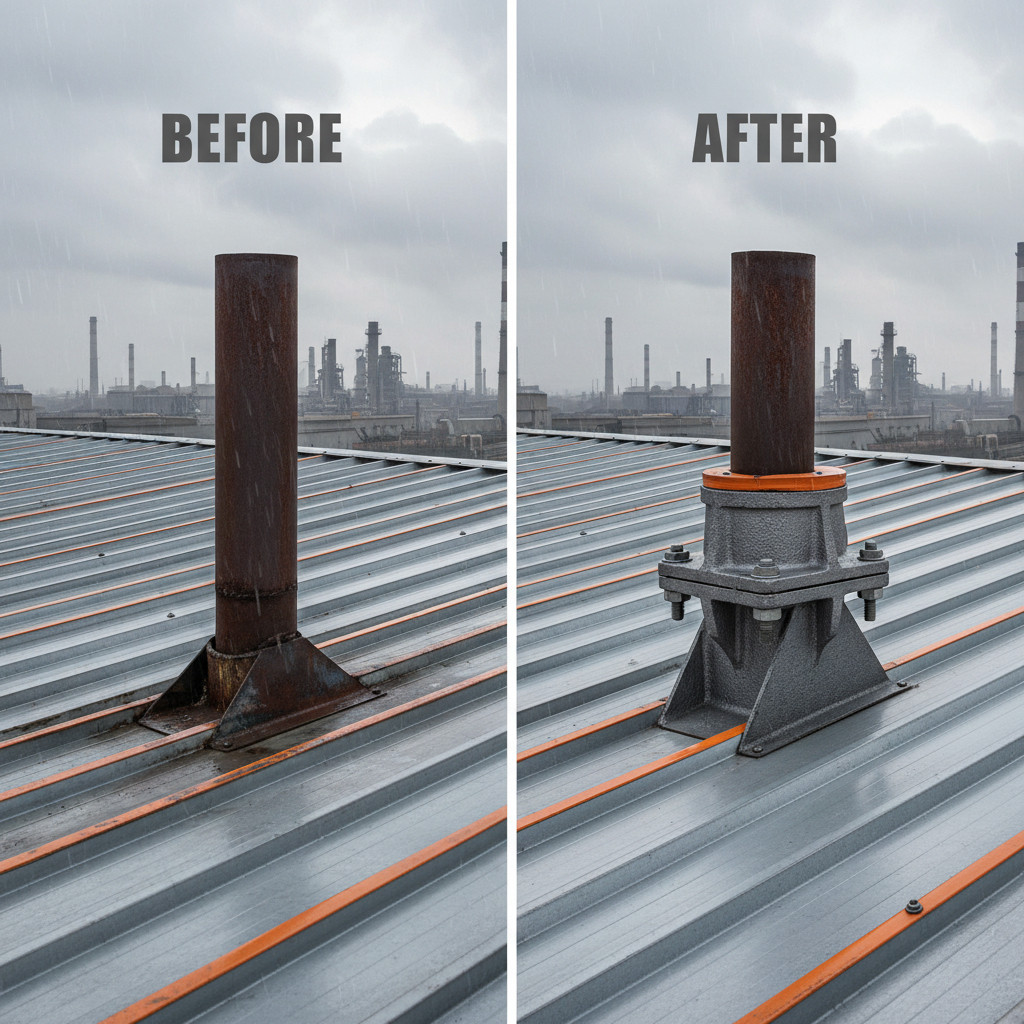
Corrosion is a beast. For seriously aggressive chemicals, you're looking at exotic alloys like titanium or Inconel. But even those aren't foolproof. Proper gasket selection is huge – the wrong gasket can negate all the benefits of a corrosion-resistant flange. We also recommend regular inspections and preventive maintenance to catch any early signs of corrosion before it becomes a major issue. It's a constant battle, honestly.
There's a lot of research going into composite materials – basically, mixing polymers with reinforcing fibers. They're lightweight, strong, and corrosion-resistant. But they're not quite ready for prime time yet. The long-term durability and performance are still being tested. I've seen some promising prototypes, but I'm waiting to see how they hold up in real-world conditions before I get too excited.
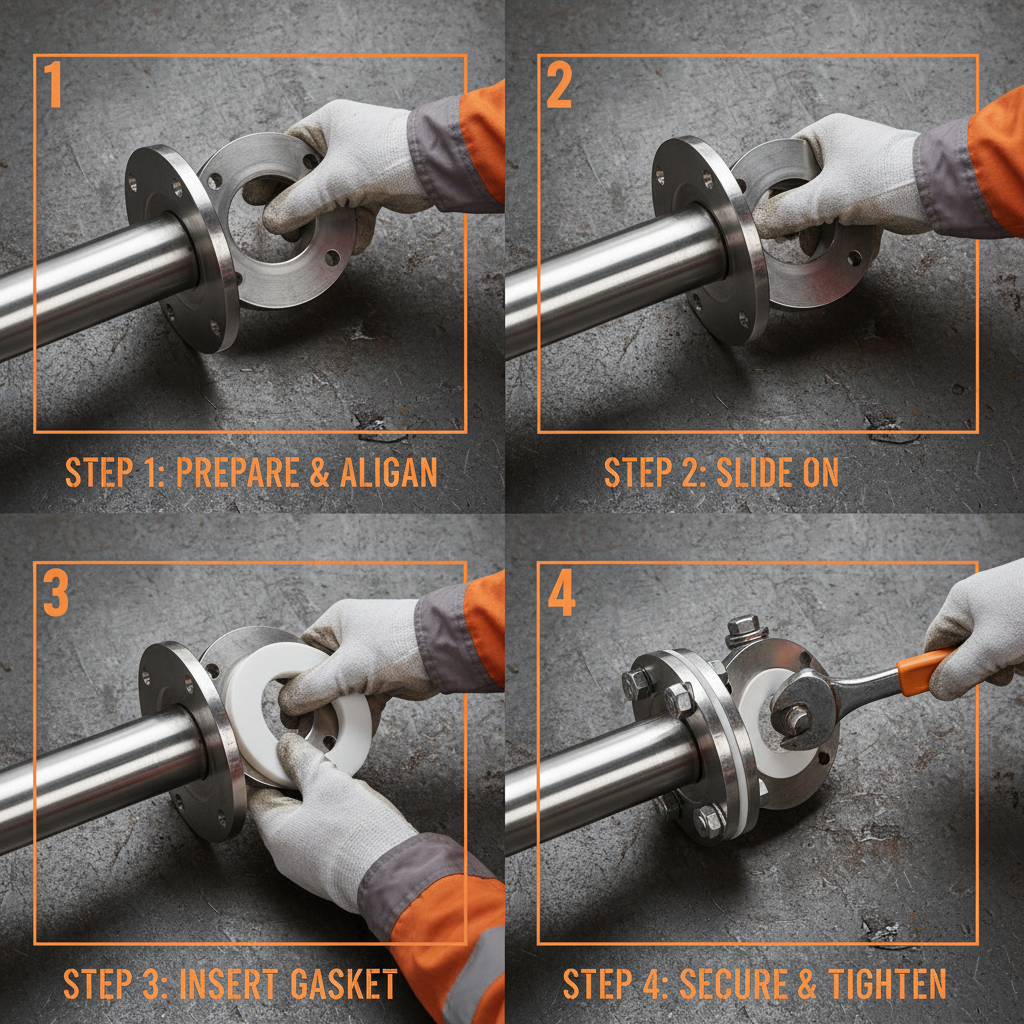
Proper torque is everything. Too little, and the flange won’t seal. Too much, and you risk damaging the flange or stripping the bolts. A calibrated torque wrench is a must-have. Also, make sure the flange faces are clean and free of debris. Even a tiny speck of dirt can cause a leak. And finally, use the right gasket for the application. It's a simple checklist, but it's often overlooked.
It depends on the extent of the damage. Minor scratches and dents are usually okay, but cracks or significant corrosion are a no-go. You should never attempt to repair a critical flange component. It's always better to replace it. Your safety – and the integrity of the system – depends on it. Don’t cheap out on this one.
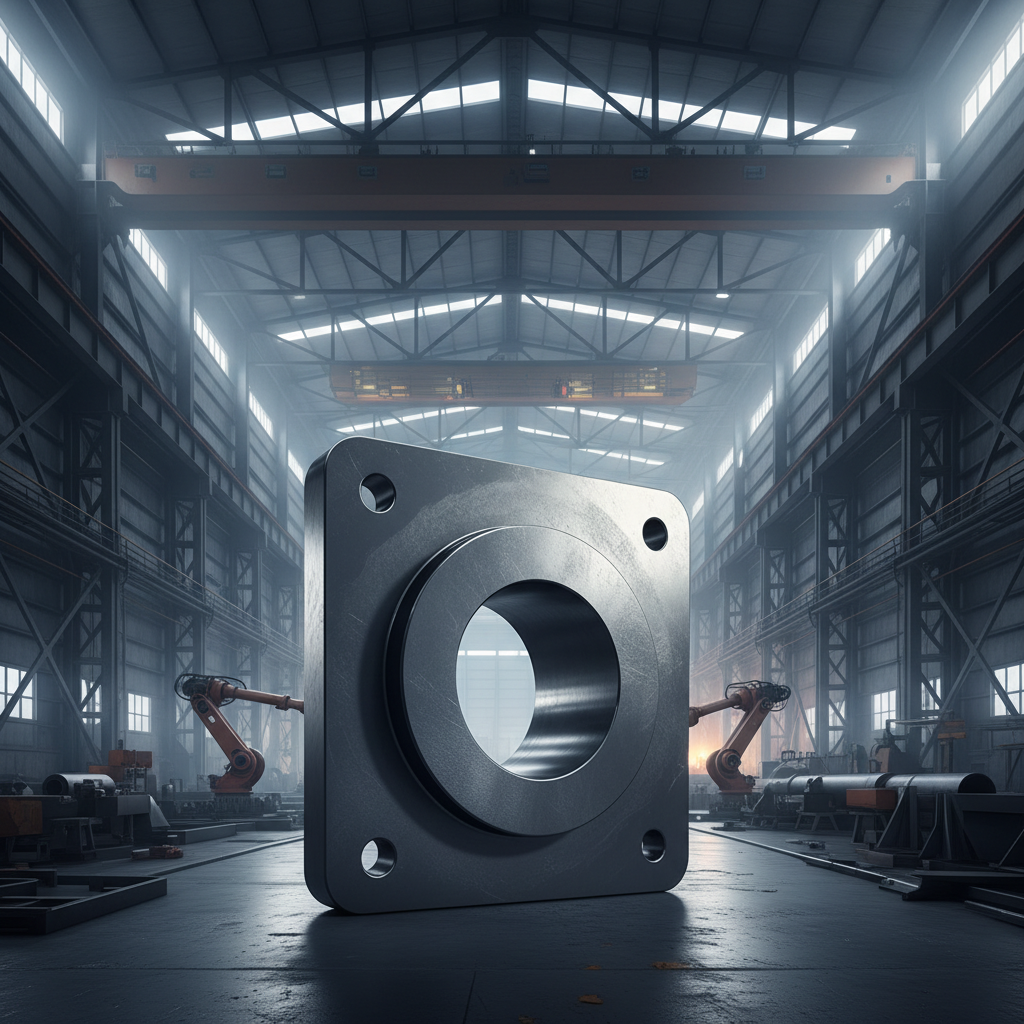
The flange facing is crucial for creating a tight seal. Raised face is the most common, and it works well in most applications. Flat face is used for low-pressure systems and brittle flanges. Ring type joint is for high-pressure, high-temperature applications. The gasket type you are using must match the flange facing. It sounds simple, but matching them incorrectly is a common error and will result in leaks.
So, there you have it. Flanges. Seem simple enough, right? But they’re a complex world of materials, standards, and real-world challenges. From lightweight alloys to proper installation torque, every detail matters. It's a balancing act between cost, performance, and reliability. And it's a constant learning process.
I always tell the young engineers: get your boots dirty. Spend time on the job site. Talk to the guys who are actually installing these things. Their feedback is invaluable. Because ultimately, whether this thing works or not, the worker will know the moment he tightens the screw. Visit our website at flange manufacturer to find the perfect flange for your next project.

 Albanian
 Arabic
 Armenian
 Azerbaijani
 Belarusian
 Bengali
 Bulgarian
 Croatian
 Czech
Czech
 Danish
 Dutch
Dutch
 Esperanto
 Finnish
 French
 German
 Greek
Greek
 Hebrew
 Hungarian
 Indonesian
 Irish
Irish
 Italian
 Japanese
 Khmer
Khmer
 Korean
 Kyrgyz
 Lao
Lao
 Latin
Latin
 Lithuanian
 Malay
Malay
 Myanmar
 Norwegian
 Persian
 Polish
 Portuguese
 Romanian
 Russian
 Serbian
 Slovak
 Slovenian
 Spanish
 Swedish
 Tagalog
 Thai
Thai
 Turkish
 Turkmen
 Uzbek
Uzbek
 Vietnamese
 Zulu
Zulu
 English