0%

Table of Contents

In the demanding world of high-pressure fluid systems, the integrity of every connection is paramount. A hydraulic flange serves as the critical interface that ensures leak-proof performance and structural stability under extreme mechanical stress, making it an indispensable component in modern industrial engineering.

From deep-sea oil exploration to heavy-duty manufacturing plants, the role of these specialized connectors extends beyond simple fastening. They are engineered to withstand immense pressure surges and corrosive environments, directly impacting the operational safety and uptime of global infrastructure.

Understanding the nuances of material selection, precision machining, and installation standards for a hydraulic flange is essential for engineers and procurement specialists. By optimizing these components, industries can reduce maintenance costs and prevent catastrophic failures in critical fluid power circuits.
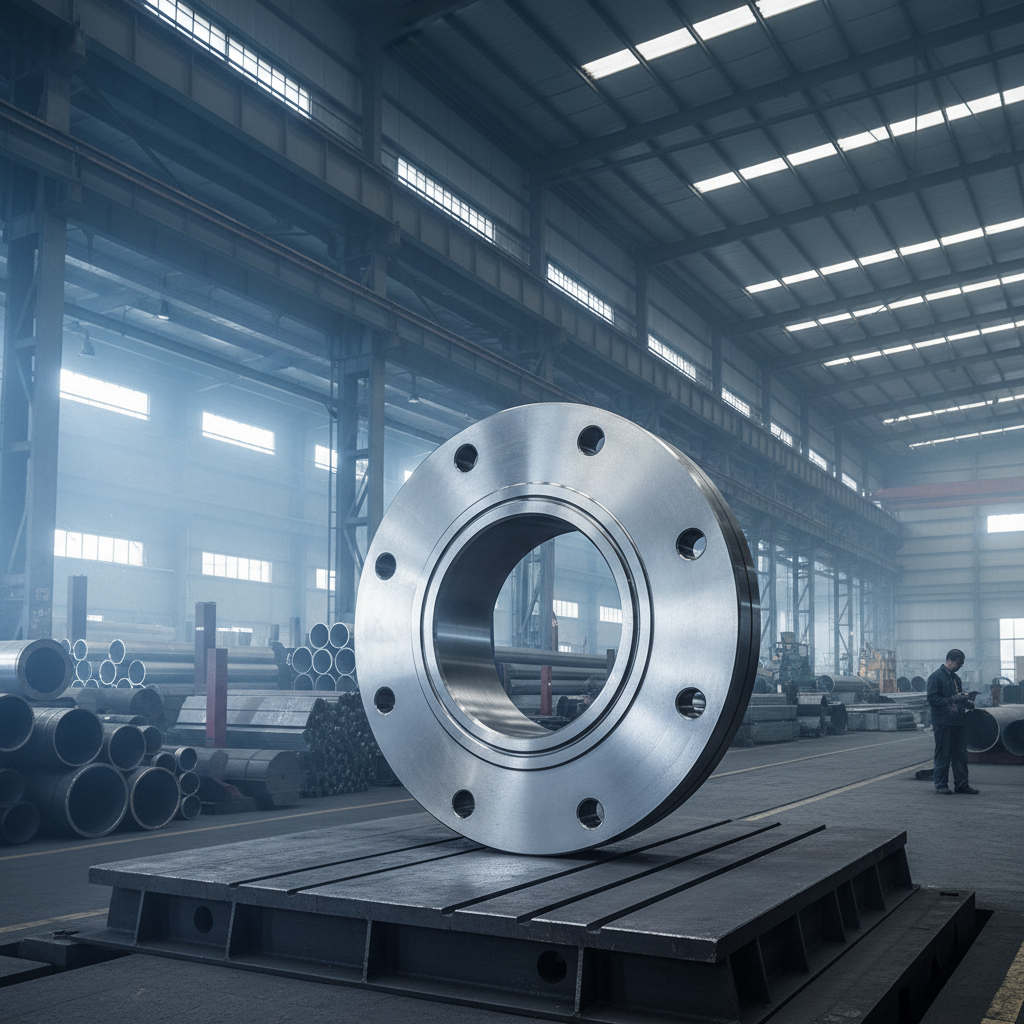
High Pressure Hydraulic Flange Guide for Industrial Engineering

Global Industrial Context of Hydraulic Flanges

High Pressure Hydraulic Flange Guide for Industrial Engineering

The global demand for high-precision hydraulic flange components is closely tied to the expansion of the energy and heavy machinery sectors. According to ISO standards for fluid power, the move toward higher system pressures to increase energy density has necessitated a revolution in how flanges are designed and manufactured.

Currently, the industry faces a significant challenge: the balance between weight reduction and pressure containment. As global infrastructure pushes into more remote and extreme environments—such as Arctic drilling or deep-sea mining—the failure of a single connection point can lead to environmental disasters and massive financial losses.

Defining the Hydraulic Flange in Modern Engineering

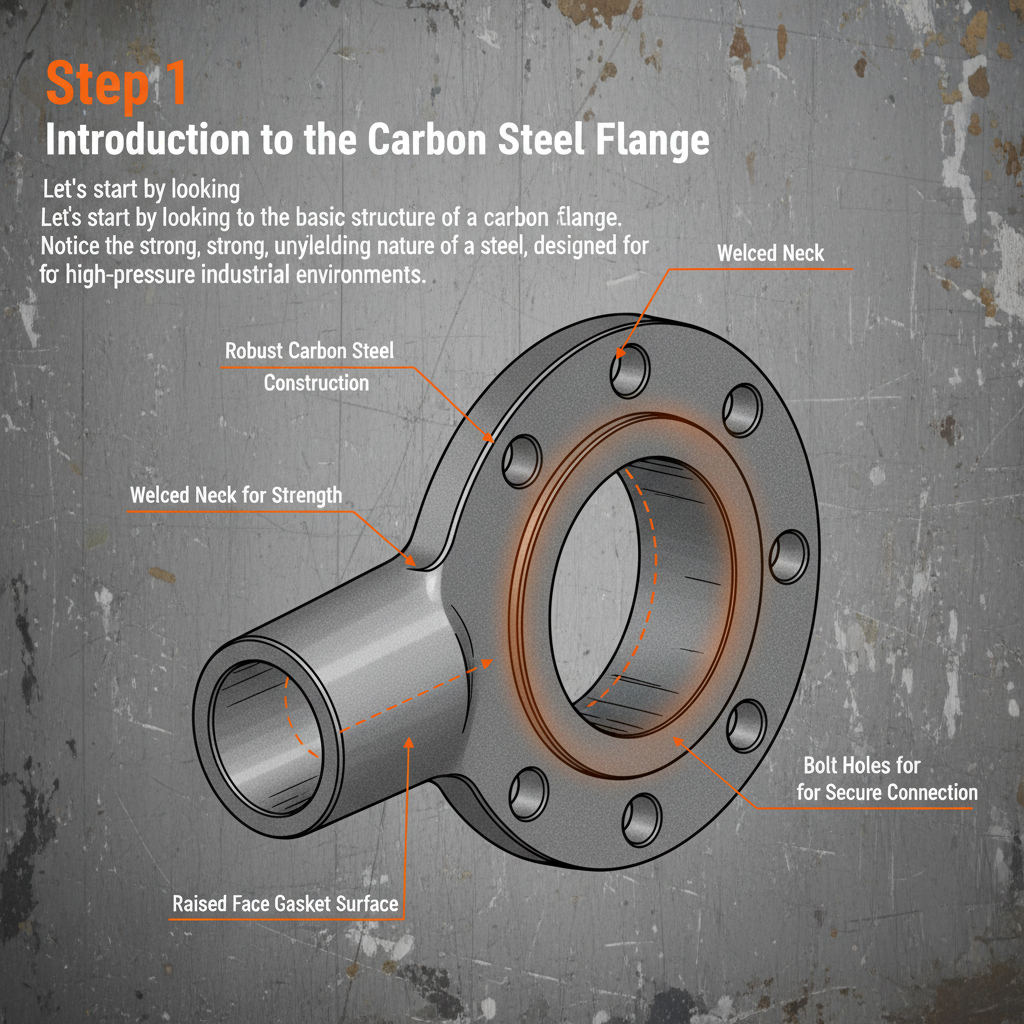
In simple technical terms, a hydraulic flange is a reinforced rim or collar used to connect pipes, valves, pumps, and other equipment in a hydraulic system. Unlike standard plumbing joints, these components are specifically engineered to maintain a hermetic seal under thousands of pounds of pressure per square inch (PSI).

Beyond the mechanical definition, these components are the "silent guardians" of industrial safety. They enable the modular assembly of complex hydraulic circuits, allowing for rapid maintenance and replacement of components without compromising the structural integrity of the entire system.

In the context of modern humanitarian and industrial needs, the precision of a hydraulic flange is vital for the operation of emergency response equipment, large-scale water purification plants, and sustainable energy turbines, where leakage is not just an efficiency issue but a safety hazard.

Core Technical Factors for High-Pressure Performance

Material durability is the first pillar of a high-performing hydraulic flange. Whether utilizing forged carbon steel for strength or stainless steel for corrosion resistance, the metallurgy must be capable of resisting fatigue caused by constant pressure cycling.

Precision machining and surface finish are critical for the sealing face of the hydraulic flange. Any microscopic irregularity can create a leak path under high pressure, making CNC precision and rigorous quality control (such as ultrasonic testing) non-negotiable for industrial grade components.

Scalability and standardization, following ASME or DIN norms, ensure that these components can be integrated into global supply chains. This interoperability allows engineers to design systems that can be serviced anywhere in the world using standardized tools and replacement parts.

Comparative Analysis of Flange Material Efficiency

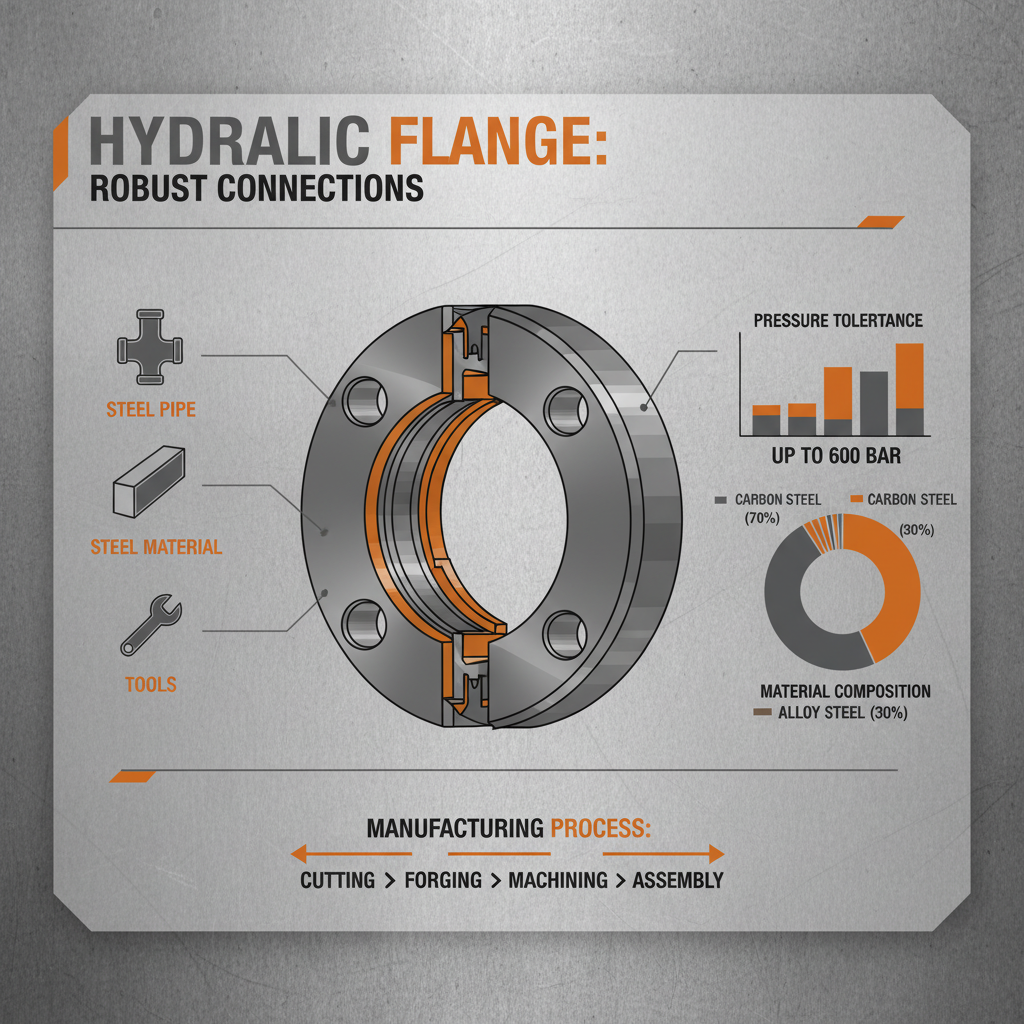
When selecting the right material for a hydraulic flange, engineers must weigh the trade-offs between tensile strength, weight, and chemical compatibility. While carbon steel remains the industry workhorse, specialized alloys are increasingly used for extreme conditions.

The following analysis illustrates how different material approaches perform across key metrics such as pressure resistance and longevity in corrosive environments.

Material Performance Analysis for Hydraulic Flanges


Global Applications and Sector Use Cases

The versatility of the hydraulic flange is evident in its wide adoption across diverse industries. In the aerospace sector, lightweight but ultra-strong flanges are used in landing gear systems to handle massive impact loads while remaining leak-proof.

In remote industrial zones, such as mining operations in the Australian Outback or oil fields in the Permian Basin, these components are the backbone of hydraulic fracturing and excavation equipment, where reliability in harsh, dusty, and temperature-extreme environments is critical.

Long-Term Value and Safety Advantages

Investing in high-quality hydraulic flange systems yields tangible long-term economic benefits. By reducing the frequency of unplanned shutdowns caused by seal failures, companies can significantly lower their Total Cost of Ownership (TCO) and increase overall equipment effectiveness.

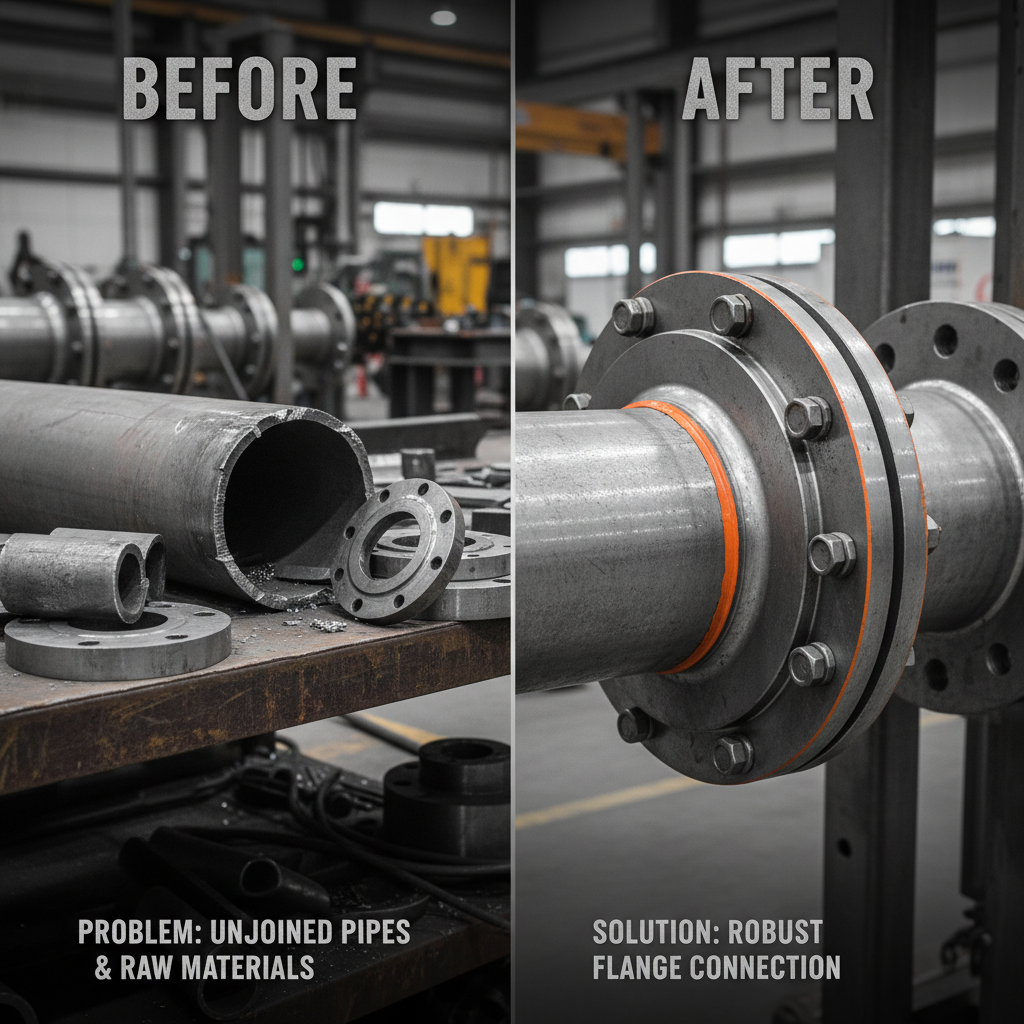
From a safety perspective, the value is immeasurable. A robust flange connection prevents high-pressure fluid injections—which can be lethal to operators—and eliminates the risk of environmental contamination from hydraulic oil spills.

Ultimately, the use of certified, precision-engineered flanges fosters a culture of trust and reliability. When operators know that every connection is secured by industry-leading components, they can focus on productivity without the constant fear of catastrophic system failure.

Future Trends and Sustainable Innovations

The evolution of the hydraulic flange is now being driven by the digital transformation of industry. "Smart Flanges" equipped with embedded pressure and temperature sensors are emerging, allowing for real-time condition monitoring and predictive maintenance.

Sustainability is also playing a major role, with a shift toward "Green Metallurgy." This involves using recycled alloys and low-carbon forging processes to reduce the environmental footprint of manufacturing without sacrificing the structural integrity of the pressure vessel components.

As automation increases in the manufacturing sector, the integration of additive manufacturing (3D printing) for complex, custom-shaped flanges is becoming a reality, enabling optimized fluid flow and reduced weight for next-generation hydraulic systems.

Comparison of Hydraulic Flange Material and Application Standards

Material Type Pressure Rating Corrosion Resistance Primary Application
Carbon Steel Medium-High Low General Industrial Piping
Stainless Steel 316 Medium High Chemical Processing
Forged Alloy Steel Ultra-High Medium Oil & Gas Extraction
Duplex Stainless High Very High Offshore Marine Systems
Titanium Grade 5 High Extreme Aerospace Hydraulics
Nickel Alloys High Extreme Deep-sea Exploration

FAQS

What is the primary difference between a standard flange and a hydraulic flange?

A hydraulic flange is specifically engineered for high-pressure fluid power systems, featuring tighter tolerances and superior material strength compared to standard piping flanges. They are designed to prevent leaks under dynamic pressure surges and often employ specialized sealing surfaces to handle thousands of PSI, whereas standard flanges are typically for lower-pressure water or gas transport.

How do I choose the right material for my hydraulic flange application?

Selection depends on three main factors: pressure, environment, and budget. For general industrial use, carbon steel is cost-effective. For corrosive environments like marine or chemical plants, stainless or duplex steel is required. For ultra-high pressure or aerospace needs, forged alloy steels or titanium are preferred to ensure safety and prevent fatigue failure.

Can a hydraulic flange be reused after several assembly cycles?

Yes, but it depends on the type of seal used. If the flange uses a reusable O-ring or gasket, the flange itself can be reused provided the sealing face remains pristine. However, if the connection involves a deformation-based seal or if the flange shows signs of galling or warping, it should be replaced to avoid catastrophic leakage.

What are the most common causes of failure in hydraulic flange connections?

The most frequent causes include improper bolt torqueing (causing uneven loading), surface scratches on the sealing face, and material incompatibility with the hydraulic fluid. Fatigue failure can also occur if the system is subjected to constant high-frequency vibration without proper support or dampening.

How does CNC machining improve the quality of a hydraulic flange?

CNC machining ensures that the concentricity and flatness of the flange are within microns. This precision is vital because any deviation in the sealing surface can create a "leak path," which is magnified under high pressure. High-precision CNC milling and turning result in a more consistent seal and longer component life.

Are there international standards I should follow for hydraulic flange procurement?

Absolutely. Following standards like ASME (American Society of Mechanical Engineers), DIN (German Institute for Standardization), or ISO (International Organization for Standardization) is critical. These standards ensure that the dimensions, pressure ratings, and material grades are consistent, allowing for safe interchangeability between different manufacturers' components.

Conclusion

The hydraulic flange is far more than a simple connector; it is a critical engineering component that ensures the safety, efficiency, and longevity of high-pressure industrial systems. From the careful selection of forged materials to the precision of CNC machining, every detail contributes to preventing system failures and ensuring operational continuity across global industries.

Looking forward, the integration of smart monitoring and sustainable manufacturing will redefine how we approach fluid power connectivity. We recommend that engineers prioritize certified standards and high-grade materials to future-proof their infrastructure against increasing pressure demands. For high-quality, precision-engineered solutions, visit our website: www.hbjypipeline.com.

David Chen

David Chen

David Chen is the Head of International Sales at Hebei Jiuyuan Pipeline Manufacturing, focusing on expanding our presence in the petrochemical and shipbuilding industries. He has a strong background in international trade and logistics, managing key accounts in Europe and the Middle East. David is adept at understanding diverse customer
Previous Precision Forged Water Meter Flange
Next Precision Engineered Dielectric Flange Solutions
en_USEnglish