
Procuring pressure vessel components often involves a complex trade-off between immediate capital expenditure and long-term operational safety. For engineers and procurement officers, finding a reliable blind flange price list is not merely about finding the lowest number, but understanding the variables that drive those costs.
The pricing of blind flanges is influenced by a convergence of raw material volatility, precise manufacturing tolerances, and the specific pressure ratings required for industrial safety. In the context of metal pressure vessel manufacturing, a blind flange serves as the critical terminal point of a piping system, meaning its integrity is non-negotiable regardless of the budget constraints.
To navigate this market effectively, one must look beyond the surface price and analyze the relationship between material grades, sizing, and the manufacturing standards—such as ANSI, JIS, or DIN—that dictate the final cost and performance of the component.


The fundamental cost of a blind flange begins with the raw material. Whether using carbon steel, stainless steel, or nickel-based alloys, the market price of the base metal provides the floor for the total cost. However, the transformation from a raw billet to a finished flange involves significant value-added processes.
Forging is typically more expensive than casting but is required for high-pressure vessels due to the superior grain structure it provides. HEBEI JIUYUAN PIPELINE MANUFACTURING CO.,LTD leverages advanced production facilities to balance these costs, ensuring that the structural requirements of ISO9001:2008 and special equipment certifications are met without unnecessary overhead.
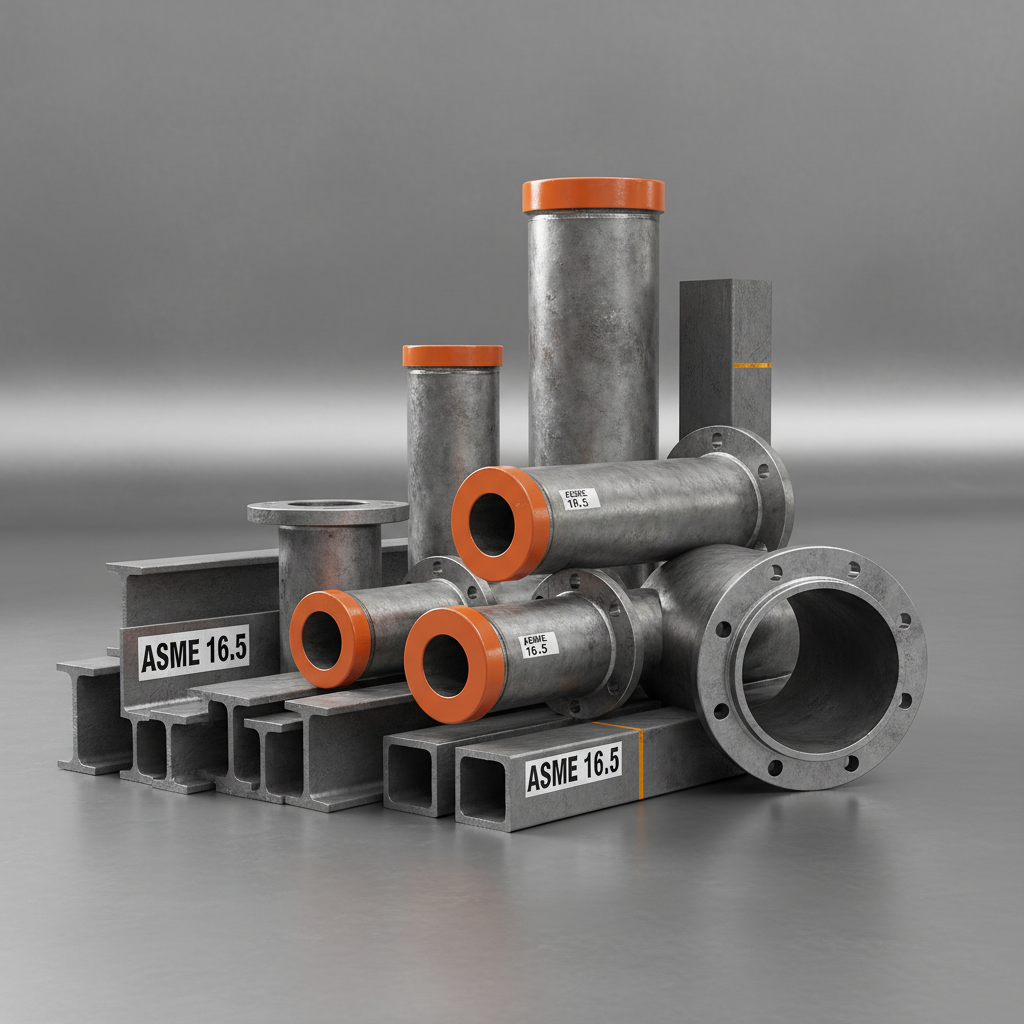
Beyond materials, the execution standard—be it GB, ANSI/ASME, JIS, or DIN—significantly impacts the final price. Each standard dictates different dimensions, bolt hole patterns, and face finishes. A flange manufactured to strict ASME standards may require more precise machining and tighter tolerances than a generic industrial plate, increasing the labor and quality control costs.
Surface finishing is another critical variable. A standard raised face (RF) is common, but specialized requirements like ring-type joints (RTJ) for ultra-high pressure environments demand specialized CNC machining. These refinements ensure a leak-proof seal in petroleum or chemical engineering applications, where the cost of failure far outweighs the initial purchase price.
Additionally, the material's chemical composition plays a role. Duplex steel or low-temperature steel used in aerospace or cryogenic environments requires specialized heat treatment and testing, which adds a layer of cost to the manufacturing cycle compared to standard alloy steel.
In the pricing of blind flanges, the distinction between "Heavy" and "Light" designations is paramount. These classifications refer to the thickness of the flange disk, which directly correlates to the maximum allowable working pressure (MAWP) the component can withstand.
Price variance between light and heavy duty flanges is primarily driven by volumetric material consumption and the increased energy required for forging thicker cross-sections.
A heavy-duty flange is essential for high-pressure pipelines in power plants or metallurgy, where the risk of deformation under load is high. Conversely, light-duty versions are suitable for urban construction or water heating systems where pressures are moderate. Selecting the correct class is a critical part of the budgeting process; over-specifying leads to wasted capital, while under-specifying creates catastrophic safety risks.
The relationship between size and price is non-linear. As the diameter of a blind flange increases, the volume of material grows exponentially. For instance, moving from a 1" to a 4" flange doesn't just quadruple the cost; it significantly increases the weight and the machining time required for the face and bolt holes.
Based on internal data for standard configurations, the cost jump becomes more pronounced as the size exceeds 2 inches. This is because larger billets are harder to source and require more powerful forging presses, which increases the unit cost of production.
In a typical industrial setting, such as a chemical processing plant, the selection of a blind flange is driven by the medium being transported. Corrosive chemicals require stainless steel or nickel-based alloys, which dramatically shift the blind flange price list upward. In these environments, the "cheapest" option is often the most expensive in the long run due to premature corrosion and unplanned shutdowns.
For fire protection or urban water systems, carbon steel is generally sufficient. The primary concern here is volume and standard compliance rather than exotic material properties. Procurement officers in these sectors focus on consistency across large batches of pipe fittings and flanges to ensure ease of installation and maintenance.
The industry is seeing a transition toward more specialized alloys. As the pharmaceutical and aerospace sectors expand, there is an increasing demand for precision casting and forged products that can withstand extreme temperature fluctuations. This shift is forcing manufacturers to adopt more flexible production lines capable of handling smaller, high-complexity batches.
Furthermore, the integration of digital quality tracking—where each flange has a traceable heat number and material certificate—has become a standard expectation. While this adds a small administrative cost, it significantly reduces the risk of using substandard materials in critical pressure pipelines.
The "Capital of Elbows" region, where HEBEI JIUYUAN PIPELINE MANUFACTURING CO.,LTD is located, continues to drive innovation in these areas, blending traditional forging expertise with modern testing equipment to maintain high quality across various international standards.
Evaluating a vendor's quote requires a structured approach. Comparing a "Light" flange price from one supplier to a "Heavy" flange from another is a common error that leads to project failure. A proper evaluation must normalize for material grade, pressure class, and certification level.
When reviewing a price list, it is also essential to consider the total cost of ownership. This includes the shipping costs for heavy forged products and the potential costs associated with incorrect standards (e.g., trying to fit a DIN flange into an ANSI system).
The following table provides a conceptual framework for comparing different blind flange specifications and their relative impact on total project costs.
| Spec Variable | Low-Cost Option | Premium Option | Cost Driver |
|---|---|---|---|
| Material | Carbon Steel | Duplex Stainless | Corrosion Resistance |
| Weight Class | Light (Standard) | Heavy (Reinforced) | Wall Thickness |
| Manufacturing | Casting | Forging | Structural Integrity |
| Standard | Generic GB | ANSI/ASME B16.5 | Tolerance Precision |
| Surface Finish | Smooth Face | Ring Type Joint (RTJ) | Sealing Technology |
| Certification | Basic Mill Cert | ISO9001 + Special Equip | Quality Assurance |
A blind flange is a solid disk used to seal the end of a piping system or a pressure vessel outlet. Unlike standard flanges that allow fluid to pass through, a blind flange completely blocks the flow. It is essential for isolating sections of a pipeline during maintenance or for capping off future expansion points in a plant's infrastructure.
The weight class refers to the thickness of the flange. Heavy-duty flanges use more raw material and require more energy and time during the forging process. Consequently, they are more expensive. The choice depends on the system's operating pressure; high-pressure environments necessitate heavy-duty flanges to prevent deformation or rupture.
Nickel-based alloys and duplex stainless steels are generally the most expensive due to the cost of the raw elements and the difficulty of machining them. Carbon steel is the most economical. The selection is based on the corrosive nature of the medium and the temperature requirements of the application.
Yes, they do. Different standards require different dimensions and tolerances. High-precision standards like ANSI/ASME often involve more rigorous quality control and tighter machining tolerances, which can increase the cost compared to more generic standards. It is vital to ensure the standard matches the rest of your piping system to avoid costly adapters.
Look for ISO9001:2008 certification and specific certifications for pressure pipelines. Request Material Test Reports (MTRs) that confirm the chemical composition and mechanical properties. A reputable manufacturer will provide traceable documentation for each batch, ensuring the product meets the required engineering specifications.
Yes, professional manufacturers like HEBEI JIUYUAN PIPELINE MANUFACTURING CO.,LTD specialize in customizing difficult pipe fittings. Customization can include non-standard dimensions, specific alloy blends for extreme environments, or unique face finishes to accommodate specialized gaskets. While this increases the lead time and price, it is often necessary for complex engineering projects.
Deciphering a blind flange price list requires a transition from a "cost-first" mindset to a "value-first" engineering approach. The interplay between material grade, weight class, and international standards determines not only the price but the fundamental safety of the pressure vessel.
By prioritizing technical compliance and material traceability over the lowest initial quote, operators can significantly reduce the risk of system failure. Investing in high-quality forged components ensures that the terminal points of your piping system remain secure, efficient, and compliant with global safety standards.

 Albanian
 Arabic
 Armenian
 Azerbaijani
 Belarusian
 Bengali
 Bulgarian
 Croatian
 Czech
 Danish
 Dutch
 Esperanto
 Finnish
 French
 German
 Greek
 Hebrew
 Hungarian
 Indonesian
 Irish
 Italian
 Japanese
 Khmer
 Korean
 Kyrgyz
 Lao
 Latin
 Lithuanian
 Malay
 Myanmar
 Norwegian
 Persian
 Polish
 Portuguese
 Romanian
 Russian
 Serbian
 Slovak
 Slovenian
 Spanish
 Swedish
 Tagalog
 Thai
 Turkish
 Turkmen
 Uzbek
 Vietnamese
 Zulu
 English


