



THE BUYER'S GUIDE / SELECTION
Choosing COUPLING O.D.MACHINED (SPE): Application Fit and Specification Checks
A practical buyer's guide for selecting the COUPLING O.D.MACHINED (SPE) from HEBEI JIUYUAN PIPELINE MANUFACTURING CO.,LTD . This article walks procurement teams through the key application criteria and specification checks — including nominal pipe size, outer-diameter (U) dimensions, and thread engagement length (T) — needed to confirm a correct fit before ordering.
Nominal pipe size and machined outer diameter (U): The U dimension for each size (13.00 mm at 1/8" through 120.00 mm at 4") must match the bore dimension of the receiving component in the assembly. Verify the U value directly from the published size table before ordering.
Thread engagement length (T): The T dimension defines available thread engagement depth and must meet or exceed the minimum required by the applicable piping code or project specification. T values are not proportional to pipe size in this series, so each size must be checked individually against the confirmed table.
What Is a COUPLING O.D.MACHINED (SPE)?
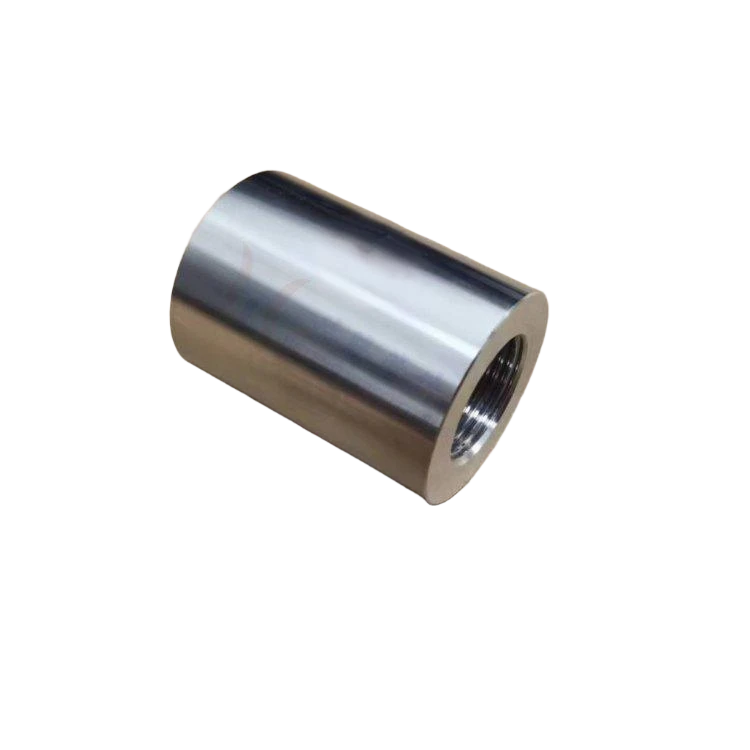
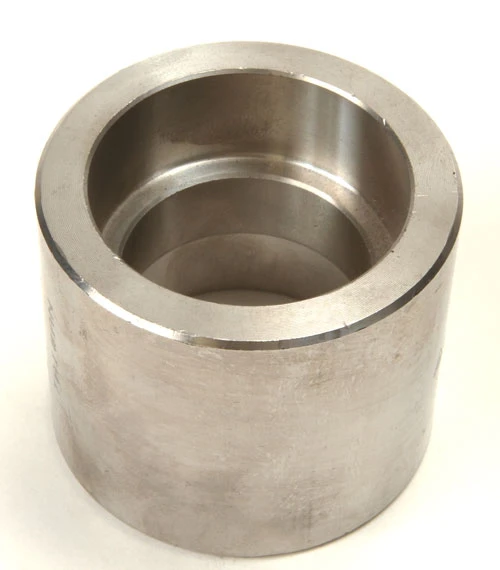
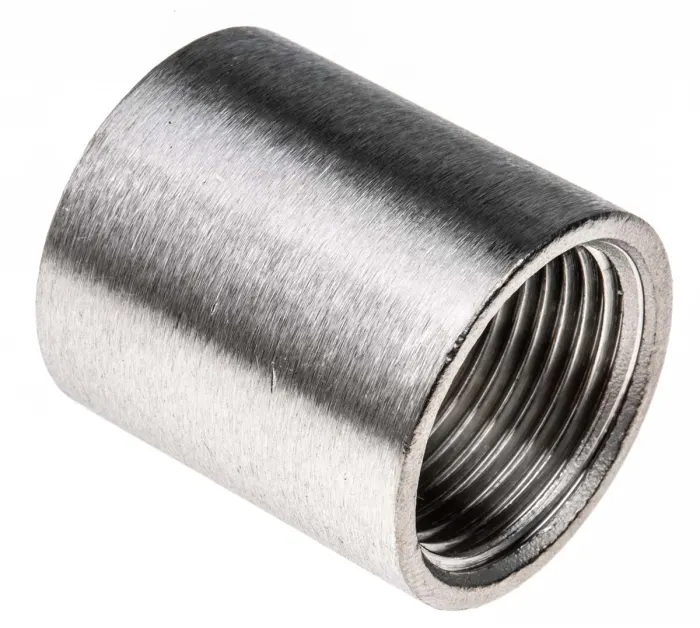
A COUPLING O.D.MACHINED (SPE) is a threaded pipe coupling whose outer diameter has been precision-machined to close tolerances. The machined O.D. ensures consistent seating in socket or flanged assemblies where an un-machined surface finish would introduce leakage risk or assembly misalignment. HEBEI JIUYUAN PIPELINE MANUFACTURING CO.,LTD . offers this coupling in a full range of nominal sizes — from 1/8" through 4" — making it suitable for a wide variety of piping systems.
Key Specification Check: Size Table
The published size data for the COUPLING O.D.MACHINED (SPE) covers two critical dimensions:
- U — the machined outer diameter of the coupling body (in mm)
- T — the overall length or thread engagement dimension (in mm)
The confirmed size range is as follows:
| Size | U (mm) | T (mm) |
|---|---|---|
| 1/8" | 13.00 | 19.00 |
| 1/4" | 17.00 | 23.50 |
| 3/8" | 19.50 | 24.00 |
| 1/2" | 24.00 | 32.00 |
| 3/4" | 32.00 | 34.50 |
| 1" | 37.00 | 40.00 |
| 1 1/4" | 47.50 | 46.50 |
| 1 1/2" | 52.50 | 46.50 |
| 2" | 66.00 | 51.00 |
| 2 1/2" | 83.00 | 63.50 |
| 3" | 94.00 | 66.50 |
| 4" | 120.00 | 78.00 |
Source: HEBEI JIUYUAN PIPELINE MANUFACTURING CO.,LTD . published product data.
Selection Criteria
1. Match the Nominal Pipe Size to the U Dimension
The machined outer diameter (U) must correspond exactly to the nominal pipe size called out in your piping specification or engineering drawing. Before ordering, cross-reference the U value in the table above with the bore dimension of the receiving component (socket, tee, reducer, or mating flange). A mismatch — even of a fraction of a millimetre — can prevent proper seating and compromise system integrity.
Practical check: Confirm the nominal size designation (e.g., 1/2", 2") as well as the actual U figure from the table. Do not assume a nominal size always matches a specific O.D. across different coupling families; always verify against the confirmed dimension.
2. Verify the T Dimension Against Your Thread Engagement Requirement
The T dimension defines the overall thread engagement depth available for the coupling. Your piping code or project specification will state a minimum thread engagement length; the T value for the chosen size must meet or exceed that requirement. Note that T does not increase linearly with pipe size in this series — for example, the 1 1/4" and 1 1/2" sizes share the same T value of 46.50 mm — so size-by-size verification is essential rather than interpolation.
Practical check: Identify the minimum thread engagement length specified for your service conditions and confirm the T dimension for the target size satisfies that limit.
3. Confirm the Application Environment
An O.D.-machined coupling is typically chosen over a standard (un-machined) coupling when dimensional control at the outer surface is required — for example, when the coupling must slide into a housing, register against a bore, or meet a cleanliness standard on an exposed surface. Confirm with your engineering team whether the machined O.D. specification is genuinely required for the service, since it implies a tighter manufacturing tolerance on that surface.
Practical check: Review the piping or equipment specification to confirm whether "O.D. machined" is called out explicitly or can be substituted with a standard-finish coupling.
4. Confirm Material and Standard Compatibility
HEBEI JIUYUAN PIPELINE MANUFACTURING CO.,LTD . produces pipe fittings to GB, ANSI/ASME, JIS, and DIN standards and works with carbon steel, alloy steel, and stainless steel, among other materials.
Practical check: State the required material specification (e.g., ASTM A105, ASTM A182) and the applicable piping standard in your purchase inquiry so the supplier can confirm availability and documentation.
When This Coupling May Not Apply
- Socket-weld or butt-weld joints: This is a threaded coupling with a machined O.D. If your piping class requires socket-weld or butt-weld end connections, a different coupling type is needed.
- Sizes outside 1/8"–4": The confirmed size range covers 1/8" through 4" nominal. Requirements outside this range cannot be met by this product as documented.
- Special pressure or temperature ratings:
Summary for Procurement Teams
When evaluating the COUPLING O.D.MACHINED (SPE) for your project, the four checks that matter most are:
- U dimension — does the machined outer diameter match the receiving bore?
- T dimension — does the thread engagement length meet your piping code minimum?
- Application need — is an O.D.-machined surface explicitly required?
- Material and standard — has the correct material grade and execution standard been confirmed with the supplier?
For sizes from 1/8" to 4", the published dimension table provides the starting reference. Contact HEBEI JIUYUAN PIPELINE MANUFACTURING CO.,LTD . directly to confirm material availability, applicable standards, and any project-specific documentation requirements.
THE PEOPLE

About the author
THE COMPANY
HEBEI JIUYUAN PIPELINE MANUFACTURING CO.,LTD .
HEBEI JIUYUAN PIPELINE MANUFACTURING CO.,LTD . is located in Mengcun Hui Autonomous County, known as the "Capital of Elbows", with a registered capital of 10.09 million yuan. The company is equipped with advanced production facilities, strong technical capabilities and strict testing equipment, ranking among the top in the industry for its excellent quality and service. We have always been committed to technological innovation and improving product quality.…
About Us ↗Visit company website ↗YOUR NEXT STEP
Bring your brief. Start a useful conversation.
Use case, specification, quantity and delivery window: make the next conversation specific.
-
 Jun. 13, 2026
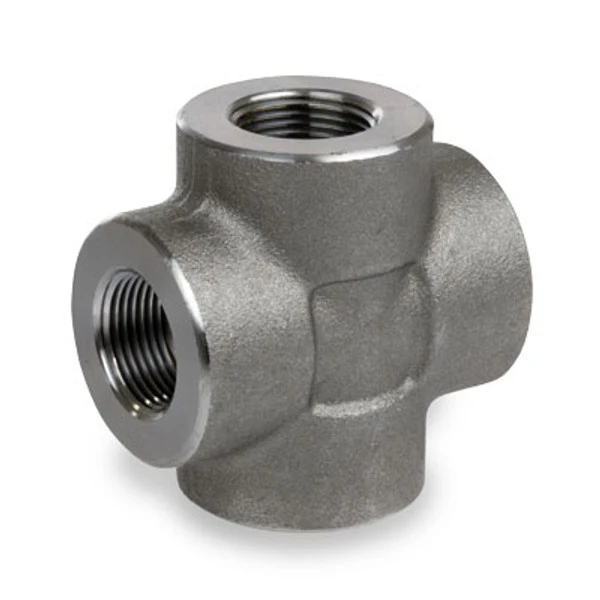
The Ultimate Guide to the 35 Degree Elbow for Industrial Piping In the complex world of industrial piping and fluid transport, precision is everything. A 35 degree elbow serves as a critical component for redirecting flow in systems where standard 45 or 90-degree bends are too abrupt. By providing a more gradual change in direction, these specialized fittings help reduce pressure drops and minimize turbulence within the pipeline. Whether you are dealing with high-pressure oil, chemical transport, or water management, selecting the right angle for your piping system can significantly impact overall efficiency and longevity.
-
 Sep. 28, 2025
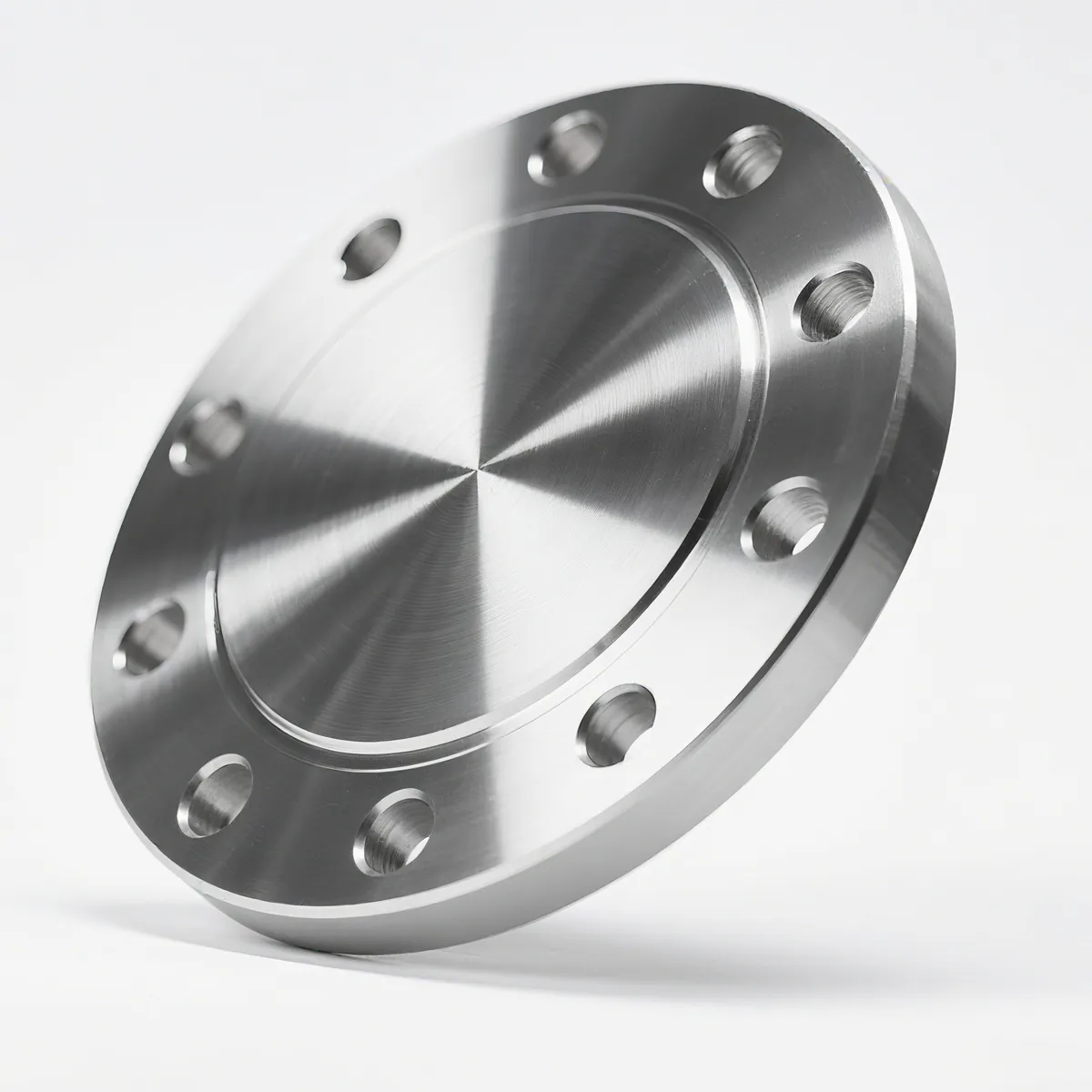
Discover secure pipeline sealing solutions with HEBEI JIUYUAN
 Albanian
 Arabic
 Armenian
 Azerbaijani
 Belarusian
 Bengali
 Bulgarian
 Croatian
 Czech
 Danish
 Dutch
 Esperanto
 Finnish
 French
 German
 Greek
 Hebrew
 Hungarian
 Indonesian
 Irish
 Italian
 Japanese
 Khmer
 Korean
 Kyrgyz
 Lao
 Latin
 Lithuanian
 Malay
 Myanmar
 Norwegian
 Persian
 Polish
 Portuguese
 Romanian
 Russian
 Serbian
 Slovak
 Slovenian
 Spanish
 Swedish
 Tagalog
 Thai
 Turkish
 Turkmen
 Uzbek
 Vietnamese
 Zulu
 English


