


Understanding Long Elbow 3/4 Pipe Fittings: A Comprehensive Guide
When designing and constructing piping systems, the correct fittings are critical for ensuring leak-proof and efficient operation. Long elbow 3/4 fittings are a specific type of elbow used in various applications, offering advantages in certain scenarios. This article dives deep into what long elbows 3/4 are, their benefits, applications, material options, and how to choose the right one for your project. Proper selection ensures optimal performance and longevity of your piping infrastructure.
What Exactly is a Long Elbow 3/4?
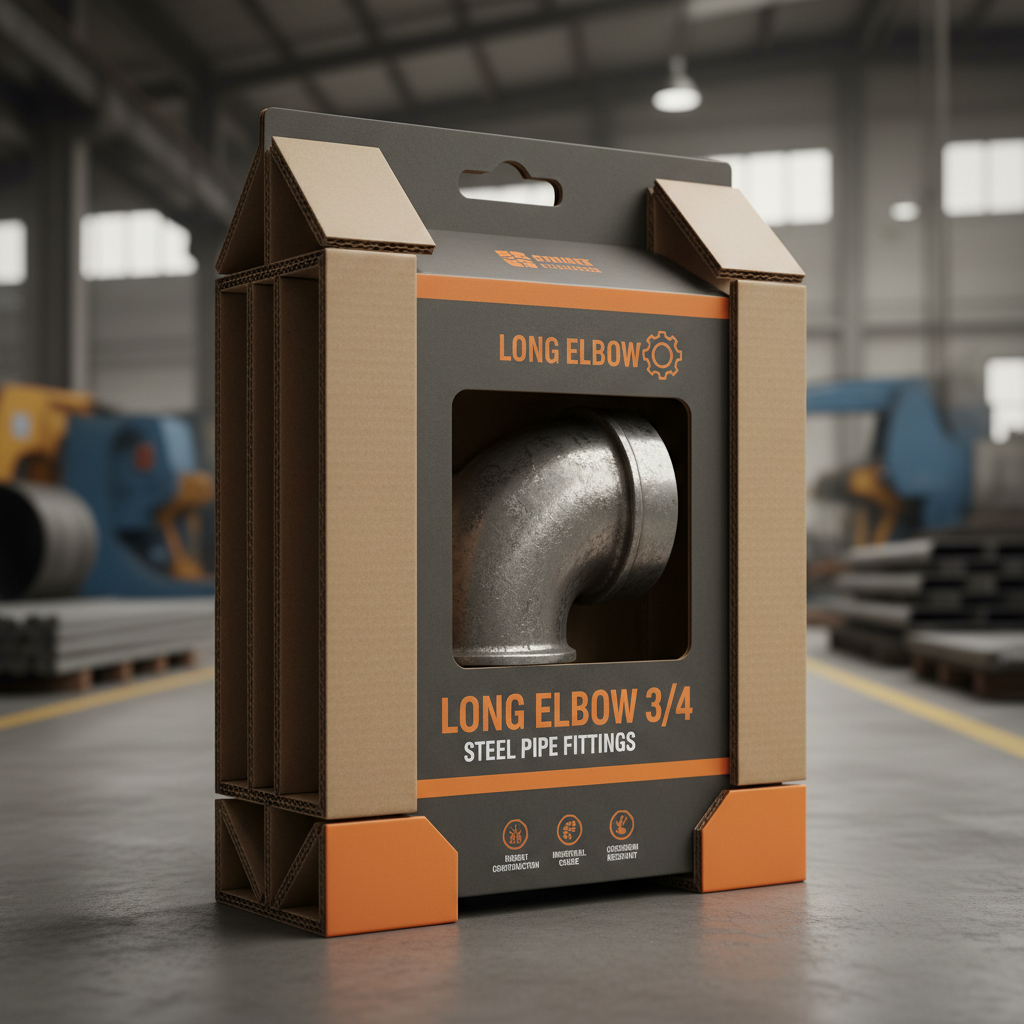
A long elbow 3/4 is a pipe fitting that creates a 90-degree change in direction in a pipeline. The “3/4” refers to the nominal pipe size, meaning it’s designed to connect to pipes with a ¾ inch inner diameter. The “long” designation indicates that the elbow has a longer radius or sweep than a standard elbow. This extended length offers several advantages, including reduced turbulence and lower pressure drop within the fluid flowing through the system. HBJY Pipeline offers a wide selection of long elbow 3/4 fittings to meet diverse needs.
Key Highlights: Long elbows reduce turbulence, lower pressure drop, and are ideal for fluids requiring gentle flow. They offer greater strength due to their extended design.
Long Elbow 3/4 vs. Standard Elbow 3/4: A Comparative Look
The key difference between long and standard elbows lies in their radius. Long elbows have a larger radius, leading to smoother flow. This is especially important for fluids containing solids or sensitive materials. Standard elbows are more compact but can cause more turbulence and potential erosion over time. Choosing between the two depends on the specific application and fluid characteristics.
Comparative Benefits:
• Long Elbows: Smoother flow, reduced turbulence, lower pressure drop, suitable for sensitive fluids.
• Standard Elbows: More compact, lower cost, suitable for less demanding applications.
Common Materials Used in Long Elbow 3/4 Construction
Long elbow 3/4 fittings are available in a variety of materials, each with its own strengths and weaknesses. Common materials include:
- Carbon Steel: Economical and strong, often used for water and gas lines. Requires corrosion protection.
- Stainless Steel: Highly corrosion-resistant, ideal for food processing, pharmaceuticals, and chemical applications.
- PVC (Polyvinyl Chloride): Lightweight, corrosion-resistant, and cost-effective, commonly used for irrigation and drainage.
- CPVC (Chlorinated Polyvinyl Chloride): Similar to PVC but can handle higher temperatures and pressures.
- Brass: Durable and corrosion-resistant, often used for potable water systems.
Applications of Long Elbow 3/4 Fittings
Long elbows 3/4 are utilized in a wide range of industries and applications, including:
- Plumbing Systems: Residential and commercial plumbing for water supply and drainage.
- HVAC Systems: Connecting ductwork and refrigerant lines.
- Industrial Processing: Chemical processing, food and beverage production, and pharmaceutical manufacturing.
- Irrigation Systems: Delivering water to crops and landscapes.
- Fire Sprinkler Systems: Directing water flow to fire suppression heads.
Choosing the Right Long Elbow 3/4 for Your Project
Selecting the appropriate long elbow 3/4 requires careful consideration of several factors:
Conclusion: Investing in Quality Fittings
Choosing the right long elbow 3/4 fitting is crucial for the efficiency and longevity of your piping system. Considering factors like fluid type, temperature, pressure, and connection type will ensure optimal performance and prevent costly issues down the line. HBJY Pipeline provides a diverse range of high-quality fittings to meet your specific needs.
Frequently Asked Questions (FAQs)
What are the benefits of using a long elbow over a standard elbow?
Long elbows offer reduced turbulence and lower pressure drop, resulting in more efficient fluid flow. This is especially important for systems handling viscous fluids or those containing particles. The longer radius also minimizes erosion and wear on the piping system. They're generally preferred when maintaining flow rate and minimizing energy loss are critical.
What is the pressure rating for HBJY Pipeline’s 3/4 inch long elbows?
The pressure rating for our 3/4 inch long elbows varies depending on the material. Carbon steel elbows typically have a higher pressure rating than PVC or CPVC elbows. Please refer to the individual product specifications on our website, www.hbjypipeline.com, or contact our technical support team for detailed information.
How do I properly install a long elbow 3/4 fitting?
Proper installation depends on the connection type (threaded, welded, etc.). For threaded connections, ensure the threads are clean and use a suitable pipe sealant. For welded connections, follow proper welding procedures and ensure a strong, leak-proof weld. Always follow the manufacturer's instructions and local plumbing codes. It's crucial to support the pipe adequately to prevent stress on the fitting.
Are long elbows compatible with different pipe materials?
Compatibility depends on the elbow and pipe materials. For example, a PVC elbow is typically used with PVC pipe. Stainless steel elbows are often compatible with various pipe materials, including steel, copper, and some plastics. It’s essential to verify compatibility to avoid corrosion or connection failure. Refer to material compatibility charts and consult with a piping specialist if you are unsure.
-
 Nov. 06, 2025
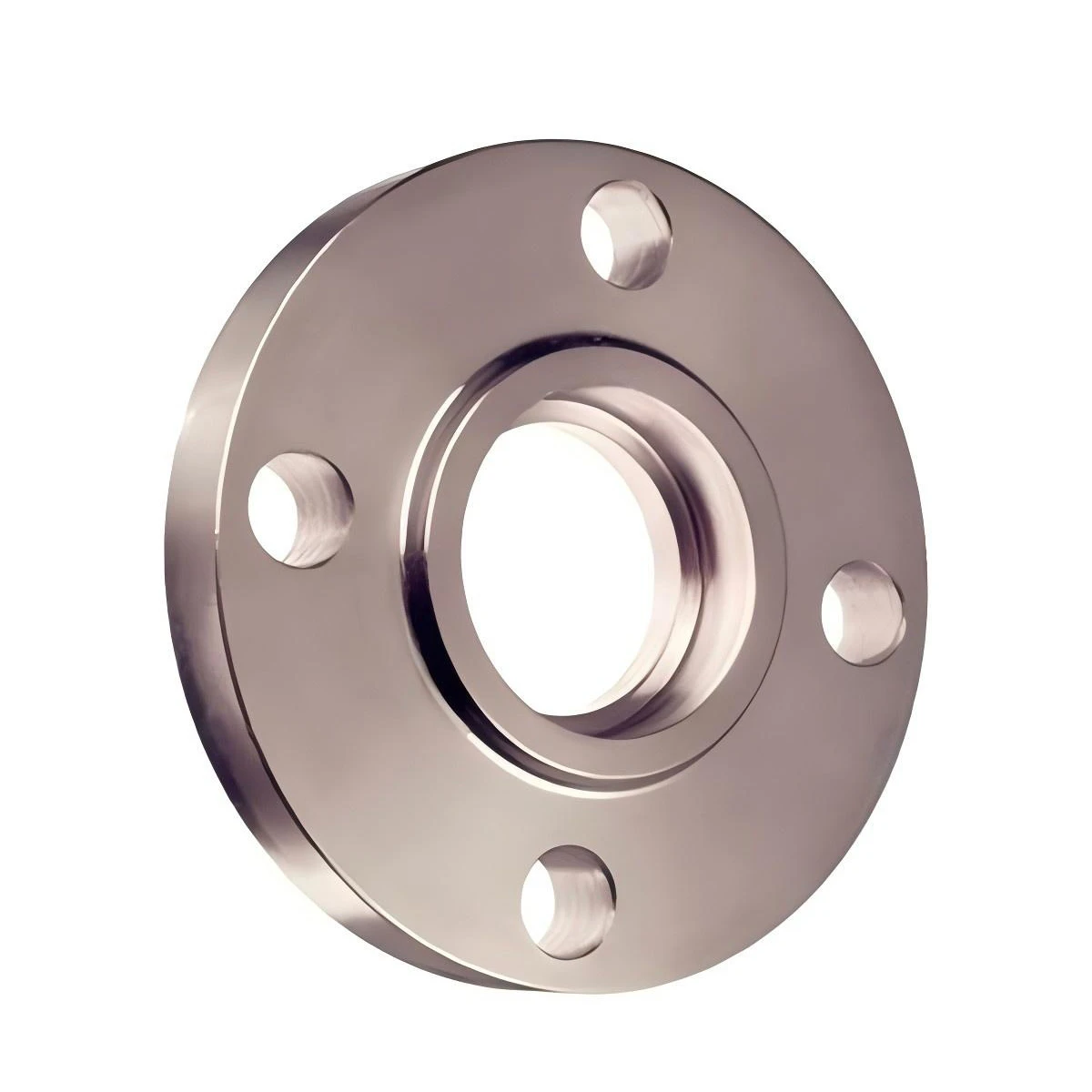
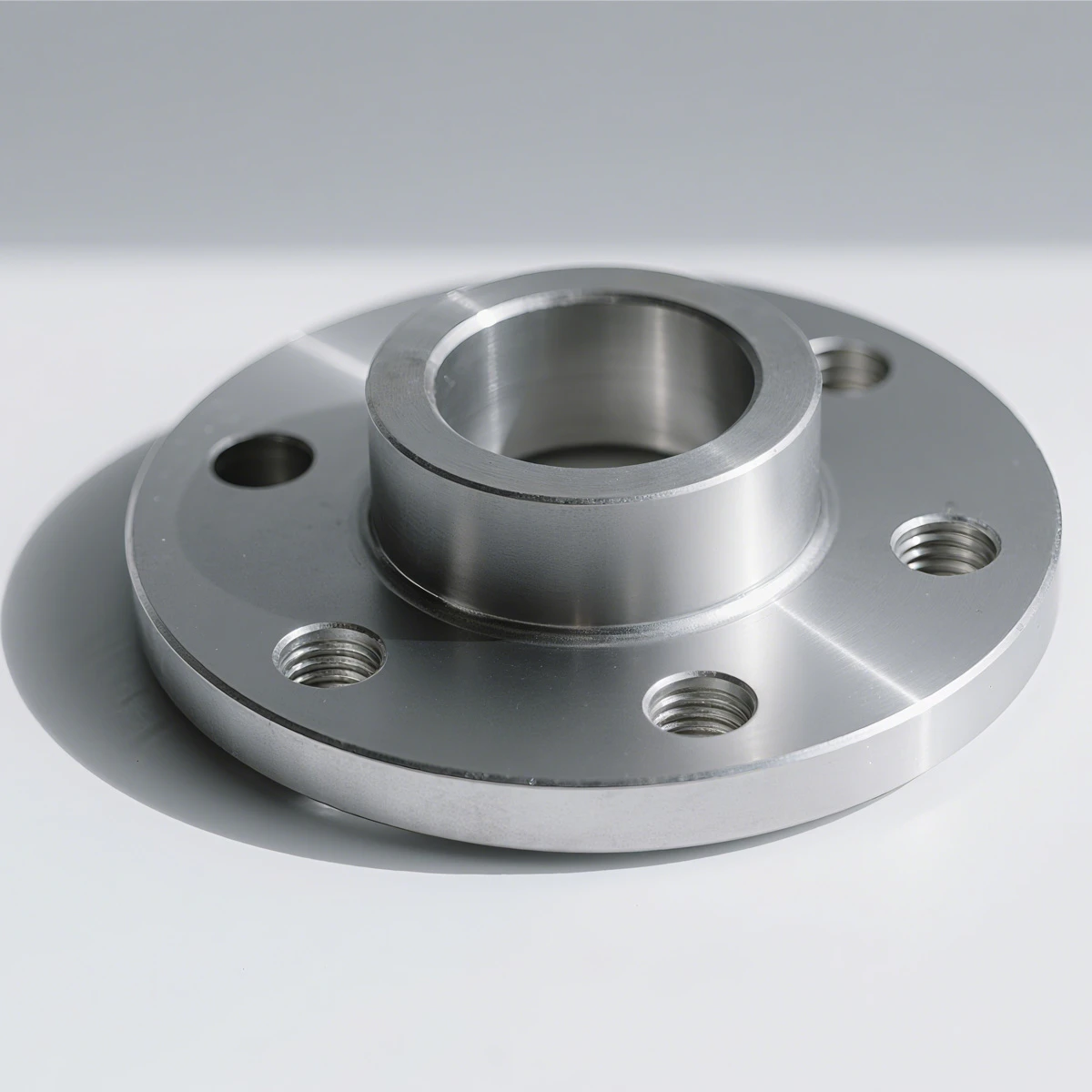
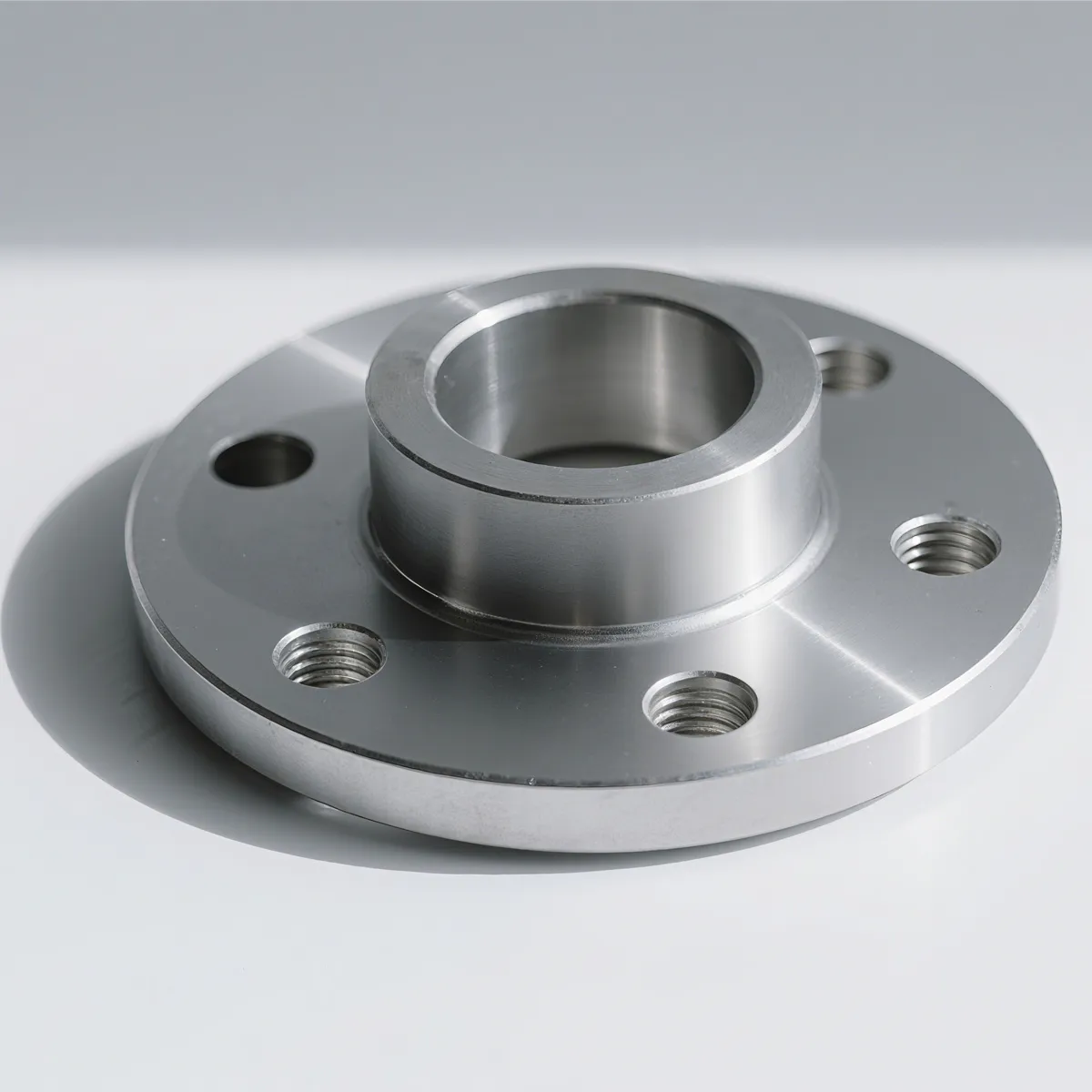
Precision-forged long neck flange for high-pressure, leak-free piping. ASME/ANSI sizes, NACE compliant, corrosion-resistant. Ideal for oil & gas, petrochemical, power, cryogenic. Get a quote.
-
 Dec. 11, 2025
Discover the benefits and technical details of black water pipe fittings from HBJY Pipeline. Ideal for B2B industrial applications requiring reliability, cost-effectiveness, and sustainability.
 Albanian
 Arabic
 Armenian
 Azerbaijani
 Belarusian
 Bengali
 Bulgarian
 Croatian
 Czech
Czech
 Danish
 Dutch
Dutch
 Esperanto
 Finnish
 French
 German
 Greek
Greek
 Hebrew
 Hungarian
 Indonesian
 Irish
Irish
 Italian
 Japanese
 Khmer
Khmer
 Korean
 Kyrgyz
 Lao
Lao
 Latin
Latin
 Lithuanian
 Malay
Malay
 Myanmar
 Norwegian
 Persian
 Polish
 Portuguese
 Romanian
 Russian
 Serbian
 Slovak
 Slovenian
 Spanish
 Swedish
 Tagalog
 Thai
Thai
 Turkish
 Turkmen
 Uzbek
Uzbek
 Vietnamese
 Zulu
Zulu
 English


