




Introduction to High-Performance Pipe Caps for Industrial Applications
In demanding industrial environments, the integrity of piping systems is paramount. Essential for sealing, protection, and redirection, pipe caps play a critical role. These seemingly simple components are engineered to prevent ingress of contaminants, maintain internal pressure, and provide a secure, long-term closure for various pipelines. From critical infrastructure in petrochemical plants to municipal water supply networks, the selection and deployment of the correct pipe end cap are pivotal for operational efficiency, safety, and system longevity. This comprehensive guide delves into the technical aspects, applications, and strategic considerations for selecting high-quality caps for your projects, ensuring compliance with global standards and superior performance.
Industry Trends in Pipe Cap Manufacturing and Application
The market for industrial pipeline components, including pipe caps, is continuously evolving, driven by global infrastructure development, stringent safety regulations, and the demand for enhanced material performance. Key trends include:
- Advanced Material Science: Increasing adoption of exotic alloys (e.g., Duplex, Super Duplex Stainless Steel, Nickel Alloys) to withstand extreme temperatures, pressures, and highly corrosive media, moving beyond traditional carbon steel and standard stainless steel grades. This addresses the needs of sectors like offshore oil & gas and chemical processing.
- Digitalization and Automation: Integration of Industry 4.0 principles in manufacturing, leading to automated production lines, AI-driven quality control, and real-time data analytics for process optimization. This enhances precision, reduces lead times, and ensures consistent quality for every pipe end cap.
- Sustainability and Lifecycle Management: A growing emphasis on environmentally friendly manufacturing processes, energy-efficient production, and products designed for extended service life and recyclability. This includes reducing waste and optimizing material usage during the fabrication of tube end caps.
- Enhanced Traceability and Compliance: Demand for full material traceability (MTRs), comprehensive quality assurance documentation, and adherence to international standards like ISO 15156 (NACE MR0175) for sour service applications, ensuring every component meets rigorous specifications.
- Customization and Specialty Products: A shift towards bespoke solutions for unique project requirements, including specialized coatings, complex geometries, and custom-fabricated sizes, moving beyond standard dimensions like the common 2 3/8 pipe caps.
These trends reflect an industry-wide commitment to delivering components that not only meet but exceed the performance expectations of modern industrial infrastructure, providing robust and reliable closures for diverse piping systems globally.
Detailed Manufacturing Process of Pipe Caps
The manufacturing of industrial pipe caps is a multi-stage process requiring precision, material integrity, and strict adherence to engineering standards. Our process ensures the production of highly durable and reliable components suitable for various demanding applications.
1. Material Selection and Preparation
We utilize a range of high-grade materials, including Carbon Steel (ASTM A234 WPB, WPC), Stainless Steel (ASTM A403 WP304/304L, WP316/316L, WP321, WP347), Alloy Steel (ASTM A234 WP1, WP5, WP9, WP11, WP22, WP91), and Duplex/Super Duplex Stainless Steel (ASTM A815 UNS S31803, S32750, S32760). Raw materials are sourced from certified mills, undergoing initial spectral analysis to verify chemical composition and mechanical properties.
Initial stock: Seamless or welded pipe sections are cut to precise lengths, ensuring sufficient material for forming and finishing processes.
2. Forming Processes
- Hot Forming (Deep Drawing/Pressing): For larger diameter and thicker-walled caps, pre-cut pipe sections are heated to specific temperatures (e.g., 900-1100°C for carbon steel) in induction furnaces. This plasticity allows the material to be drawn or pressed into the desired cap shape using powerful hydraulic presses and specialized dies. This method ensures uniform thickness distribution and superior mechanical properties.
- Cold Forming: Smaller diameter or thinner-walled caps can be cold-formed using specialized tooling. While offering greater dimensional accuracy, this process can induce work hardening, necessitating subsequent heat treatment.
- Forging: For critical applications requiring maximum strength and impact resistance, some tube end caps are produced via forging. This involves deforming metal using localized compressive forces, shaping it through dies while hot. This refines grain structure, enhancing strength and toughness.
- CNC Machining: For highly precise or complex geometries, particularly for custom fittings or 2 3/8 pipe caps, CNC machining is employed. This removes material from a solid block or a pre-formed cap to achieve exact dimensions and surface finishes.
3. Heat Treatment
Post-forming, heat treatment is critical to relieve internal stresses, restore ductility, and achieve desired metallurgical properties. Typical processes include:
- Normalization: For carbon and alloy steels, heating to a specific temperature and air-cooling to refine grain structure and improve toughness.
- Solution Annealing: For stainless steels, heating to a high temperature and rapid quenching to dissolve carbides and restore corrosion resistance.
- Tempering: For hardened alloy steels, heating to a lower temperature to reduce brittleness and improve ductility.
4. Machining and Beveling
Caps undergo machining to achieve precise dimensions, ensure proper fit-up, and create the required end bevels (e.g., according to ASME B16.25 standards) for welding preparation. This includes facing, chamfering, and deburring.
5. Surface Treatment and Coating
Depending on application, caps may receive surface treatments such as sandblasting, pickling, or passivation. Protective coatings like epoxy, galvanization, or specialized anti-corrosion paints are applied to enhance resistance in aggressive environments.
6. Rigorous Quality Control and Testing
Each batch of caps undergoes extensive testing to comply with international standards such as ASME B16.9, ASTM, MSS SP-43, and ISO 9001. Testing procedures include:
- Dimensional Inspection: Verification of dimensions (OD, ID, wall thickness, bevel angle) using precision instruments.
- Visual Inspection: Checking for surface defects, cracks, and laminations.
- Non-Destructive Testing (NDT):
- Ultrasonic Testing (UT): To detect internal flaws and wall thickness variations.
- Radiographic Testing (RT): For volumetric flaw detection in critical areas.
- Magnetic Particle Testing (MT) / Dye Penetrant Testing (PT): For surface and near-surface defect detection.
- Mechanical Testing: Tensile strength, yield strength, impact toughness (Charpy V-notch), and hardness tests.
- Hydrostatic Testing: Although not always required for caps specifically, it's often part of the system-level testing to ensure leak-proof performance.
- Positive Material Identification (PMI): To confirm material alloy composition.

Service Life and Target Industries: Our caps are designed for extended service life, typically exceeding 20-30 years under specified operating conditions, owing to robust materials and manufacturing. They are integral to industries such as Petrochemical, Oil & Gas (onshore/offshore), Power Generation, Metallurgy, Water Supply & Drainage, Chemical Processing, and Shipbuilding. In these scenarios, the emphasis is on corrosion resistance, energy saving (by preventing leaks and maintaining system integrity), and structural stability.
Technical Specifications and Parameters
The performance and compatibility of pipe caps are defined by a comprehensive set of technical specifications. These parameters ensure that the selected cap can safely and effectively meet the operational demands of the piping system.
Standard Pipe Cap Specifications (General)
| Parameter | Description / Standard | Typical Values / Range |
|---|---|---|
| Material Grades | ASTM A234 WPB/WPC, A403 WP304/316, A815 UNS S31803 | Carbon Steel, Stainless Steel, Alloy Steel, Duplex |
| Nominal Pipe Size (NPS) | ANSI/ASME B36.10M / B36.19M | 1/2" to 72" (DN15 to DN1800) |
| Wall Thickness (Schedule) | ASME B36.10M / B36.19M | Sch. 10 to Sch. XXS (e.g., Sch. 40, Sch. 80, Sch. 160) |
| Manufacturing Standards | ASME B16.9 (Buttwelding Fittings) | Dimension, tolerance, material |
| End Connections | ASME B16.25 (Buttwelding Ends) | Beveled end for welding |
| Pressure Ratings | ASME B16.5, ASME B16.34 (Derived from pipe schedule) | Up to 2500# (PN16 to PN420) |
| Temperature Range | Material dependent | -46°C to 593°C (-50°F to 1100°F) for common grades |
| Surface Finish | As per customer requirements / Material standard | Mill finish, shot blasted, painted, galvanized, pickled & passivated |
Understanding these parameters is crucial for engineers and procurement specialists to specify the correct pipe end cap that integrates seamlessly into existing or new pipeline infrastructure, ensuring optimal system performance and regulatory compliance.

Application Scenarios and Technical Advantages
The versatility and robust design of pipe caps make them indispensable across a multitude of industrial applications. Their primary function is to provide a leak-proof closure, protecting the pipeline system from various external and internal threats. The technical advantages they offer are critical for operational safety and longevity.
Key Application Scenarios:
- Temporary Pipe End Closure: During construction, maintenance, or storage, caps prevent debris, moisture, or foreign objects from entering the pipe, safeguarding internal cleanliness.
- Permanent System Termination: In situations where a pipeline or branch line needs to be permanently sealed, a welded pipe cap provides a robust and leak-proof solution, ideal for dead ends in processing plants or water distribution systems.
- Pressure Containment: Essential for systems transporting fluids or gases under pressure, a strong tube end cap ensures containment, preventing hazardous leaks and maintaining system integrity.
- Protection During Transport: Caps protect pipe ends from damage during transit and handling, minimizing costly repairs and ensuring proper fit-up at installation sites.
- Instrumentation Ports: In some configurations, caps can be modified to serve as temporary access points for instrumentation or testing, later sealed permanently.
- Specific Sizes: For unique requirements, such as a 2 3/8 pipe cap, these are vital for maintaining system coherence.
Technical Advantages:
- Superior Sealing Capability: Designed for full penetration welding, our caps create a hermetic seal that withstands high pressures and vacuums, preventing any leakage of media.
- Corrosion and Erosion Resistance: Manufactured from specific material grades, they offer exceptional resistance to corrosive chemicals, abrasive slurries, and extreme temperatures, extending the life of the pipeline in harsh environments.
- High Mechanical Strength: Through advanced forming processes and controlled heat treatment, caps possess high tensile strength, yield strength, and impact resistance, ensuring structural integrity under mechanical stress and vibration.
- Dimensional Accuracy: Adherence to ASME B16.9 and other international standards guarantees precise dimensions and consistent bevel preparations, facilitating easy and reliable welding, reducing installation time and costs.
- Temperature Versatility: Depending on the chosen material, caps can perform reliably across a broad spectrum of temperatures, from cryogenic applications to high-heat process lines.
- Cost-Effectiveness and Energy Saving: By preventing leaks, system downtime, and ensuring efficient fluid transfer, high-quality caps contribute to significant long-term cost savings and improved energy efficiency.
- Enhanced Safety: Robust and reliable caps are a crucial safety feature, preventing catastrophic failures, protecting personnel, and minimizing environmental impact in hazardous fluid transport systems.
Vendor Comparison: Selecting the Right Partner for Pipe Caps
Choosing a reliable vendor for industrial pipe caps is as critical as selecting the product itself. The supplier's capabilities, quality control, and customer support directly impact project timelines, budget, and operational reliability. Here's a comparison highlighting key attributes that differentiate leading manufacturers:
| Feature Category | Leading Manufacturer (e.g., HBJY Pipeline) | Standard Vendor |
|---|---|---|
| Material Certifications | Full MTRs (Material Test Reports) conforming to EN 10204 3.1 or 3.2, ensuring complete traceability and chemical/mechanical property verification. | Basic certifications, often 2.1 or 2.2, with less granular data or incomplete traceability. |
| Quality Assurance (QA/QC) | ISO 9001 certified, comprehensive in-house NDT capabilities (UT, RT, MT, PT), third-party inspection readiness, stringent dimensional control. | Limited QA/QC protocols, often relying on outsourced NDT, potentially less consistent quality control. |
| Product Range & Customization | Extensive inventory (1/2" to 72"), broad material grades, capabilities for custom sizes, unusual wall thicknesses, specific coatings, and engineered-to-order solutions. | Standard sizes (e.g., up to 24"), common materials, limited capacity for specialized orders or custom fabrication like unique 2 3/8 pipe caps. |
| Technical Expertise | Dedicated engineering team, metallurgical support, design consultation, application-specific recommendations, strong knowledge of international codes. | Limited technical support, primarily focused on standard product catalog, less guidance for complex projects. |
| Delivery & Logistics | Global logistics network, optimized lead times, robust packaging for international shipping, real-time tracking, reliable on-time delivery. | Localized delivery, longer lead times for non-stock items, less robust packaging, potential for delays. |
| After-Sales Support | Comprehensive warranty, responsive customer service, technical assistance post-delivery, claims resolution efficiency. | Basic warranty, limited after-sales support, potentially slow claims process. |
Partnering with a leading manufacturer like HBJY Pipeline ensures not only high-quality pipe end cap products but also access to unparalleled technical expertise, rigorous quality control, and reliable logistical support, crucial for minimizing project risks and maximizing operational uptime.
Customized Solutions for Unique Project Requirements
While standard pipe caps meet a wide range of industrial needs, many projects encounter unique challenges demanding tailor-made solutions. Our capabilities extend beyond catalog items, providing custom-engineered caps designed to precise specifications, ensuring perfect fit, optimal performance, and compliance with specific project demands.
Areas of Customization:
- Non-Standard Dimensions: Fabrication of caps for pipe diameters outside standard NPS ranges (e.g., very large diameters for specialized infrastructure or miniature sizes for instrumentation) and custom wall thicknesses.
- Exotic Material Grades: Sourcing and manufacturing with specialized alloys such as Titanium, Inconel, Hastelloy, or Monel, required for extremely corrosive or high-temperature/pressure applications in chemical processing or aerospace.
- Special Coatings and Linings: Application of advanced internal or external coatings (e.g., fluoropolymer linings, ceramic coatings, anti-fouling paints) for enhanced corrosion, abrasion, or chemical resistance.
- Unique Geometries and Designs: Manufacturing caps with specific contours, openings, or attachment points (e.g., for sensors, drains, or vents), or specialized end preparations beyond standard bevels.
- Integrated Features: Custom caps can include features like pre-drilled holes for instrumentation, integral lifting lugs for heavy-duty applications, or specific surface finishes for hygienic processes.
- Small Batch Production: For prototype development or niche applications requiring limited quantities of specialized tube end caps, we offer flexible production runs without compromising on quality.
Our engineering team collaborates closely with clients from conceptual design through to final production, utilizing CAD/CAM software and finite element analysis (FEA) to ensure that custom solutions are not only precisely manufactured but also rigorously tested to perform flawlessly in their intended environment.

Application Case Studies: Proving Reliability in Action
Real-world applications demonstrate the critical role and reliable performance of our pipe end cap solutions across diverse industries. These case studies highlight how precision engineering and robust manufacturing translate into operational excellence and extended service life.
Case Study 1: Offshore Oil & Gas Platform Sealing
Challenge: A major offshore platform required reliable sealing for several subsea hydrocarbon transport lines and auxiliary risers. The environment demanded exceptional corrosion resistance, high-pressure tolerance, and resistance to fatigue from constant wave action and seismic stresses. Standard carbon steel caps were deemed insufficient due to the highly corrosive saltwater environment and extreme operating pressures.
Solution: We supplied custom-fabricated pipe caps made from Super Duplex Stainless Steel (UNS S32750), heat-treated for enhanced toughness and stress corrosion cracking resistance. Each cap underwent 100% UT and RT inspection, along with a stringent hydrostatic test to 1.5 times the design pressure. The end preparations were precisely machined to ASME B16.25 standards, ensuring optimal weldability for subsea installation.
Outcome: The Super Duplex caps provided a durable, leak-proof seal, successfully withstanding continuous exposure to corrosive seawater and high internal pressures for over 15 years, significantly exceeding the client’s minimum service life requirement. This prevented costly downtime and environmental risks, proving the material's and manufacturing process's superiority.
Case Study 2: Chemical Processing Plant Expansion
Challenge: An expansion project in a chemical plant involved new lines for highly aggressive acids and solvents at elevated temperatures. The client needed pipe caps for system termination and future expansion points that could resist specific chemical attack while maintaining structural integrity under fluctuating thermal loads. Precise sizing was also critical for existing infrastructure, including some 2 3/8 pipe caps.
Solution: We provided custom alloy steel caps (ASTM A234 WP91 for high-temperature service and ASTM A403 WP316L for acid resistance). For certain areas, specialized internal PFA (perfluoroalkoxy) linings were applied to provide an additional barrier against extremely reactive chemicals. Each cap's dimensional accuracy was verified through laser scanning, ensuring seamless integration with existing piping and reduced installation labor.
Outcome: The customized material and coating strategy resulted in zero reported failures due to chemical corrosion or thermal stress over the past 10 years. The precise fit of the pipe caps minimized welding defects and ensured system integrity, contributing to uninterrupted plant operation and enhanced safety for handling hazardous substances.

Frequently Asked Questions (FAQ)
What is the primary function of a pipe cap?
The primary function of a pipe cap is to seal off the end of a pipe. This can be for permanent termination of a pipeline, temporary closure during construction or maintenance to prevent debris ingress, or for future expansion points in a piping system.
What materials are commonly used for pipe caps?
Common materials include Carbon Steel (e.g., ASTM A234 WPB), Stainless Steel (e.g., ASTM A403 WP304/316), and Alloy Steel (e.g., ASTM A234 WP11/WP22). For highly corrosive or extreme temperature applications, exotic alloys like Duplex Stainless Steel or Nickel Alloys are used.
What standards should pipe caps comply with?
Industrial pipe caps typically comply with ASME B16.9 for dimensions and tolerances, ASTM material specifications (e.g., A234, A403), and sometimes MSS SP-43 for special lightweight fittings. For welding ends, ASME B16.25 standards are followed.
Can you provide custom-sized pipe end caps, such as 2 3/8 pipe caps?
Yes, we specialize in providing customized solutions. While 2 3/8 pipe caps might be considered a standard size for some specific applications (like oilfield tubing), we can manufacture caps to virtually any non-standard dimension, material, or design specification to meet unique project requirements.
Lead Time, Warranty, and Customer Support
Lead Time and Fulfillment
Our commitment to efficient supply chain management ensures competitive lead times for all pipe caps orders. For standard products in common material grades and sizes (up to 24"), we maintain substantial inventory, allowing for shipment within 3-7 business days. For larger diameter, specialty material, or custom-fabricated items, lead times typically range from 2 to 6 weeks, depending on complexity and material availability. We employ robust logistics partners for both domestic and international shipping, ensuring timely and secure delivery. All shipments are meticulously packaged to prevent damage during transit, with full documentation and tracking provided.
Warranty Commitments
We stand behind the quality and durability of our products. All caps are supplied with a comprehensive warranty of 12 months from the date of installation or 18 months from the date of shipment, whichever comes first. This warranty covers manufacturing defects in material and workmanship under normal operating conditions. Our commitment extends to ensuring that every product performs as specified, providing our clients with peace of mind and assurance in their investment.
Dedicated Customer Support
Our relationship with clients extends far beyond delivery. We offer dedicated customer support through a team of experienced professionals and technical engineers. Support includes pre-sales consultation, technical specification assistance, order tracking, and post-sales service for any inquiries or support needs. We are accessible via phone, email, and a dedicated online portal, ensuring prompt and effective resolution to maintain seamless operations for our partners globally. Our goal is to build long-term relationships based on trust, reliability, and unparalleled service.
Authoritative References
- ASME B16.9, "Factory-Made Wrought Buttwelding Fittings." American Society of Mechanical Engineers, 2021.
- ASTM A234/A234M, "Standard Specification for Piping Fittings of Wrought Carbon Steel and Alloy Steel for Moderate and High-Temperature Service." ASTM International, 2023.
- ISO 9001:2015, "Quality management systems - Requirements." International Organization for Standardization, 2015.
- NACE MR0175/ISO 15156, "Petroleum and natural gas industries—Materials for use in H2S-containing environments in oil and gas production." National Association of Corrosion Engineers / International Organization for Standardization, 2021.




-
 Apr. 04, 2026
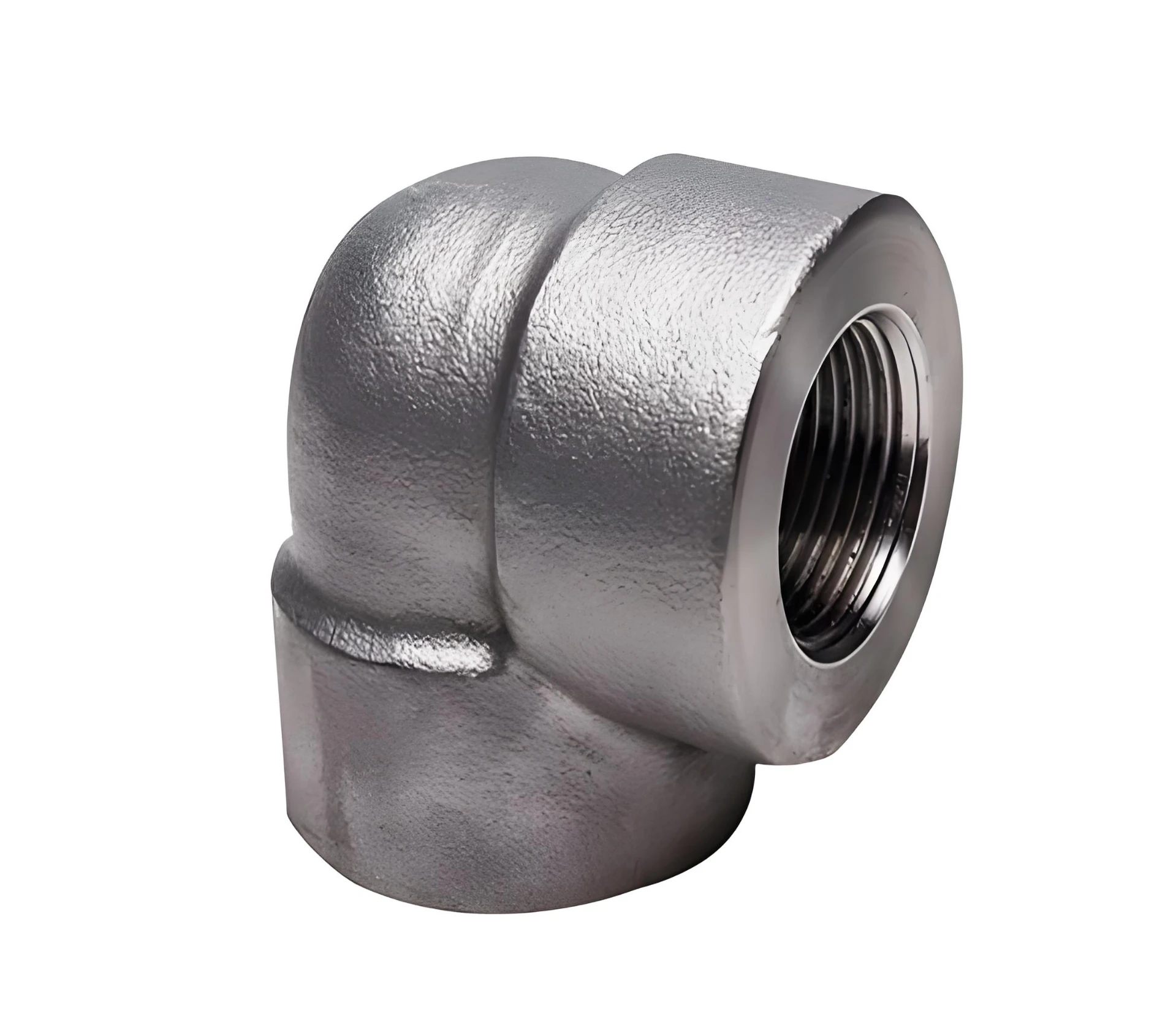
In the world of piping systems, efficient fluid transfer relies heavily on the quality and proper application of fittings. Among these, the 60 degree elbow plays a crucial role in redirecting flow. This article delves into the characteristics, applications, benefits, and selection criteria for 60-degree elbows, providing a comprehensive guide for engineers, procurement specialists, and anyone involved in pipeline design and maintenance. Understanding these fittings is key to preventing leaks, reducing pressure loss, and ensuring the longevity of your piping infrastructure.
-
 Sep. 11, 2025
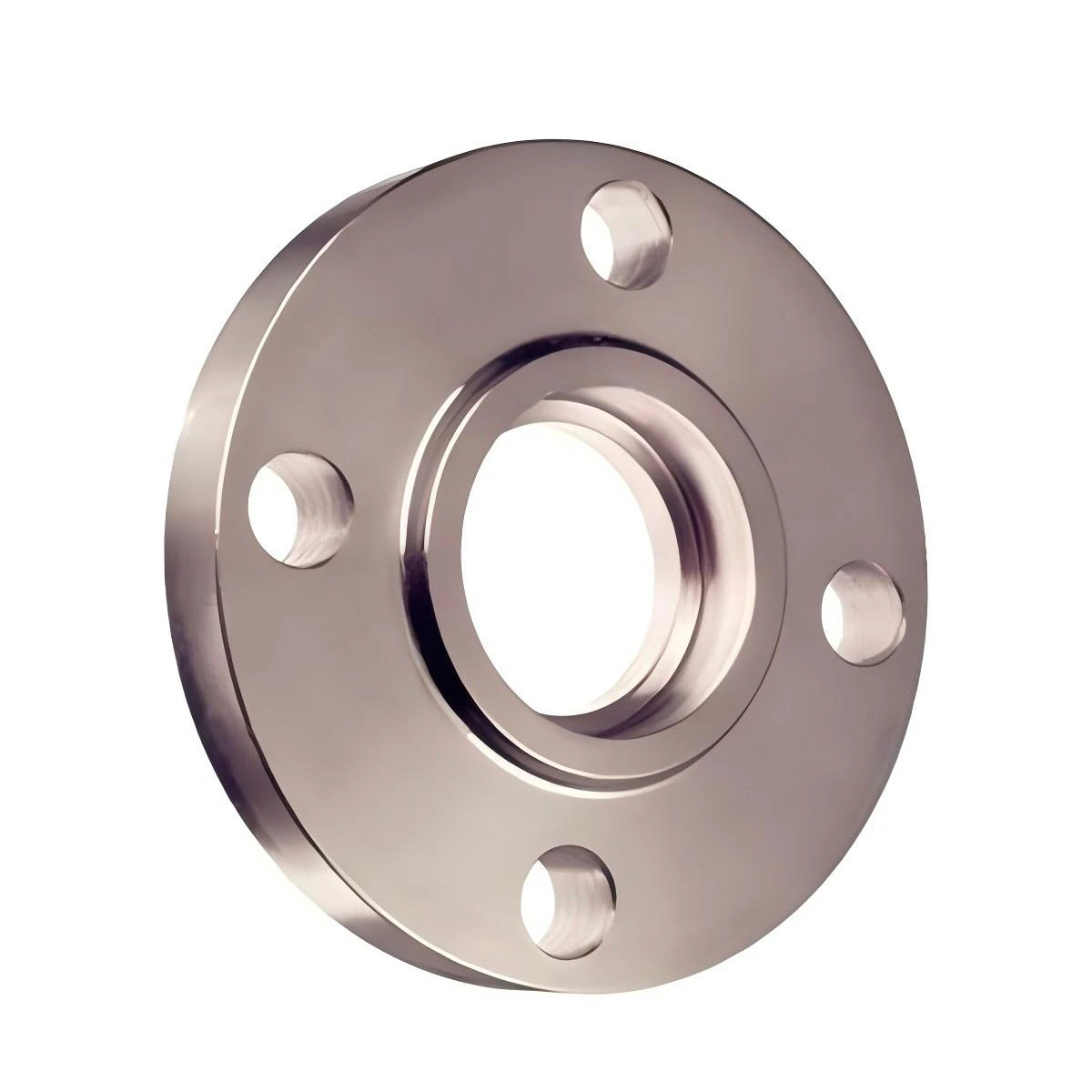
Discover high-pressure sealing and industrial applications of Blind Flange. Advanced material options and international standards ensure HEBEI JIUYUAN PIPELINE MANUFACTURING CO.,LTD quality. Explore now: https://www.hbjypipeline.com/blind-flange.html
 Albanian
 Arabic
 Armenian
 Azerbaijani
 Belarusian
 Bengali
 Bulgarian
 Croatian
 Czech
 Danish
 Dutch
 Esperanto
 Finnish
 French
 German
 Greek
 Hebrew
 Hungarian
 Indonesian
 Irish
 Italian
 Japanese
 Khmer
 Korean
 Kyrgyz
 Lao
 Latin
 Lithuanian
 Malay
 Myanmar
 Norwegian
 Persian
 Polish
 Portuguese
 Romanian
 Russian
 Serbian
 Slovak
 Slovenian
 Spanish
 Swedish
 Tagalog
 Thai
 Turkish
 Turkmen
 Uzbek
 Vietnamese
 Zulu
 English


