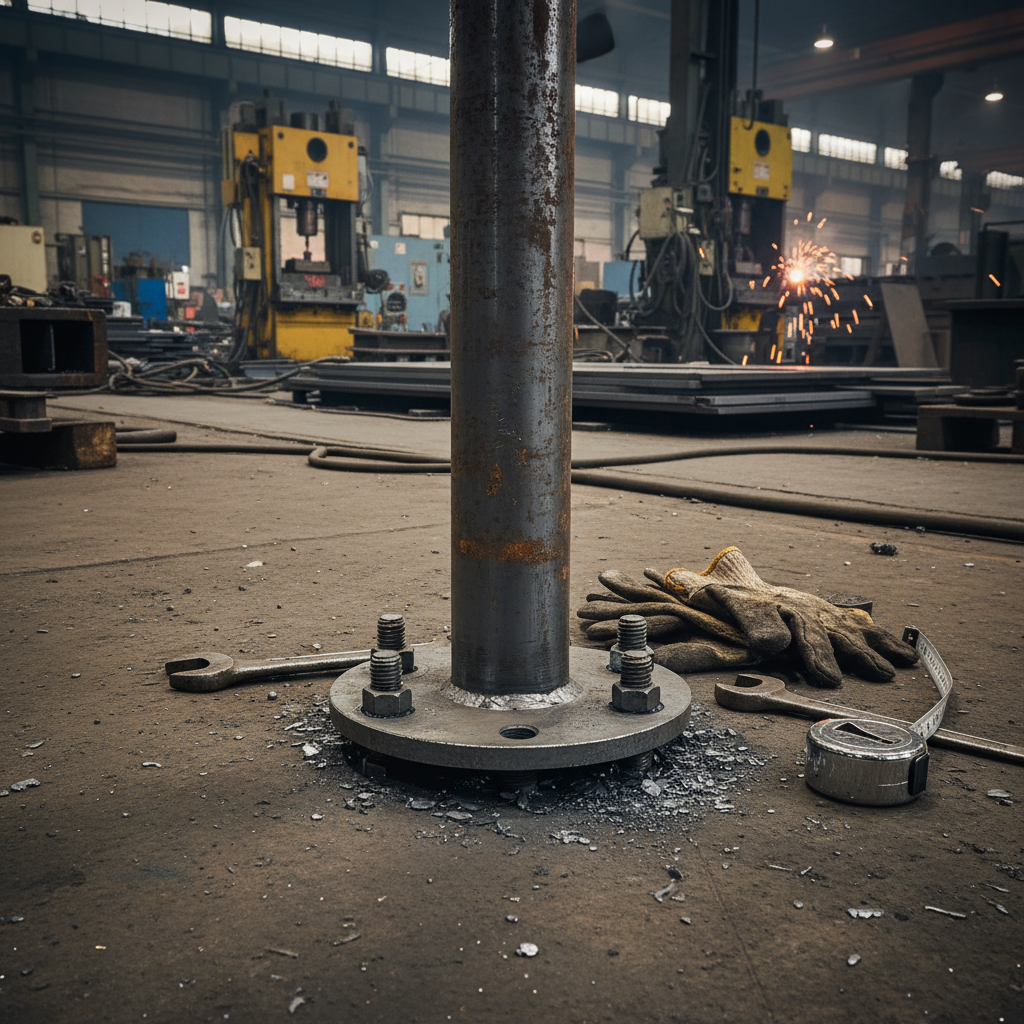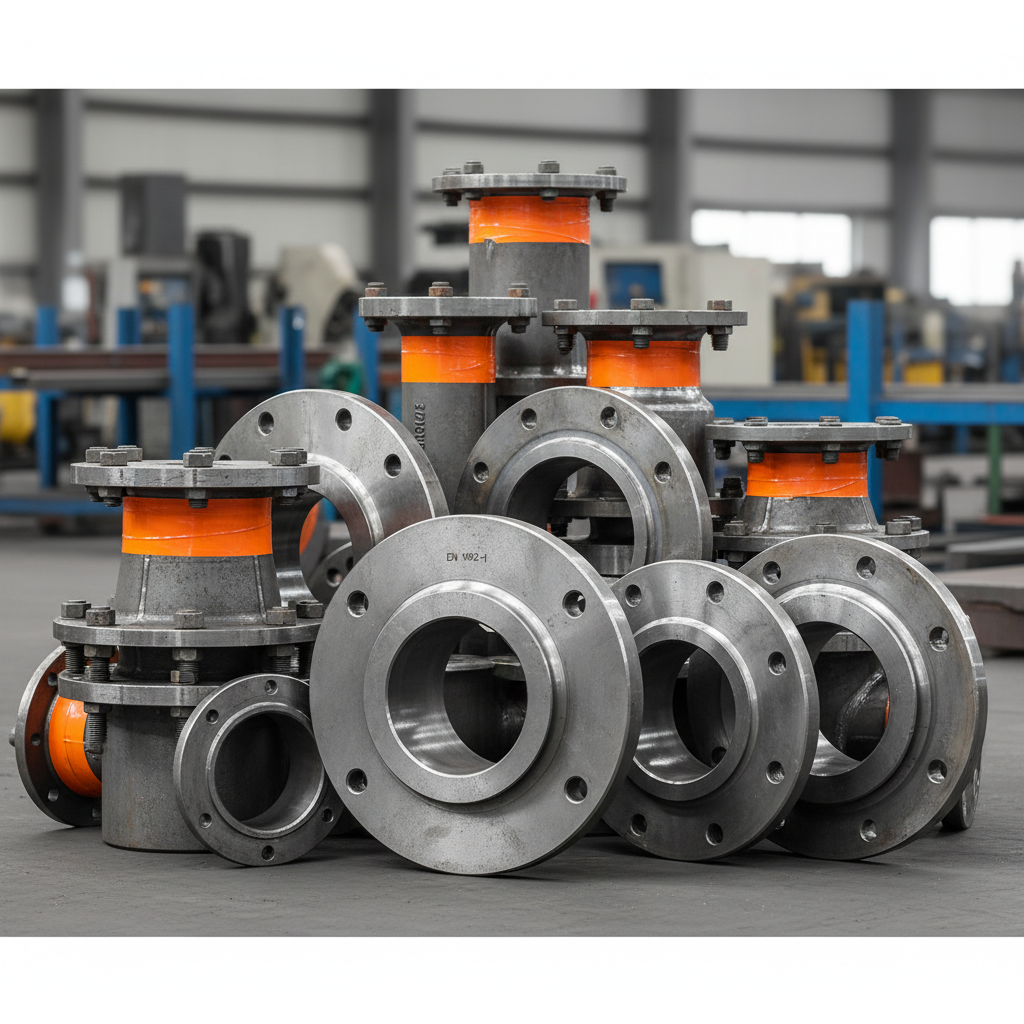
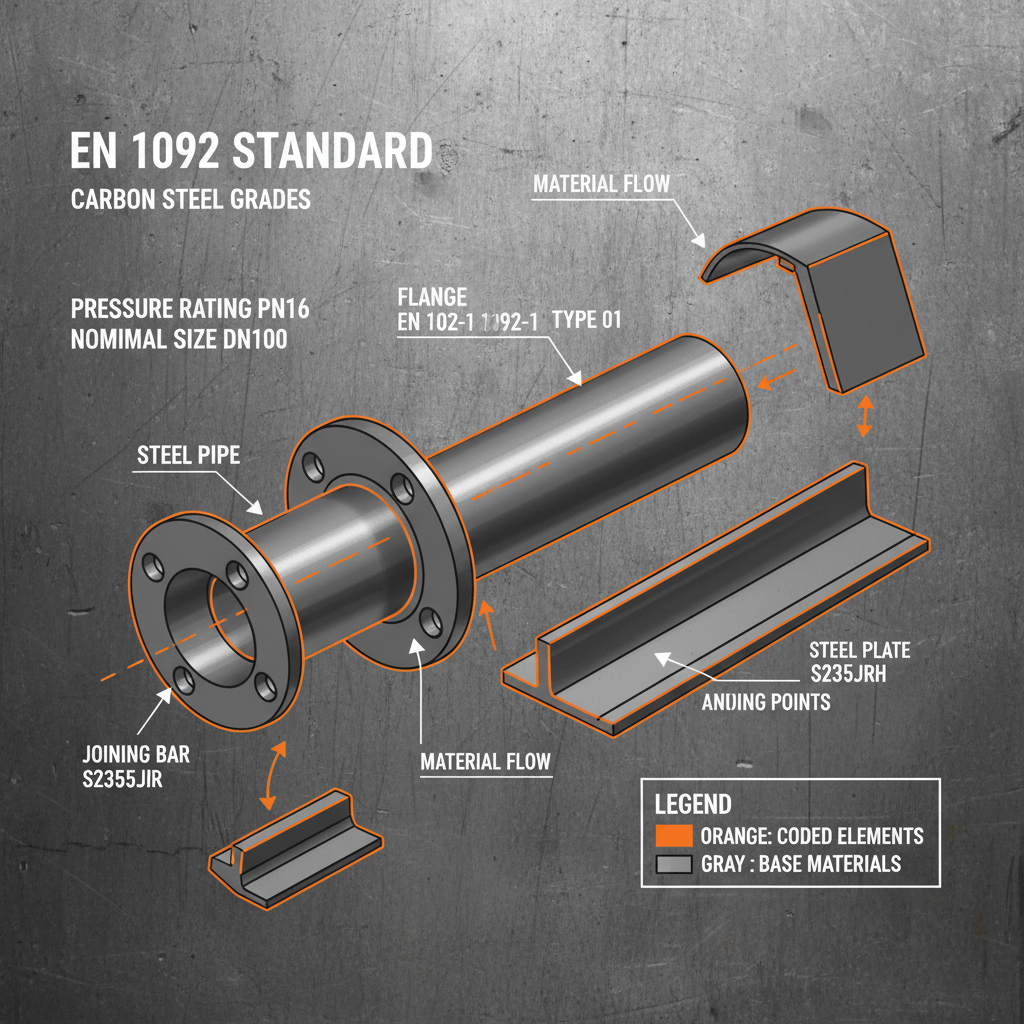
The en1092 standard serves as the cornerstone for flange specifications across the European industrial landscape and beyond, ensuring that pressure vessels and piping systems maintain absolute structural integrity. In an era where industrial efficiency is paramount, adhering to these rigorous European norms allows manufacturers to guarantee a seamless fit and high-pressure resistance for critical infrastructure.
Understanding the nuances of en1092 is not merely a regulatory requirement but a strategic advantage for engineers and procurement specialists. By standardizing dimensions and tolerances, this framework minimizes the risk of leakage and catastrophic failure in hazardous environments, directly impacting the safety of personnel and the longevity of the equipment.
Globally, the shift toward standardized metal pressure vessel manufacturing has emphasized the role of en1092 in facilitating international trade. Whether you are dealing with forged products or cast components, this standard provides a universal language that bridges the gap between design specifications and physical implementation, ensuring reliability across various industrial sectors.
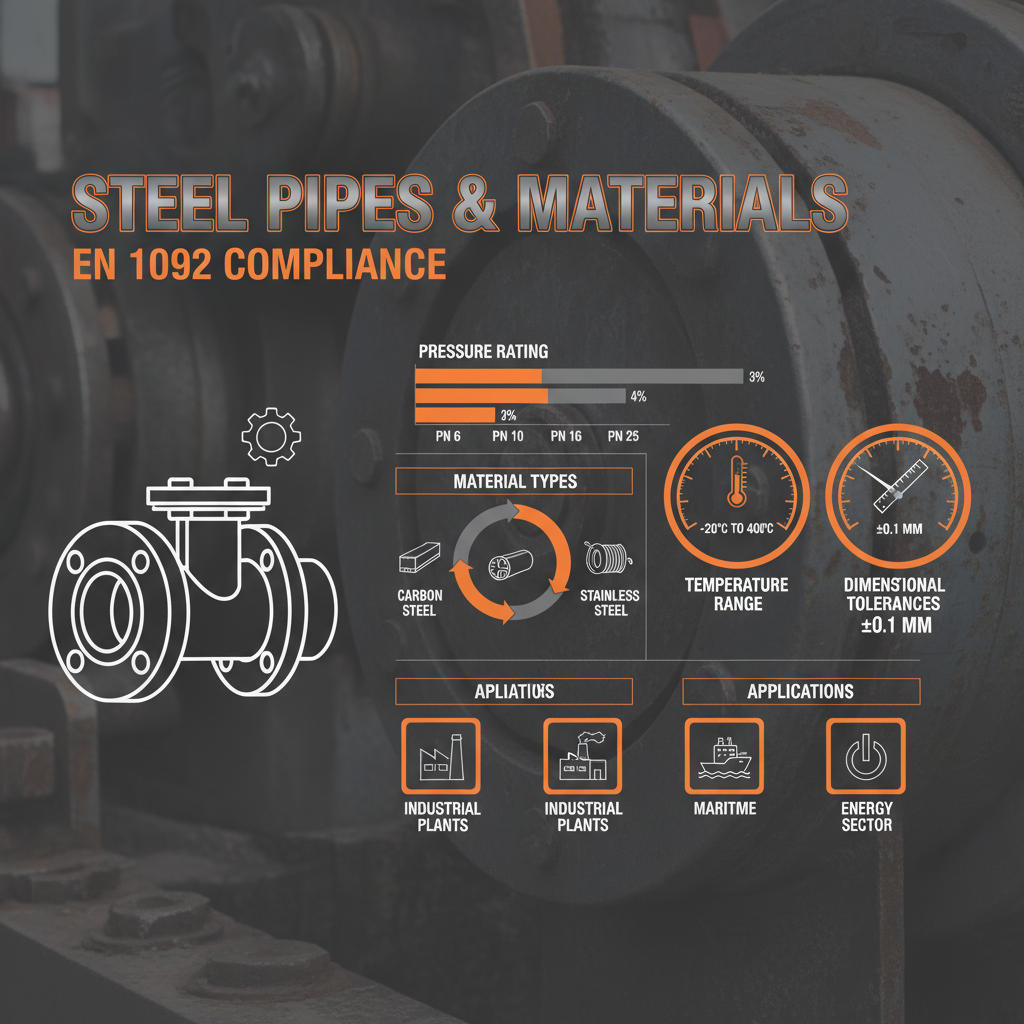
The global industrial sector relies heavily on the standardization of components to maintain safety across borders. The en1092 standard is pivotal in this regard, acting as a blueprint for flanges used in high-pressure environments. From petrochemical plants in the Middle East to pharmaceutical labs in Europe, the adherence to these metrics prevents the costly downtime associated with mismatched components.
Moreover, the integration of en1092 into global supply chains has streamlined the manufacturing of forged products and pipe fittings. By providing clear guidelines on dimensions and pressure ratings, it allows manufacturers to scale production while maintaining a level of precision that meets ISO-adjacent requirements, thereby reducing waste and increasing operational safety.
The primary difference lies in the dimensional standards and pressure ratings. en1092 is a European standard using PN (Pressure Nominal) ratings, whereas ASME uses Class ratings. They are not directly interchangeable; using a PN16 flange with an ASME Class 150 fitting without an adapter can lead to leakage or failure due to different bolt circle diameters and face dimensions.
Choosing the correct PN rating requires analyzing the maximum operating pressure and the temperature of the medium. For instance, PN16 is suitable for lower-pressure water systems, while PN100 is reserved for high-pressure industrial steam. Always refer to the en1092 pressure-temperature tables to ensure the material can handle the stress at its specific operating temperature.
Yes, but the material selection is critical. While en1092 defines the dimensions, the material must be a low-temperature grade, such as stainless steel 304L or 316L, to prevent brittle fracture. The dimensional integrity provided by the standard ensures that the cryogenic seals remain effective even as the metal contracts due to extreme cold.
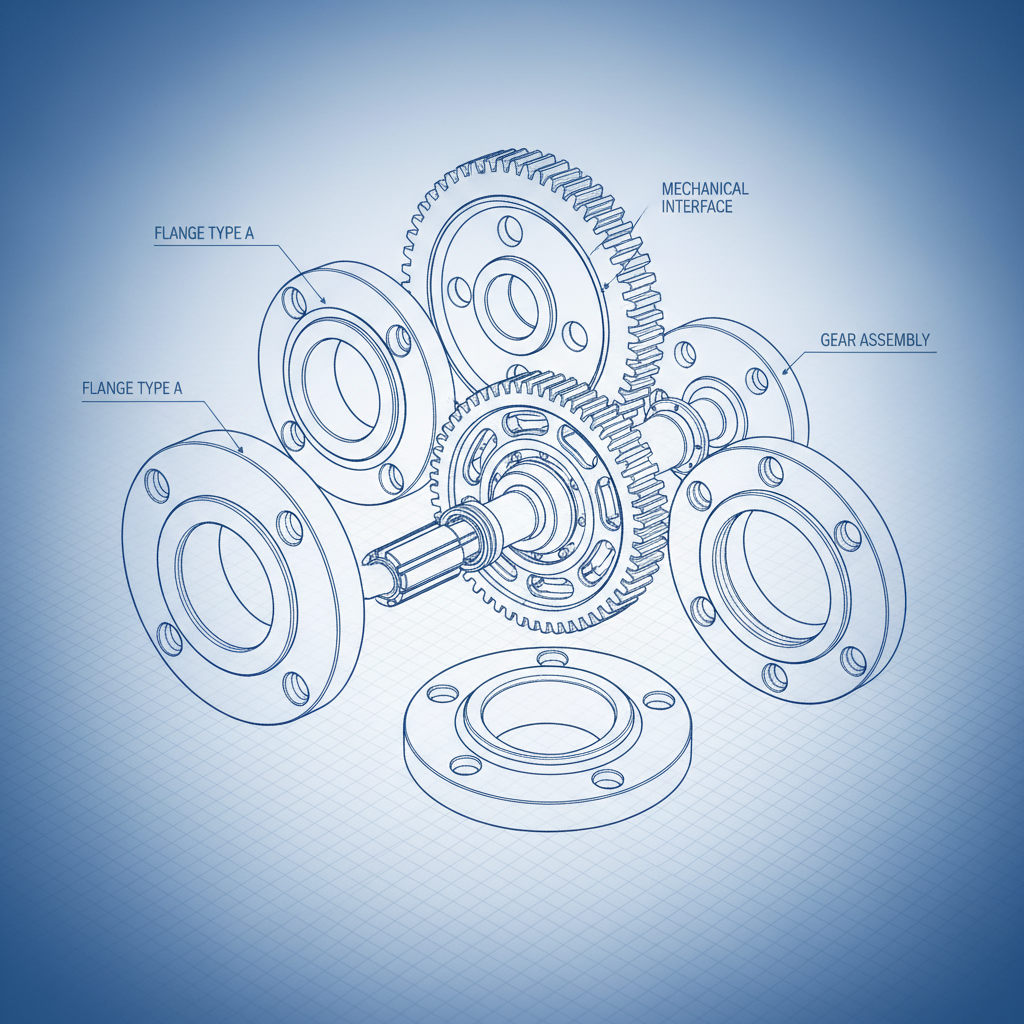
The most common types include Type A (Flat Face) and Type B (Raised Face). Type B is widely used in high-pressure systems because it concentrates the gasket pressure on a smaller area, creating a more effective seal. Selecting the correct face type under en1092 is essential for preventing leaks in hazardous environments.
In most cases, yes. For pressure equipment falling under the Pressure Equipment Directive (PED) in the European Union, adherence to a recognized harmonized standard like en1092 is practically mandatory to ensure safety and obtain the necessary CE marking for the installation.
It simplifies procurement by creating a standardized catalog. Instead of providing detailed custom drawings for every order, a buyer can simply specify "en1092 PN40 Stainless Steel 316L Flange, DN100." This reduces the chance of communication errors and speeds up the lead time for critical forged products.
In summary, the en1092 standard is an indispensable framework that ensures the safety, reliability, and interoperability of flanges and pressure vessel components worldwide. By bridging the gap between technical precision and commercial scalability, it provides a foundation for everything from simple water piping to complex chemical refineries, ensuring that high-pressure systems remain secure and efficient.
Looking forward, the integration of en1092 with new-age materials and digital monitoring will further enhance industrial safety. For companies aiming to compete on a global stage, strict adherence to these standards is not just about compliance—it is about building a legacy of trust and innovation in the metal pressure vessel industry. Visit our website: www.hbjypipeline.com

 Albanian
 Arabic
 Armenian
 Azerbaijani
 Belarusian
 Bengali
 Bulgarian
 Croatian
 Czech
Czech
 Danish
 Dutch
Dutch
 Esperanto
 Finnish
 French
 German
 Greek
Greek
 Hebrew
 Hungarian
 Indonesian
 Irish
Irish
 Italian
 Japanese
 Khmer
Khmer
 Korean
 Kyrgyz
 Lao
Lao
 Latin
Latin
 Lithuanian
 Malay
Malay
 Myanmar
 Norwegian
 Persian
 Polish
 Portuguese
 Romanian
 Russian
 Serbian
 Slovak
 Slovenian
 Spanish
 Swedish
 Tagalog
 Thai
Thai
 Turkish
 Turkmen
 Uzbek
Uzbek
 Vietnamese
 Zulu
Zulu
 English