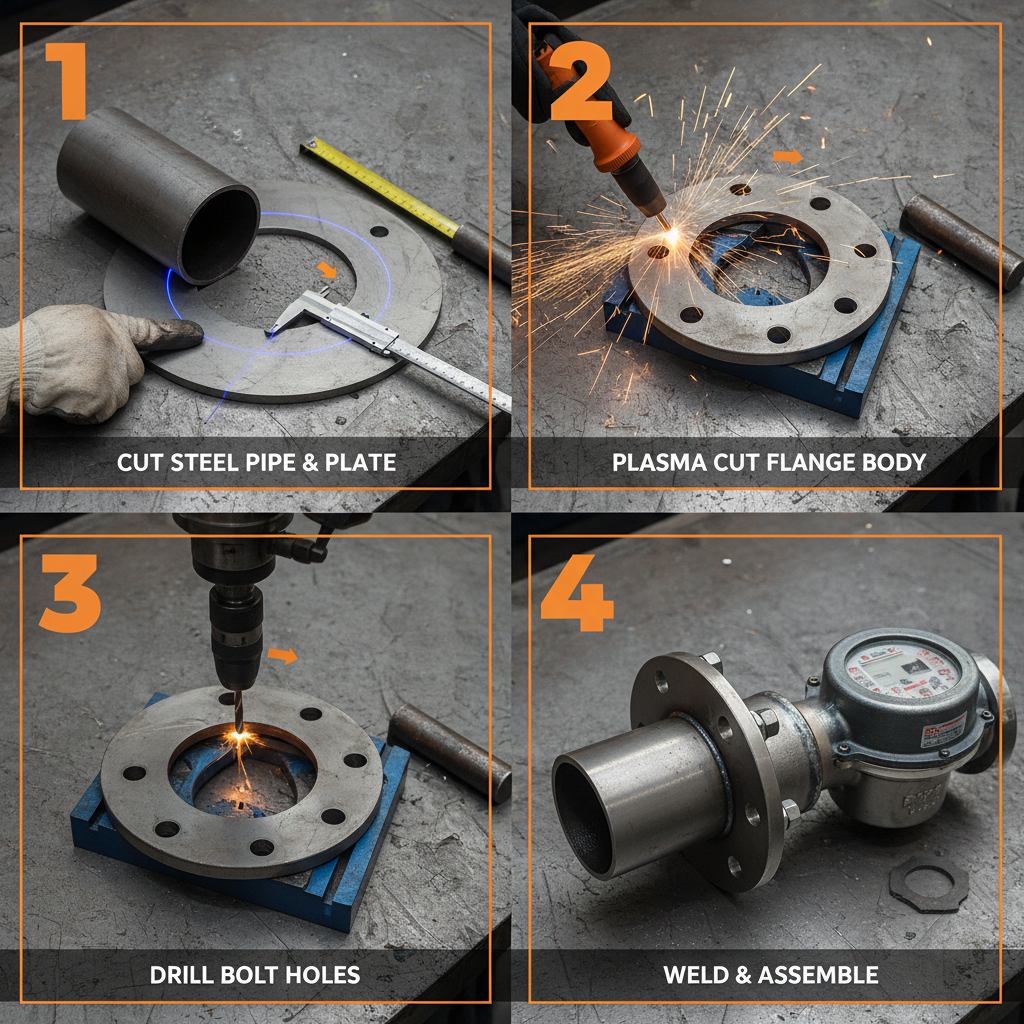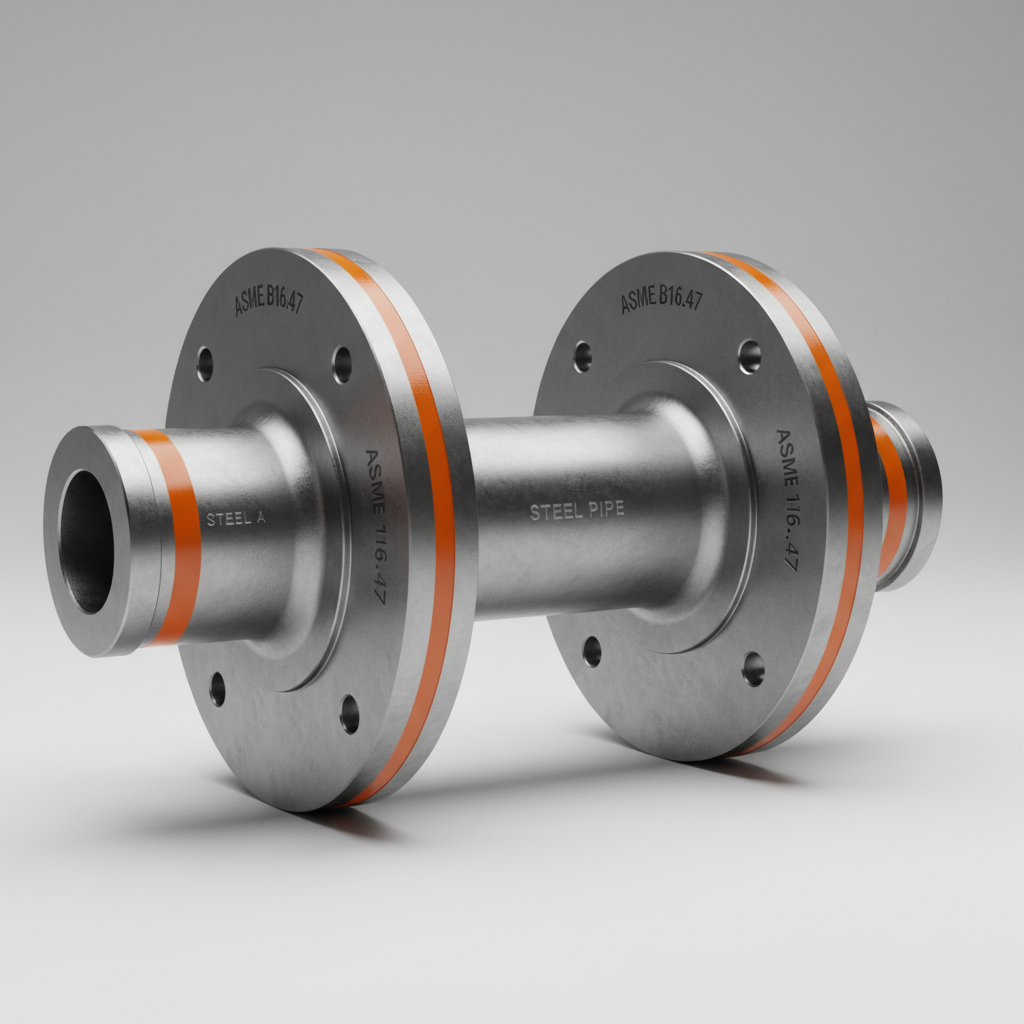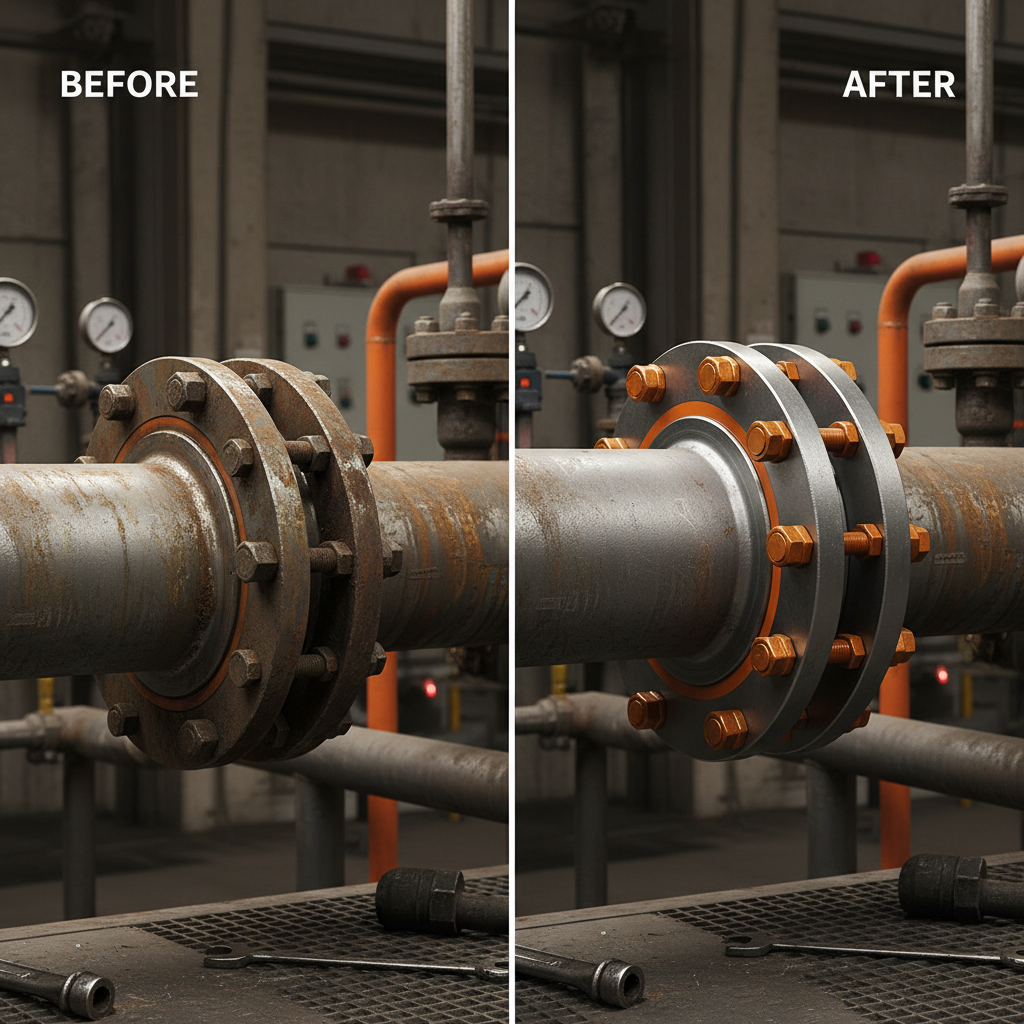
In the sophisticated world of industrial design and piping infrastructure, a decorative pipe flange serves as the critical intersection where structural integrity meets aesthetic precision. While traditional flanges are purely functional, the decorative variant ensures that exposed piping systems in commercial, residential, and high-end industrial spaces maintain a polished, professional appearance without compromising the seal.
The global demand for these specialized components has surged as the "industrial chic" architectural trend permeates modern urban development. From luxury hotel lobbies to high-tech laboratory facilities, the need for a decorative pipe flange is no longer just about hiding rough welds or gaps; it is about integrating the raw power of metal pressure vessel manufacturing into a curated visual experience.
Understanding the nuances of material selection, finishing techniques, and precision fitting is essential for engineers and architects alike. By prioritizing both form and function, the implementation of a high-quality decorative pipe flange reduces the need for costly wall patching and provides a durable, long-term solution for piping termination and transition points.
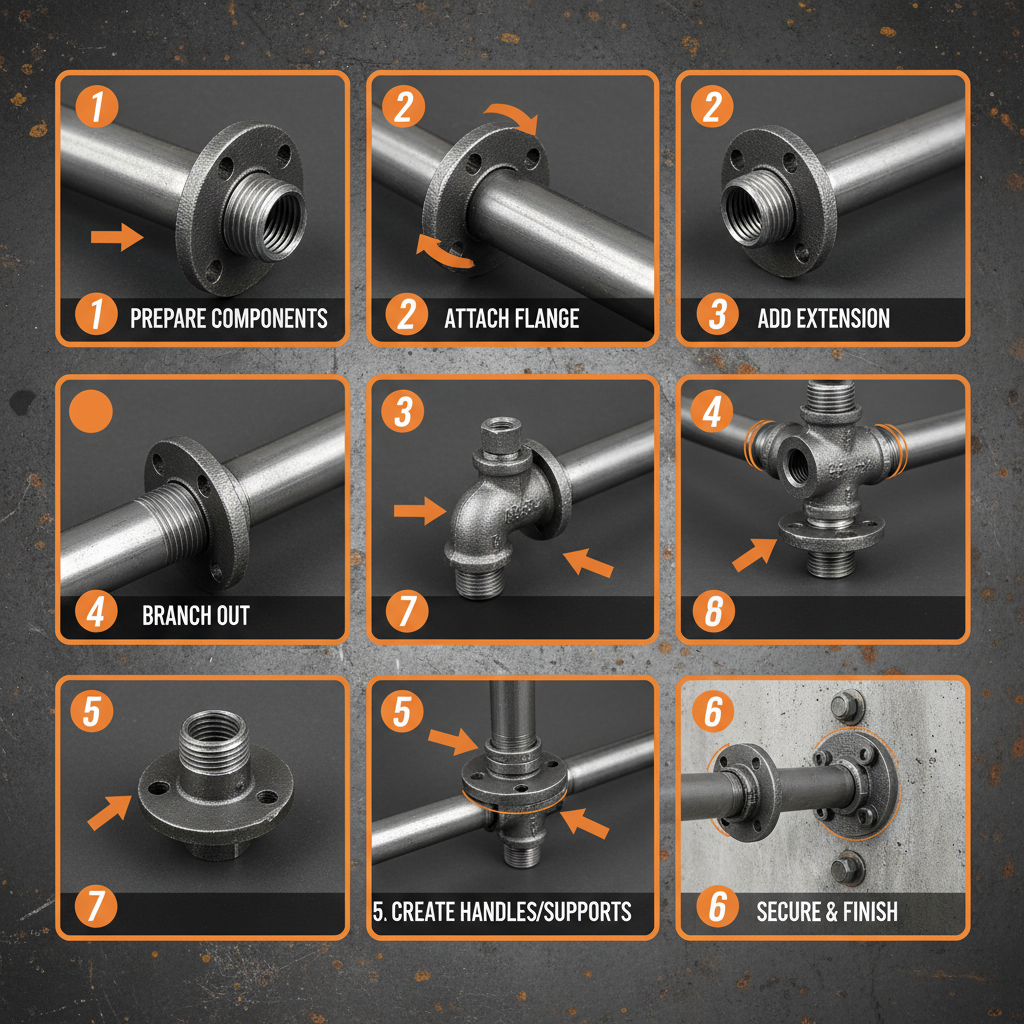
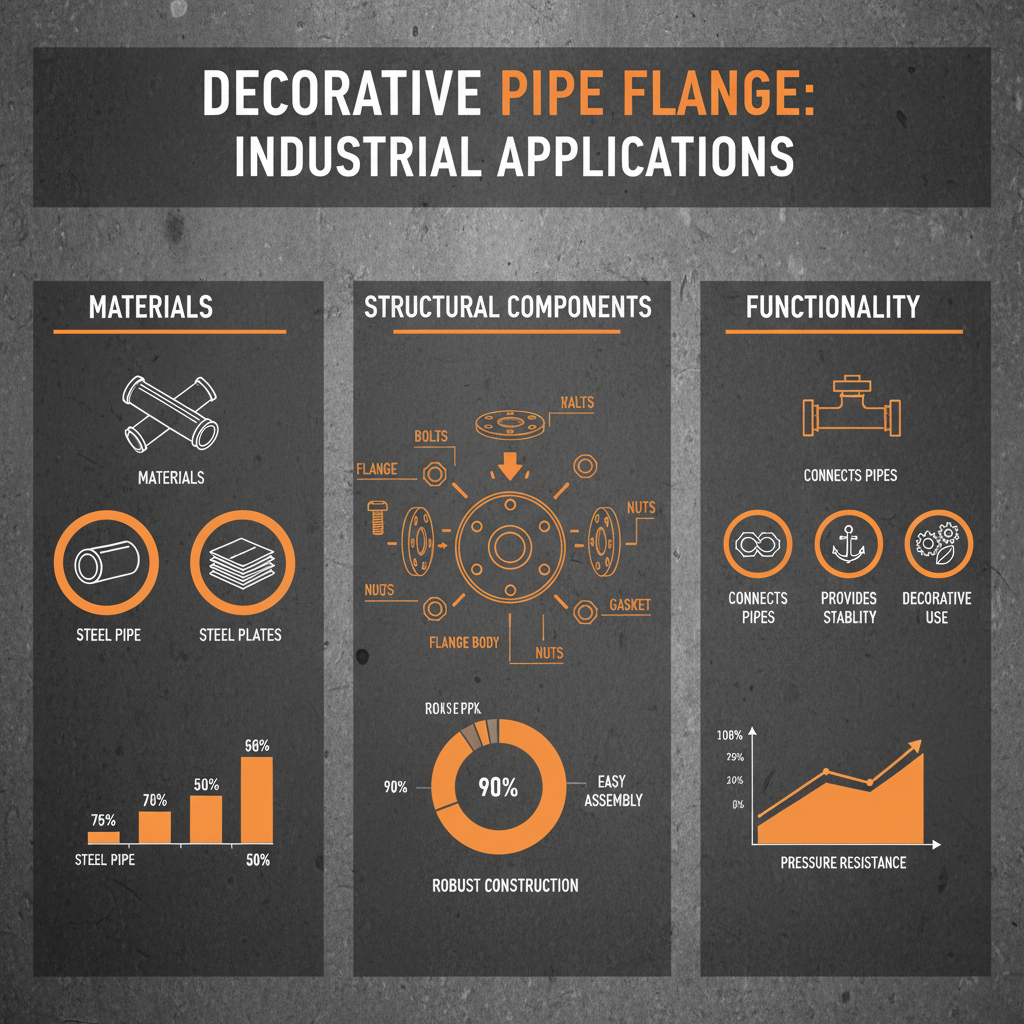
On a global scale, the integration of architectural metals has shifted toward a balance of resilience and visual appeal. According to industry standards mirroring ISO guidelines for metal products, the precision of a decorative pipe flange is now a benchmark for quality in commercial interior fit-outs. As urban centers in Asia and North America adopt more open-ceiling designs, the exposure of utility lines has turned functional hardware into a design statement.
The primary challenge addressed by these components is the unsightly gap left between a pipe and the mounting surface. Without a professional-grade decorative pipe flange, installations often look unfinished, which can negatively impact the perceived value of a commercial property. By providing a seamless transition, these flanges solve both the aesthetic problem and the structural need for secure mounting.
An industrial flange is designed primarily to withstand extreme pressure and temperature, often featuring heavy bolting and gaskets. A decorative pipe flange, while still strong, prioritizes the visual interface where the pipe meets a wall or ceiling, focusing on surface finishes (like polishing or powder coating) and a slim profile to hide installation gaps without adding unnecessary bulk.
For high-humidity environments like bathrooms, stainless steel (Grade 304 or 316) is the best choice because of its superior corrosion resistance. Chrome-plated options are also popular for their mirror-like finish, but ensure they are high-quality to prevent the plating from peeling over time due to moisture exposure.
You should measure the outside diameter (OD) of your pipe and the diameter of the hole in the wall. The inner diameter of the flange should match the pipe OD for a snug fit, while the outer diameter of the flange must be larger than the wall hole to ensure full coverage and a clean visual seal.
Yes, depending on the material. Powder-coated flanges are already available in many colors. For stainless steel or brass, you can use a high-quality metal primer followed by an industrial-grade enamel paint. However, we recommend professional powder coating for a more durable, scratch-resistant finish.
It is important to distinguish between the structural support and the decorative cover. A decorative pipe flange is typically used as an escutcheon or a finishing trim. For high-pressure containment, a certified pressure-rated industrial flange must be used first; the decorative flange is then placed over it for aesthetic purposes.
To prevent rotation, you can use a small amount of industrial-strength adhesive on the back of the flange before pressing it against the wall. For screw-fixed versions, ensure the mounting holes are properly anchored into the wall stud or using heavy-duty wall plugs to lock the component in place.
The decorative pipe flange represents the perfect synergy between heavy-duty metal manufacturing and architectural refinement. By addressing the dual needs of structural stability and visual elegance, these components elevate the quality of modern construction, ensuring that utility systems are not just functional, but are an integrated part of a building's design language. From material selection to precision installation, every detail contributes to a professional, lasting finish.
As we move toward more sustainable and technologically advanced building practices, the role of high-quality hardware becomes even more critical. Investing in premium, precision-engineered flanges reduces long-term maintenance and enhances the aesthetic value of any project. Whether you are an architect, a contractor, or a homeowner, choosing the right finish and material is the key to a timeless and durable installation. Visit our website for more professional solutions: www.hbjypipeline.com

 Albanian
 Arabic
 Armenian
 Azerbaijani
 Belarusian
 Bengali
 Bulgarian
 Croatian
 Czech
Czech
 Danish
 Dutch
Dutch
 Esperanto
 Finnish
 French
 German
 Greek
Greek
 Hebrew
 Hungarian
 Indonesian
 Irish
Irish
 Italian
 Japanese
 Khmer
Khmer
 Korean
 Kyrgyz
 Lao
Lao
 Latin
Latin
 Lithuanian
 Malay
Malay
 Myanmar
 Norwegian
 Persian
 Polish
 Portuguese
 Romanian
 Russian
 Serbian
 Slovak
 Slovenian
 Spanish
 Swedish
 Tagalog
 Thai
Thai
 Turkish
 Turkmen
 Uzbek
Uzbek
 Vietnamese
 Zulu
Zulu
 English