0%

Table of Contents

In the complex landscape of modern fluid management, the water meter flange serves as a critical junction point, ensuring the seamless integration of precision metering devices into larger piping networks. These components are not merely connectors; they are engineered interfaces that maintain system pressure, prevent leaks, and facilitate the easy installation and removal of water meters for calibration or replacement. Without high-quality flanging solutions, the accuracy of water consumption tracking would be compromised by structural instability and leakage.

Globally, the demand for robust water infrastructure is surging as urban centers expand and industrial processes become more resource-conscious. The application of a precision-engineered water meter flange is essential for maintaining the integrity of municipal water grids, where the cost of a single failure can lead to significant water loss and costly emergency repairs. By adhering to international standards such as ASME and DIN, these components provide the necessary reliability for long-term operational success.

Understanding the nuances of material selection, pressure ratings, and sealing mechanisms is paramount for engineers and procurement specialists. Choosing the right water meter flange ensures not only the efficiency of the water distribution system but also the sustainability of the environment by minimizing non-revenue water (NRW) losses. This guide explores the technical depth, global applications, and future innovations of these indispensable industrial components.
High Quality Water Meter Flange for Precision Water Management

Global Industry Context of Water Meter Flanges

High Quality Water Meter Flange for Precision Water Management

The global water management sector is currently facing an unprecedented crisis of inefficiency. According to data aligned with UN Sustainable Development Goal 6, a staggering percentage of treated water is lost through leakages and inaccuracies before it reaches the end consumer. This is where the water meter flange becomes a strategic asset. By providing a secure, leak-proof connection between the meter and the main line, these components are the first line of defense against systemic water waste.

In emerging economies, the rapid urbanization of cities has placed immense pressure on aging pipe networks. The implementation of standardized water meter flange systems allows municipalities to upgrade their metering infrastructure without needing to replace entire pipeline sections. This modular approach reduces capital expenditure and minimizes service disruptions for millions of residents.

Defining the Role of the Water Meter Flange

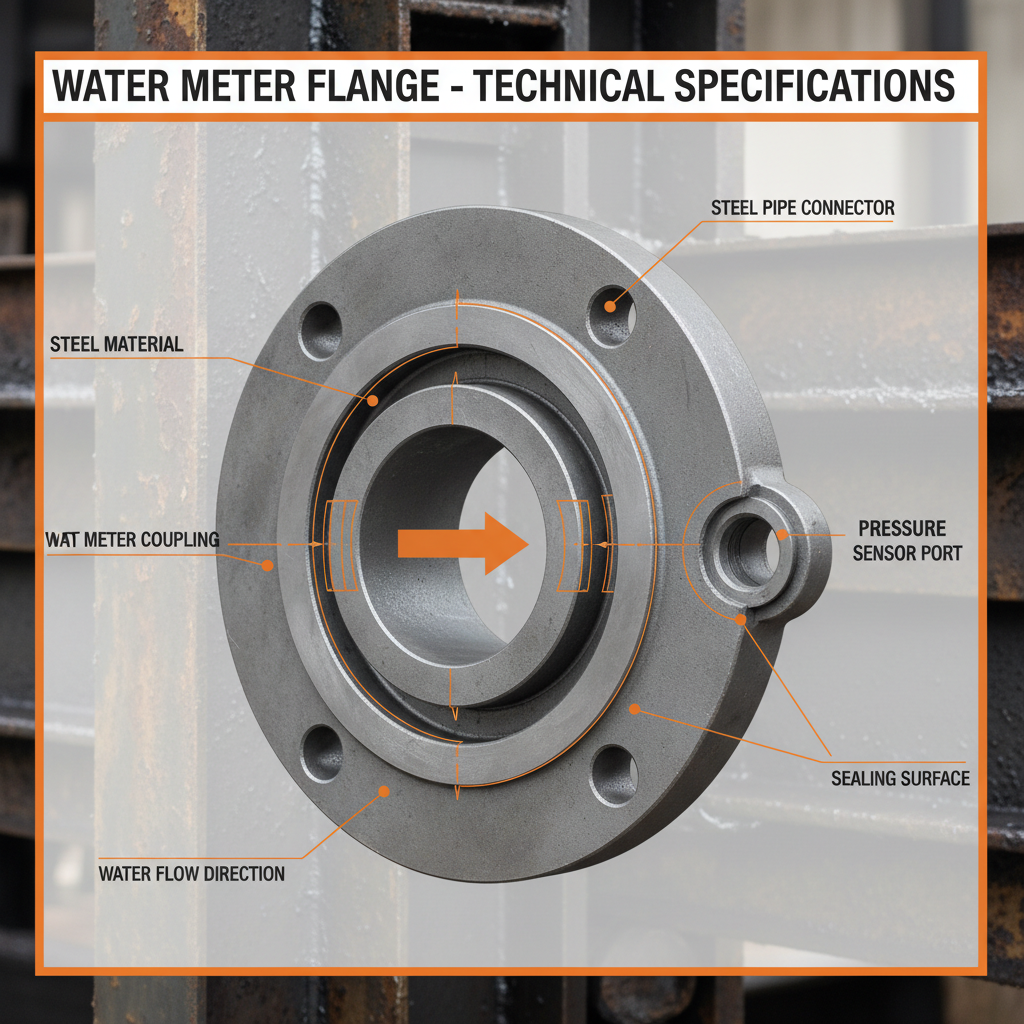
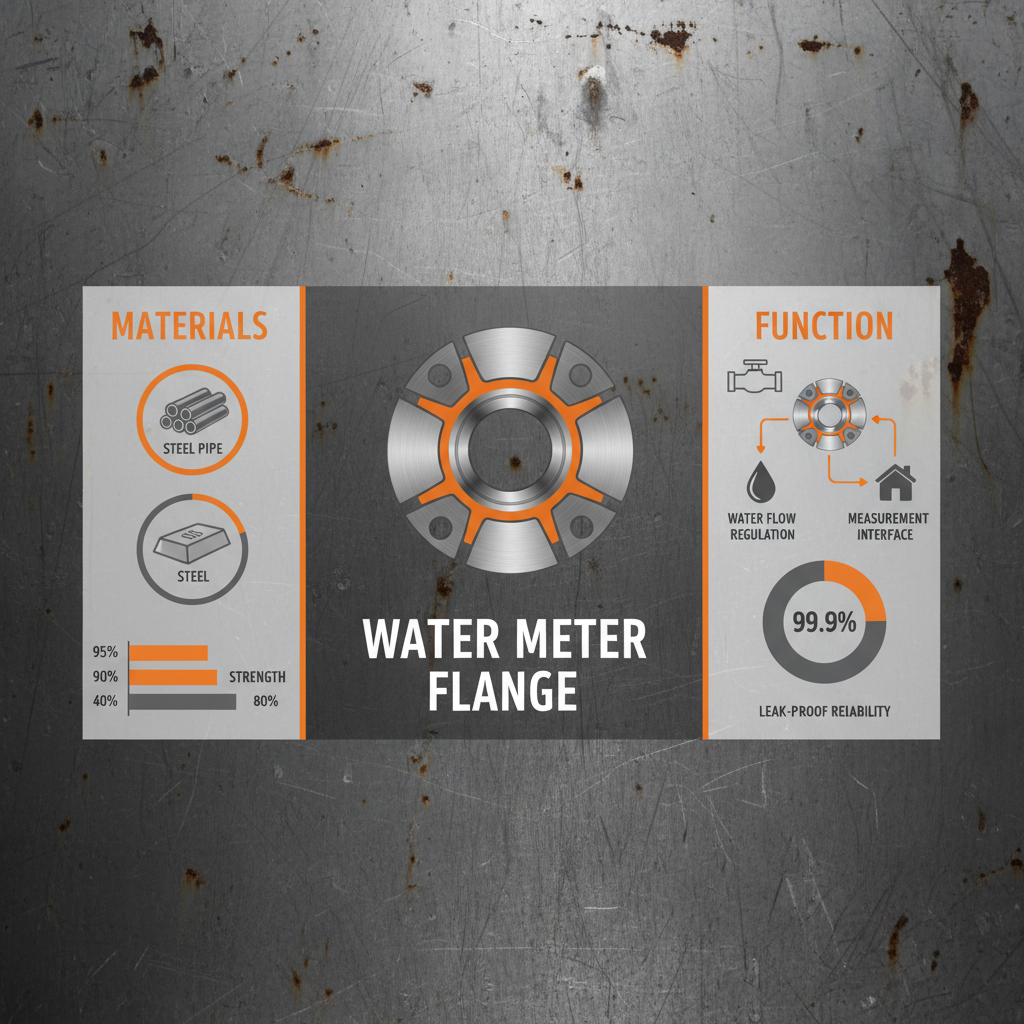
In simple technical terms, a water meter flange is a flat, circular ring of metal (typically cast iron, stainless steel, or carbon steel) that is bolted to the ends of a pipe and the water meter. Its primary function is to create a mechanical seal that can withstand the internal pressure of the water flow while allowing the meter to be easily decoupled for maintenance, testing, or replacement.

Beyond the basic mechanical connection, these flanges are essential for adapting different piping standards. Since water meters are often manufactured to specific dimensions that may not align perfectly with the existing municipal piping, the flange acts as the critical adapter. This ensures that the flow profile entering the meter is stable, which is vital for the accuracy of the volumetric or electromagnetic measurement.

From a humanitarian perspective, the reliability of the water meter flange is directly linked to water security. In regions where water is scarce, any leak at the meter connection represents a loss of a precious resource. Therefore, the precision of the flange face and the quality of the gasket used in conjunction with it are not just engineering details—they are essential for community resilience.

Core Engineering Factors for Performance

Durability is the foremost requirement for any water meter flange. Because these components are often buried underground or exposed to harsh environmental conditions, they must resist corrosion and oxidation. The choice of materials, such as epoxy-coated ductile iron or 316L stainless steel, determines whether a flange will last five years or fifty years without compromising the seal.

Pressure rating and scalability are equally critical. A water meter flange must be rated to handle the peak surge pressures (water hammer) of the system. Engineers must balance the thickness of the flange with the required pressure class (e.g., PN10, PN16, or ANSI 150) to ensure that the component does not deform under stress while remaining cost-effective for large-scale deployments.

Finally, the precision of the flange face determines the sealing efficiency. Whether utilizing a flat face, raised face, or ring-type joint, the water meter flange must be machined to tight tolerances. This ensures that the gasket is compressed evenly, eliminating micro-leaks that could otherwise lead to significant water loss over the lifespan of the installation.

Practical Application and Reliability Metrics

In real-world deployments, the reliability of a water meter flange is measured by its ease of installation and its resistance to vibration-induced loosening. In industrial settings, where pumps create constant harmonic vibrations, the use of high-tensile bolting and precision-aligned flanges prevents the gradual degradation of the seal, ensuring that the metering remains accurate and leak-free.

To better understand the performance of different flange materials and methods, engineers often use a comparative rating system. By analyzing factors such as corrosion resistance, installation speed, and long-term seal integrity, we can determine the most effective solution for specific environmental challenges.

Performance Analysis of Water Meter Flange Material Options


Global Use Cases Across Diverse Sectors

The application of the water meter flange extends far beyond residential billing. In large-scale industrial zones, such as chemical processing plants or textile mills, these flanges are used to monitor the intake of raw water and the discharge of wastewater. In these environments, the flanges must often be made of specialized alloys to resist the corrosive nature of industrial effluents, ensuring that the metering equipment remains protected and functional.

Furthermore, in post-disaster relief operations, modular water distribution systems are often deployed rapidly to provide clean drinking water to affected populations. In these scenarios, a standardized water meter flange allows NGOs and government agencies to quickly connect temporary pipelines to portable filtration and metering units, ensuring fair distribution of water and preventing wastage in high-stress environments.

Long-Term Value and Sustainability Impact

Investing in high-quality water meter flange components provides significant long-term economic value. While lower-grade flanges may offer a lower initial purchase price, their tendency to leak or corrode leads to increased operational costs. The "total cost of ownership" is drastically reduced when using precision-engineered flanges, as they eliminate the need for frequent repairs and reduce the volume of lost water.

From a sustainability perspective, the impact is profound. Water scarcity is an escalating global threat, and the precision offered by a secure water meter flange is key to implementing "Smart Water" initiatives. By ensuring that every drop of water is accounted for at the connection point, cities can better manage their reservoirs and reduce the energy required for water treatment and pumping.

Moreover, the psychological impact of reliable infrastructure cannot be overstated. When municipal systems are leak-free and efficient, it builds public trust in governance and infrastructure management. The water meter flange, though a small part of a vast network, is a symbol of the engineering rigor and commitment to quality that underpins modern urban civilization.

Future Innovations in Flange Technology

The future of the water meter flange is being shaped by the digital transformation of the utility sector. We are seeing the emergence of "intelligent flanges" that incorporate embedded sensors to monitor seal integrity and pressure changes in real-time. These sensors can alert operators to a potential leak before it becomes a catastrophic failure, moving maintenance from a reactive to a predictive model.

Materials science is also evolving, with the introduction of advanced polymer composites and nano-coatings that offer superior corrosion resistance compared to traditional galvanization. These new materials allow the water meter flange to be lighter and easier to install while extending its service life in saltwater or highly acidic soils.

As the industry moves toward carbon neutrality, the manufacturing process of these components is also changing. The shift toward "Green Forging" and the use of recycled metals in the production of flanges is reducing the carbon footprint of water infrastructure projects. This alignment with ESG (Environmental, Social, and Governance) goals ensures that the growth of our water networks does not come at the cost of the planet.

Comparative Analysis of Water Meter Flange Specifications by Application

Application Environment Recommended Material Pressure Class Expected Lifespan
Residential Municipal Ductile Iron (Epoxy Coated) PN10 / PN16 25-30 Years
Industrial Chemical Plant 316L Stainless Steel ANSI 150/300 20-25 Years
Coastal Water Systems Duplex Stainless Steel PN25 40+ Years
Agricultural Irrigation Galvanized Carbon Steel PN10 15-20 Years
High-Pressure Mainlines Forged Alloy Steel ANSI 600 30-40 Years
Temporary Relief Camps Reinforced Composite PN10 5-10 Years

FAQS

What is the most common material used for a water meter flange?

Ductile iron is the most common material due to its excellent balance of strength, cost-effectiveness, and corrosion resistance when coated. However, for highly corrosive environments, stainless steel (304 or 316) is preferred to ensure a longer service life and a leak-proof seal.

How do I choose the correct pressure rating for my water meter flange?

You should select a rating that exceeds the maximum possible operating pressure of your system, including potential surges (water hammer). Common ratings include PN10 and PN16 for municipal use, while industrial applications may require ANSI 150 or higher depending on the fluid velocity and system pressure.

Can a water meter flange be reused after the meter is replaced?

Yes, provided the flange faces are not scarred or corroded. However, it is critical to always replace the gasket and check the bolt tension during re-installation to ensure the seal is maintained. If the flange is made of carbon steel and shows significant rust, replacement is recommended.

What causes leaks at the water meter flange connection?

Leaks are typically caused by uneven bolt tightening, an incompatible gasket material, or a warped flange face. Using a calibrated torque wrench and ensuring the flange surfaces are clean and flat before installation are the best ways to prevent leaks.

Do water meter flanges require special maintenance?

While they are largely passive components, periodic visual inspections for corrosion and checking for "weeping" at the joints are advised. In industrial settings, checking the torque of the bolts every 12-24 months can prevent failures caused by system vibration.

Are there different standards for water meter flanges globally?

Yes, the most common standards are ISO/DIN (European), ASME/ANSI (American), and JIS (Japanese). It is crucial to ensure that the flange standard matches the piping standard of your region to avoid compatibility issues during installation.

Conclusion

In summary, the water meter flange is a small but mighty component that ensures the stability and efficiency of water distribution networks worldwide. From its role in preventing non-revenue water loss to its ability to adapt complex piping standards, the flange is an engineering necessity. By focusing on material quality, pressure ratings, and precision machining, operators can ensure a reliable, long-term solution that supports both economic goals and environmental sustainability.

Looking ahead, the integration of smart sensing and sustainable manufacturing will further elevate the role of flanging technology in the "Smart City" era. We encourage engineers and procurement officers to prioritize quality and standardization to future-proof their infrastructure. For high-performance flanging solutions tailored to your specific industrial needs, visit our website: www.hbjypipeline.com

Daniel Harris

Daniel Harris

Daniel Harris serves as a Production Supervisor at Hebei Jiuyuan Pipeline Manufacturing, responsible for overseeing the manufacturing of our stainless steel and duplex steel pipe components. He has a deep understanding of machining processes, welding techniques, and quality control procedures. Daniel ensures efficient workflow and adherence to safety protocols within
Next Precision Forged Water Meter Flange
en_USEnglish