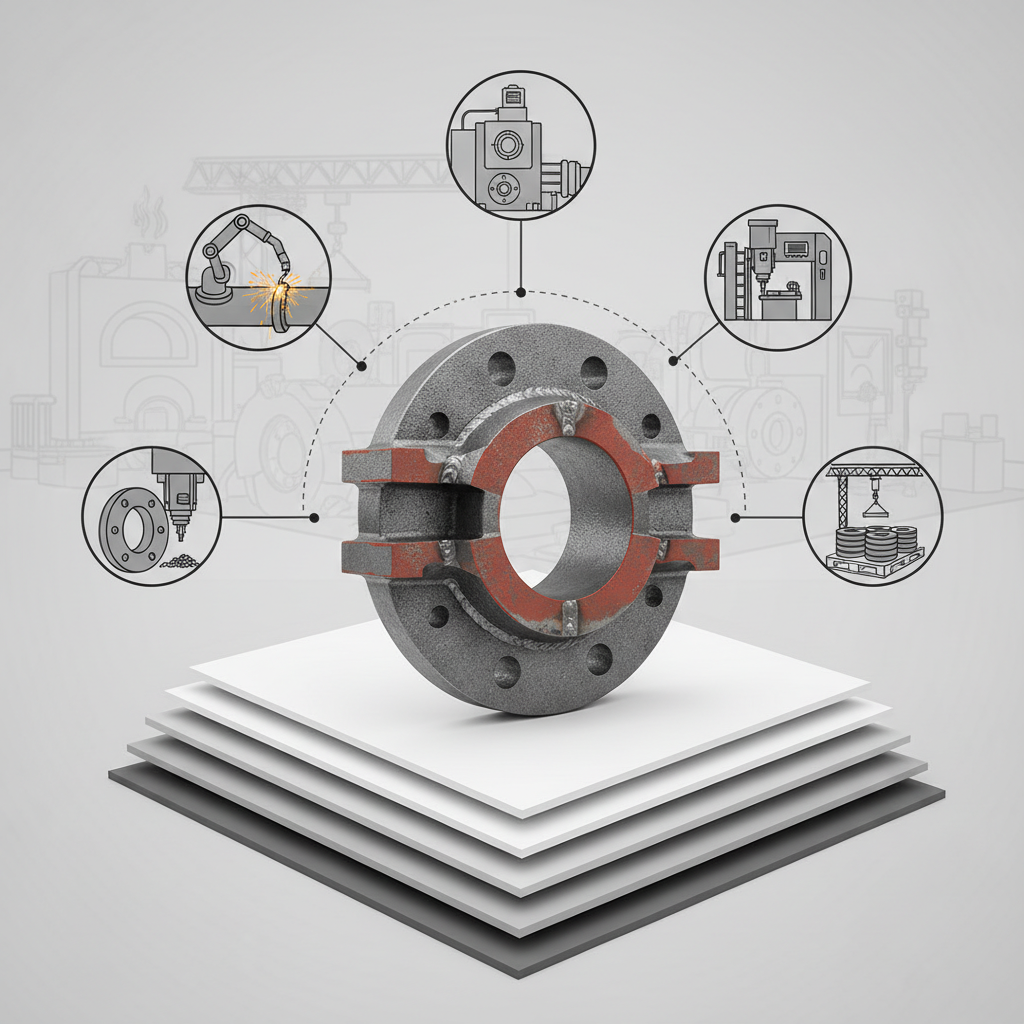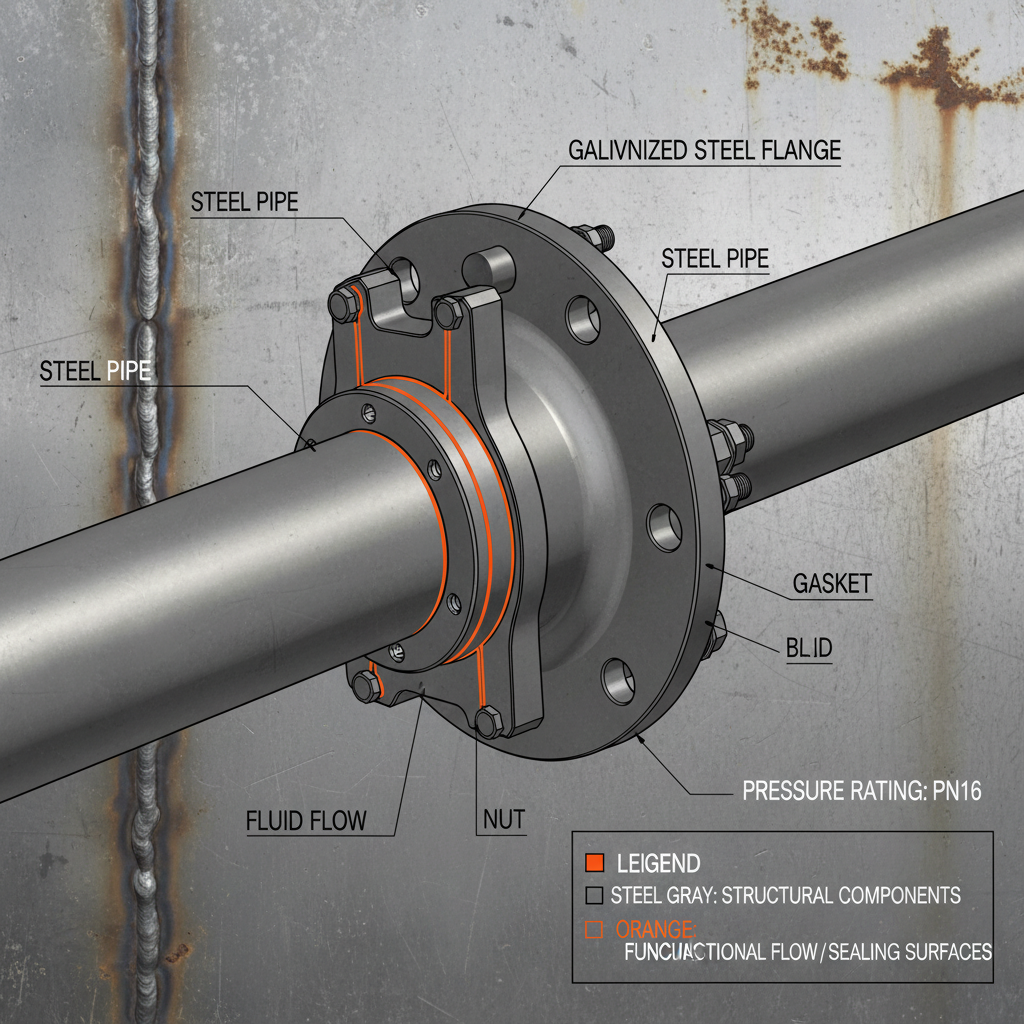
In the complex world of fluid transport and industrial piping, awwa flanges serve as the critical junctions that ensure the structural integrity of water distribution systems worldwide. These specialized components are designed to meet the rigorous standards of the American Water Works Association, providing a reliable method for connecting pipes, valves, and pumps in high-pressure environments. Understanding the nuances of these flanges is not merely a technical requirement but a safety imperative for engineers and municipal planners.
The global demand for robust water infrastructure has surged as urbanization increases and aging pipe networks in developed nations require systematic upgrades. From massive municipal water mains to industrial cooling systems, awwa flanges provide the necessary flexibility and strength to handle thermal expansion and hydraulic surges. By adhering to standardized dimensions, they allow for seamless interoperability between different manufacturers' products, reducing downtime during installation and maintenance.
For professionals in the cast and forged products sector, mastering the application of these components means balancing material durability with cost-efficiency. Whether dealing with ductile iron or stainless steel, the correct selection of a flange can mean the difference between a system that lasts for decades and one prone to catastrophic leaks. This guide delves into the technical specifications, global applications, and future innovations surrounding these indispensable piping elements.
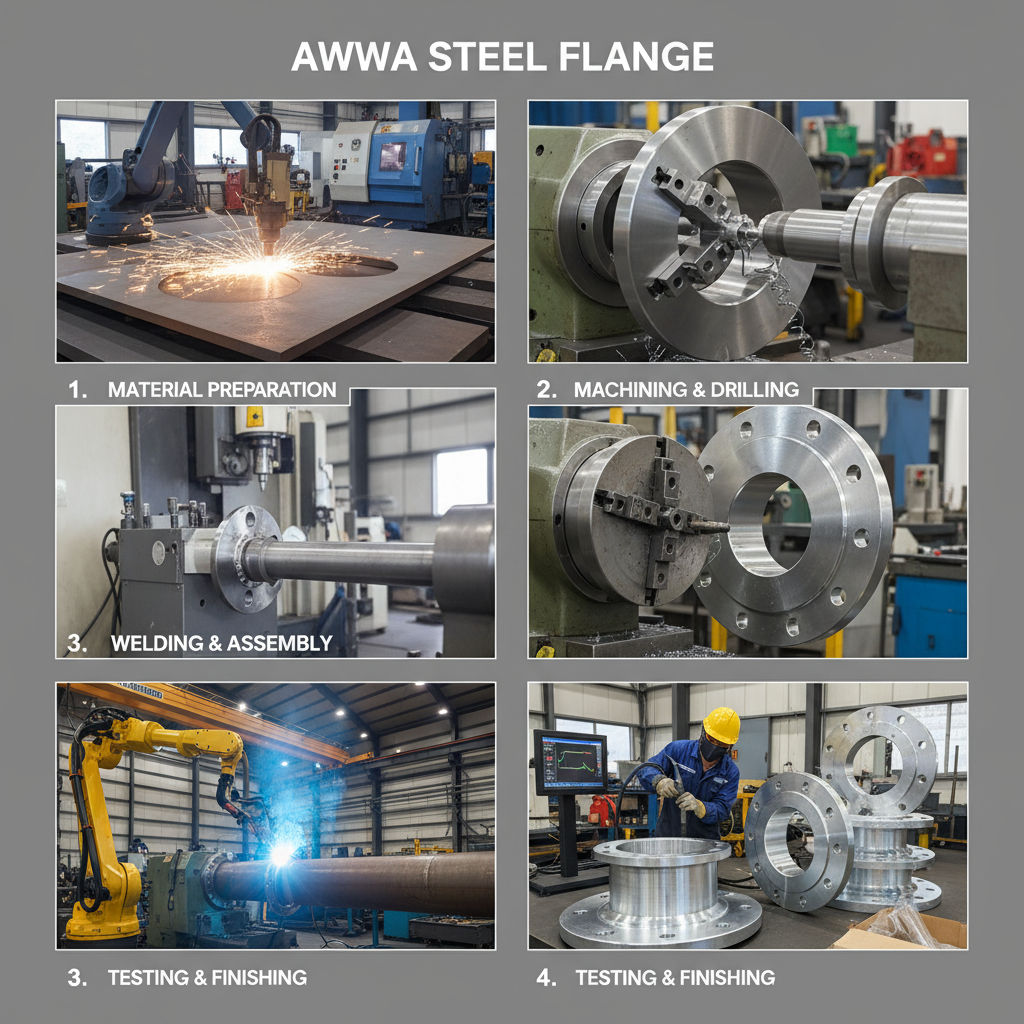
The Fundamental Role of AWWA Flanges in Infrastructure
The primary function of awwa flanges is to create a leak-proof, bolted connection between two sections of pipe or between a pipe and a piece of equipment. Unlike welded joints, which are permanent, flanged connections allow for the disassembly of the system for cleaning, inspection, or replacement of valves. This modularity is essential for the longevity of water treatment plants where sediment buildup often necessitates periodic maintenance.
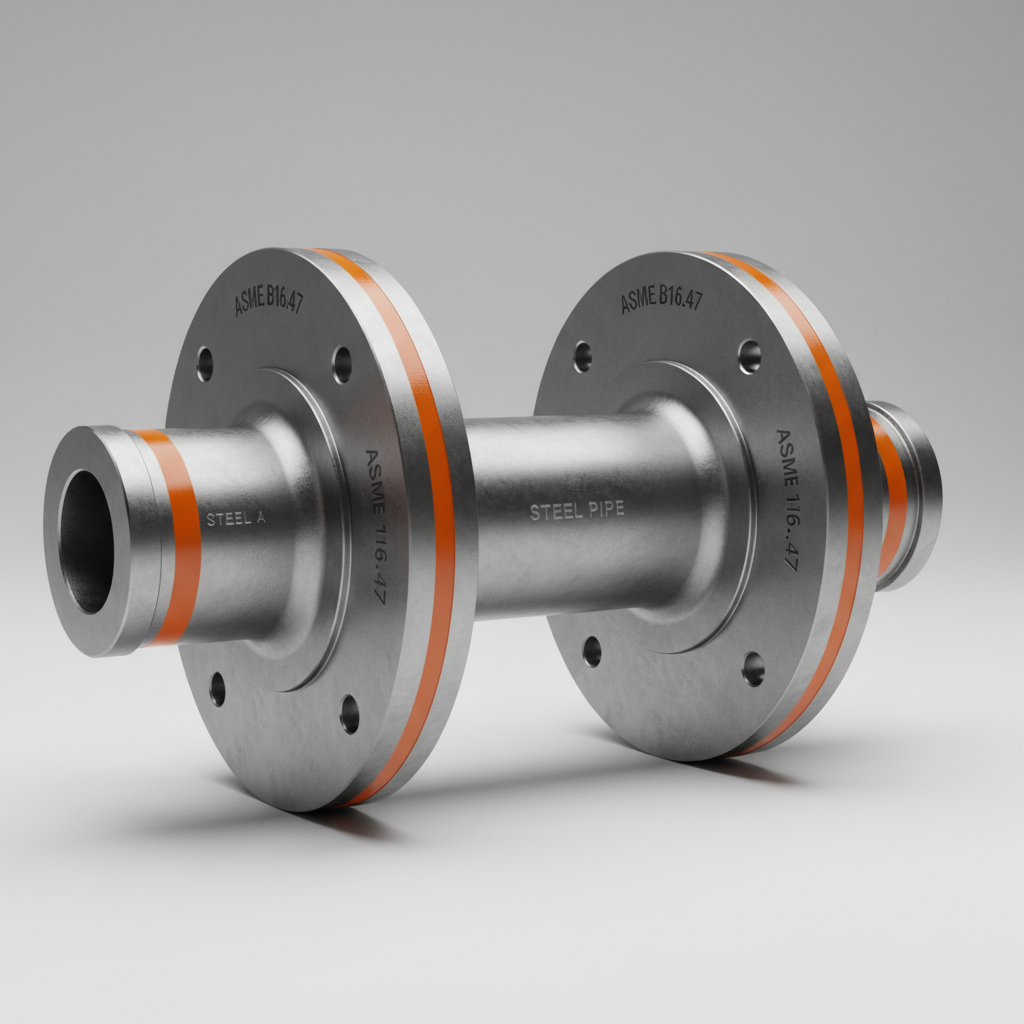
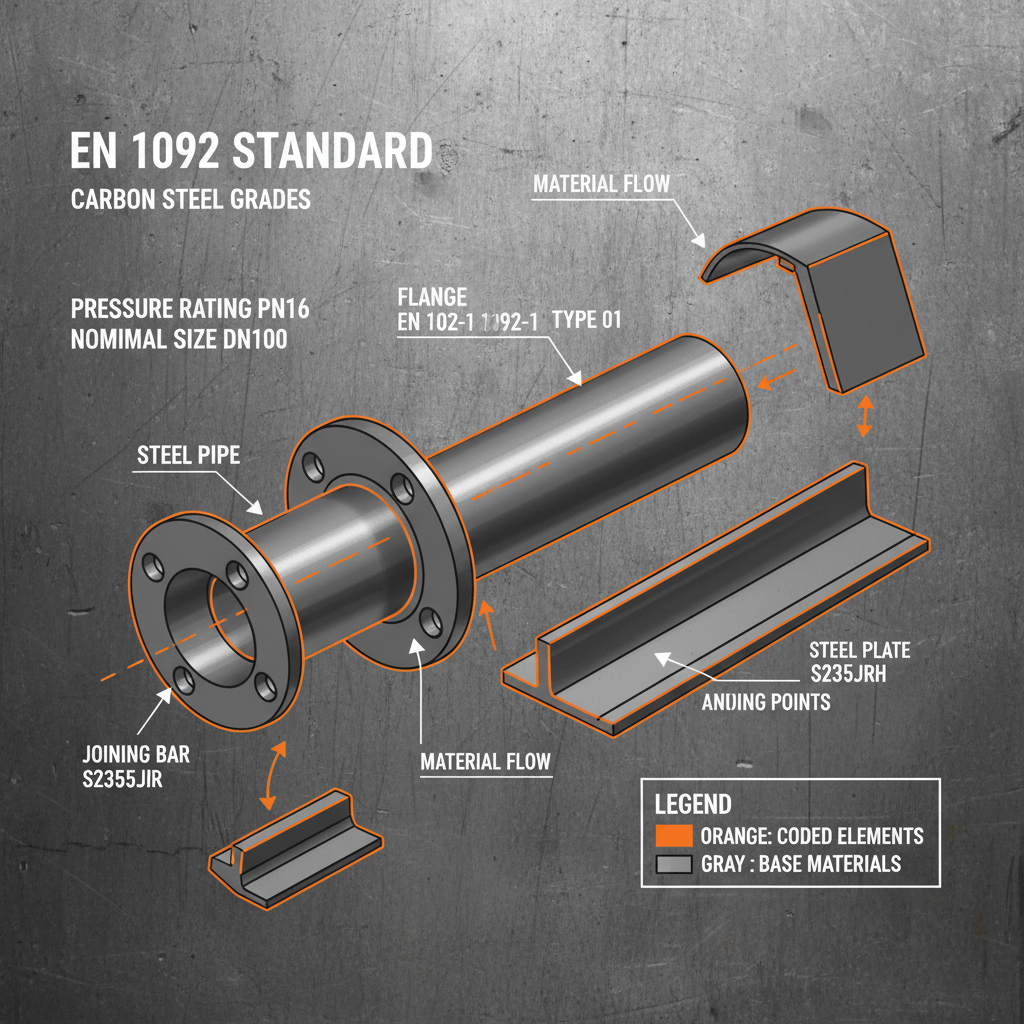
In the broader context of the metal products industry, these flanges represent a pinnacle of precision engineering. They must withstand not only the internal pressure of the fluid but also external stresses such as soil movement and temperature fluctuations. By employing standardized bolt patterns and facing dimensions, the AWWA standard ensures that a flange manufactured in one part of the world will fit perfectly with a valve produced elsewhere, facilitating global trade and rapid infrastructure deployment.
Technical Specifications and Material Composition
When discussing the technical makeup of awwa flanges, the material choice is the most critical variable. Most commonly, ductile iron is utilized due to its exceptional strength and resilience compared to traditional cast iron. This material allows the flange to absorb shocks and vibrations without cracking, which is vital in urban environments where heavy traffic overhead can cause subtle shifts in the pipeline's alignment.
Beyond the base metal, the surface finish of the flange face—often referred to as the "facing"—plays a pivotal role in sealing performance. Flat face flanges are typical for water works, as they distribute pressure evenly across the gasket, preventing the blowout of seals under high hydraulic loads. For more corrosive environments, such as saltwater intake systems or chemical treatment plants, stainless steel or epoxy-coated versions are employed to prevent oxidation and pitting.
Furthermore, the dimensional accuracy of the bolt holes must be precise to the millimeter. Any deviation in the centering of these holes can lead to "cocking," where the flange is pulled unevenly during tightening, resulting in a compromised seal. High-quality forged products ensure that the grain structure of the metal is aligned to handle these stresses, providing a level of security that is non-negotiable in high-pressure municipal water mains.
Core Components for Maximum System Reliability
To achieve maximum reliability, the integration of awwa flanges must be considered as a system rather than a single part. The first core component is the gasket, which acts as the primary barrier against leaks. Choosing a gasket material—such as EPDM or nitrile—that is compatible with the transported fluid is essential to prevent chemical degradation over time.
Durability is further enhanced by the selection of high-tensile bolts and nuts. When securing awwa flanges, the use of galvanized or coated fasteners prevents the bolts from rusting into the flange, which would make future maintenance an expensive and destructive process. This synergy between the flange, the gasket, and the hardware ensures that the joint can withstand the "water hammer" effect—sudden pressure surges that occur when valves are closed quickly.
Finally, the installation torque is a critical factor. Over-tightening can warp the flange face or crush the gasket, while under-tightening leads to slow seeps that can erode the surrounding soil. By utilizing calibrated torque wrenches and following a star-pattern tightening sequence, operators ensure that the awwa flanges are seated perfectly, distributing the load evenly across the entire sealing surface.
Comparative Performance Across Installation Methods
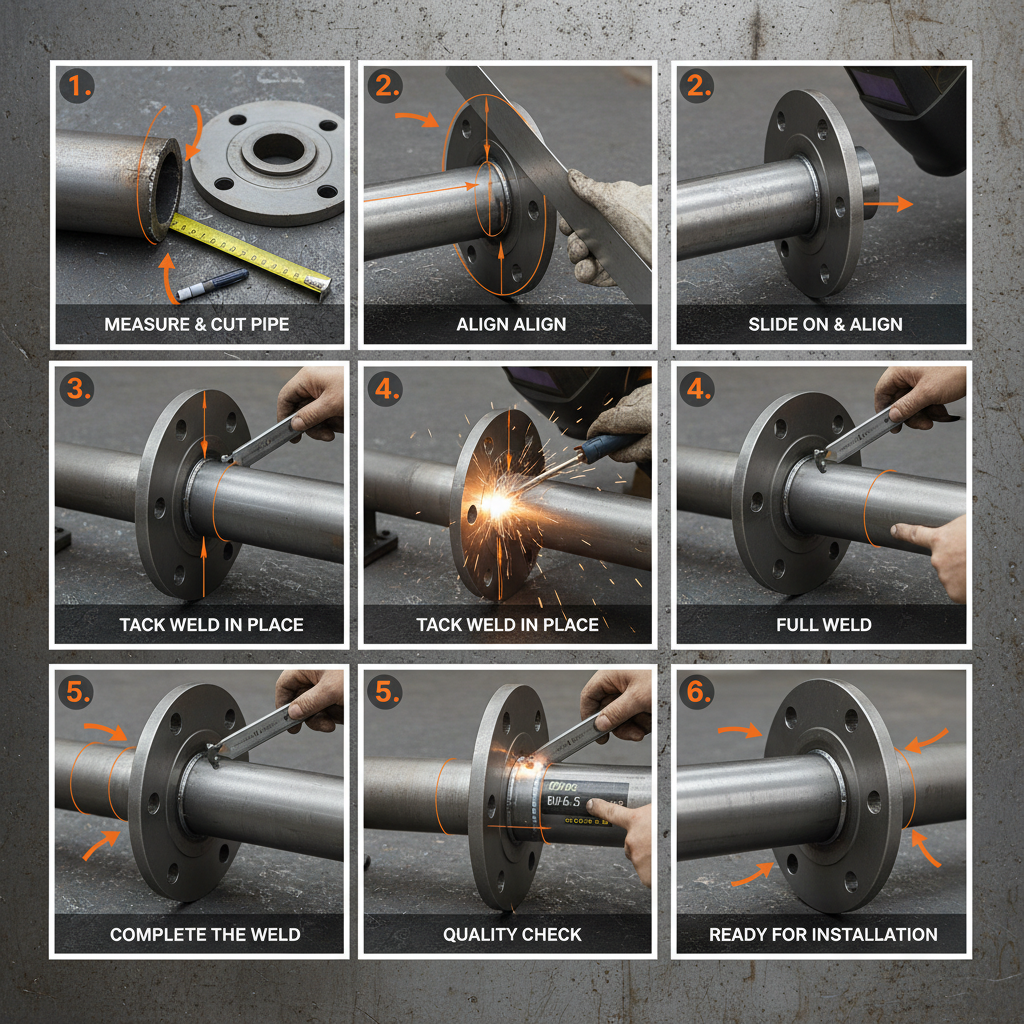
Choosing the right installation method for awwa flanges significantly impacts the long-term maintenance costs and system uptime. For instance, slip-on flanges are easier to align during initial installation, whereas weld-neck flanges provide superior strength for high-pressure applications. The decision usually depends on the specific pressure rating of the line and the available labor skill set on-site.
In large-scale projects, the trade-off between initial cost and lifecycle value is a key consideration. While some may opt for cheaper casting methods, forged alternatives offer a more homogeneous structure, which drastically reduces the risk of porosity-related leaks. This comparison is essential for project managers who must justify the higher upfront cost of premium forged awwa flanges through the lens of reduced emergency repair costs.
Performance Ratings of AWWA Flanges Implementation Methods
Global Applications in Municipal and Industrial Zones
The application of awwa flanges spans the globe, from the dense urban grids of New York and Tokyo to the expanding irrigation networks in Sub-Saharan Africa. In municipal water systems, these flanges are the backbone of pump stations, allowing for the rapid replacement of massive centrifugal pumps without needing to cut into the main line. This is particularly crucial during emergency repairs where every hour of water outage affects thousands of residents.
In industrial contexts, such as power plant cooling loops or chemical processing facilities, the requirements are even more stringent. Here, awwa flanges are often paired with specialized expansion joints to accommodate the extreme thermal cycling of the pipes. For example, in remote mining zones in Australia or Canada, the ability to transport modular piping components and assemble them on-site using standard flanged connections drastically reduces the logistics cost and installation time in harsh terrains.
Long-Term Value and Sustainability Benefits
From a financial perspective, the long-term value of investing in high-grade awwa flanges is found in the reduction of Non-Revenue Water (NRW). Leakage at flange joints is one of the primary contributors to water loss in aging city grids. By utilizing precision-engineered flanges and high-performance gaskets, municipalities can significantly lower the volume of treated water lost to the ground, directly improving the economic viability of the water utility.
Sustainability is also achieved through the longevity of the materials. Ductile iron and stainless steel awwa flanges are almost entirely recyclable at the end of their service life. Furthermore, by designing systems for easy disassembly, operators can replace individual damaged components rather than scrapping entire sections of piping, thereby reducing the carbon footprint associated with metal smelting and transportation.
Beyond the logic of cost and environment, there is the emotional angle of trust and safety. When a city's fire hydrant system relies on these connections, the reliability of the flange is a matter of public safety. The peace of mind provided by knowing that the joints meet strict AWWA standards allows engineers to design with confidence, knowing that the infrastructure will protect the community for generations.
Future Trends in Smart Piping and Metallurgy
The future of awwa flanges is being shaped by the digital transformation of the "Industrial Internet of Things" (IIoT). We are seeing the emergence of "smart flanges" equipped with embedded pressure and vibration sensors. These sensors can detect microscopic leaks or abnormal pressure fluctuations in real-time, alerting operators to a potential failure before it becomes a catastrophic burst, shifting maintenance from reactive to predictive.
In terms of metallurgy, there is a shift toward advanced nano-coatings. These coatings are designed to be super-hydrophobic and anti-corrosive, extending the life of awwa flanges in highly acidic or saline environments. This innovation reduces the need for frequent replacements and minimizes the chemical runoff associated with traditional painting and coating processes.
Additionally, the integration of 3D metal printing (additive manufacturing) is allowing for the creation of custom-geometry flanges for specialized industrial equipment. While mass-produced awwa flanges will always dominate the market, the ability to print a perfectly matched replacement part on-site in the future could virtually eliminate downtime in critical infrastructure.
Analysis of AWWA Flanges Material Performance and Application
| Material Type |
Pressure Resistance |
Corrosion Resistance |
Ideal Use Case |
| Cast Iron |
Moderate (5/10) |
Low (4/10) |
Low-pressure drainage |
| Ductile Iron |
High (8/10) |
Moderate (6/10) |
Municipal water mains |
| Forged Carbon Steel |
Very High (10/10) |
Moderate (5/10) |
Industrial high-pressure |
| Stainless Steel |
High (8/10) |
Very High (10/10) |
Chemical/Water treatment |
| Epoxy Coated Iron |
High (8/10) |
High (8/10) |
Corrosive soil environments |
| Alloy Steel |
Extreme (10/10) |
High (7/10) |
Oil & Gas integration |
FAQS
AWWA flanges are specifically designed for water works applications, emphasizing ease of installation in municipal systems and often featuring different bolt patterns and pressure ratings compared to ANSI flanges. ANSI (now ASME) flanges are more general-purpose and are widely used in the oil, gas, and chemical industries where higher pressures and temperatures are common. Choosing the right one depends entirely on the specific industry standard required for your piping system.
While physically possible if the dimensions match, mixing materials (e.g., stainless steel and carbon steel) can lead to galvanic corrosion. This occurs when two dissimilar metals are in contact in the presence of an electrolyte (like water), causing the less noble metal to corrode rapidly. To prevent this, use insulating gasket kits or ensure that the materials are compatible based on the galvanic series.
In standard municipal applications, a check after the first 30 days of service is recommended to account for "creep" or gasket settling. In high-vibration environments or systems with extreme temperature swings, quarterly or bi-annual inspections are advised. Using a calibrated torque wrench ensures that the tension is maintained without over-stressing the bolts.
The most common causes are improper torque application, the use of degraded or incompatible gaskets, and flange face misalignment. When flanges are not perfectly parallel, the gasket is compressed unevenly, creating a path for fluid to escape. Ensuring a clean face and following a strict star-tightening sequence are the best ways to prevent these leaks.
Epoxy coatings generally provide a superior barrier against chemical attack and moisture penetration, making them ideal for aggressive soil conditions. Galvanization provides excellent mechanical protection against scratches and abrasion. The choice depends on whether the primary threat is chemical corrosion (choose epoxy) or physical wear during installation (choose galvanized).
Specification starts with identifying the nominal pipe size (NPS) and the required pressure class. You must then refer to the AWWA C207 standard to ensure the bolt circle diameter, number of bolts, and thickness match the accompanying valves or fittings. Always double-check the facing requirement (Flat Face vs. Ring Joint) to ensure a compatible seal with the mating equipment.
Conclusion
In summary, awwa flanges are far more than simple metal rings; they are the essential guardians of our water infrastructure. From the critical selection of ductile iron or forged steel to the precision of the installation torque, every detail contributes to a system that is safe, sustainable, and efficient. By adhering to rigorous global standards, these components ensure that cities can grow and industries can operate without the constant fear of systemic failure.
Looking ahead, the integration of smart sensing technology and advanced metallurgy will continue to elevate the performance of these components. For engineers and procurement specialists, the focus must remain on balancing short-term costs with long-term reliability. Investing in high-quality flanged solutions today is the only way to guarantee a leak-free tomorrow. To explore our full range of precision-engineered piping solutions, visit our website: www.hbjypipeline.com