0%

Table of Contents

In the demanding landscape of industrial piping and pressure vessel manufacturing, the integrity of connection points is paramount. The galvanized flange serves as a critical component, providing the necessary structural stability while offering an advanced layer of protection against the relentless forces of oxidation and chemical corrosion. For engineers and procurement managers, selecting the right flange isn't just about fit; it's about ensuring the long-term viability of the entire infrastructure.

Globally, the shift toward more corrosive environments—ranging from saltwater desalination plants to aggressive chemical processing units—has increased the demand for specialized coatings. Hot-dip galvanizing transforms a standard carbon steel flange into a resilient barrier, significantly reducing maintenance cycles and preventing catastrophic failures. This intersection of metallurgy and mechanical engineering is where the galvanized flange proves its indispensable value.

Understanding the nuances of galvanization, from zinc thickness to adhesion quality, allows industries to optimize their operational costs. By integrating these components into systems involving cast products, forged products, and various pipe fittings, companies can achieve a seamless balance between high-pressure performance and environmental durability, ensuring that safety standards are not just met, but exceeded.
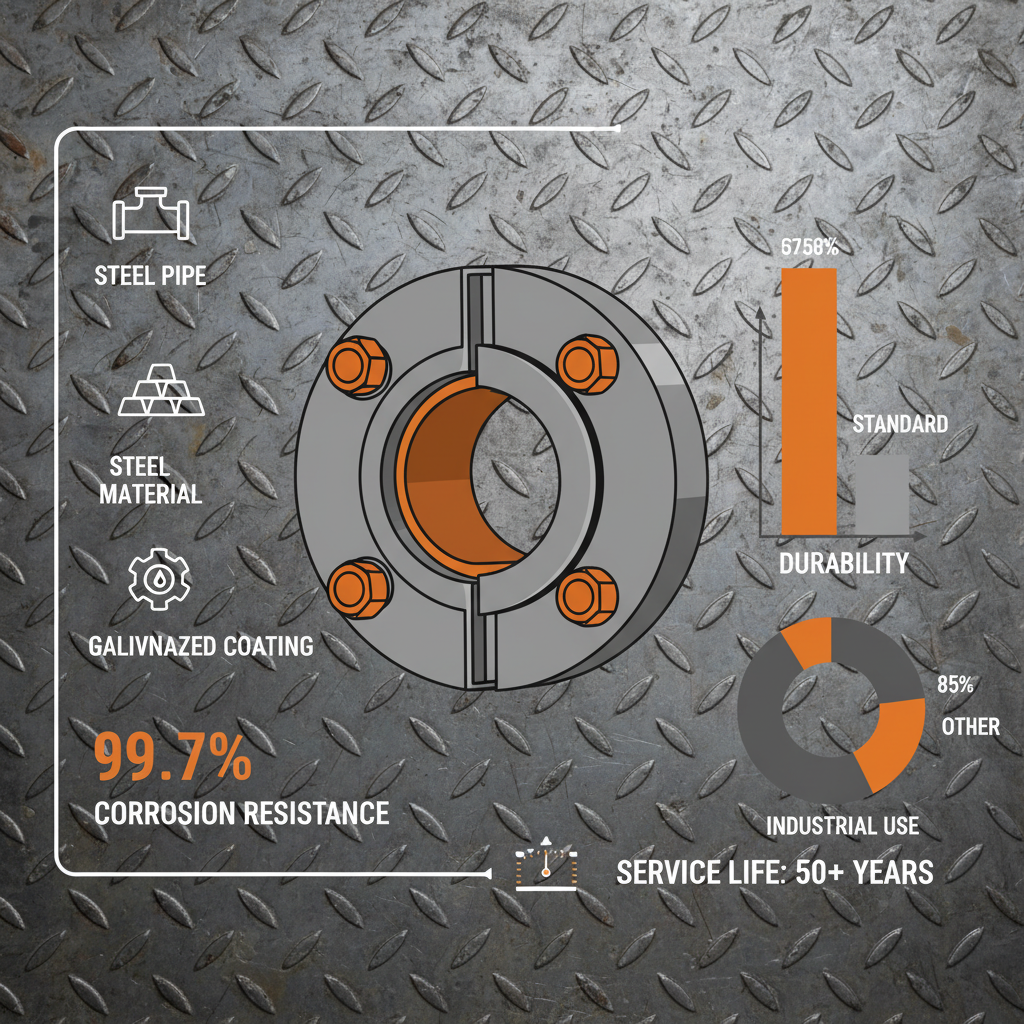
Industrial Galvanized Flange for Corrosion Protection and Stability

Global Relevance of Galvanized Flanges

Industrial Galvanized Flange for Corrosion Protection and Stability

The global industrial sector relies heavily on the standardization of piping components to maintain cross-border compatibility and safety. According to ISO standards and industry benchmarks, the prevalence of corrosion-related failures in metal pressure vessels remains a significant challenge, often leading to unplanned downtime and substantial financial losses. The galvanized flange addresses this by utilizing a sacrificial zinc layer that protects the underlying steel, making it a staple in international infrastructure projects.

From the burgeoning industrial zones in Southeast Asia to the established oil and gas refineries in North America, the adoption of galvanized solutions has seen a steady rise. The ability to withstand atmospheric moisture and saline environments makes these components critical for the stability of water treatment plants and energy grids, ensuring that the "joints" of the industrial world remain leak-proof and structurally sound.

Defining the Galvanized Flange and Its Purpose

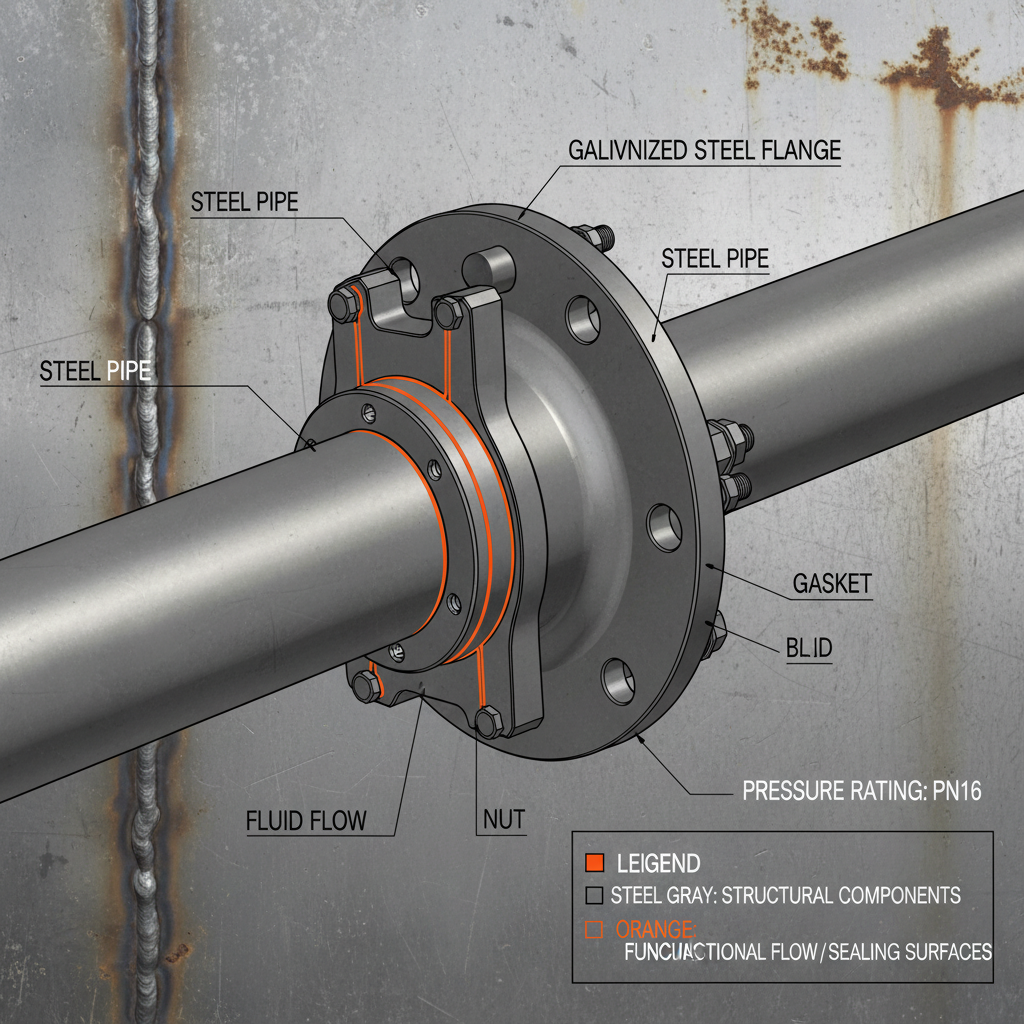
In its simplest terms, a galvanized flange is a circular connector used to join pipes, valves, pumps, and other equipment to a piping system, which has been coated with a layer of zinc through a process called galvanization. Unlike plain steel flanges, the galvanized version creates a metallurgical bond between the zinc and the steel, offering a physical barrier that prevents rust from penetrating the core material.

Beyond mere rust prevention, this component is vital for modern humanitarian and industrial needs, such as the rapid deployment of clean water systems in disaster-prone areas. In these scenarios, the speed of installation must be matched by the reliability of the materials; a galvanized finish ensures that the piping network does not degrade quickly when exposed to varied soil chemistry or extreme humidity.

The purpose of this coating is not just aesthetic but functional. In the context of metal pressure vessel manufacturing, the flange acts as the primary seal point. When this seal is protected by galvanization, the risk of "crevice corrosion" at the gasket interface is significantly mitigated, thereby extending the operational lifespan of the entire assembly.

Core Technical Components for Durability

The durability of a galvanized flange is primarily determined by the quality of the zinc coating and the base metal's composition. High-grade carbon steel or alloy steel provides the necessary tensile strength to handle internal pressure, while the hot-dip process ensures that the zinc penetrates deep into the metal's surface, creating an alloy layer that is far more resilient than simple paint or powder coatings.

Another critical factor is the thickness of the zinc layer, often measured in microns. For a galvanized flange used in offshore environments, a thicker coating is required to combat the accelerated corrosion caused by chloride ions. This ensures that even if the surface is scratched during installation, the surrounding zinc will sacrifice itself to protect the exposed steel.

Finally, the precision of the machining—specifically the flange face finish—must be maintained after galvanization. Professional manufacturers ensure that the zinc coating does not interfere with the seating of the gasket, which is essential for maintaining a hermetic seal in high-pressure applications. This balance between protective thickness and dimensional accuracy is the hallmark of a premium industrial component.

Economic Efficiency and Scalability

When analyzing the total cost of ownership, the galvanized flange offers a compelling economic advantage. While the initial procurement cost may be slightly higher than that of raw steel, the drastic reduction in maintenance and replacement costs over a ten-to-twenty-year period results in a significantly lower lifecycle cost. This makes it an ideal choice for large-scale projects where labor costs for onsite repairs are prohibitive.

Scalability is achieved through the standardization of sizes (ANSI, DIN, JIS), allowing these components to be integrated into vast networks of pipe fittings and forged products without custom engineering for every joint. This modularity accelerates construction timelines and simplifies inventory management for global contractors.

Comparative Performance of Flange Protection Methods


Industrial Applications Across Global Regions

The practical application of the galvanized flange spans various high-stakes environments. In remote industrial zones, such as mining operations in Western Australia or oil fields in the Middle East, these flanges are used to construct pipeline networks that must withstand extreme temperature fluctuations and abrasive dust without frequent human intervention.

Furthermore, in urban infrastructure, galvanized components are integrated into HVAC systems and firefighting water networks. The peace of mind provided by a corrosion-resistant joint ensures that safety systems remain functional for decades, reducing the risk of leaks that could damage buildings or endanger lives.

Long-Term Value and Sustainability

From a sustainability perspective, the use of a galvanized flange aligns with the principles of the circular economy. By extending the life of steel infrastructure, we reduce the frequency of replacement, which in turn lowers the carbon footprint associated with smelting and transporting new steel. Zinc itself is highly recyclable, adding to the eco-friendly profile of this solution.

Beyond the environmental impact, there is a strong logical and emotional angle: trust. In the world of pressure vessels, a failure can be catastrophic. The reliability of a galvanized connection provides engineers with the confidence that their designs will hold under pressure, ensuring the dignity and safety of the workers operating these systems.

Innovation in galvanizing chemistry has also led to "low-lead" and "zinc-aluminum" alloys, further enhancing the protection levels. These advancements ensure that the galvanized flange remains the gold standard for reliability in the face of evolving environmental regulations and more aggressive industrial fluids.

Future Innovations in Protective Coatings

The future of the galvanized flange is being shaped by digital transformation and material science. We are seeing the integration of "smart coatings" that can signal the onset of corrosion through color changes or electronic sensors embedded within the zinc layer. This allows for predictive maintenance, where a flange is replaced based on actual wear rather than a generic schedule.

Additionally, the push toward green energy—specifically hydrogen transport—requires piping components that can handle higher pressures and different chemical reactions. New hybrid coatings are being developed that combine the sacrificial protection of galvanization with the chemical inertness of specialized polymers, creating a "super-flange" for the next generation of energy infrastructure.

Automation in the galvanizing process is also reducing waste and ensuring a more uniform coating thickness across complex geometries. This precision reduces the "over-galvanizing" of non-critical areas, optimizing material use and reducing the overall cost of production.

Analysis of Galvanized Flange Performance Across Different Environments

Environment Type Corrosion Risk Expected Lifespan Maintenance Level
Marine/Offshore Very High 15-20 Years Moderate
Industrial Plant Medium 25-30 Years Low
Urban Water Grid Low 40+ Years Very Low
Chemical Processing High 10-15 Years High
Agricultural Irrigation Medium 20-25 Years Low
HVAC Systems Low 30+ Years Very Low

FAQS

What is the main difference between a hot-dip galvanized flange and a zinc-plated one?

Hot-dip galvanizing involves immersing the flange in molten zinc, creating a thick, durable alloy layer that is chemically bonded to the steel. Zinc plating (electro-galvanizing) uses an electrical current to apply a much thinner layer. For industrial applications, the hot-dip galvanized flange is far superior for corrosion resistance and long-term outdoor durability.

Can a galvanized flange be used in high-pressure steam systems?

Yes, provided the base material is rated for the pressure and temperature. However, users should be aware that at extremely high temperatures (typically above 200°C), the zinc coating may begin to oxidize or volatilize. For such extreme cases, specialized alloys or stainless steel are recommended, though galvanizing remains excellent for most standard pressure vessel applications.

How do I prevent the zinc coating from damaging the gasket seal?

The key is ensuring the flange face is machined or cleaned after the galvanizing process to remove any excess "zinc drips" or unevenness. Professional manufacturers ensure that the galvanized flange maintains a specific surface roughness (Ra) that allows the gasket to compress evenly and create a leak-proof seal.

Is galvanizing an eco-friendly process for piping components?

Compared to many chemical painting processes, hot-dip galvanizing is highly sustainable. Zinc is a naturally occurring element and is 100% recyclable. By extending the lifespan of the steel flange, it reduces the total volume of metal waste and energy consumption required for frequent replacements across industrial lifecycles.

What should I look for when inspecting a galvanized flange for quality?

Check for a uniform, matte grey appearance without significant peeling, flaking, or "white rust" (zinc carbonate). Use a coating thickness gauge to ensure the zinc layer meets the specified micron requirements for your environment. Ensure that the bolt holes are clean and free of excess zinc that could hinder bolt insertion.

Can I paint over a galvanized flange for extra protection?

Yes, this is known as a "duplex system." However, you cannot use standard paint; you must use a primer specifically designed for galvanized steel. This combination provides synergistic protection, where the paint protects the zinc, and the zinc protects the steel if the paint is scratched, effectively doubling the lifespan of the component.

Conclusion

The galvanized flange stands as a cornerstone of modern industrial piping, bridging the gap between structural strength and environmental resilience. By leveraging the sacrificial properties of zinc, these components protect critical pressure vessel joints from the degradation of time and nature, ensuring that global infrastructure remains safe, efficient, and cost-effective. From its technical composition to its scalable economic value, the galvanized solution remains the most pragmatic choice for engineers facing corrosive challenges.

Looking forward, the integration of smarter coatings and sustainable manufacturing will only enhance the role of galvanized components in the industry. For companies aiming to optimize their maintenance budgets and ensure the longevity of their assets, investing in high-quality, standardized galvanized flanges is not merely a technical decision, but a strategic one. We invite you to explore our full range of industrial solutions to secure your infrastructure for the future. Visit our website: www.hbjypipeline.com

Daniel Harris

Daniel Harris

Daniel Harris serves as a Production Supervisor at Hebei Jiuyuan Pipeline Manufacturing, responsible for overseeing the manufacturing of our stainless steel and duplex steel pipe components. He has a deep understanding of machining processes, welding techniques, and quality control procedures. Daniel ensures efficient workflow and adherence to safety protocols within
Previous Industrial s flange Guide for High Pressure Piping Systems
Next Industrial Raised Face Flange Guide for Pressure Vessel Systems
en_USEnglish