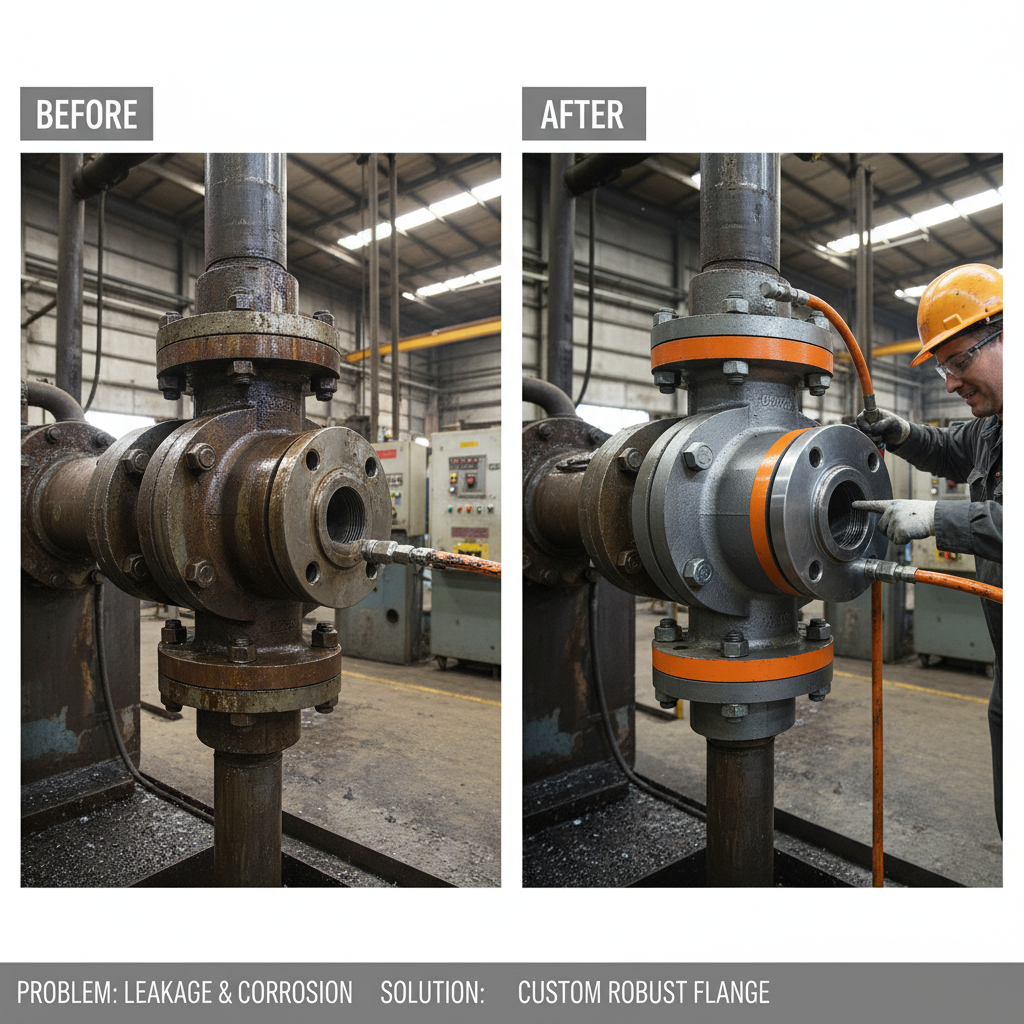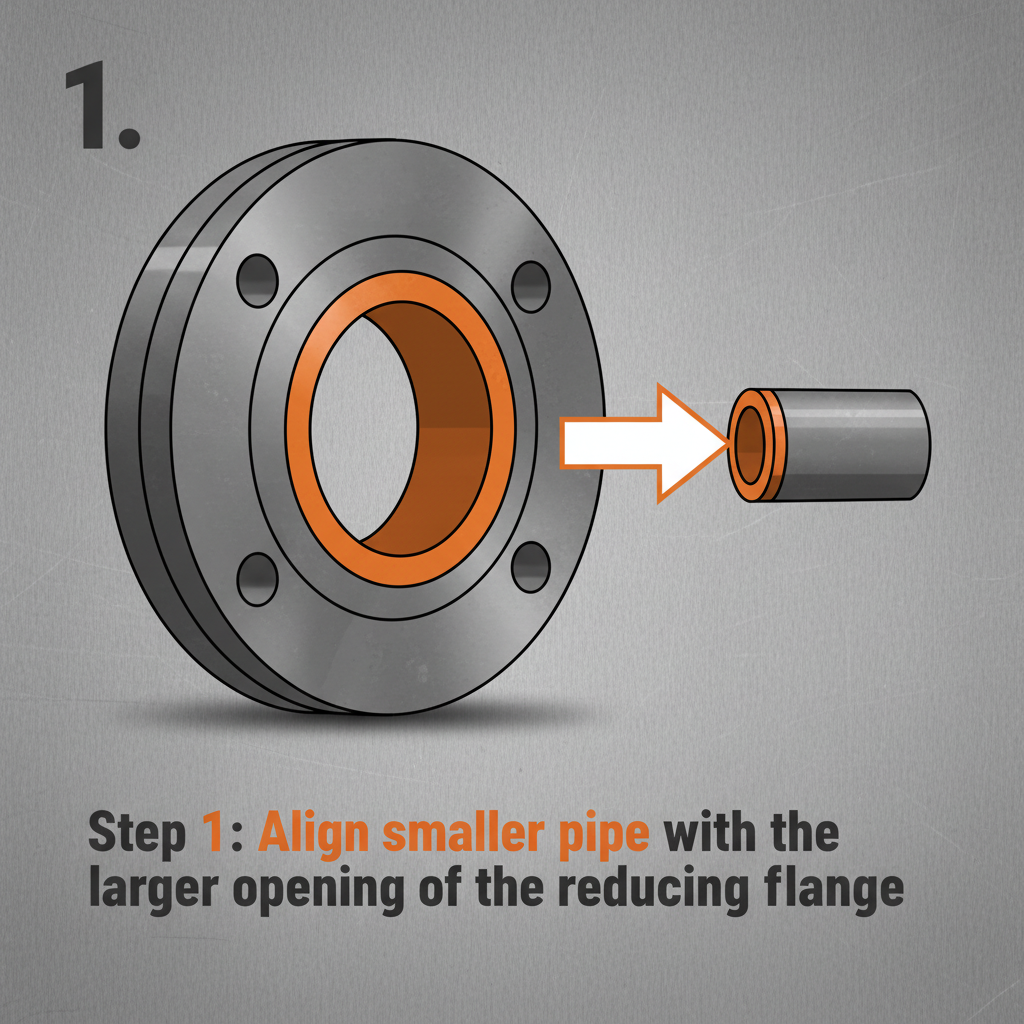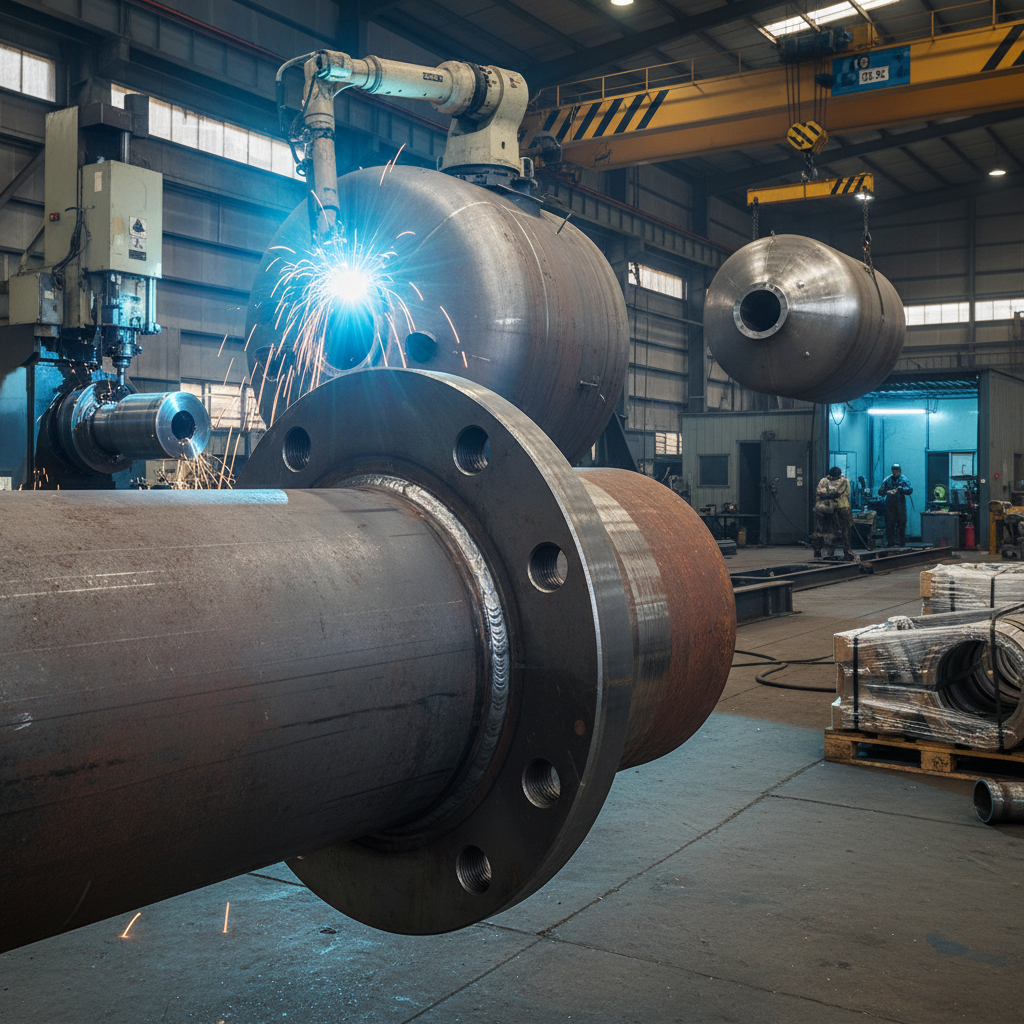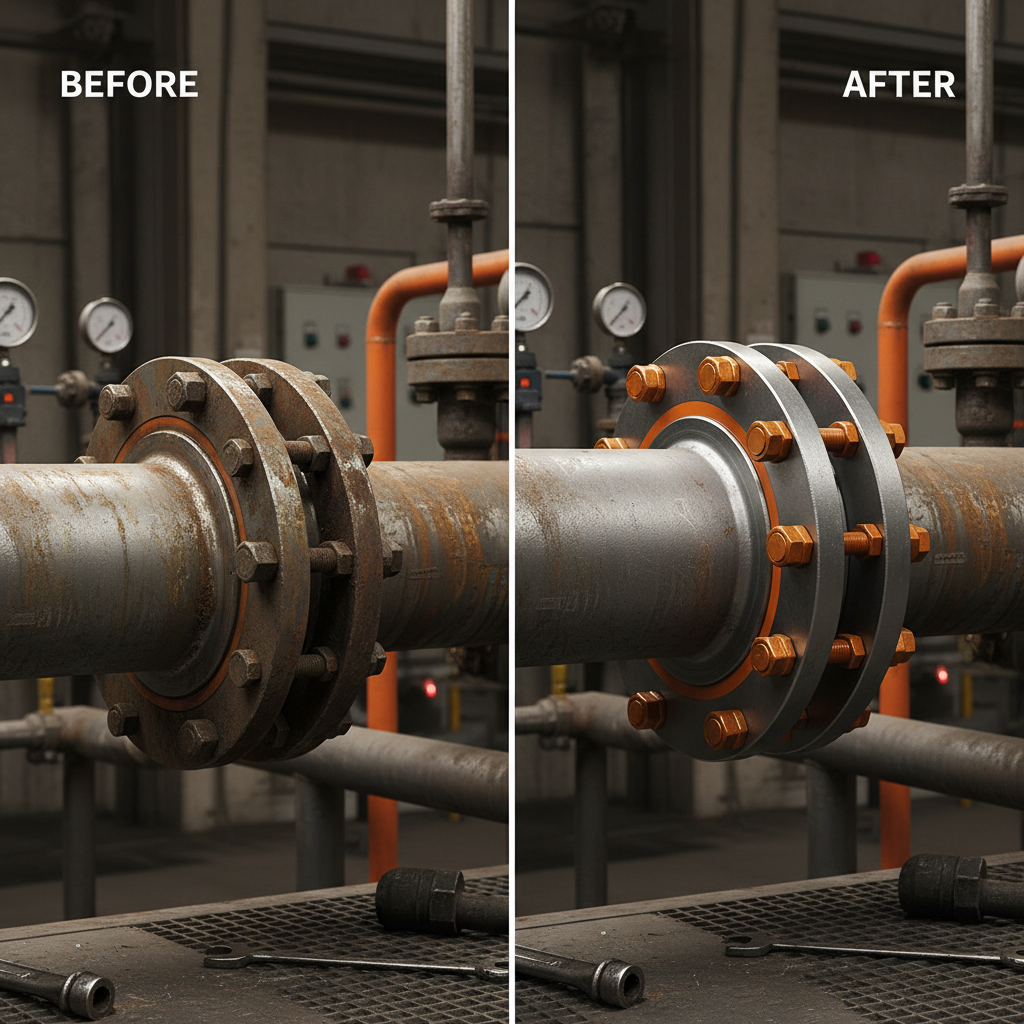
In the complex world of industrial piping and pressure vessel manufacturing, the raised face flange stands as a critical component designed to ensure leak-proof connections under significant pressure. By providing a concentrated sealing surface, these components allow for a more effective gasket compression, which is vital for maintaining the integrity of hazardous material transport and high-pressure steam systems across the globe.
Understanding the nuances of the raised face flange is not merely a technical requirement but a safety imperative for engineers and procurement specialists. Whether in the petrochemical sector or water treatment plants, the ability of a flange to withstand thermal expansion and mechanical vibration determines the longevity of the entire infrastructure, reducing costly downtime and preventing catastrophic environmental leaks.
As global industrial standards evolve toward greater sustainability and efficiency, the demand for precision-engineered raised face flange solutions continues to rise. This guide explores the technical specifications, global applications, and future innovations of these components, offering a comprehensive look at how they support the backbone of modern metal pressure vessel manufacturing.
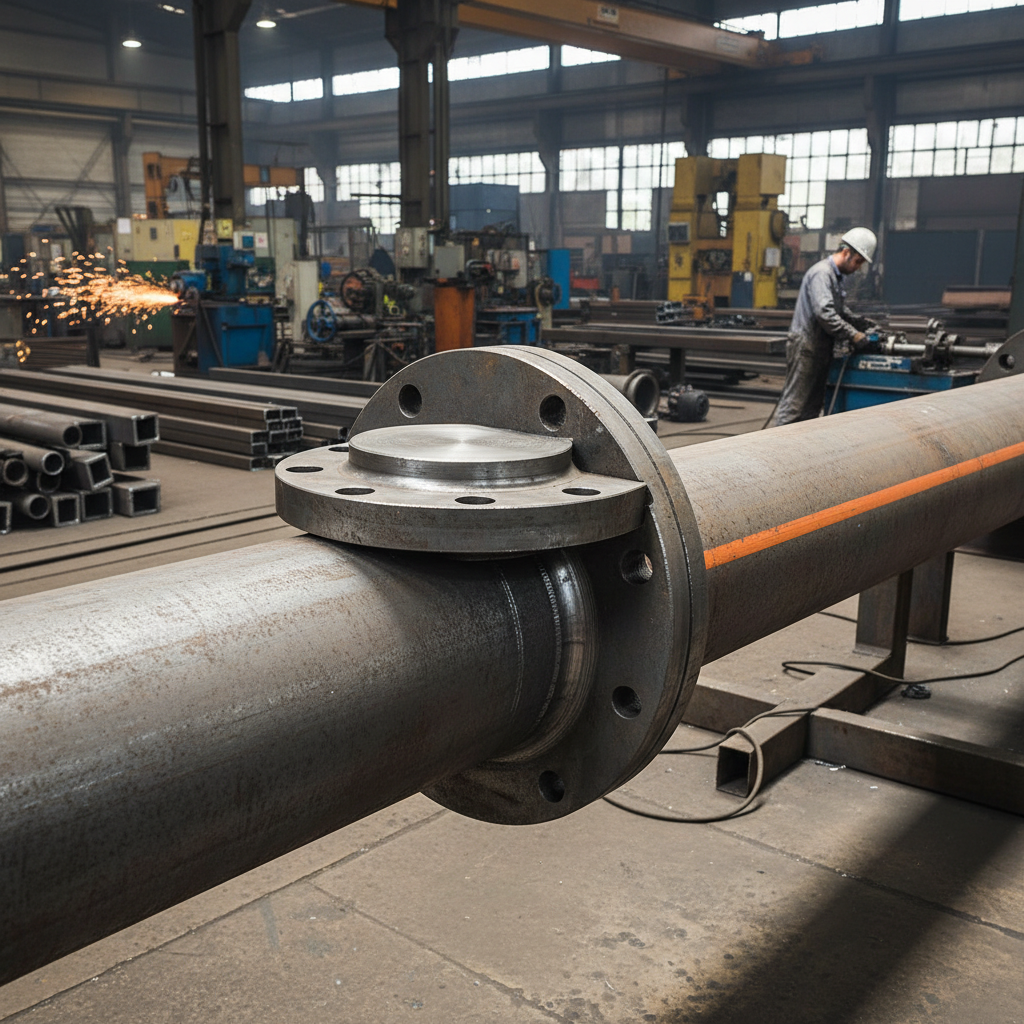
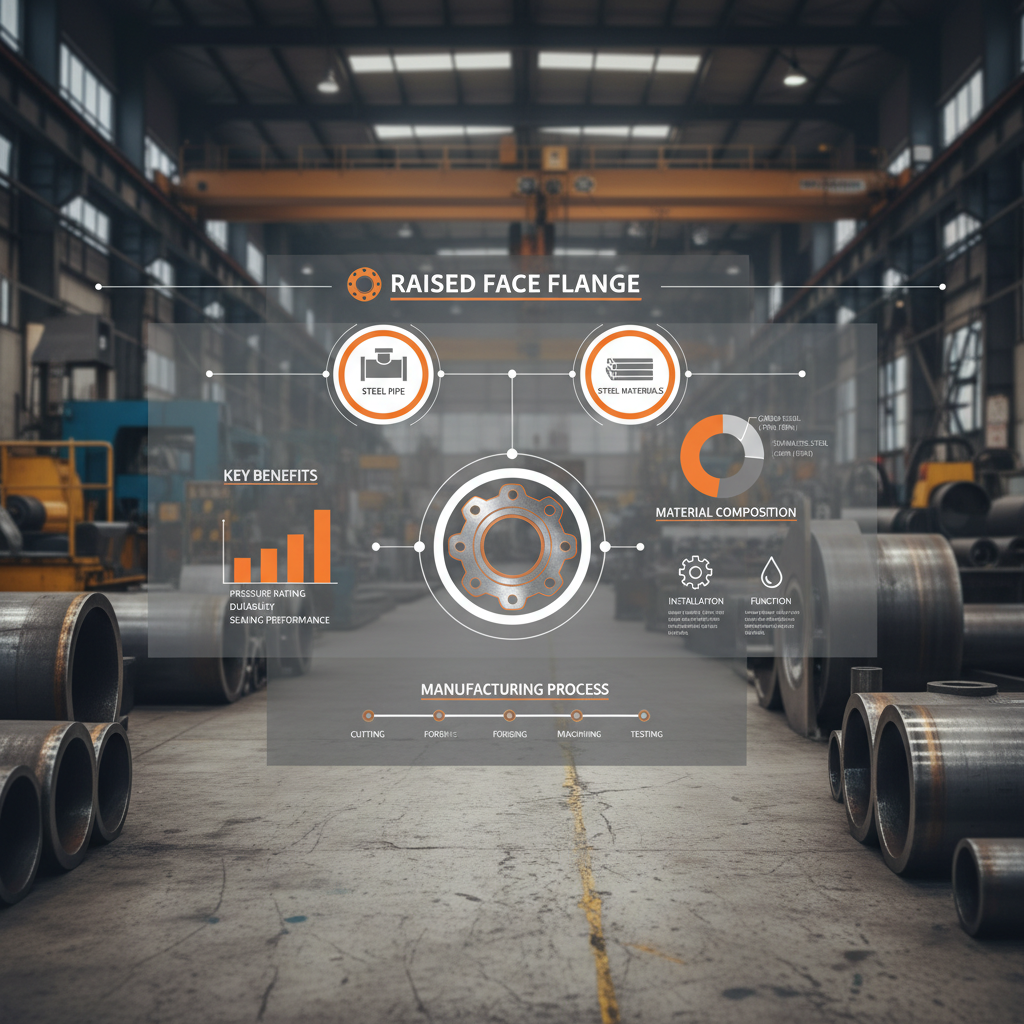
On a global scale, the implementation of a raised face flange is essential for adherence to ISO and ASME international standards. These standards ensure that piping systems in one country can be seamlessly integrated with components from another, facilitating the global trade of oil, gas, and chemical products. The precision required in the "raised" portion of the face is what prevents fluid migration and ensures that the gasket is compressed uniformly, which is a critical requirement for safety in densely populated industrial zones.
The economic impact of choosing the wrong flange face is staggering; unplanned shutdowns in the energy sector can cost millions of dollars per hour. By utilizing the raised face flange, industries minimize the risk of "blowouts" and leaks. This component solves the primary challenge of achieving a high-pressure seal without requiring the extreme bolt loads that would be necessary for a flat-face design, thereby protecting the structural integrity of the connecting pipes.
The primary difference is the protrusion of the gasket surface. A raised face flange has a small raised area around the bore that concentrates the clamping force on the gasket, allowing for higher pressure seals. A flat face flange has a completely flat surface, which is typically used with softer, more fragile gaskets in low-pressure applications to prevent the flange from cracking under too much bolt tension.
For chemical environments, Spiral Wound Gaskets (SWG) are generally recommended for raised face flanges. They combine a metal winding with a soft filler (like PTFE or Graphite), providing the necessary resilience to handle the concentrated pressure of the RF face while resisting corrosive chemicals and temperature fluctuations.
It is generally not recommended. Pairing an RF flange with a FF flange can create an uneven load distribution. If you tighten the bolts to achieve a seal on the raised face, you risk bending or cracking the flat face flange. If this is unavoidable, a thick, compressible gasket must be used, but this is only suitable for very low-pressure systems.
Depending on the operating temperature and vibration levels, bolts should typically be checked during the first 24-48 hours of operation (hot bolting) and then every 6 to 12 months. Thermal expansion can cause bolt relaxation, which reduces the pressure on the raised face and can lead to slow leaks.
Leaks are often caused by "flange misalignment" or surface damage. If the raised face has deep scratches or "gouges," the gasket cannot fill those gaps, creating a leak path. Additionally, over-tightening can deform the flange face (warping), which prevents a uniform seal across the entire circumference.
Generally, they are moderately priced. While they require more machining than a flat face flange, they are far more affordable than high-end Ring Type Joint (RTJ) flanges. Given their versatility and reliability, they offer the best "value-to-performance" ratio for the vast majority of industrial piping projects.
The raised face flange remains a cornerstone of modern industrial engineering, bridging the gap between high-pressure requirements and operational safety. From its specialized surface geometry that optimizes gasket compression to its widespread adoption in global standards, the RF design ensures that the movement of critical fluids is secure, efficient, and sustainable. By focusing on material quality and precision machining, industries can significantly reduce risk and increase the lifespan of their pressure vessel systems.
As we look toward a future defined by green hydrogen and ultra-efficient manufacturing, the evolution of the raised face flange will continue through advanced alloy development and smart coatings. For engineers and procurement officers, the key to long-term success lies in choosing components that meet rigorous international standards and are sourced from experienced manufacturers. To ensure your project is equipped with the highest quality piping components, visit our website: www.hbjypipeline.com.

 Albanian
 Arabic
 Armenian
 Azerbaijani
 Belarusian
 Bengali
 Bulgarian
 Croatian
 Czech
Czech
 Danish
 Dutch
Dutch
 Esperanto
 Finnish
 French
 German
 Greek
Greek
 Hebrew
 Hungarian
 Indonesian
 Irish
Irish
 Italian
 Japanese
 Khmer
Khmer
 Korean
 Kyrgyz
 Lao
Lao
 Latin
Latin
 Lithuanian
 Malay
Malay
 Myanmar
 Norwegian
 Persian
 Polish
 Portuguese
 Romanian
 Russian
 Serbian
 Slovak
 Slovenian
 Spanish
 Swedish
 Tagalog
 Thai
Thai
 Turkish
 Turkmen
 Uzbek
Uzbek
 Vietnamese
 Zulu
Zulu
 English