The dn65 flange serves as a critical junction in modern piping systems, providing a standardized method for connecting pipes, valves, and pumps with precision and reliability. In the realm of pressure vessel manufacturing, the selection of a nominal diameter 65mm connection is often the tipping point between efficient flow management and systemic failure, making it a cornerstone of industrial infrastructure.
Across the global manufacturing landscape, the demand for high-quality dn65 flange components has surged as industries push for higher operating pressures and more corrosive chemical environments. From petrochemical plants to water treatment facilities, the ability to ensure a leak-proof seal under extreme stress is not just a technical requirement but a safety imperative that prevents environmental disasters and industrial accidents.
Understanding the nuances of the dn65 flange—including its material composition, facing types, and adherence to international standards like ASME or DIN—allows engineers to optimize system longevity and reduce maintenance overhead. By bridging the gap between raw forged products and finished pipe fittings, this component ensures that complex industrial networks remain scalable and maintainable over decades of service.
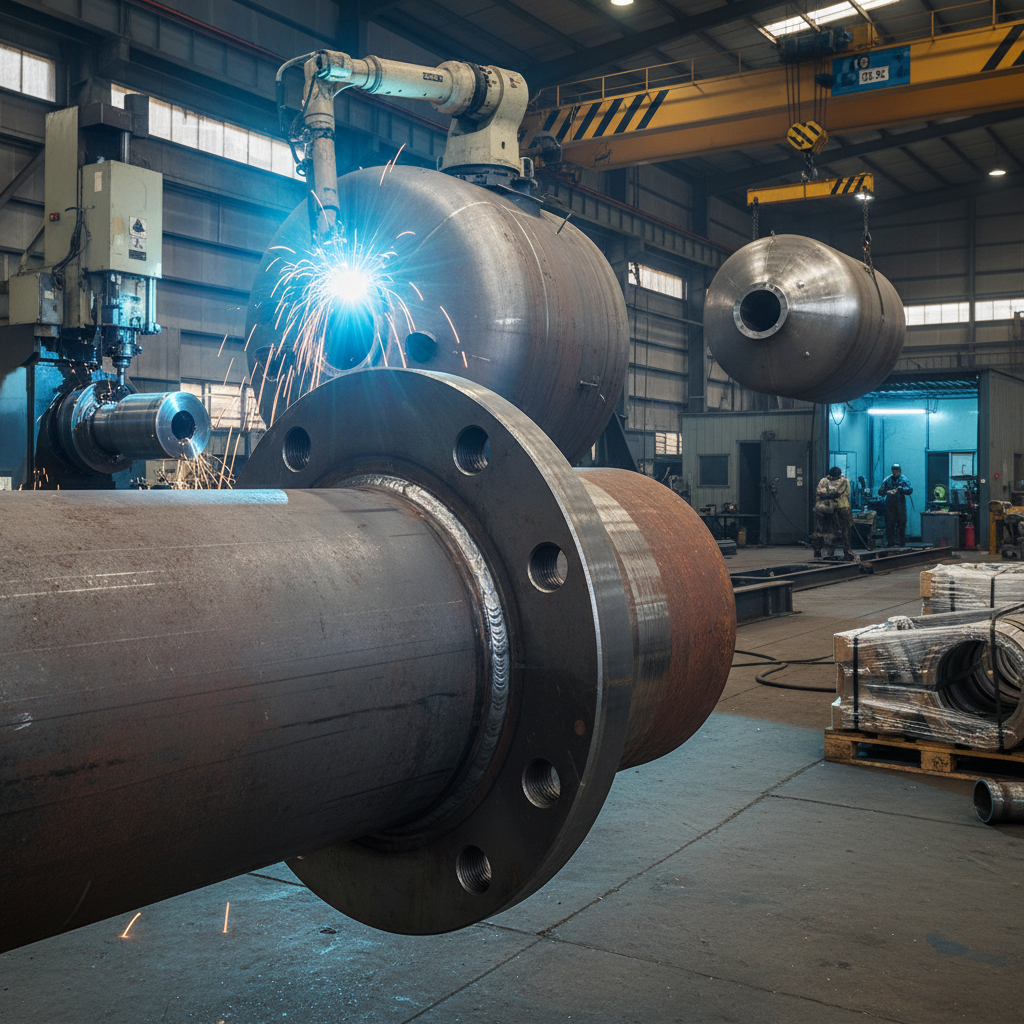
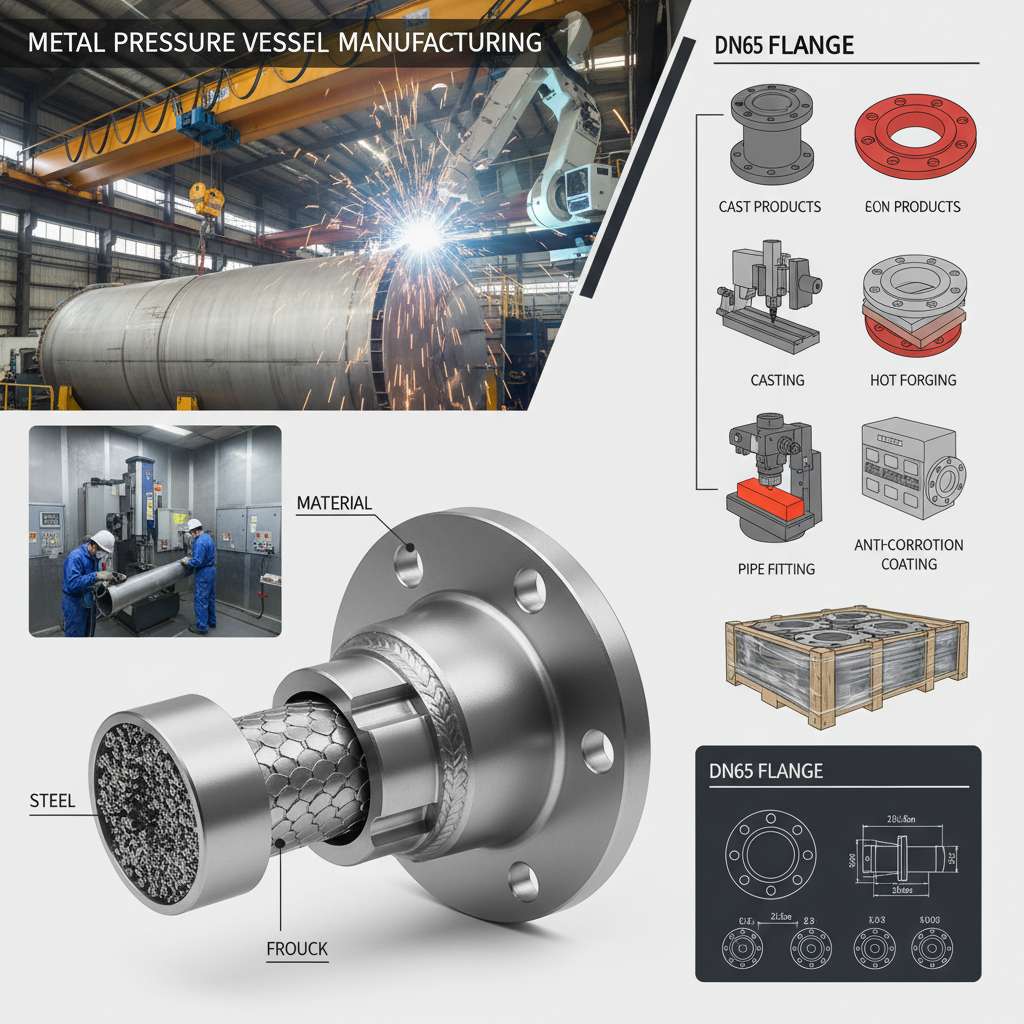
The global industrial sector relies heavily on standardized piping components to maintain cross-border compatibility and safety. According to ISO standards, the consistency of components like the dn65 flange is paramount for the seamless integration of machinery produced in different regions, ensuring that a pump manufactured in Germany can fit perfectly into a pipeline installed in Southeast Asia.
However, the industry faces a persistent challenge: the balance between material cost and structural integrity. As global energy demands shift toward hydrogen and higher-pressure gas transport, the standard dn65 flange must evolve to handle extreme thermal cycling and chemical aggression, pushing the boundaries of traditional metallurgy and forging techniques.
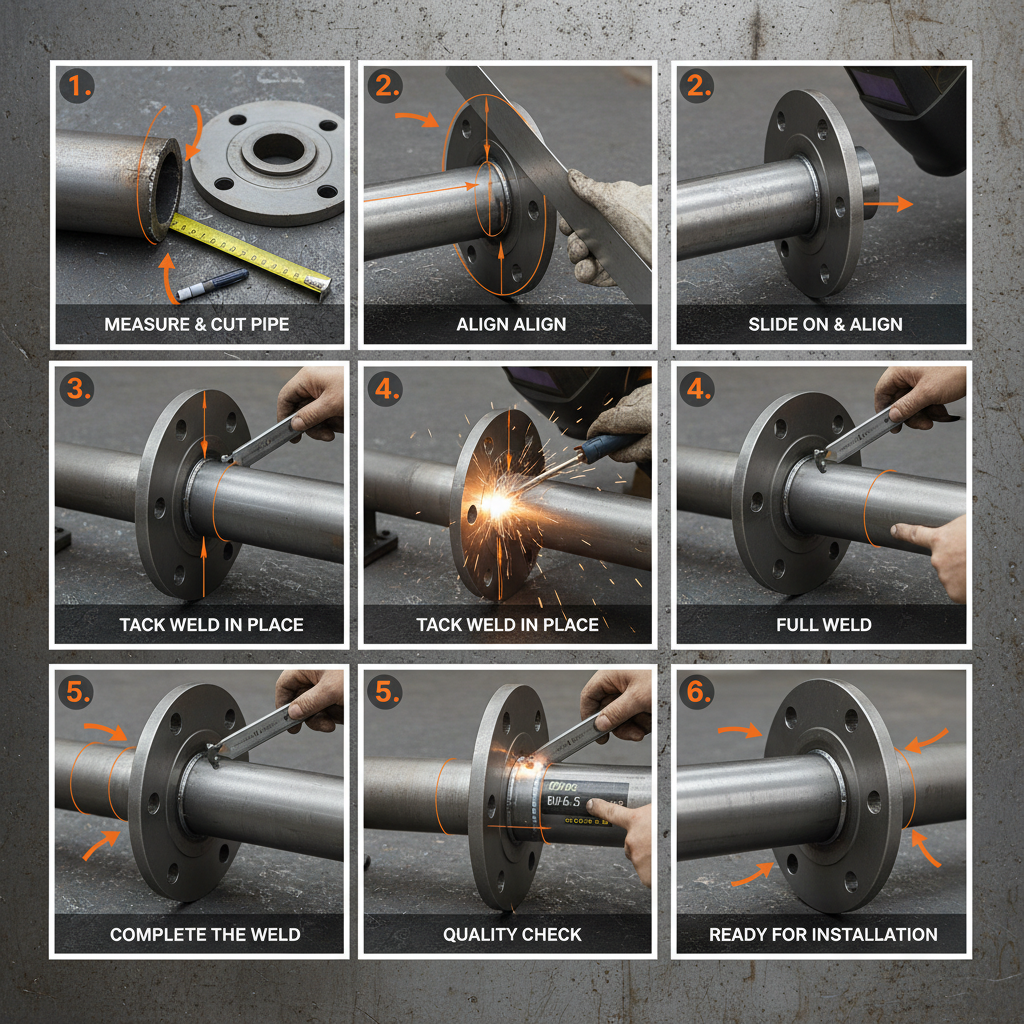
A weld-neck dn65 flange is forged with a long tapered hub that is welded to the pipe, offering superior strength and fatigue resistance, making it ideal for high-pressure or extreme temperature services. A slip-on flange slides over the pipe and is welded both inside and outside, which is easier to align and more cost-effective for low-pressure applications where high structural integrity is less critical.
To ensure compatibility, you must verify three key metrics: the Nominal Diameter (which is 65mm), the Pressure Rating (e.g., Class 150 vs. PN16), and the Standard (e.g., ASME B16.5 vs. EN 1092-1). Mixing these standards often leads to mismatched bolt holes or sealing face offsets, which can cause leaks. Always cross-reference the flange's technical datasheet with the pipe fitting's specifications.
Yes, but the material selection is crucial. For high-temperature steam, you should avoid standard carbon steel and instead opt for alloy steels or high-grade stainless steels that resist thermal expansion and oxidation. Additionally, using a Ring Type Joint (RTJ) facing instead of a Raised Face (RF) can provide a more robust seal against the thermal cycling common in steam systems.
The most effective way to prevent leaks is to follow a strict "star pattern" torque sequence when tightening the bolts. This ensures that the gasket is compressed evenly across the entire surface of the dn65 flange. Furthermore, using a high-quality gasket material that matches the fluid's chemical properties and ensuring the flange faces are clean and free of scratches is essential for a long-term seal.
Inspection frequency depends on the environment. In non-corrosive settings, a visual check every 12-24 months is usually sufficient. However, in high-corrosion or high-vibration environments, quarterly ultrasonic testing or dye penetrant inspections are recommended to check for stress-corrosion cracking or bolt fatigue, ensuring the dn65 flange maintains its structural integrity.
Generally, yes, for industrial pressure applications. Forging creates a denser grain structure and eliminates the porosity often found in cast products, which significantly increases the burst pressure and durability of the dn65 flange. Casting is typically reserved for very low-pressure decorative or drainage systems where the mechanical load is minimal and cost reduction is the primary driver.
The dn65 flange is far more than a simple piece of steel; it is a precision-engineered component that ensures the stability and safety of global industrial networks. By balancing material science, international standardization, and rigorous manufacturing processes, the right choice of flange can minimize operational risks and maximize the efficiency of fluid transport systems across diverse sectors.
Looking forward, the integration of smart monitoring and sustainable materials will continue to redefine the role of the dn65 flange in the industry. For engineers and procurement managers, prioritizing quality and standard compliance today is the only way to build a resilient infrastructure for tomorrow. Visit our website for more professional piping solutions: www.hbjypipeline.com

 Albanian
 Arabic
 Armenian
 Azerbaijani
 Belarusian
 Bengali
 Bulgarian
 Croatian
 Czech
Czech
 Danish
 Dutch
Dutch
 Esperanto
 Finnish
 French
 German
 Greek
Greek
 Hebrew
 Hungarian
 Indonesian
 Irish
Irish
 Italian
 Japanese
 Khmer
Khmer
 Korean
 Kyrgyz
 Lao
Lao
 Latin
Latin
 Lithuanian
 Malay
Malay
 Myanmar
 Norwegian
 Persian
 Polish
 Portuguese
 Romanian
 Russian
 Serbian
 Slovak
 Slovenian
 Spanish
 Swedish
 Tagalog
 Thai
Thai
 Turkish
 Turkmen
 Uzbek
Uzbek
 Vietnamese
 Zulu
Zulu
 English