0%

Table of Contents

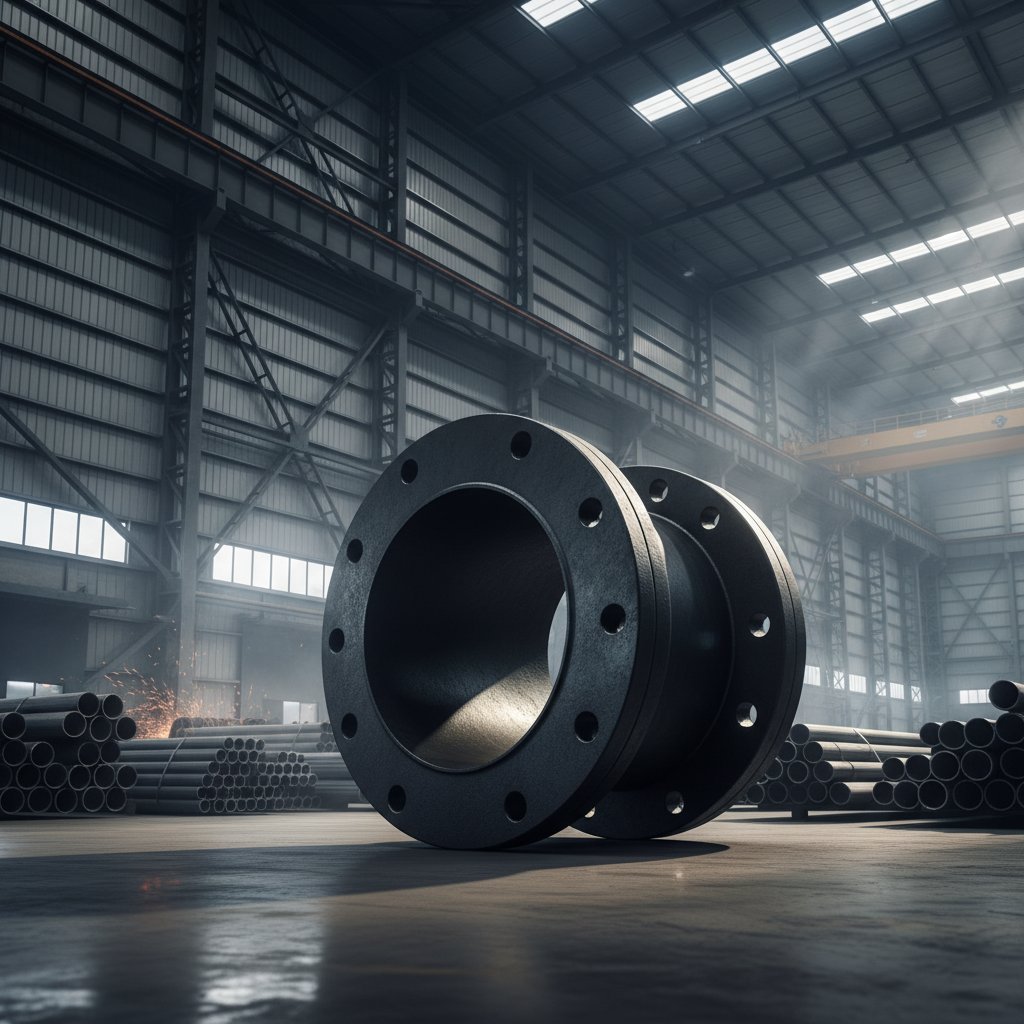
The industrial landscape of pressure vessel manufacturing relies heavily on precision components that ensure safety and structural integrity under extreme conditions. Among these, the spigot flange stands out as a critical engineering solution, designed specifically to provide a secure, leak-proof connection between pipes and valves or other equipment. By utilizing a spigot-and-socket design, these components eliminate the need for extensive welding on the main pipe body, thereby reducing thermal stress and maintaining the material's original properties.

Globally, the demand for high-performance piping solutions has surged as industries like petrochemicals, pharmaceuticals, and energy transition toward more stringent safety standards. Implementing a spigot flange allows engineers to achieve a high degree of alignment and concentricity, which is paramount when dealing with high-pressure gases or volatile liquids. The ability to maintain a tight seal while allowing for controlled disassembly makes it an indispensable asset in modern infrastructure.

Understanding the nuances of these components is not merely a matter of technical compliance but a strategic advantage in operational efficiency. By optimizing the choice of materials—ranging from carbon steel to high-nickel alloys—companies can significantly extend the lifecycle of their pressure systems. This comprehensive guide explores the technical specifications, global applications, and future innovations surrounding the spigot flange to help professionals make informed procurement and design decisions.
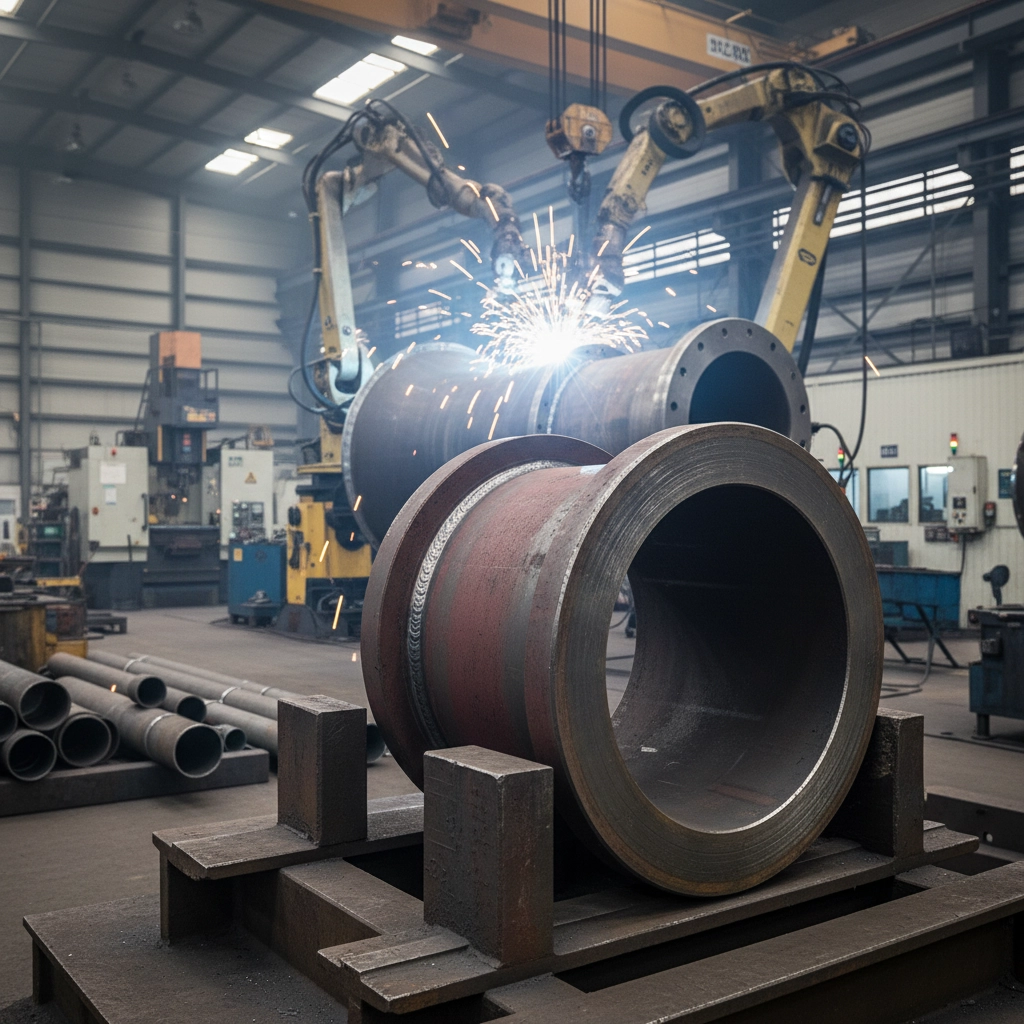
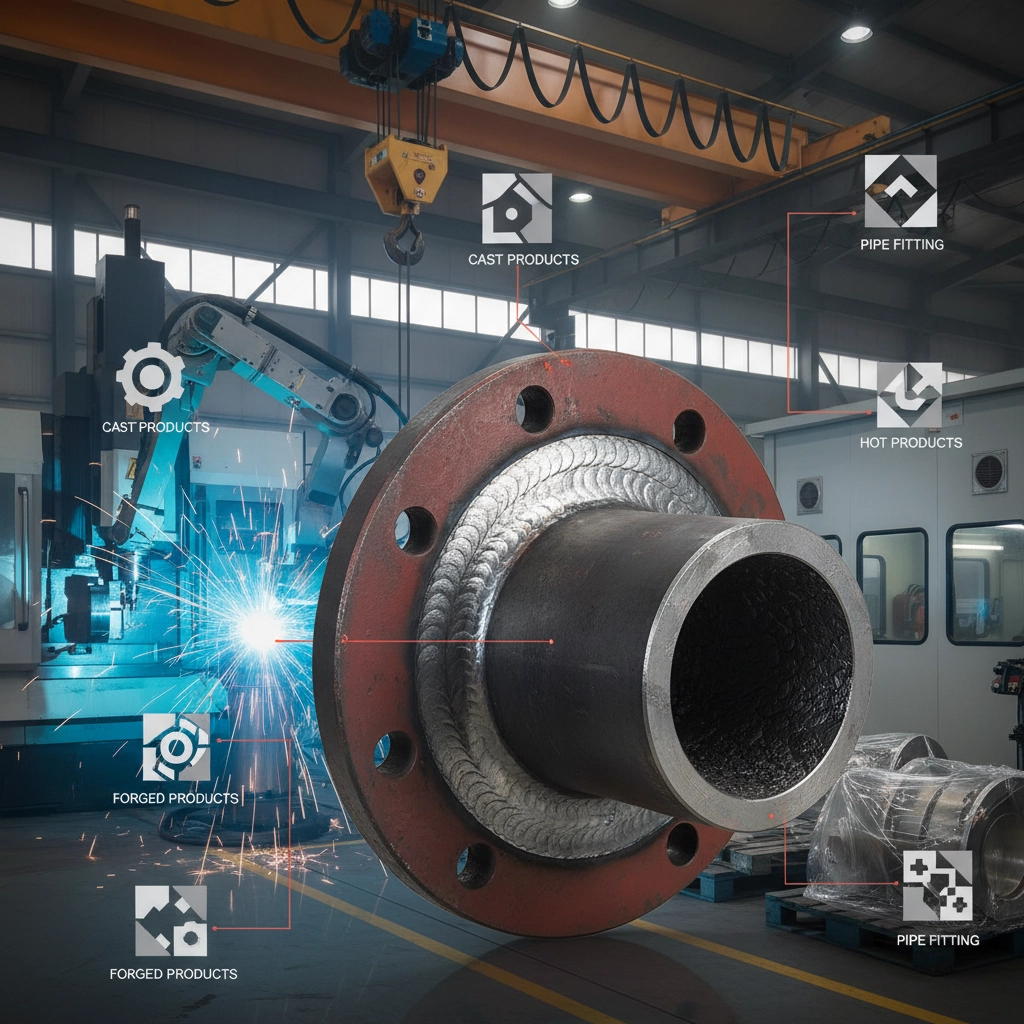
High Performance Spigot Flange for Pressure Vessel Safety

Global Relevance and Industry Context of Spigot Flanges

High Performance Spigot Flange for Pressure Vessel Safety

In the current global industrial climate, the integrity of metal pressure vessels is non-negotiable. According to ISO standards for piping and flanges, the failure of a single joint can lead to catastrophic environmental leaks or industrial accidents. The spigot flange addresses these challenges by providing a robust mechanical interface that minimizes the "Heat Affected Zone" (HAZ) during welding, which is often the weakest point in a high-pressure system.

As emerging economies expand their chemical processing and energy infrastructure, the adoption of standardized spigot-style connections has become a benchmark for safety. The global shift toward hydrogen energy and carbon capture requires materials and joints that can withstand extreme temperature fluctuations and corrosive environments, further elevating the importance of precision-engineered flanges in maintaining systemic stability across international borders.

Definition and Engineering Principles of Spigot Flanges

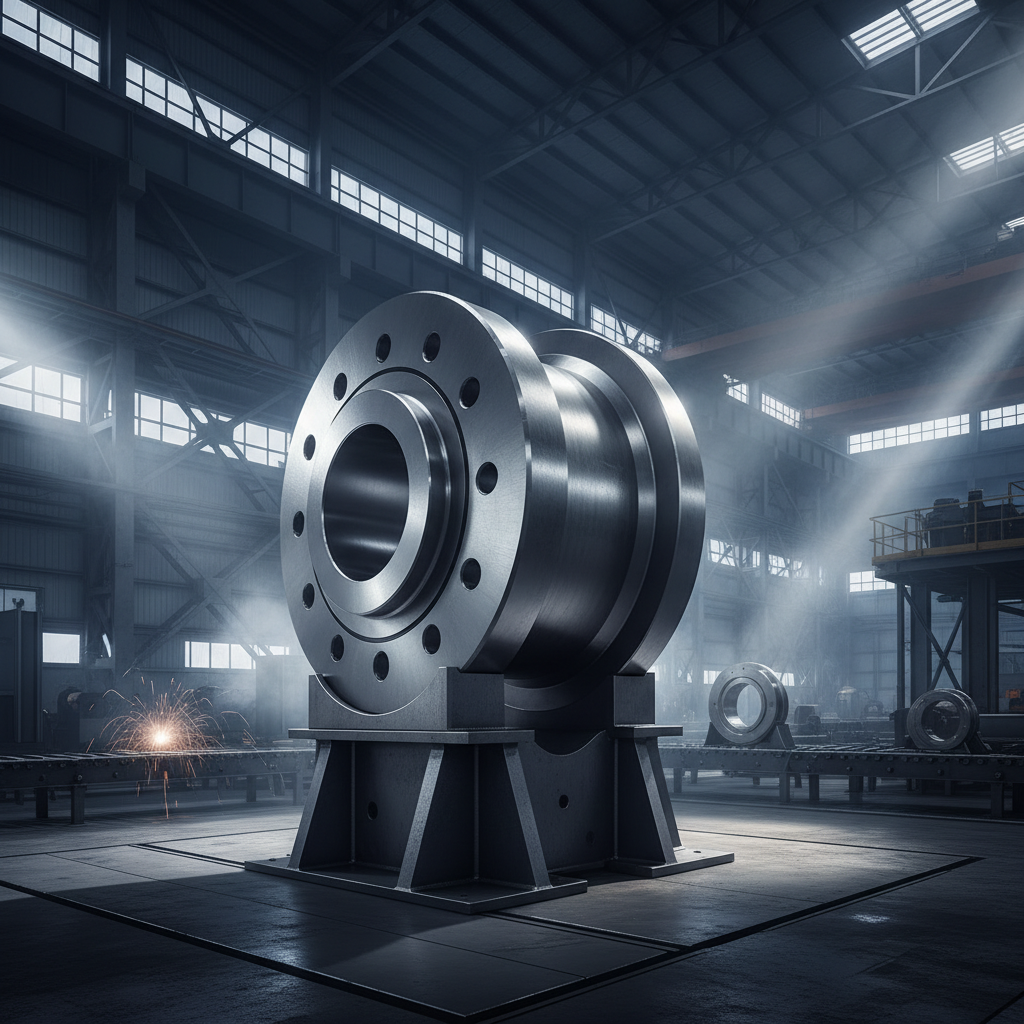
A spigot flange is a specialized type of flange characterized by a protruding collar (the spigot) that fits precisely into the bore of a matching component, such as a valve or a pipe fitting. Unlike standard slip-on flanges, the spigot design creates a physical guide that ensures perfect concentricity between the two joined elements, which is critical for preventing turbulent flow and uneven stress distribution in high-velocity fluid transport.

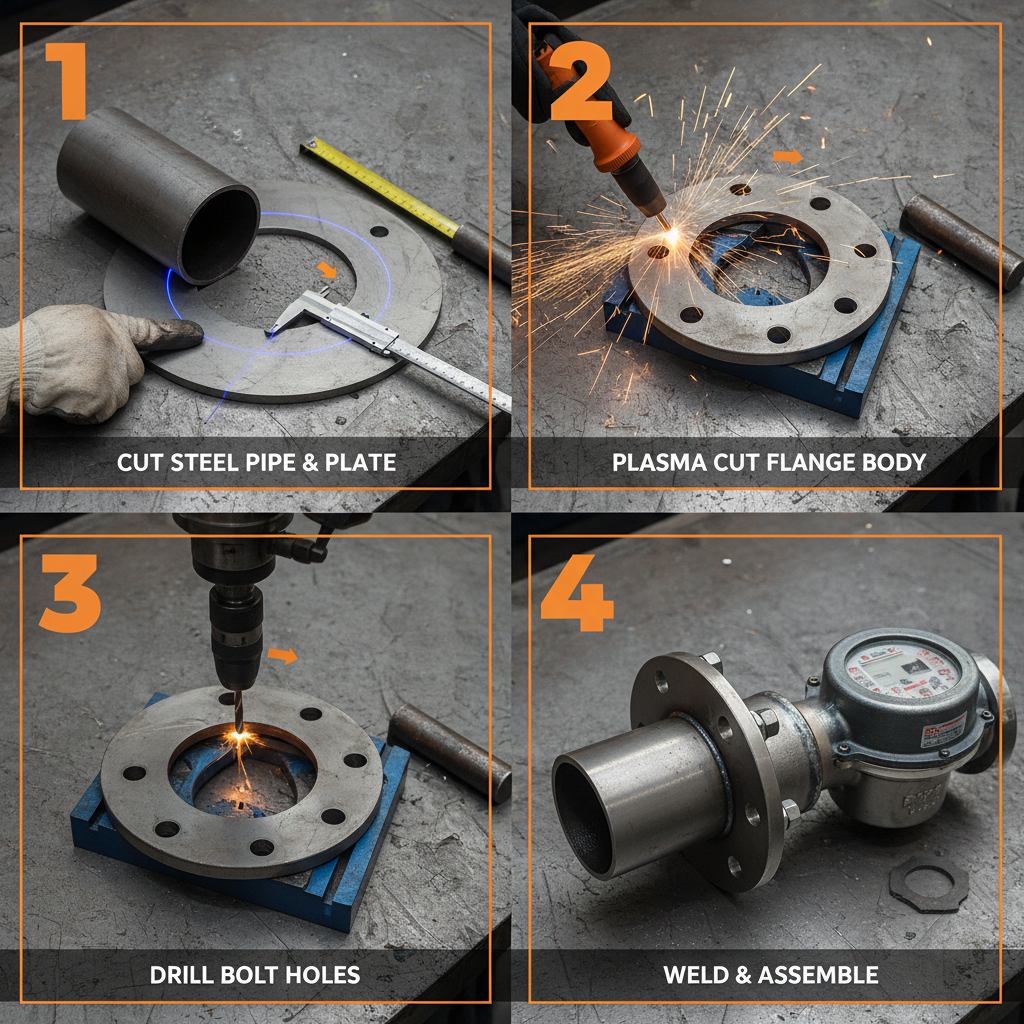
From an engineering perspective, this design simplifies the assembly process by providing a built-in alignment mechanism. The spigot is typically machined to a very tight tolerance, allowing it to slide into the socket with minimal gap. This configuration not only facilitates a more accurate weld but also provides a secondary mechanical support that helps the joint resist bending moments and external vibrations common in heavy industrial settings.

In the context of humanitarian and critical infrastructure—such as water treatment plants in remote regions or emergency medical gas lines—the use of these flanges ensures that systems can be assembled quickly without sacrificing long-term reliability. By reducing the margin for human error during the fitting process, the spigot-style connection enhances the overall safety and lifespan of the installation.

Core Components and Performance Factors

The effectiveness of a spigot flange is primarily determined by its dimensional accuracy and material composition. The "spigot" portion must be perfectly cylindrical to avoid point-loading, which could lead to premature fatigue. When combined with high-grade forged steel or stainless steel, these components exhibit exceptional resistance to creep and oxidation at elevated temperatures.

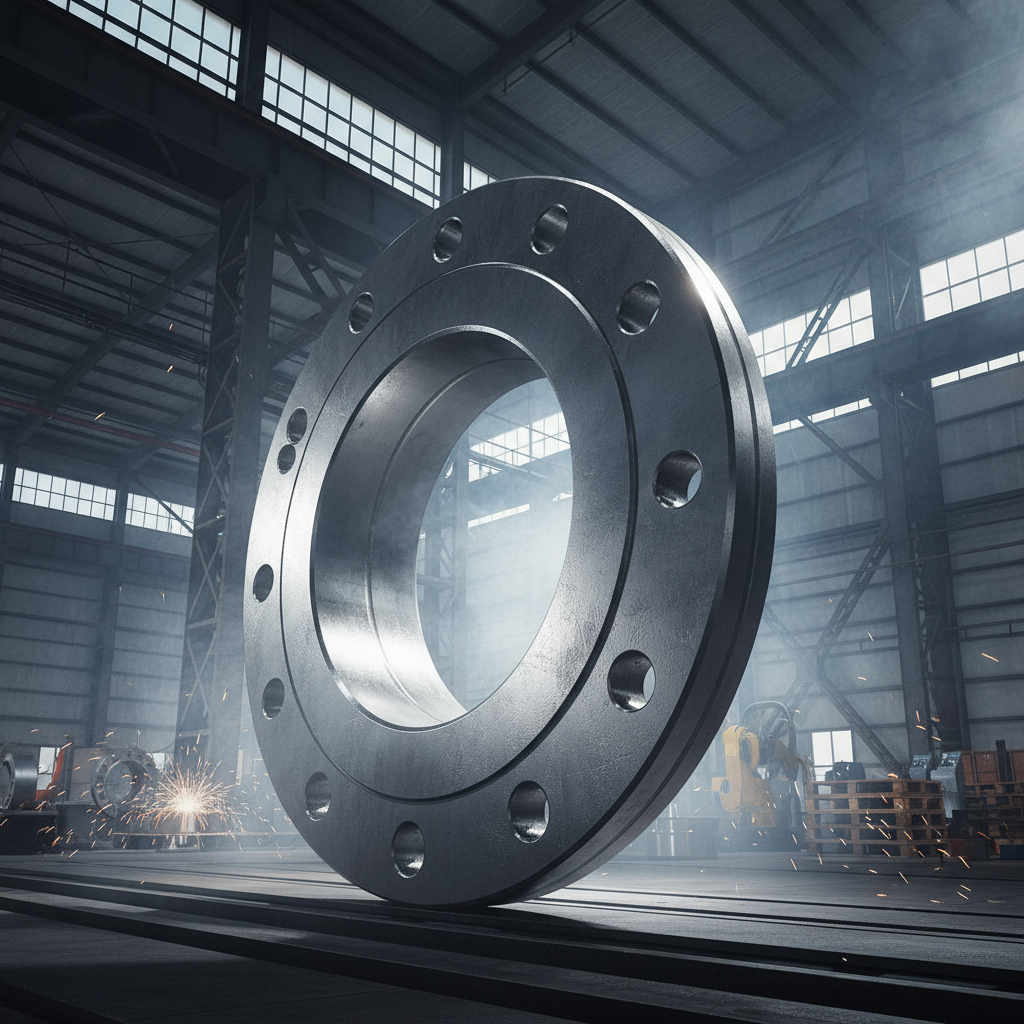
Another critical factor is the surface finish of the sealing face. For a spigot flange, the gasket seating area must be machined to specific roughness standards (Ra) to prevent micro-leaks. Whether using a raised face (RF) or a ring-type joint (RTJ), the precision of the machining ensures that the compressive force is distributed evenly across the gasket, maintaining a seal even under cyclic pressure loads.

Lastly, scalability and cost-efficiency are achieved through the standardization of these components. By following ASME or DIN standards, a spigot flange can be sourced and replaced globally without requiring custom redesigns of the entire piping network. This interchangeability reduces downtime during maintenance cycles and lowers the overall total cost of ownership for plant operators.

Global Applications and Industrial Use Cases

The versatility of the spigot flange makes it a staple in diverse environments. In the petrochemical sector of the Middle East, these flanges are used in high-temperature refineries where thermal expansion is a constant challenge. The spigot design allows for a controlled fit that accommodates slight movements while maintaining a hermetic seal, preventing the escape of hazardous hydrocarbons.

In remote industrial zones, such as mining operations in Australia or Canada, the ease of installation is a primary driver. Maintenance crews often work in harsh weather conditions where precision welding is difficult; the self-aligning nature of the spigot connection minimizes the need for complex jigs and fixtures, allowing for faster repairs and reduced operational downtime in critical extraction pipelines.

Performance Comparison of Flange Connection Methods


Long-Term Value and Operational Advantages

Investing in a high-quality spigot flange provides tangible long-term benefits, primarily through the reduction of fugitive emissions. In an era where ESG (Environmental, Social, and Governance) criteria dictate corporate success, the ability to guarantee a zero-leakage joint is a significant asset. The mechanical stability of the spigot connection ensures that gaskets are not crushed or shifted over time, preserving the seal throughout the equipment's service life.

Beyond the technicalities, there is a psychological value rooted in safety and trust. Plant managers and safety officers can operate with greater confidence knowing that their critical junctions are secured by components that minimize weld-related failures. This reliability translates into lower insurance premiums and a safer working environment for personnel, reinforcing the idea that precision engineering is a fundamental component of industrial dignity and responsibility.

Future Trends and Material Innovations

The evolution of the spigot flange is currently being driven by the digital transformation of manufacturing. The integration of "Smart Flanges"—which incorporate embedded sensors within the spigot collar—allows operators to monitor bolt tension and leak detection in real-time. This shift toward predictive maintenance means that a flange can signal its own need for tightening before a failure occurs, fundamentally changing how industrial plants are managed.

Material science is also playing a pivotal role, with the introduction of additive manufacturing (3D printing) for complex alloy flanges. By using laser powder bed fusion, manufacturers can now create spigot flange designs with internal cooling channels or optimized weight-to-strength ratios. This is particularly useful in the aerospace and cryogenic sectors, where every gram of weight and every degree of temperature control is vital.

Furthermore, the push toward "Green Steel" and sustainable smelting processes is ensuring that these components have a lower carbon footprint. Future iterations of spigot flanges will likely utilize recycled high-performance alloys, aligning the heavy manufacturing industry with global net-zero goals without compromising the extreme durability required for pressure vessel applications.

Technical Challenges and Expert Solutions

Despite their advantages, the installation of a spigot flange can present challenges, particularly regarding "galling" in stainless steel components. Galling occurs when sliding surfaces weld together under pressure, making it impossible to adjust the fit. Expert solutions involve the use of anti-seize lubricants or specialized surface coatings like PTFE or Electroless Nickel Plating, which reduce friction and ensure a smooth assembly process.

Another common issue is the misalignment of the mating pipe, which can put undue stress on the spigot. To overcome this, experienced engineers employ precision laser alignment tools before the final weld is performed. By ensuring the axis of the pipe and the axis of the spigot flange are perfectly coaxial, the risk of stress corrosion cracking (SCC) is virtually eliminated.

Finally, the selection of the correct gasket material remains a point of contention in many projects. We recommend a systemic approach: matching the gasket's chemical compatibility and pressure rating to the specific fluid being transported. For high-pressure steam, spiral-wound gaskets with graphite fillers are the gold standard when paired with a spigot flange, providing the necessary resilience and recovery properties.

Technical Analysis of Spigot Flange Material and Application Performance

Material Grade Pressure Rating Corrosion Resistance Typical Industry
Carbon Steel A105 High (Class 150-2500) Moderate (Requires Coating) General Oil & Gas
Stainless Steel 316L Medium-High Excellent Pharmaceuticals
Duplex Steel 2205 Very High Superior (Chloride Res.) Marine/Desalination
Nickel Alloy 625 Extreme Ultimate Chemical Processing
Chrome-Moly Steel High (Temp Resistant) Moderate Power Plants
Titanium Grade 2 Medium Exceptional Aerospace/Medical

FAQS

What is the primary difference between a spigot flange and a weld neck flange?

The primary difference lies in the connection method. A weld neck flange has a tapered hub that is butt-welded to the pipe, offering excellent stress distribution for extreme pressures. A spigot flange features a protruding collar that inserts into a socket, providing superior alignment and a more simplified installation process that reduces the heat-affected zone during welding, making it ideal for specific valve connections.

How do I prevent galling when installing a stainless steel spigot flange?

Galling can be prevented by applying a high-quality, nickel-based anti-seize lubricant to the spigot collar before insertion. Additionally, using materials with slightly different hardness levels or applying surface treatments such as Electroless Nickel Plating (ENP) can significantly reduce the friction and prevent the metal surfaces from cold-welding together during assembly.

Are spigot flanges suitable for cryogenic temperatures?

Yes, provided the material is selected correctly. For cryogenic applications, stainless steels (like 304L or 316L) or nickel alloys are used because they maintain ductility at extremely low temperatures. The spigot design is actually beneficial here as it ensures a precise fit that can withstand the intense contraction and expansion cycles associated with cryogenic fluids.

Can a spigot flange be used with any type of gasket?

While a spigot flange is compatible with many gaskets, the choice depends on the medium and pressure. For low-pressure water, EPDM or PTFE gaskets work well. However, for high-pressure or high-temperature industrial use, spiral-wound gaskets (SS316 with graphite filler) are strongly recommended to ensure a leak-proof seal that can handle the compressive forces of the flange.

What are the typical tolerances for a spigot flange collar?

Tolerances vary by standard (ASME vs DIN), but typically, the spigot collar is machined to a "transition fit" or a "slight clearance fit." This means the tolerance is often within a few hundredths of a millimeter to ensure the flange slides into the socket easily but without excessive play, which would compromise the alignment and the integrity of the final weld.

How do I verify the integrity of a spigot flange weld?

The most reliable methods for verifying a spigot flange weld include Non-Destructive Testing (NDT). Radiographic Testing (RT) is used to find internal voids or inclusions, while Dye Penetrant Inspection (DPI) or Magnetic Particle Inspection (MPI) can be used to detect surface cracks. For critical high-pressure systems, a hydrostatic pressure test is always performed to ensure the joint holds under 1.5x the operating pressure.

Conclusion

In summary, the spigot flange represents a sophisticated intersection of mechanical precision and industrial safety. By prioritizing alignment, reducing thermal stress through optimized welding zones, and offering exceptional versatility across diverse materials, it solves the most persistent challenges in pressure vessel manufacturing. From the depths of marine desalination plants to the heights of petrochemical refineries, the reliability of this component is central to preventing catastrophic failures and ensuring operational continuity.

Looking forward, the integration of smart sensing and sustainable metallurgy will only enhance the value proposition of spigot-style connections. As industries strive for greater efficiency and a lower environmental footprint, the transition toward precision-engineered, low-emission joints is inevitable. We encourage engineers and procurement specialists to prioritize high-tolerance components and rigorous NDT verification to future-proof their infrastructure. Visit our website for professional guidance and premium products: www.hbjypipeline.com

Robert Miller

Robert Miller

Robert Miller serves as the Senior Metallurgical Engineer at Hebei Jiuyuan Pipeline Manufacturing. With over 15 years of experience in materials science and pipeline integrity, Robert specializes in alloy steel selection and welding procedure qualification. He's been instrumental in ensuring our products meet stringent ANSI/ASME standards, particularly for projects in
Previous High Quality Base Flange Engineering for Industrial Safety
Next High Quality dn65 flange for Industrial Piping Systems
en_USEnglish