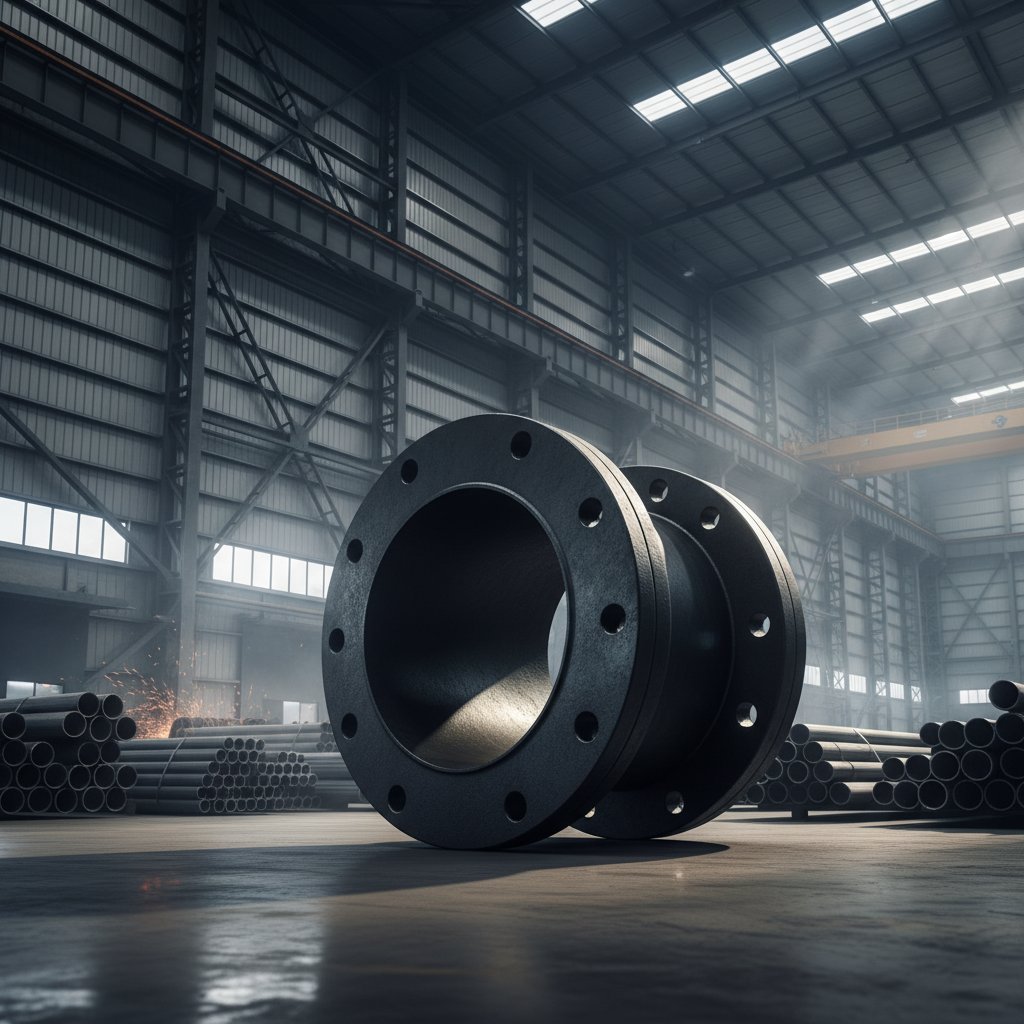
In the complex world of pressure vessel manufacturing, the base flange serves as the critical foundation that ensures structural integrity and leak-proof connectivity. As global industrial demands shift toward higher pressures and more corrosive environments, the precision engineering of these components has become paramount for operational safety.
Understanding the nuances of a high-quality base flange is not merely a technical requirement but a strategic advantage for engineers and procurement managers. By optimizing the interface between piping systems and equipment, industries can significantly reduce downtime and mitigate the risks of catastrophic failure in high-stakes environments.
From the depths of petrochemical plants to the precision of pharmaceutical laboratories, the implementation of a standardized and robust base flange system ensures that global infrastructure remains resilient. This guide explores the technical dimensions, applications, and future innovations that define modern flange engineering.
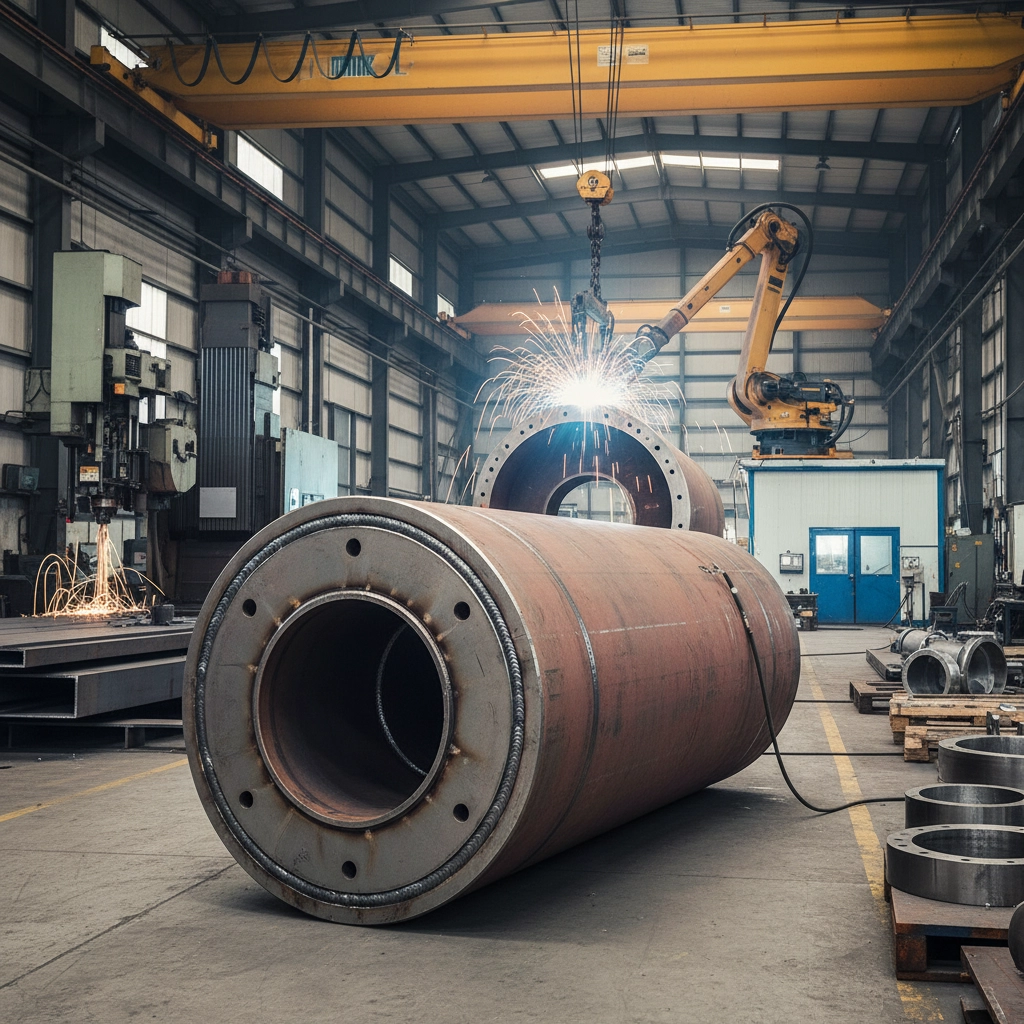
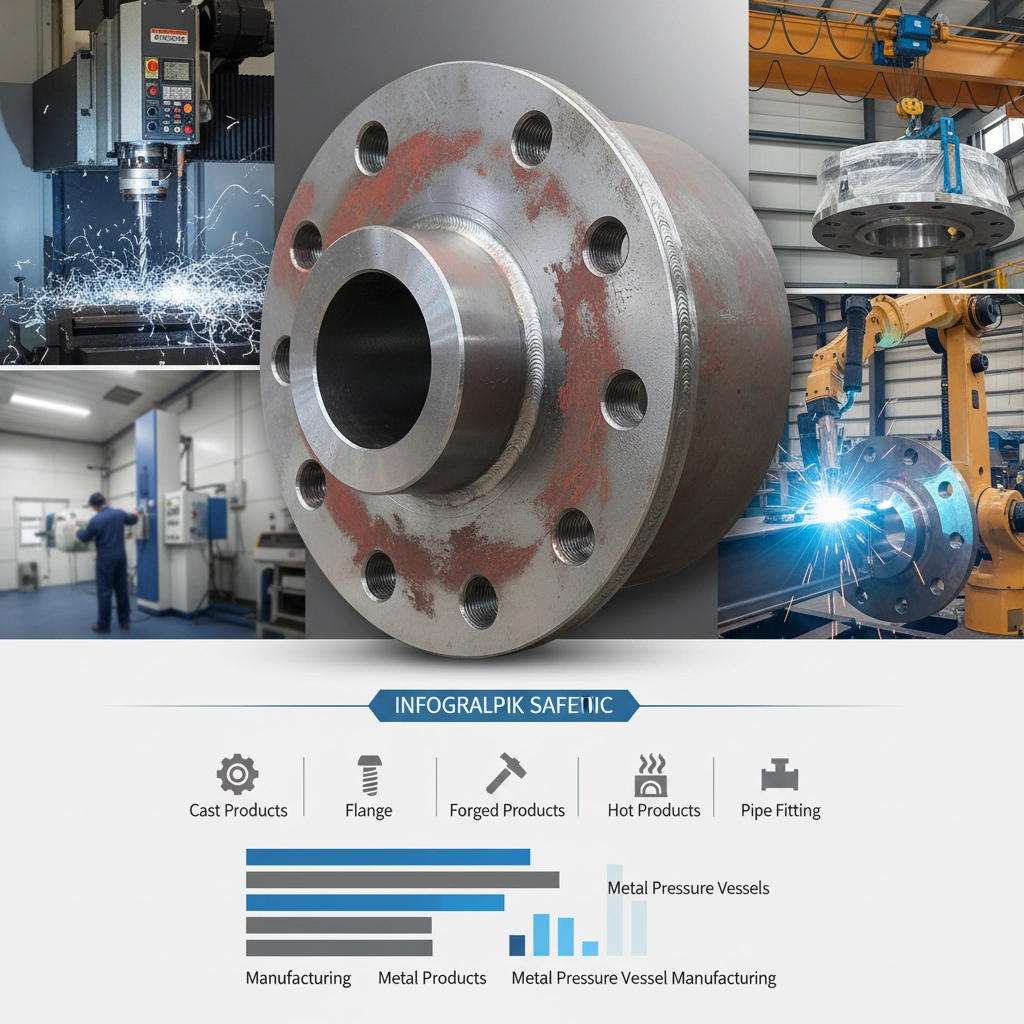
On a global scale, the demand for high-performance base flange components is driven by the expansion of the energy and chemical sectors. According to ISO standards for pressure piping, the reliability of a joint is only as strong as its weakest point, making the base connection the most scrutinized element in any plant design.
The industry currently faces a critical challenge: balancing the need for extreme durability with the push for lightweight materials. As emerging economies invest heavily in industrialization, the pressure to implement standardized, high-safety flanges has never been higher to prevent environmental disasters and industrial accidents.
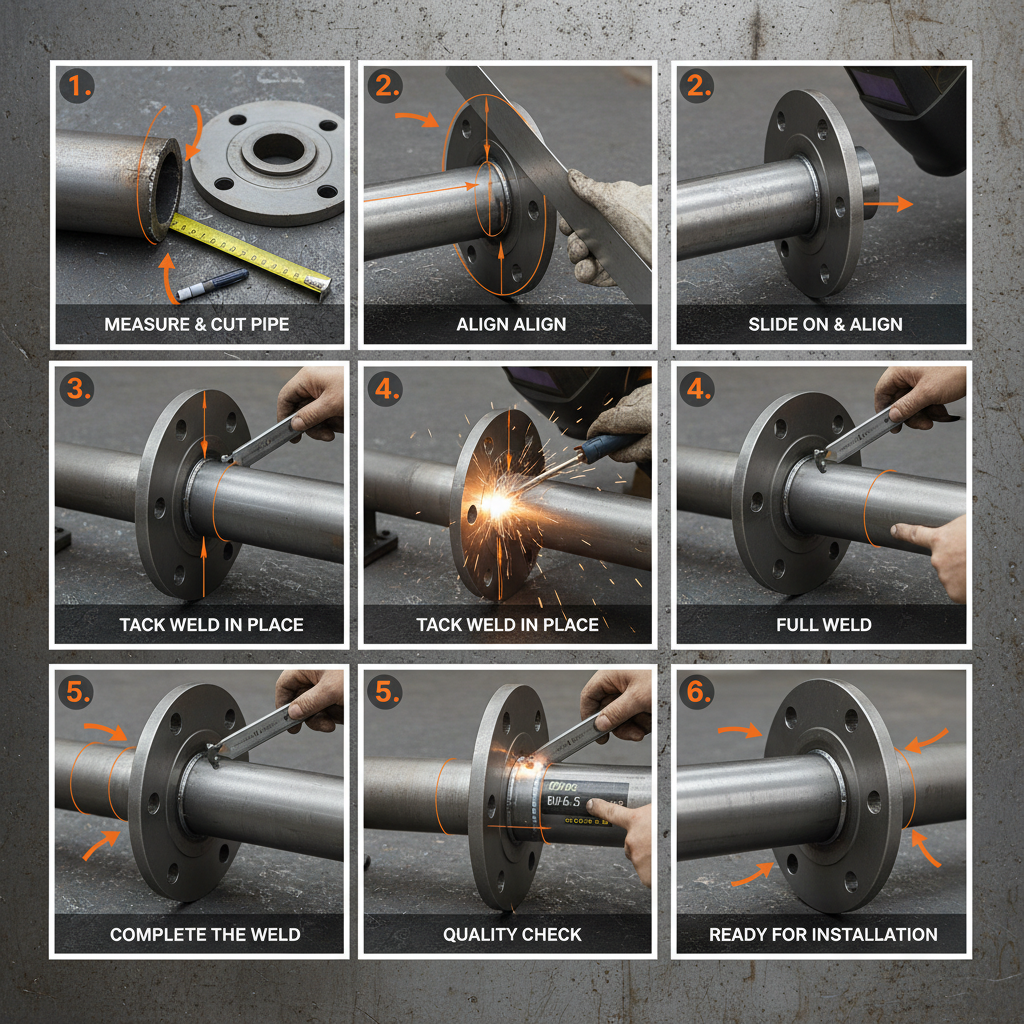
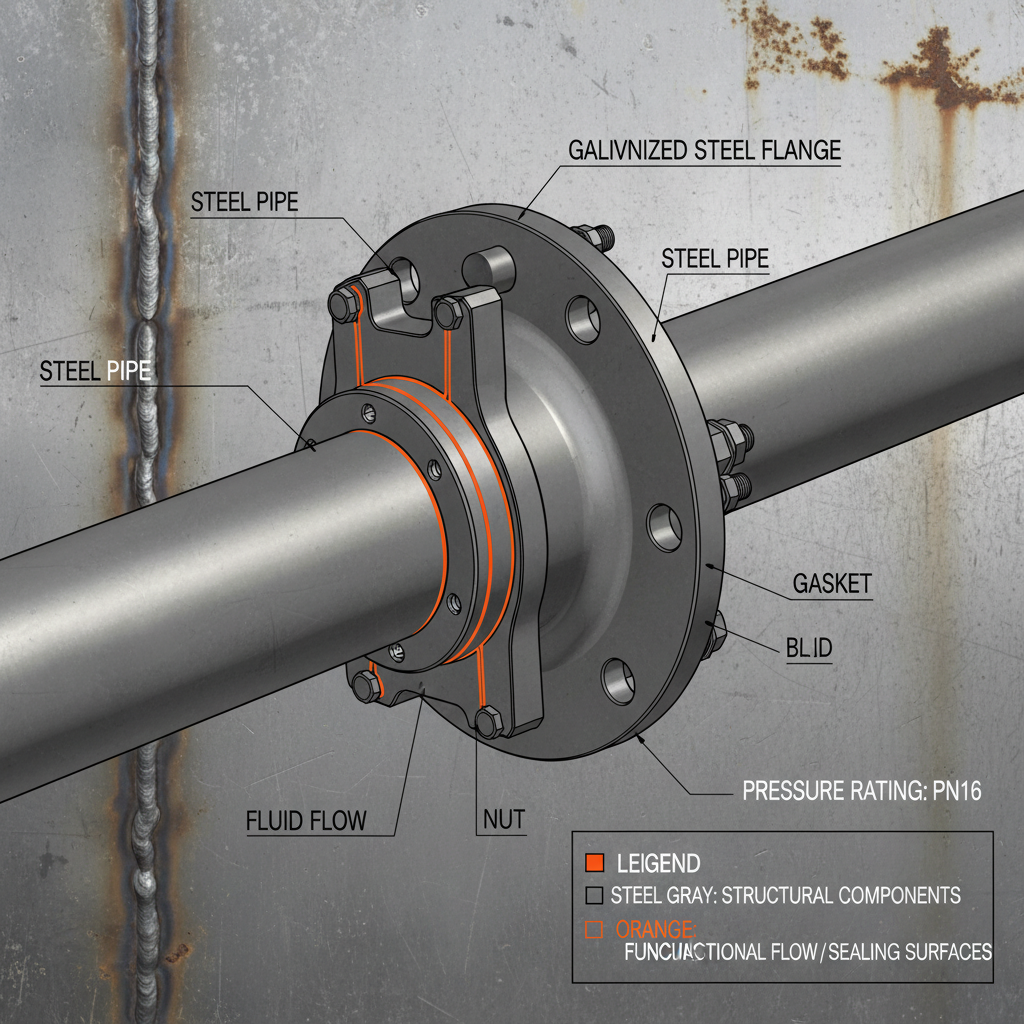
A welded base flange provides a permanent, leak-proof connection ideal for high-pressure systems where disassembly is rare. A threaded base flange allows for easier removal and installation using standard tools, making it better for low-pressure utility lines or systems requiring frequent maintenance. Welded options offer superior structural integrity under extreme stress.
Selection depends on the medium being transported, the operating temperature, and the external environment. For general purpose, carbon steel is sufficient. For corrosive chemicals, stainless steel or nickel alloys are required. Always refer to ASME or ISO material charts to match the flange grade with the specific chemical compatibility of your process fluid.
Yes, provided the sealing face has not been scored or warped. However, the gasket must always be replaced. It is professional practice to inspect the base flange face with a precision straight-edge and a surface roughness gauge to ensure it still meets specifications before re-installation to avoid potential leaks.
The most frequent causes are improper bolt torque, using an incorrect gasket material, or surface irregularities on the flange face. Uneven tightening can warp the flange, while a gasket that is too hard for the available clamping force will fail to seal. Following a star-pattern tightening sequence is critical for a successful seal.
Not necessarily. Standard flanges (ASME/DIN) are highly reliable because they are engineered for predictable loads. Custom base flanges are necessary only when standard sizes don't fit the specific equipment. When going custom, it is vital to perform a full engineering stress analysis to ensure the custom dimensions don't create weak points.
Thermal expansion and contraction can cause "thermal cycling," which may loosen bolts or compress gaskets over time. For high-temperature applications, materials with low thermal expansion coefficients are chosen, and specialized high-temperature gaskets (like spiral wound) are used to maintain the seal as the base flange expands.
In summary, the base flange is far more than a simple connector; it is a sophisticated engineering component that safeguards the efficiency and safety of global industrial operations. From the careful selection of metallurgy and precision machining to the implementation of smart monitoring technologies, every detail contributes to the overall resilience of the piping system.
Looking ahead, the integration of sustainable materials and digital twins will redefine how we maintain and deploy these critical interfaces. For companies seeking to optimize their infrastructure, prioritizing high-quality, certified flanges is the most effective way to ensure long-term reliability and operational excellence. Visit our website: www.hbjypipeline.com

 Albanian
 Arabic
 Armenian
 Azerbaijani
 Belarusian
 Bengali
 Bulgarian
 Croatian
 Czech
Czech
 Danish
 Dutch
Dutch
 Esperanto
 Finnish
 French
 German
 Greek
Greek
 Hebrew
 Hungarian
 Indonesian
 Irish
Irish
 Italian
 Japanese
 Khmer
Khmer
 Korean
 Kyrgyz
 Lao
Lao
 Latin
Latin
 Lithuanian
 Malay
Malay
 Myanmar
 Norwegian
 Persian
 Polish
 Portuguese
 Romanian
 Russian
 Serbian
 Slovak
 Slovenian
 Spanish
 Swedish
 Tagalog
 Thai
Thai
 Turkish
 Turkmen
 Uzbek
Uzbek
 Vietnamese
 Zulu
Zulu
 English