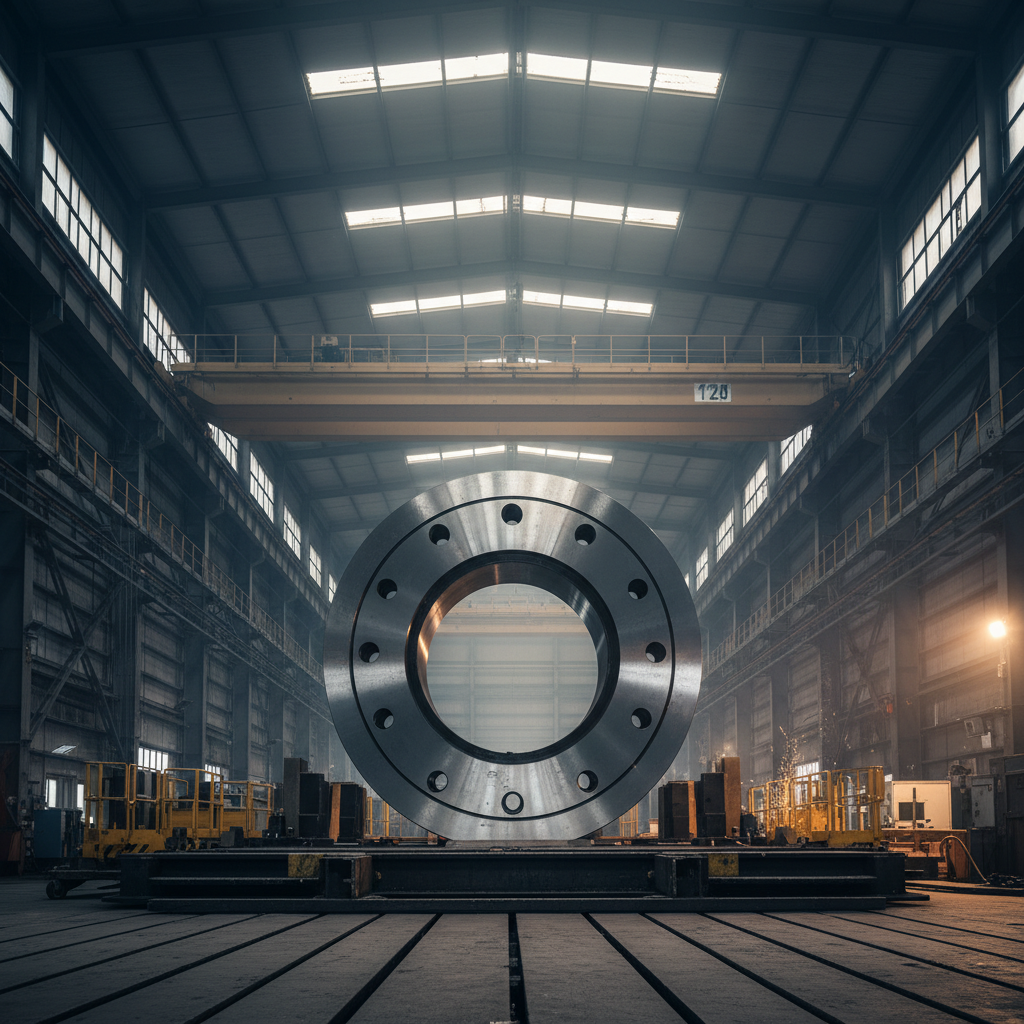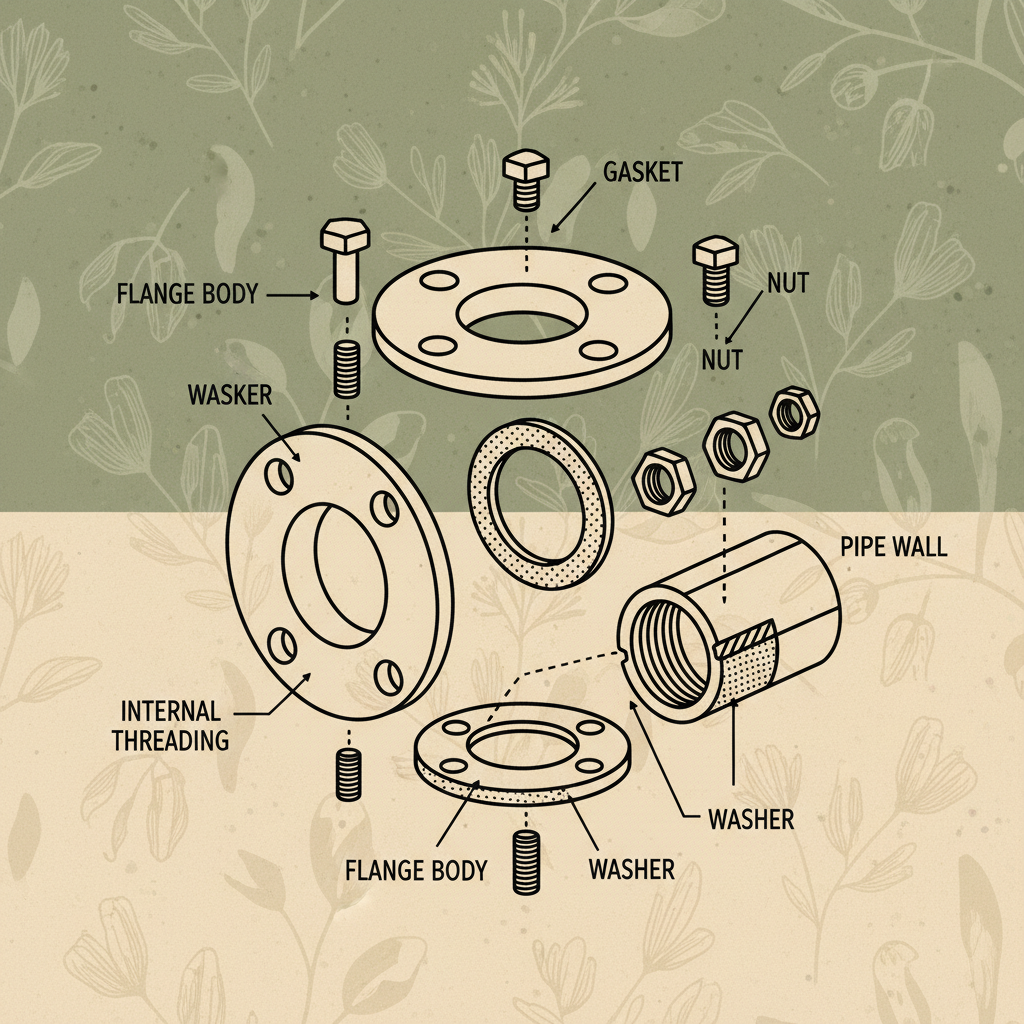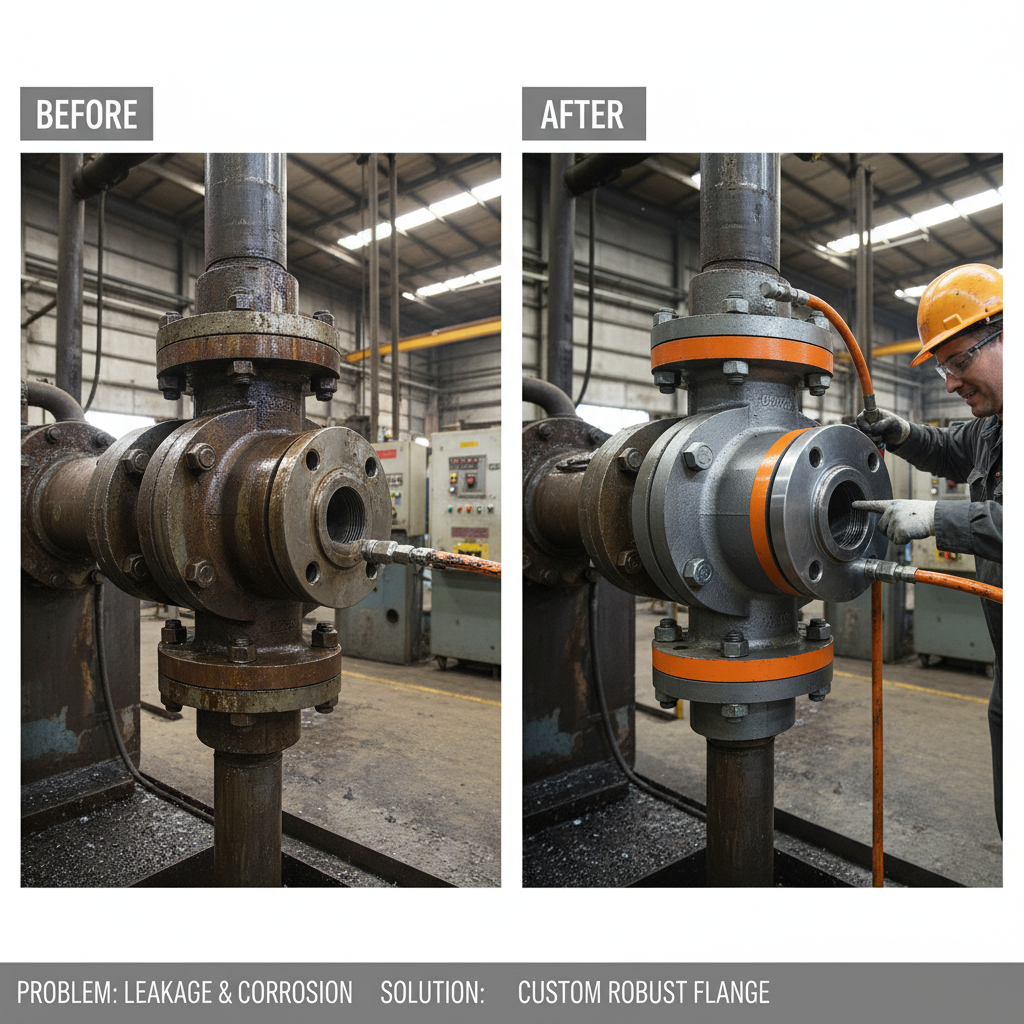
In the complex landscape of industrial piping and pressure vessel fabrication, the s flange serves as a critical junction point, ensuring the structural integrity and leak-proof connectivity of high-pressure systems. Whether utilized in petrochemical plants or energy generation facilities, these components are engineered to withstand extreme mechanical stress and thermal fluctuations, making them indispensable for operational safety.
Understanding the nuances of the s flange is not merely a matter of technical specification but a global necessity for maintaining infrastructure reliability. As industries push toward higher pressures and more corrosive environments, the demand for precision-engineered flanges that adhere to international standards like ASME and ISO has never been more acute.
By optimizing the design and material selection of an s flange, companies can significantly reduce downtime and prevent catastrophic failures. This comprehensive guide explores the technical depths, global applications, and future innovations of these essential components to provide engineers and procurement specialists with actionable insights.
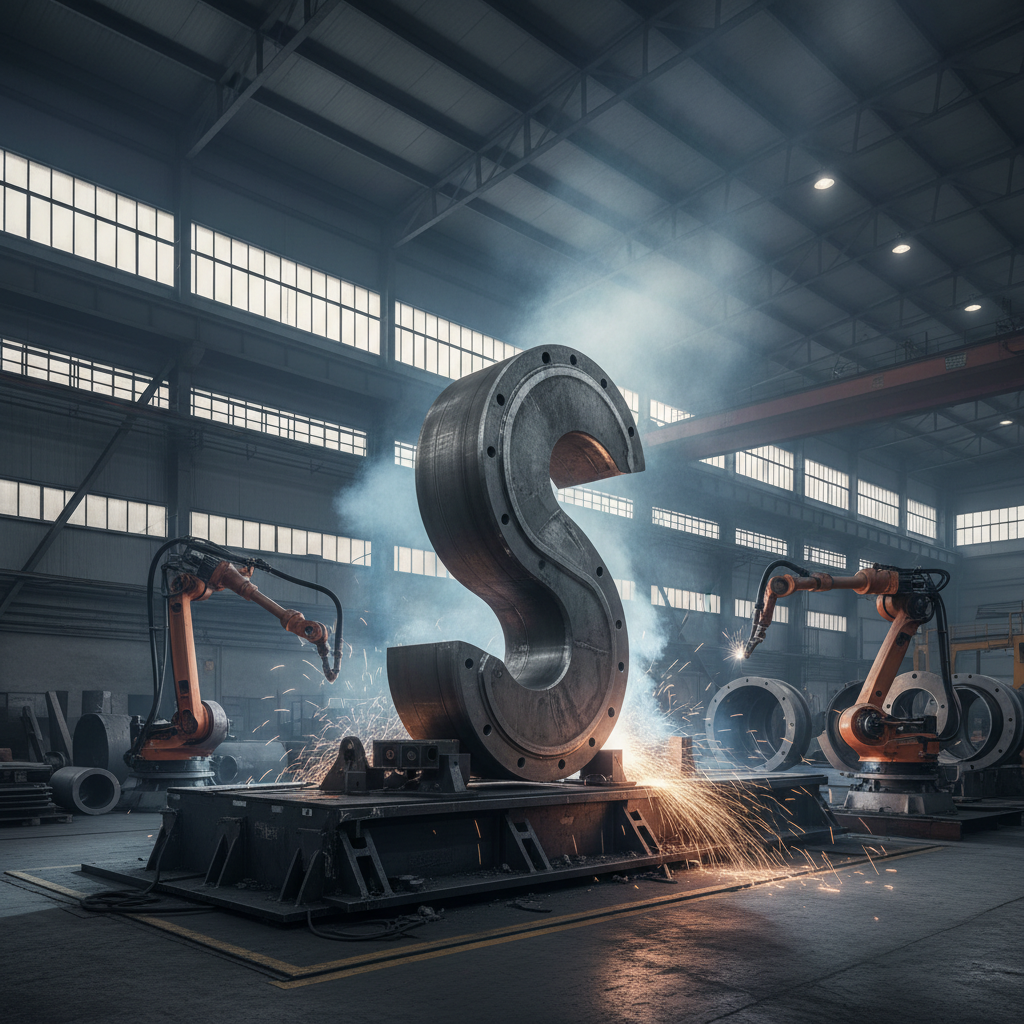
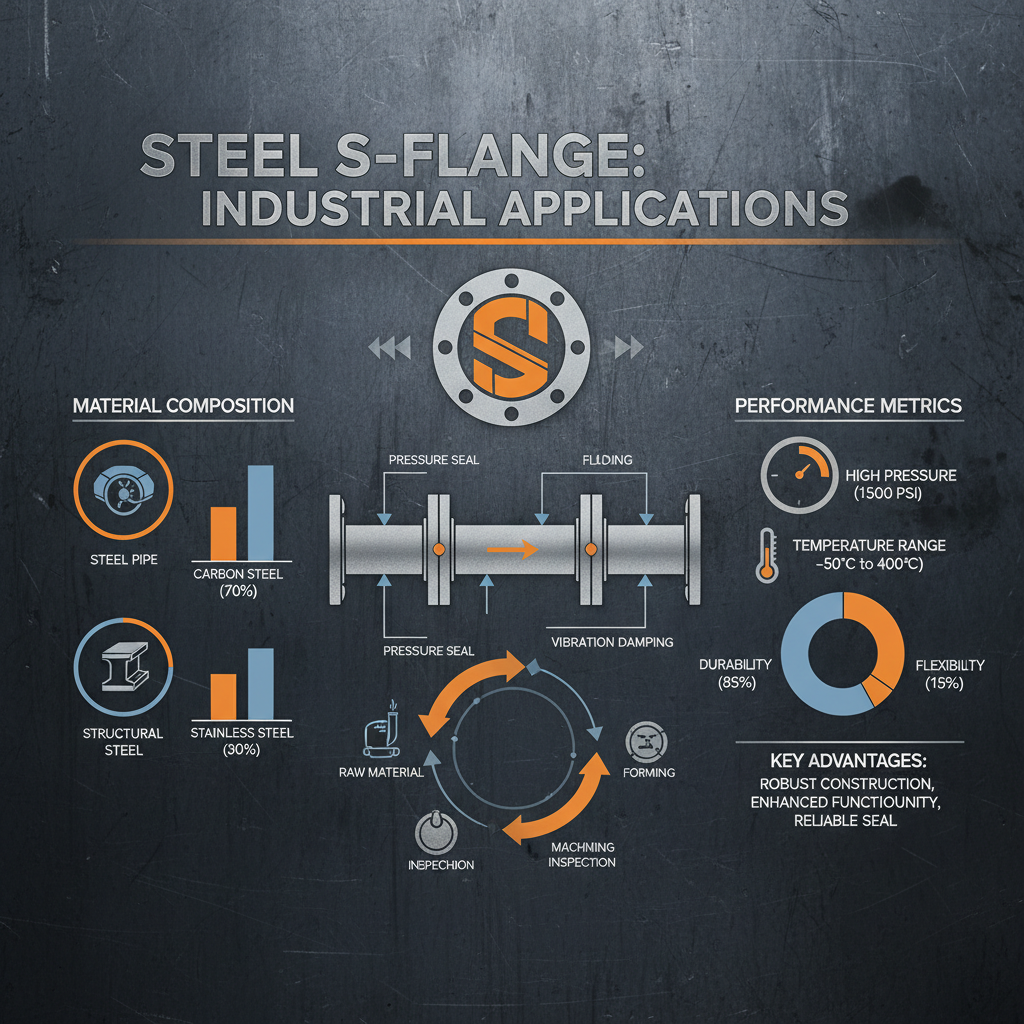
The global industrial sector relies heavily on the standardization of connecting components to ensure interoperability across borders. The s flange is a cornerstone of this standardization, allowing for the seamless integration of pipes, valves, and pumps in massive industrial complexes. From the oil fields of the Middle East to the chemical hubs of Germany, these components follow strict ISO and ASME protocols to prevent leaks that could lead to environmental disasters.
Current market data suggests a steady increase in the demand for specialized alloys in flange manufacturing, driven by the expansion of LNG (Liquefied Natural Gas) infrastructure. The challenge lies in balancing the cost of high-grade materials with the absolute requirement for safety in volatile environments. By utilizing a precision-crafted s flange, operators can mitigate the risk of gasket blowouts and flange face degradation, ensuring a longer lifecycle for the entire piping system.
Choosing the right material depends on the medium being transported, the pressure, and the temperature. For general water or oil services, carbon steel is cost-effective. However, for corrosive chemicals or food-grade applications, stainless steel (304 or 316) is required. In extreme offshore environments, duplex or super duplex alloys are recommended for their superior pitting resistance.
The most common causes are uneven bolt tightening (lack of a star-pattern sequence), damaged flange faces, or the use of an incompatible gasket material. Over-torquing can also warp the flange face, creating a leak path. Regular inspection and the use of calibrated torque wrenches are essential for maintaining seal integrity.
Yes, provided the flange faces have not been scored, pitted, or warped. It is critical to replace the gasket every time the joint is opened. Before reusing an s flange, the mating surfaces should be cleaned and inspected for flatness. If damage is found, the face may need to be re-machined to ensure a proper seal.
A weld-neck s flange is forged with a long taper that is welded to the pipe, providing superior strength and stress distribution, making it ideal for high-pressure systems. A slip-on flange slides over the pipe and is welded both inside and outside; it is easier to align and cheaper to install but is generally suited for lower-pressure applications.
Temperature causes thermal expansion and contraction. If an s flange is not designed for the specific temperature range, the bolting load can change, leading to leaks. High temperatures may also cause material degradation or oxidation. Using materials with compatible coefficients of thermal expansion and specialized high-temp gaskets is necessary for these services.
While they share similar goals, they are not always interchangeable. ASME (American Society of Mechanical Engineers) and ISO (International Organization for Standardization) may have different bolt circle diameters, thickness requirements, and pressure class ratings. Always verify the specific standard required by your project's engineering specifications to avoid costly fit-up issues on site.
The s flange is far more than a simple connector; it is a critical engineering component that ensures the safety, reliability, and efficiency of global industrial infrastructure. From the selection of high-grade alloys to the precision of the machining process, every detail contributes to the prevention of failures in high-pressure environments. By integrating modern manufacturing techniques and adhering to strict international standards, the industry can continue to scale while minimizing environmental risks.
Looking forward, the transition toward smart monitoring and sustainable production will redefine the role of the s flange. Engineers are encouraged to prioritize Total Cost of Ownership over initial price, investing in components that offer long-term durability and safety. For those seeking precision-engineered solutions that meet the most rigorous global standards, we invite you to explore our specialized range. Visit our website: www.hbjypipeline.com

 Albanian
 Arabic
 Armenian
 Azerbaijani
 Belarusian
 Bengali
 Bulgarian
 Croatian
 Czech
Czech
 Danish
 Dutch
Dutch
 Esperanto
 Finnish
 French
 German
 Greek
Greek
 Hebrew
 Hungarian
 Indonesian
 Irish
Irish
 Italian
 Japanese
 Khmer
Khmer
 Korean
 Kyrgyz
 Lao
Lao
 Latin
Latin
 Lithuanian
 Malay
Malay
 Myanmar
 Norwegian
 Persian
 Polish
 Portuguese
 Romanian
 Russian
 Serbian
 Slovak
 Slovenian
 Spanish
 Swedish
 Tagalog
 Thai
Thai
 Turkish
 Turkmen
 Uzbek
Uzbek
 Vietnamese
 Zulu
Zulu
 English