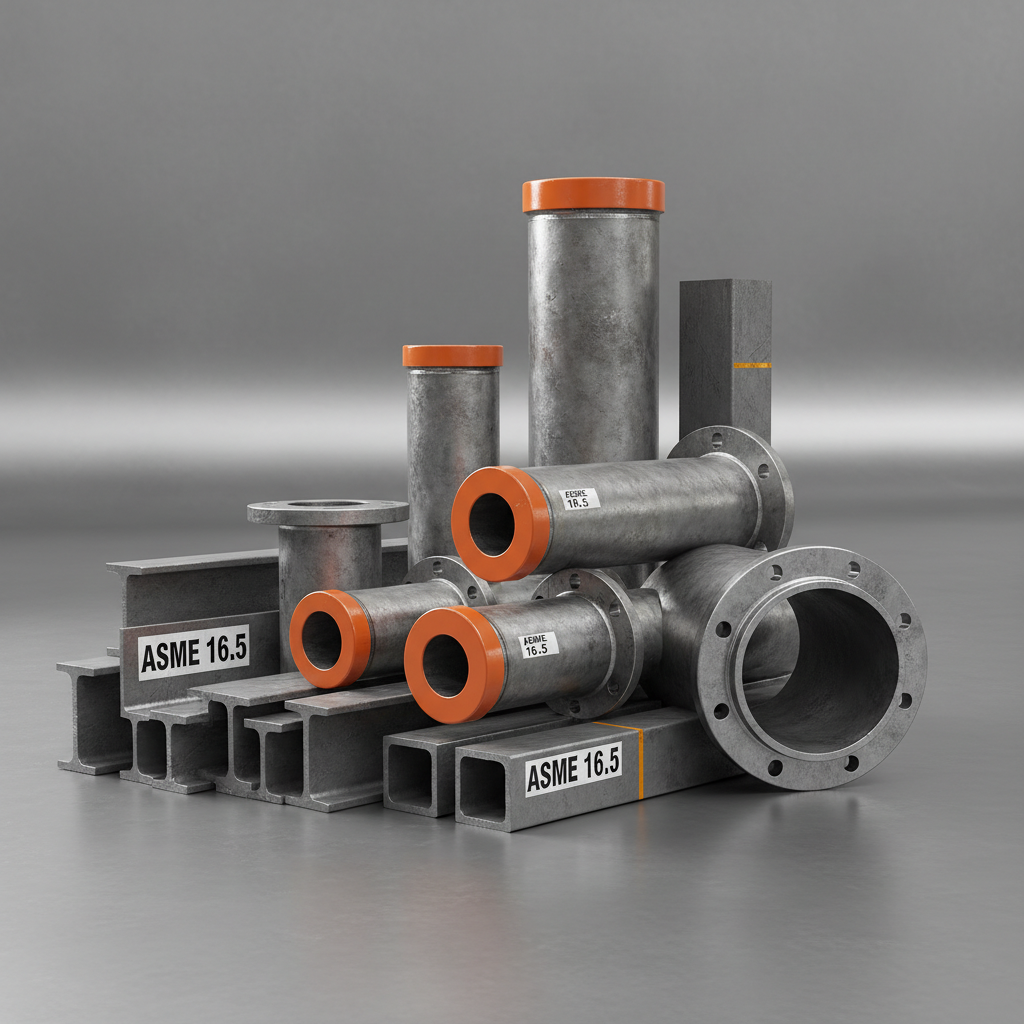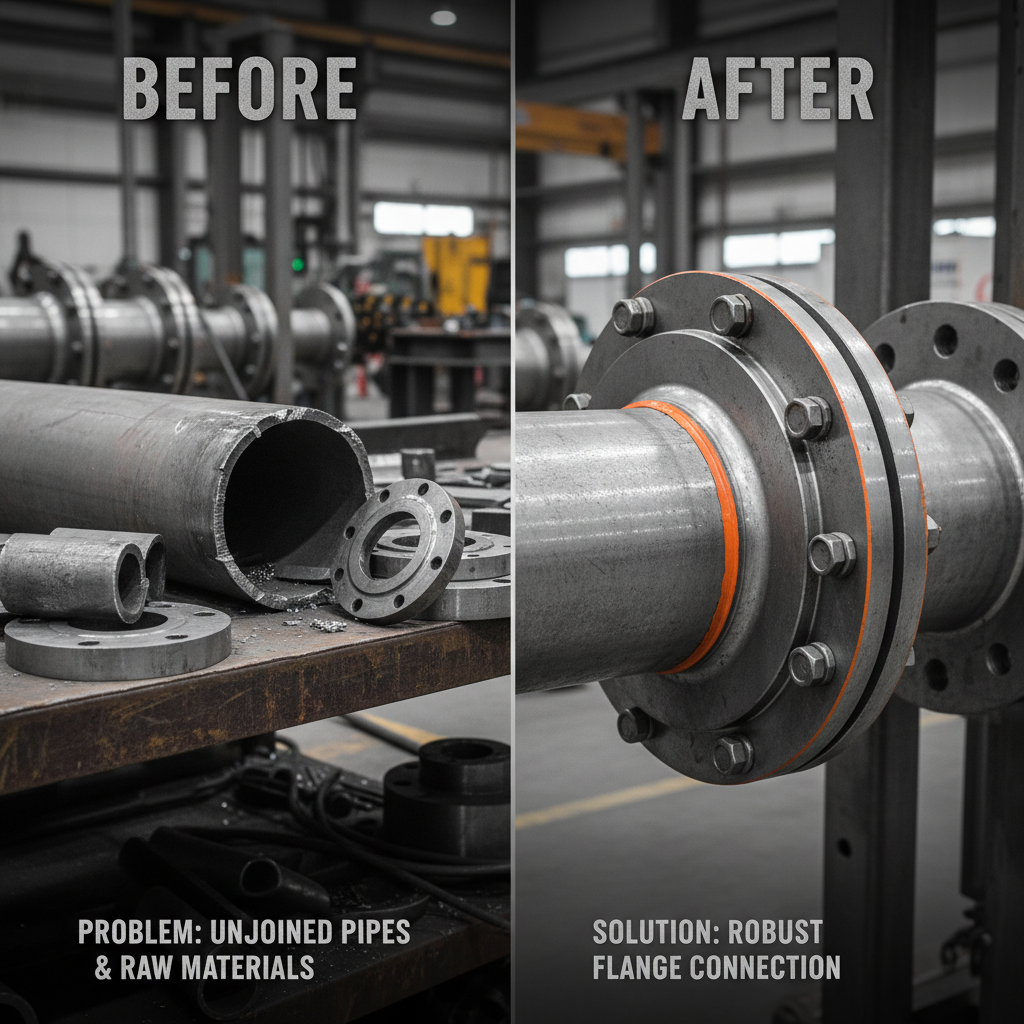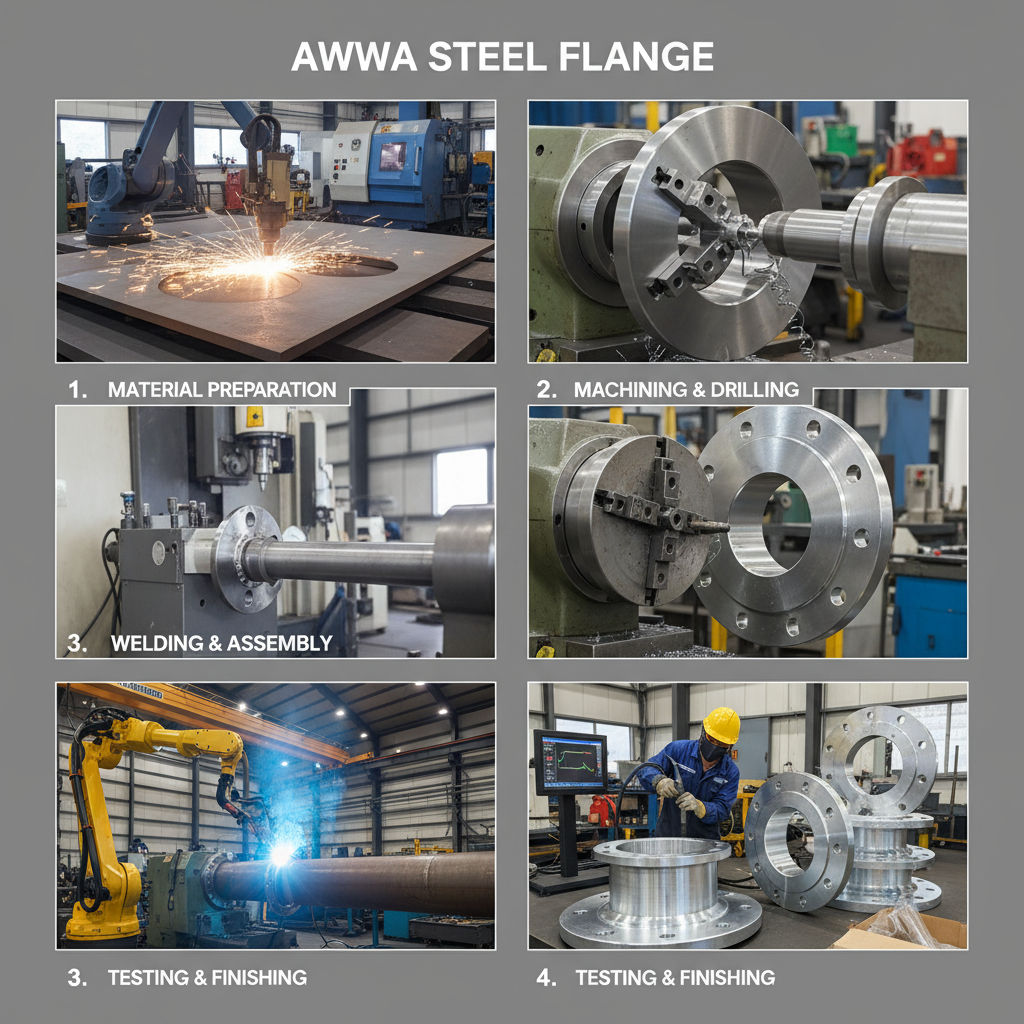
Honestly, the pipe flange business is busier than ever. Seems everyone's building something these days. It’s not just oil and gas anymore, you know? Water treatment plants, chemical processing… even some of these new energy projects are sucking up flanges like crazy. Demand’s up, prices are creeping up, and everyone’s scrambling for reliable supply. I swear, last year everyone was worried about steel prices, now it's just getting the flanges, period.
You wouldn't believe the number of designs I see that just… don’t translate to the real world. People in offices drawing pretty pictures, forgetting how a wrench feels in your hand, how much grime gets everywhere. Have you noticed how many specify ridiculously tight tolerances? Like, yeah, we can make a flange accurate to within a tenth of a millimeter, but does it really matter for the application? It just drives up cost and increases the chance of rejection on-site.
And the materials… it's not just carbon steel anymore, is it? Stainless, duplex, super duplex, Inconel… each with its own quirks. I encountered this at a factory in Ningbo last time, they were trying to weld Inconel 625 with the wrong filler metal. The whole thing was a disaster. The smell of burning metal… ugh. Stainless steel, good stuff, but you gotta watch out for chloride stress corrosion cracking. And don't even get me started on the different grades of plastic flanges. They look innocent enough, but choose the wrong one and it'll crumble under pressure.
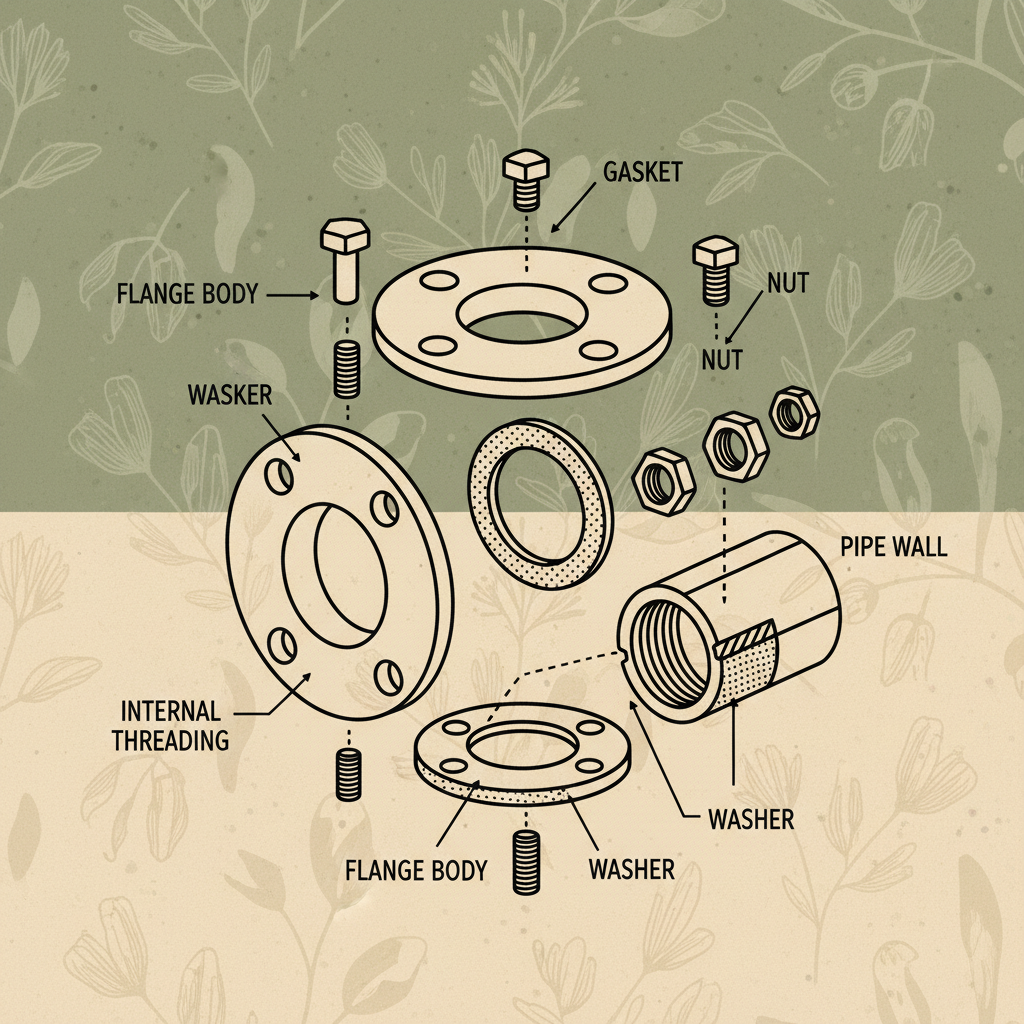
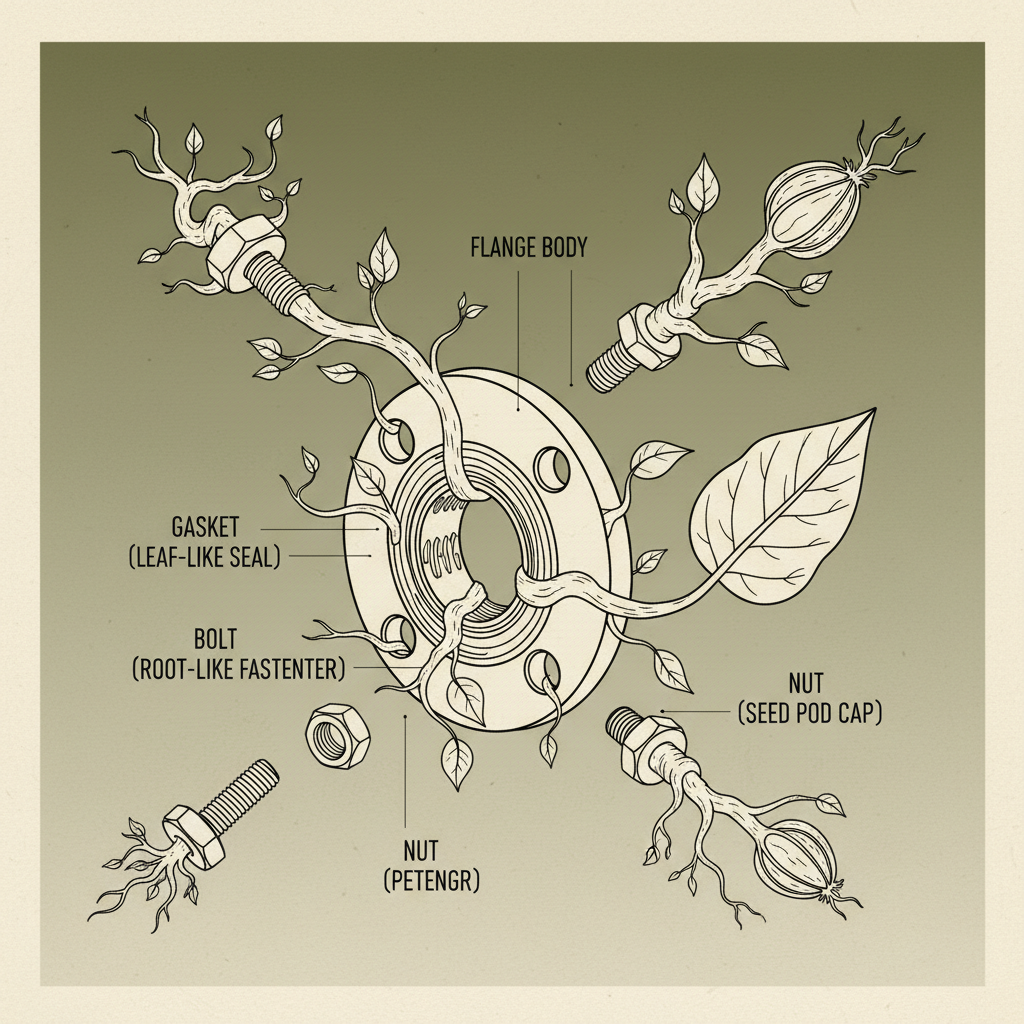
Anyway, I think the biggest trend right now is modularization. Everything's being built in sections, pre-fabricated offsite, and then assembled on location. Pipe flange connections are key to making that work. It’s faster, cleaner, and reduces on-site labor. But it also means you need really tight quality control from the beginning. You can't just slap something together and hope it holds.
We're also seeing a lot more demand for specialized coatings and linings. Corrosion resistance is paramount, especially in harsh environments. Epoxy coatings, PTFE linings… anything to extend the lifespan of the flange and prevent leaks. It’s a constant battle against the elements, you know?
Honestly, it's usually improper tightening of the bolts. People either overtighten them, stripping the threads, or they undertighten them, leaving a gap in the seal. Using a calibrated torque wrench is crucial. And making sure the flange faces are clean and free of debris. You'd be surprised how many leaks are caused by a speck of dirt.
That depends on a lot of factors – the fluid being conveyed, the temperature, the pressure, and the flange material. For general purpose applications, a non-asbestos fiber gasket is usually fine. But for corrosive fluids, you'll need something more specialized, like PTFE or a metal gasket. Don’t skimp on the gasket – it's the first line of defense against leaks.
A raised face flange has a raised circular area around the bolt holes, while a flat face flange is… well, flat. Raised face flanges are generally used for higher pressure applications because they provide a better seal. Flat face flanges are used for lower pressure applications or when mating with a rough surface. It all comes down to ensuring proper contact and compression.
It depends. If the flange is in good condition, with no cracks or damage, and the bolts aren’t stretched, you can reuse it. But it's generally not recommended, especially for critical applications. It's always better to err on the side of caution and replace it. New flange, new gasket, peace of mind. That's my philosophy.
Look for leaks, of course. Also, check for corrosion, cracking, or deformation of the flange. Listen for unusual noises, like hissing or bubbling. If you see any of these signs, it's time to replace the flange before it causes a bigger problem. Prevention is key, you know?
Absolutely critical! Too little torque and the gasket won’t seal properly. Too much torque and you can strip the threads or damage the flange. You need to use a calibrated torque wrench and follow the manufacturer’s recommendations. And always use a star pattern when tightening the bolts to ensure even compression. It’s not something to rush.
So, where does that leave us? Pipe flanges are a seemingly simple component, but they’re absolutely essential to countless industries. Choosing the right flange, installing it correctly, and maintaining it properly is crucial for ensuring safety, reliability, and efficiency. It's a complex world, full of nuances, and a lot of things can go wrong.
Ultimately, whether this thing works or not, the worker will know the moment he tightens the screw. It’s a humbling profession, being around these things all day, but somebody’s gotta do it. And if you're looking for reliable pipe flanges, well, you know where to find us. Visit our website at www.hbjypipeline.com.

 Albanian
 Arabic
 Armenian
 Azerbaijani
 Belarusian
 Bengali
 Bulgarian
 Croatian
 Czech
Czech
 Danish
 Dutch
Dutch
 Esperanto
 Finnish
 French
 German
 Greek
Greek
 Hebrew
 Hungarian
 Indonesian
 Irish
Irish
 Italian
 Japanese
 Khmer
Khmer
 Korean
 Kyrgyz
 Lao
Lao
 Latin
Latin
 Lithuanian
 Malay
Malay
 Myanmar
 Norwegian
 Persian
 Polish
 Portuguese
 Romanian
 Russian
 Serbian
 Slovak
 Slovenian
 Spanish
 Swedish
 Tagalog
 Thai
Thai
 Turkish
 Turkmen
 Uzbek
Uzbek
 Vietnamese
 Zulu
Zulu
 English