0%

Table of Contents

Honestly, these galvanized pipe flanges… you see 'em everywhere on site, right? It’s crazy how much everything's shifting towards pre-fab now. Used to be, you’d spend days welding and threading, now it’s all bolt-together. Faster, sure, but you gotta watch the details.

Have you noticed how everyone's obsessed with lighter materials? Everything's gotta be aluminum or composite. But for sheer dependability, especially in harsh environments, you just can't beat a good, solid galvanized flange. I saw a crew down in Houston, trying to use some fancy polymer flanges, and they were cracking left and right in the heat.

And it's not just about speed, it's about reliability. The whole system falls apart if one flange gives way. It sounds simple, but it's the truth.

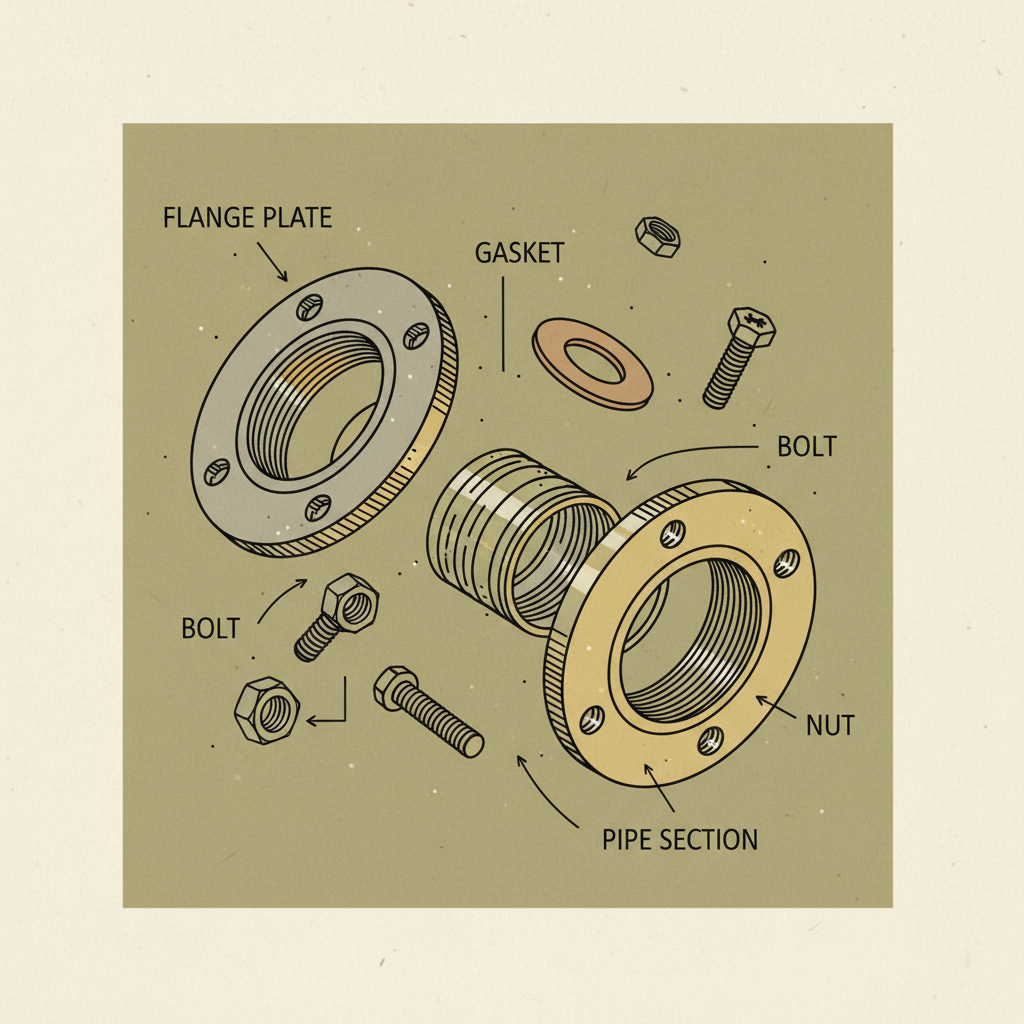
The Essential Guide to Galvanized Pipe Flange Selection and Application

The Growing Demand for Galvanized Pipe Flanges

The Essential Guide to Galvanized Pipe Flange Selection and Application

To be honest, the demand just keeps going up. Infrastructure projects, oil and gas, water treatment… everything needs flanges. Strangely, I’ve been seeing a lot more interest from the data center guys lately. They need reliable cooling systems, and that means robust piping.

It’s not just new construction either. A lot of work is retrofitting older systems. Replacing corroded steel flanges with galvanized ones. It's a pain, yeah, but it saves headaches down the line.

Defining the Galvanized Pipe Flange

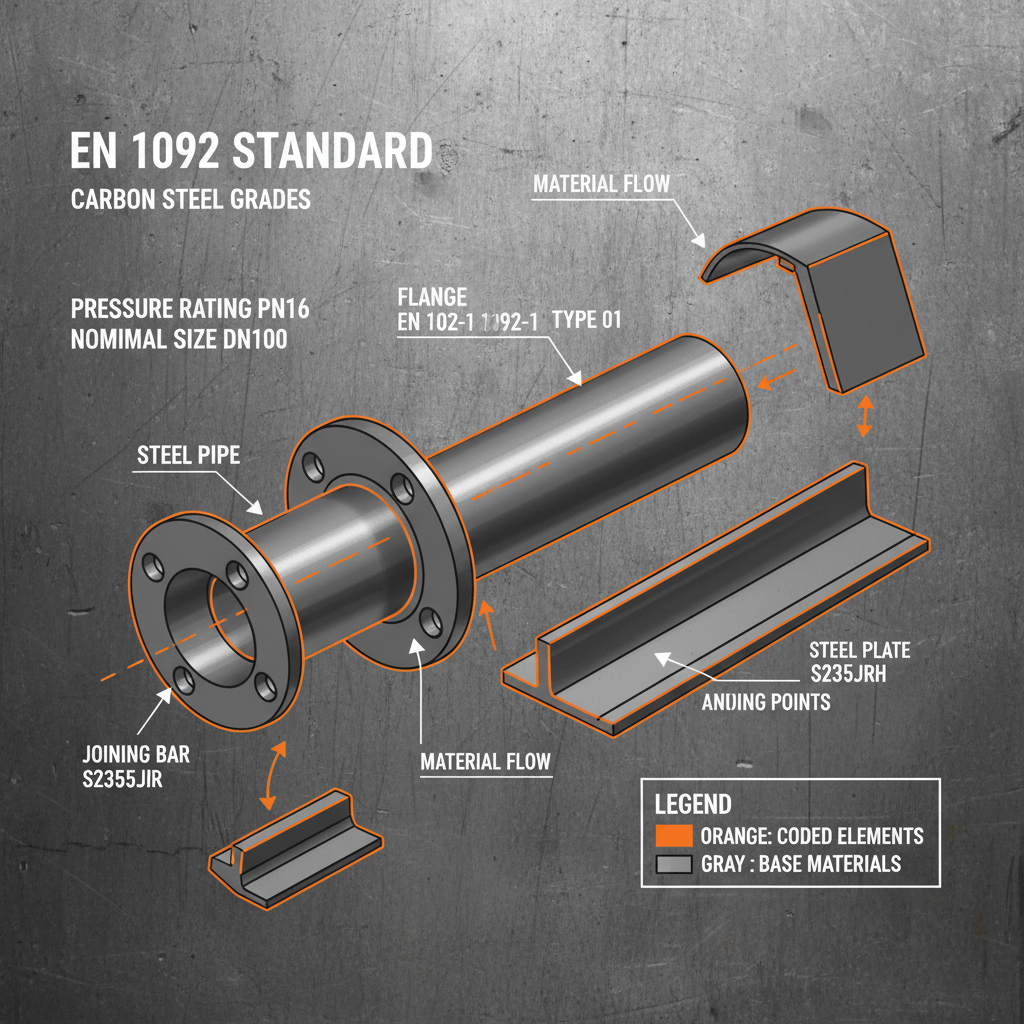
Okay, so what is a galvanized pipe flange? Basically, it’s a forged steel ring – usually carbon steel – that’s been coated with zinc to prevent rust. It’s a connection point for pipes, valves, pumps… anything that needs to be attached to a piping system. It’s a simple concept, but crucial.

The zinc coating is key. It provides sacrificial protection. The zinc corrodes first, protecting the steel underneath. It's not perfect, mind you – you still gotta watch out for abrasion and harsh chemicals – but it’s a lot better than bare steel.

And it’s not just about rust prevention. A good flange provides a secure, leak-proof connection. You don't want a pressurized line bursting on you. I encountered this at a chemical plant last time - a cheap flange blew, and it was a mess.

Key Characteristics of High-Quality Flanges

There are a few things you gotta look for. First, the material. You want a forged steel flange, not a cast one. Cast iron is brittle and cracks easily. Forged steel is tougher, more reliable. You can tell by the grain structure.

The zinc coating is also important. You want a consistent, even coating. If it's patchy or flaking, it's not going to last. I always give the flange a little tap – if it sounds dull, the coating is thick. If it rings, it’s thin. Sounds silly, I know, but it works. Anyway, I think the surface finish also matters – a smoother finish is less prone to corrosion.

And don't forget the bolt holes. They need to be accurately drilled and properly sized. Otherwise, you'll struggle to get a good seal. You’ll be chasing leaks forever.

Global Applications and Industry Impact

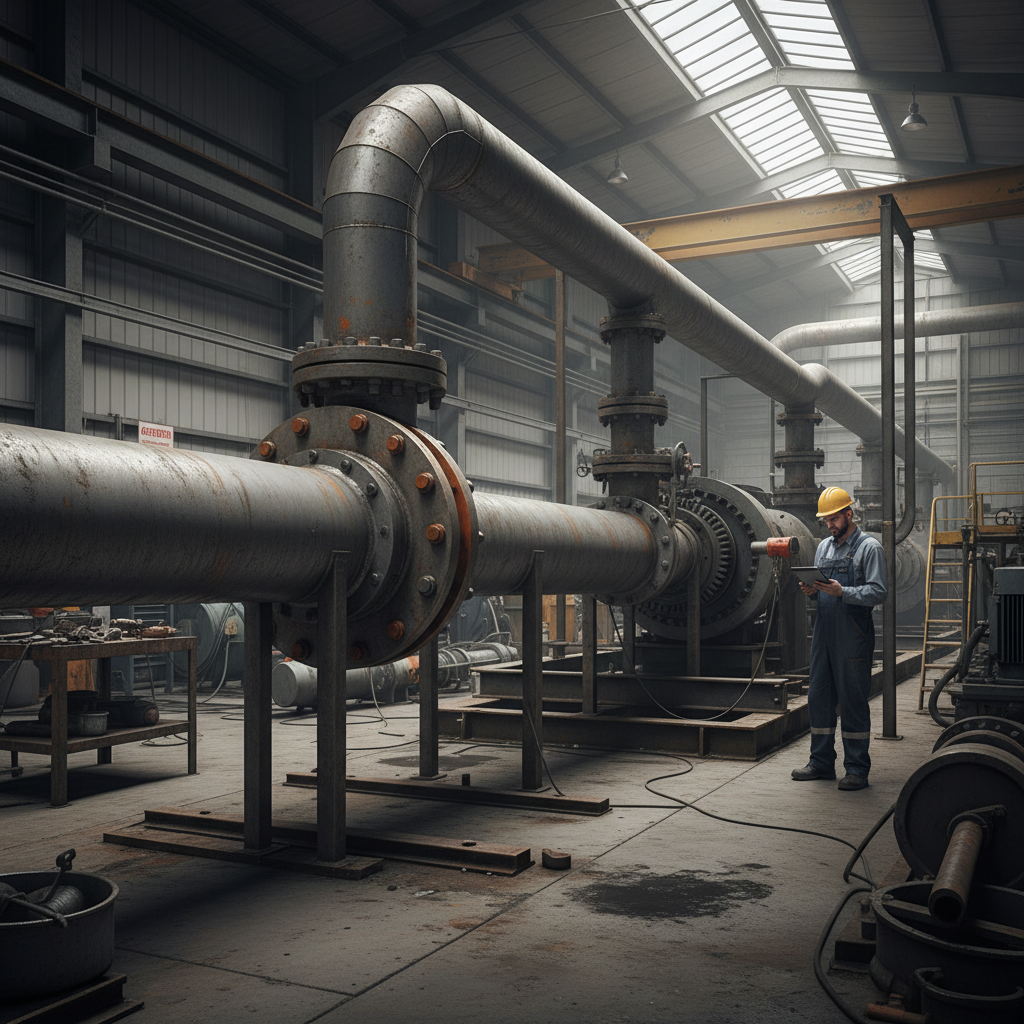
Everywhere, man. Truly. Oil refineries, water treatment plants, chemical processing facilities, power generation… the list goes on. I've seen them used in everything from small residential plumbing to massive offshore pipelines.

There’s a big demand in Asia right now – China and India are building infrastructure like crazy. Europe's more focused on replacing older systems. And in the US, there's a lot of work going into upgrading water infrastructure.

Flange Performance Across Different Industries


Advantages & Long-Term Value Proposition

Look, it's not the cheapest option up front. Stainless steel is fancier, looks nicer. But for the price, galvanized flanges offer incredible value. They’re durable, reliable, and relatively easy to install. That adds up to real cost savings over the long run.

And it's not just about money. It's about safety. You don't want a pipeline failing and causing an environmental disaster. You don't want someone getting hurt. A reliable flange contributes to that peace of mind.

Future Trends and Innovation in Flange Technology

Honestly? Not a ton of groundbreaking stuff happening. It’s a pretty mature technology. But there’s some interest in new coatings – duplex coatings, for example, which offer even better corrosion resistance.

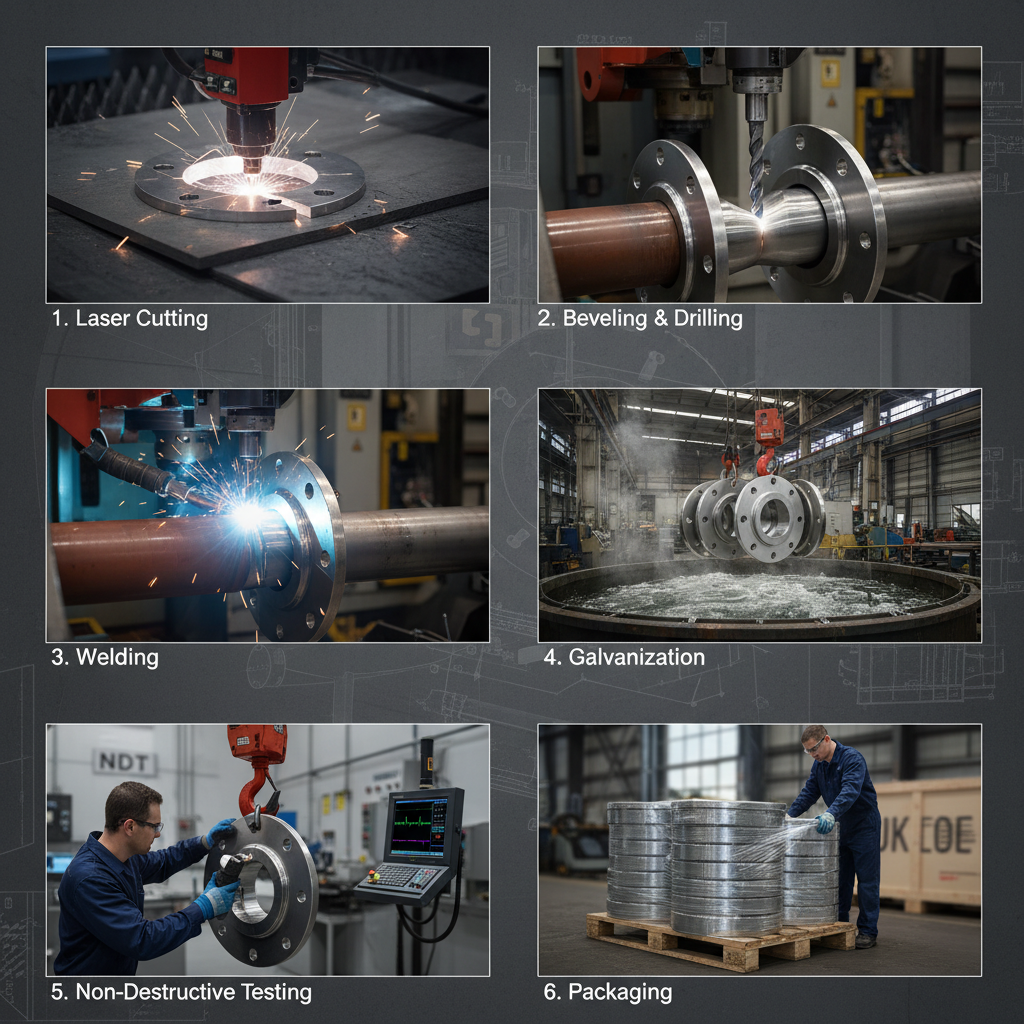
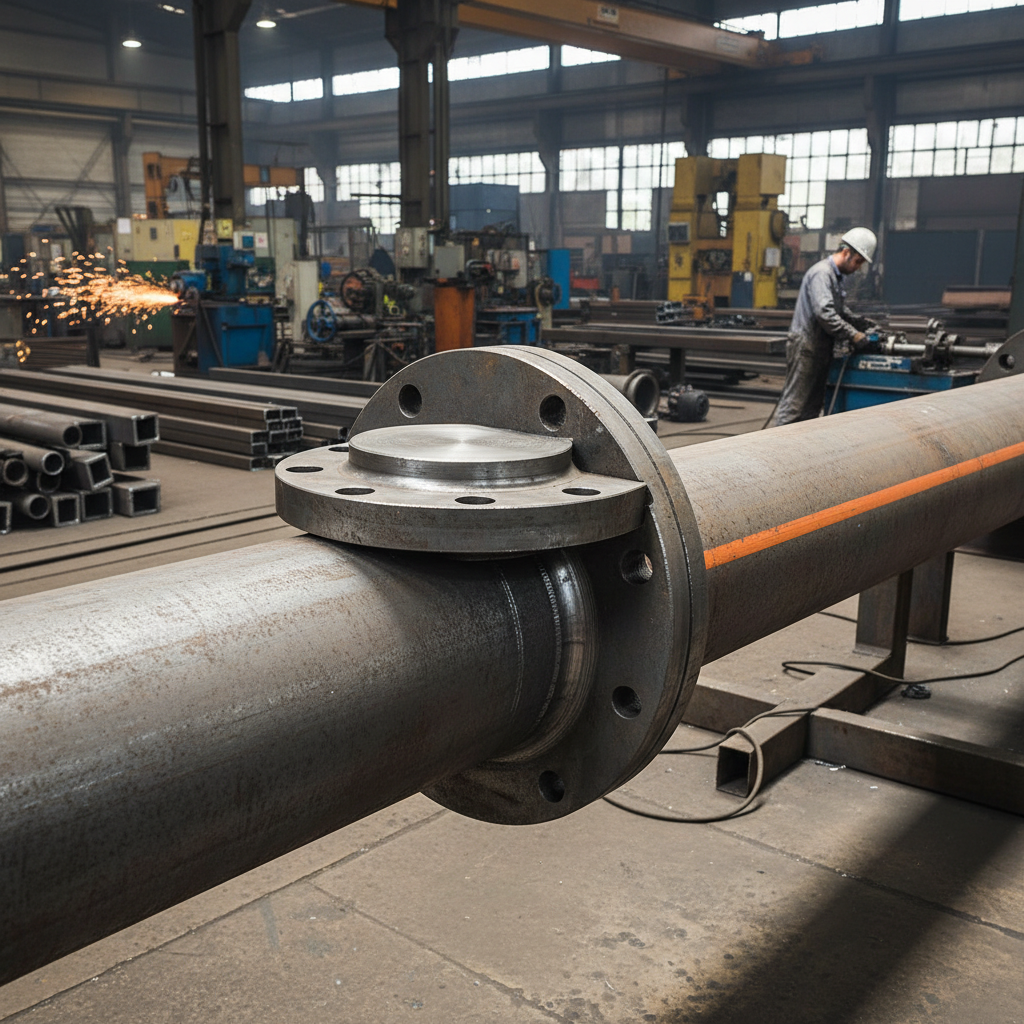
I'm also seeing more demand for pre-fabricated flange assemblies. Companies are welding the flanges directly onto the pipes in the shop, rather than on-site. It speeds up installation and improves quality control.

Common Challenges and Solutions in Flange Implementation

The biggest issue, I think, is proper installation. People overtighten the bolts, damaging the flange. Or they use the wrong gasket material. It's simple stuff, but it happens all the time.

Another problem is galvanic corrosion. If you connect a galvanized flange to a dissimilar metal – like aluminum – you can accelerate corrosion. You gotta use dielectric unions to prevent that.

Last month, that small boss in Shenzhen who makes smart home devices insisted on changing the interface to , and the result was a whole batch of water leakage issues because the material compatibility wasn't right. He learned his lesson, let me tell you.

Analysis of Common Issues and Mitigation Strategies for Galvanized Pipe Flanges

Issue Category Severity Level (1-5) Typical Causes Mitigation Strategy
Corrosion 3 Exposure to harsh chemicals, saltwater, humidity. Regular inspection, application of protective coatings, use of corrosion-resistant alloys.
Leakage 4 Improper gasket installation, damaged flange surfaces, overtightening/undertightening bolts. Use of appropriate gasket material, proper bolt torque, regular maintenance.
Material Fatigue 2 Repeated stress cycles, vibration, temperature fluctuations. Use of high-quality forged steel, regular inspection for cracks, vibration dampening.
Galvanic Corrosion 3 Contact with dissimilar metals in the presence of an electrolyte. Use of dielectric unions, proper grounding, careful material selection.
Improper Sizing 2 Incorrect flange diameter, mismatched pipe sizes. Accurate pipe measurement, use of appropriate flange adapters, careful planning.
Installation Errors 5 Inadequate training, lack of attention to detail, use of incorrect tools. Comprehensive training programs, strict adherence to installation procedures, quality control checks.

FAQS

What is the typical lifespan of a galvanized pipe flange in a freshwater system?

In a typical freshwater system, a well-maintained galvanized pipe flange can realistically last between 20 and 50 years. However, this heavily depends on water quality, flow rate, temperature fluctuations, and the quality of the galvanization process itself. Regular inspections and re-coating as needed can significantly extend its lifespan. Don't expect miracles, though; corrosion will eventually win.

Are galvanized flanges suitable for high-pressure applications?

Generally, yes, but it depends on the pressure rating of the specific flange and the temperature. Galvanized steel has a decent tensile strength, but it's not as strong as stainless steel. You need to check the flange's pressure-temperature rating to ensure it’s appropriate for your application. Exceeding those limits is asking for trouble, and I've seen it happen – flanges can fail catastrophically under excessive pressure.

Can galvanized flanges be painted after installation?

You can paint them, but you need to prep the surface properly first. Clean it thoroughly to remove any rust, oil, or dirt. Then, use a zinc-rich primer specifically designed for galvanized steel. After that, you can apply a topcoat. The paint will provide extra protection against corrosion, but it's not a substitute for proper galvanization in the first place.

What’s the difference between a weld-neck flange and a slip-on flange?

A weld-neck flange has a raised neck that fits over the pipe and is then welded to it, creating a stronger connection. It's generally used for high-pressure, high-temperature applications. A slip-on flange, on the other hand, simply slips over the pipe and is welded around the outside. It’s easier to install, but not as strong. The choice depends on the application's requirements.

What are the common causes of thread damage on a galvanized flange?

Usually, it's overtightening during installation or using the wrong tools. Also, corrosion can damage the threads over time. It's crucial to use a torque wrench to tighten the bolts to the correct specification. And always inspect the threads before installation to ensure they're clean and undamaged. I've seen guys cross-thread them, and that's a nightmare to fix.

Are there any eco-friendly alternatives to galvanization?

There are, but they often come with trade-offs. Some manufacturers are using zinc-nickel alloys or even organic coatings. They can be more environmentally friendly, but they might not offer the same level of corrosion protection as traditional galvanization. It's a balancing act. Plus, they're often more expensive.

Conclusion

Ultimately, galvanized pipe flanges are workhorses. They’re not glamorous, but they get the job done reliably and cost-effectively. From water treatment plants to oil refineries, they’re essential components in countless industrial applications. And while there are newer materials and technologies out there, galvanized steel remains a staple for a reason: it’s tough, dependable, and proven.

But remember, the flange is only as good as its installation and maintenance. So, invest in proper training, use the right tools, and inspect regularly. Because ultimately, whether this thing works or not, the worker will know the moment he tightens the screw.

David Chen

David Chen

David Chen is the Head of International Sales at Hebei Jiuyuan Pipeline Manufacturing, focusing on expanding our presence in the petrochemical and shipbuilding industries. He has a strong background in international trade and logistics, managing key accounts in Europe and the Middle East. David is adept at understanding diverse customer
Previous Understanding JIS Flange Standards Reliability and Global Applications
Next Understanding Stainless Steel Pipe Flange Applications and Performance Considerations
en_USEnglish