0%

Table of Contents

In the complex world of industrial piping and pressure vessel manufacturing, the weld flange serves as a critical junction, ensuring the structural integrity and leak-proof sealing of high-pressure systems. Whether utilized in petrochemical plants, power generation facilities, or water treatment works, these components are essential for creating secure, permanent connections between pipes, valves, and pumps.

Understanding the nuances of weld flange selection—from material grade to welding method—is not merely a technical requirement but a safety imperative. As global industrial standards like ASME and ISO evolve, the demand for precision-engineered flanges that can withstand extreme temperatures and corrosive environments has never been higher.

By mastering the application of these components, engineers can significantly reduce downtime and mitigate the risks of catastrophic system failures. This guide explores the technical dimensions, global applications, and future innovations of the weld flange, providing a comprehensive resource for professionals in the metal pressure vessel industry.
Industrial Weld Flange Guide for Pressure Vessel Safety

Global Industry Context of Weld Flanges

Industrial Weld Flange Guide for Pressure Vessel Safety

The global demand for high-quality weld flange systems is inextricably linked to the expansion of the global energy and chemical sectors. According to ISO standards and industry reports, the precision of connection points in pressure vessels is the primary determinant of operational safety. In an era where industrial plants are operating at higher pressures and more extreme temperatures to increase efficiency, the reliability of the welded joint has become a focal point of engineering audits.

However, the industry faces a persistent challenge: the balance between cost-effective mass production and the stringent quality requirements of critical infrastructure. Many failures in old-generation pipelines were attributed to poor weld penetration or material mismatch, leading to costly shutdowns and environmental hazards. This has pushed the industry toward more rigorous certification processes and the adoption of advanced forging techniques to ensure that every weld flange meets global safety benchmarks.

Technical Definition and Industrial Meaning

In its simplest technical terms, a weld flange is a circular connector used to attach pipes to other pipes, valves, pumps, or pressure vessels via a welding process. Unlike threaded flanges, which rely on mechanical interlocking, the welded variant creates a fusion bond that is often as strong as the base metal itself, making it the preferred choice for high-pressure and hazardous fluid transport.

From an industrial perspective, the weld flange is more than just a piece of forged metal; it is a critical safety interface. It allows for the modular construction of massive industrial plants, enabling sections of piping to be fabricated off-site and then securely welded together in the field. This modularity is essential for the rapid deployment of infrastructure in remote industrial zones or during the expansion of existing refineries.

Furthermore, the connection to humanitarian needs is evident in the development of clean water distribution and medical oxygen piping. In post-disaster relief operations, where temporary but secure piping is required to transport potable water or fuel, the ability to quickly and reliably weld flanges ensures that vital resources reach affected populations without leakages or contamination.

Core Components for Maximum Durability

When evaluating the durability of a weld flange, the first critical factor is material composition. Whether using carbon steel for standard applications or stainless steel and exotic alloys for corrosive environments, the chemical makeup determines the flange's resistance to oxidation and stress-corrosion cracking.

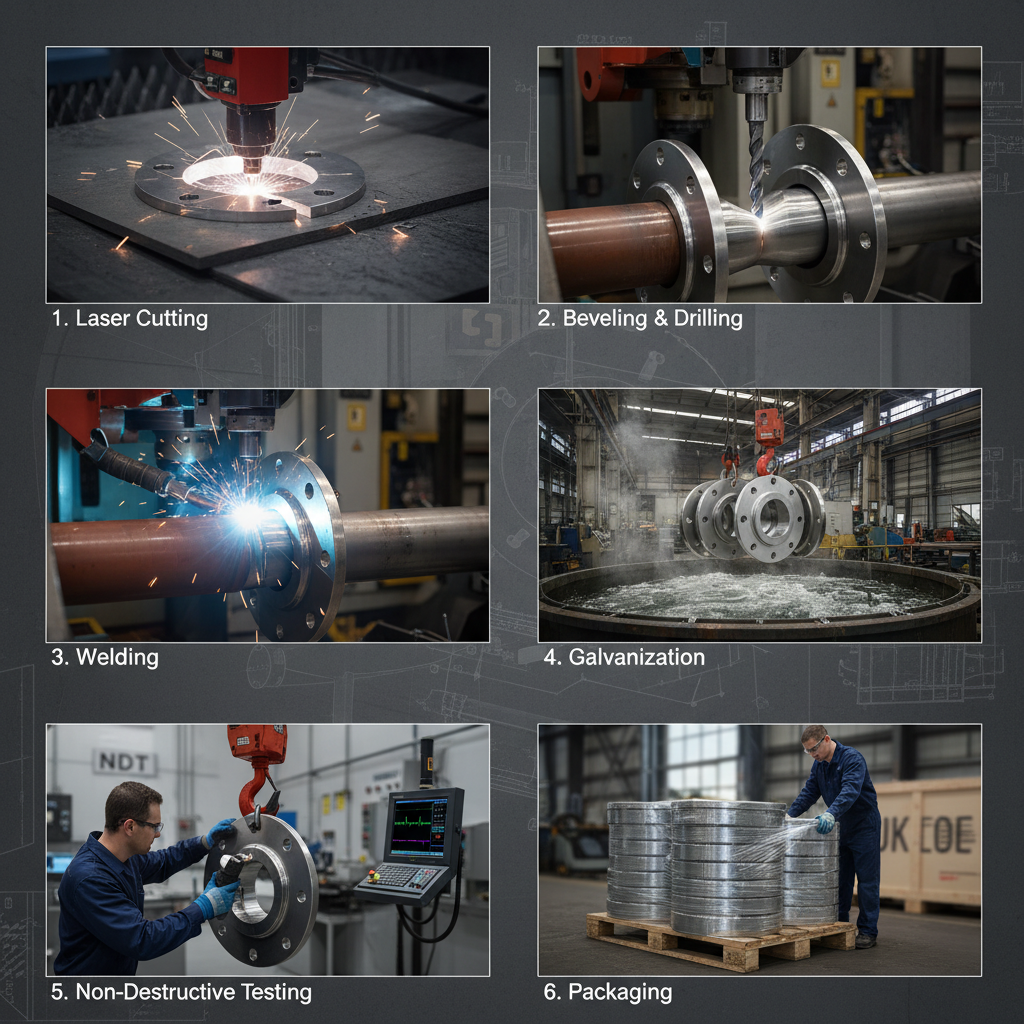
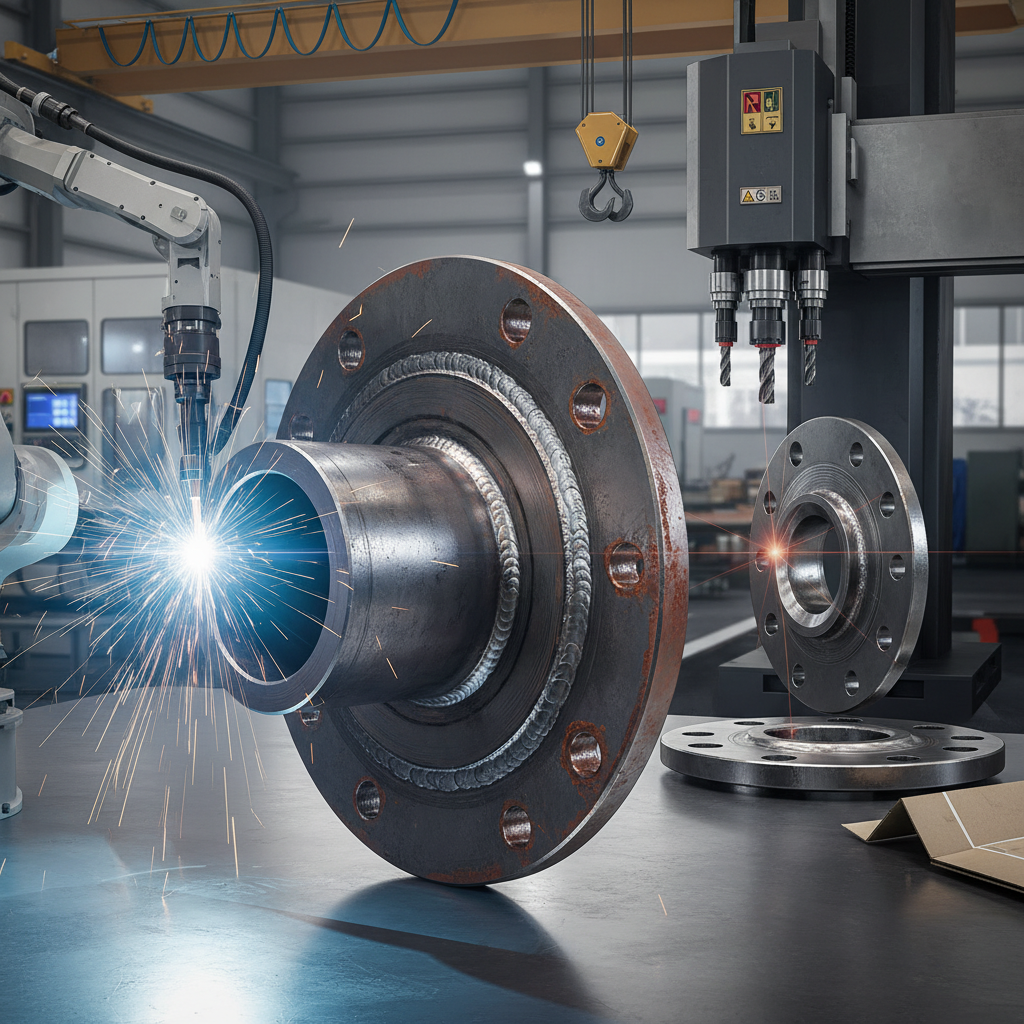
Precision in the welding bevel is another core component of success. A perfectly machined bevel on the weld flange ensures full penetration of the weld bead, eliminating voids or "lack of fusion" defects that could lead to catastrophic failure under cyclic loading or thermal expansion.

Finally, the surface finish of the flange face—whether it be raised face (RF) or ring-type joint (RTJ)—is vital for the sealing efficiency. The interaction between the weld flange and the gasket determines the system's ability to maintain a hermetic seal under thousands of pounds of pressure, directly impacting the overall reliability of the plant.

Performance Metrics and Efficiency

The efficiency of a piping system is often measured by its "leak-free" operational hours and the speed of its installation. Different types of weld flange designs, such as slip-on versus socket weld, offer varying levels of strength and installation speed, allowing engineers to optimize based on the specific needs of the project.

By analyzing performance data, we can see that fully welded connections offer the highest security for permanent installations, whereas socket welds are often preferred for smaller diameter pipes where ease of alignment is more critical than absolute maximum pressure rating.

Performance Comparison of Weld Flange Types


Global Applications and Use Cases

Across the globe, the weld flange is indispensable in the oil and gas sector, particularly in deep-sea drilling platforms where the pressure is immense and the cost of a leak is environmental disaster. In these high-stakes environments, forged weld flanges made from duplex stainless steel are utilized to combat the corrosive nature of saltwater and sulfide-rich crude oil.

In addition to energy, the pharmaceutical and food processing industries rely on high-precision weld flanges to maintain sterile environments. By ensuring a smooth, weld-sealed transition between tanks and pipes, these components prevent bacterial growth in "dead zones," ensuring that life-saving medicines and food products are produced under the strictest hygienic conditions.

Long-term Value and Safety Advantages

The primary long-term value of investing in premium weld flange components is the drastic reduction in maintenance overhead. While the initial cost of a forged, high-grade flange may be higher than a cast alternative, the prevention of a single unplanned shutdown can save a company millions of dollars in lost production and emergency repair costs.

Beyond the financial logic, there is a profound safety and emotional angle. For the operators working in a chemical plant, the knowledge that every connection point is a certified weld flange provides peace of mind. Reliability in these components translates directly into worker dignity and safety, ensuring that the facility is a secure environment rather than a high-risk zone.

Furthermore, the sustainability impact is significant. A well-engineered weld flange prevents the leakage of greenhouse gases and toxic chemicals into the atmosphere and soil. By maximizing the lifespan of the piping infrastructure, companies reduce the need for frequent replacements, thereby lowering the carbon footprint associated with metal smelting and transportation.

Future Trends in Flange Manufacturing

The future of the weld flange is being shaped by the digital transformation of the manufacturing sector. Industry 4.0 is introducing "Smart Flanges" equipped with embedded sensors that can monitor stress levels, temperature, and vibration in real-time, alerting engineers to potential fatigue before a crack even forms.

Additionally, the shift toward green energy is driving the development of flanges capable of handling liquid hydrogen and carbon capture fluids. These new materials must be resistant to hydrogen embrittlement, leading to innovations in nano-coated alloys and advanced heat treatment processes that enhance the molecular stability of the weld zone.

Automation in welding, specifically the use of robotic TIG and laser welding, is also increasing the consistency of flange installations. By removing human error from the welding process, the industry is achieving a level of precision that ensures every weld flange performs exactly to its theoretical specification.

Comparative Analysis of Weld Flange Manufacturing Standards

Standard Type Pressure Rating Typical Material Primary Use Case
ASME B16.5 Class 150-2500 Carbon/Stainless Steel General Industrial Piping
EN 1092-1 PN 2.5-PN 40 Alloy Steels European Power Plants
JIS B2220 5K to 63K Cast Iron/Steel Asian Shipbuilding
API 6A Up to 20,000 psi Duplex Steel Oil Wellheads
DIN Standards Variable PN Specialty Alloys Chemical Processing
Custom Forged Application Specific Titanium/Inconel Aerospace/Nuclear

FAQS

What is the main difference between a weld flange and a threaded flange?

A weld flange creates a permanent, fused bond with the pipe, offering significantly higher pressure resistance and a lower risk of leaks compared to threaded flanges. While threaded flanges are easier to install and remove, they are prone to leaking at the threads under high pressure or vibration, making the weld flange the superior choice for critical industrial applications.

Which type of weld flange should I use for high-temperature steam?

For high-temperature steam, a butt-weld flange is typically recommended. This design provides the strongest connection and the smoothest internal flow, reducing turbulence and erosion. Additionally, using materials like chrome-moly steel or stainless steel ensures the flange can withstand thermal expansion and oxidation without losing structural integrity.

How can I prevent corrosion in weld flange joints?

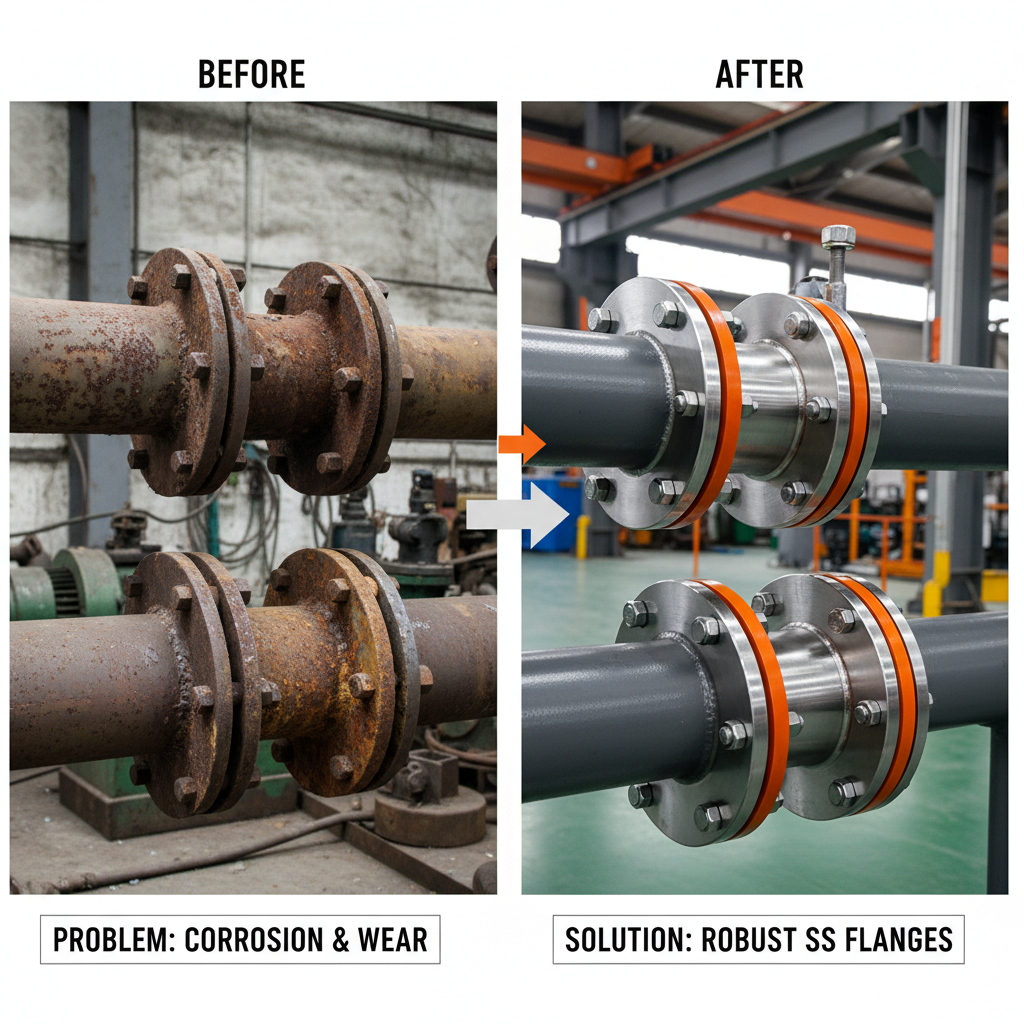
Corrosion prevention starts with selecting the correct material, such as 316L stainless steel for marine environments. Additionally, applying industrial-grade coatings or using galvanized options can help. It is also crucial to ensure the weld area is properly passivated or treated after welding to remove oxides and restore the material's natural corrosion resistance.

What are the most common causes of weld flange failure?

The most common causes include improper weld penetration, material mismatch between the flange and the pipe, and over-tightening of bolts which can distort the flange face. Thermal fatigue due to rapid temperature cycling is also a major factor. Regular NDT (Non-Destructive Testing) like X-ray or ultrasonic testing is recommended to detect these issues early.

Is a slip-on weld flange as strong as a butt-weld flange?

No, a slip-on weld flange is generally not as strong as a butt-weld flange because it requires two fillet welds rather than a single full-penetration groove weld. However, slip-on flanges are much easier to align and install, making them suitable for lower-pressure systems where absolute maximum strength is not the primary requirement.

How do I verify if a weld flange meets ASME standards?

Verification is done through Material Test Reports (MTRs), which document the chemical composition and mechanical properties of the steel. Additionally, checking for the manufacturer's stamp and verifying the dimensions against ASME B16.5 tables ensures the component meets the required specifications for pressure and fit.

Conclusion

The weld flange stands as a cornerstone of modern industrial engineering, bridging the gap between modularity and absolute security. From the careful selection of materials and machining precision to the rigorous application of global standards, every detail contributes to the safety and efficiency of the systems that power our world. We have seen how these components evolve from simple connectors into high-tech interfaces capable of supporting the next generation of energy and pharmaceutical infrastructure.

As we look toward a future of hydrogen energy and automated manufacturing, the importance of high-performance welding components will only grow. We recommend that engineers prioritize long-term reliability over initial cost, investing in certified, high-grade forged flanges to ensure operational continuity. To explore our full range of precision-engineered piping solutions, visit our website: www.hbjypipeline.com.

Daniel Harris

Daniel Harris

Daniel Harris serves as a Production Supervisor at Hebei Jiuyuan Pipeline Manufacturing, responsible for overseeing the manufacturing of our stainless steel and duplex steel pipe components. He has a deep understanding of machining processes, welding techniques, and quality control procedures. Daniel ensures efficient workflow and adherence to safety protocols within
Previous Precision Engineered DN65 Flange Solutions
Next High Performance AWWA Flanges for Industrial Water Systems
en_USEnglish