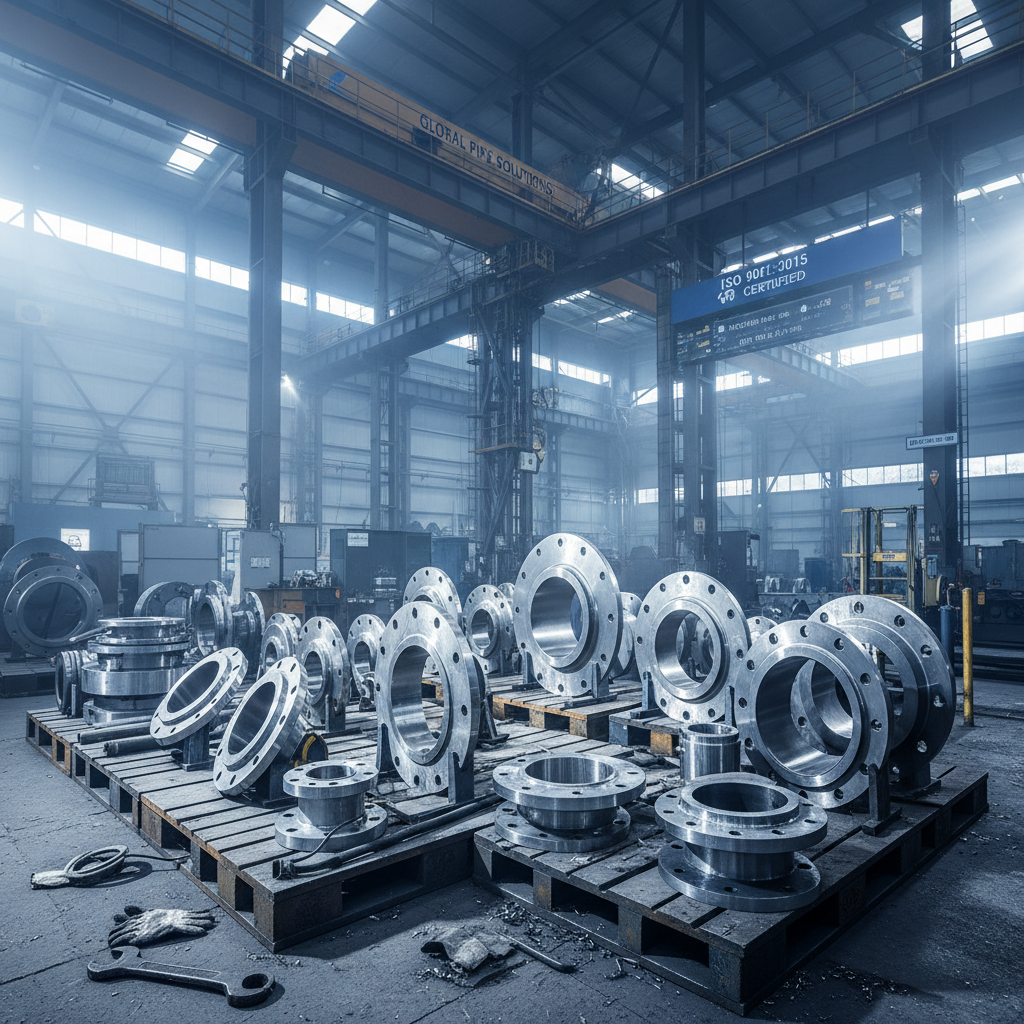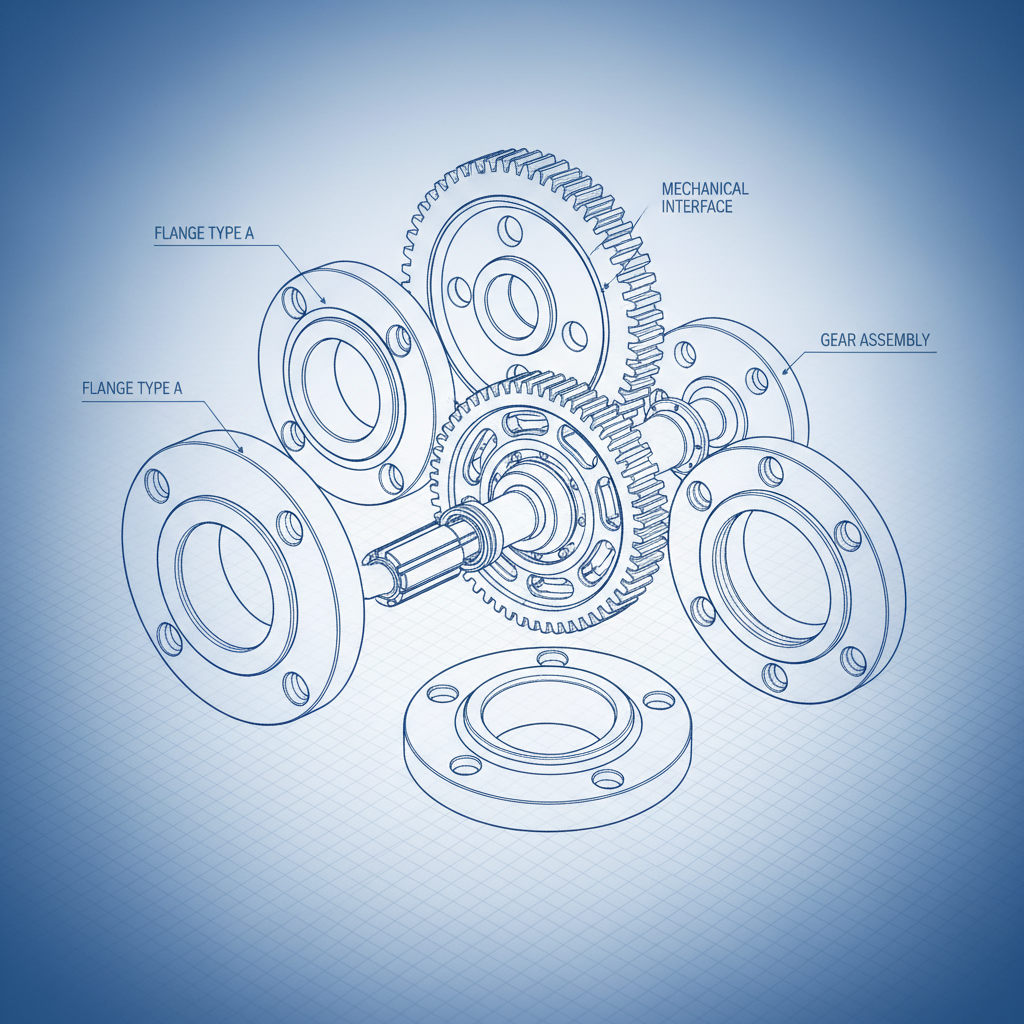
Look, after running around construction sites all year, you start to see patterns. The demand for high-quality pipe fittings and flanges is always there, but what’s trending now is everything lightweight and quick-install. Everyone's chasing prefabrication, modular builds… honestly, it's a bit of a scramble. It’s not just about speed, though. It’s about reducing on-site labor – that’s the real driver. Fewer guys, less hassle, lower costs. But quick doesn't mean flimsy, and that's where things get tricky.
Have you noticed how everyone wants everything “customizable” these days? It sounds good in a boardroom, but on the ground, it’s a nightmare. Trying to adjust a flange system mid-install because someone decided they needed a slightly different angle… forget about it. It's a headache. Anyway, I think a lot of designers forget what it's actually like out here.
The biggest bottleneck, still, is material consistency. We’re leaning heavily into stainless steel – 304 and 316 mostly. Feels solid, you know? A good weight to it. But even with stainless, you get variations. And the smell of carbon steel when it's being cut… instantly takes me back to my apprenticeship. Polypropylene’s gaining traction for lower-pressure systems, feels kinda plasticky, not as reassuring. There’s also a lot of talk about HDPE… but I'm still waiting to see how that holds up long-term in really harsh environments.


To be honest, the biggest shift I've seen in the past couple of years is the push for prefabrication. Everyone’s trying to move as much work off-site as possible. It makes sense, reduces downtime, improves quality control… but it also means you need to be really precise with your pipe fittings and flanges selection upfront. There's less room for error when you're assembling things in a factory.
And it’s global, too. I encountered this at a factory in Shanghai last time – they were building complete pipe spools for a refinery project in Saudi Arabia. The tolerances were insane. Seriously, micrometer-level stuff.
Honestly, it's not thinking about the entire system. People focus on the pipe material, but forget about the fluid, the temperature, the pressure… all of it. You need a material that can handle everything. We’ve seen corrosion failures because people skimped on the flange material to save a few bucks, and it always costs more in the long run. Really, you want to consider corrosion potential of the fluid, the operating temperature, and any external factors. Don’t just assume stainless steel is always the answer – sometimes a specialized alloy is needed.
Crucial. Absolutely crucial. Misalignment puts stress on the bolts, can cause leaks, and eventually lead to failure. You need to use proper shims and ensure the flanges are perfectly parallel before tightening the bolts. And don't just eyeball it! Use a straightedge and feeler gauges. A small amount of misalignment can snowball into a major problem down the road, especially in high-pressure systems. It’s worth the extra time and effort to get it right.
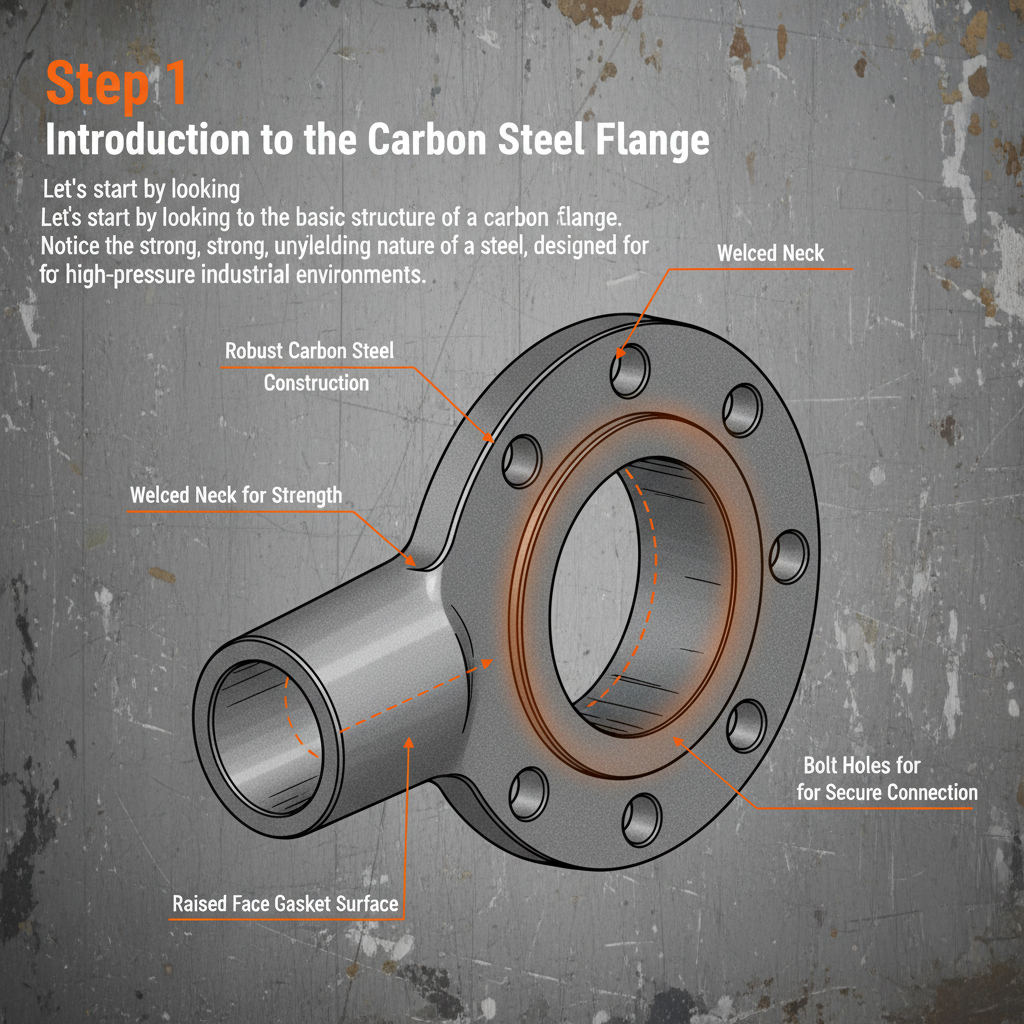
Good question. A slip-on flange is easier to install – you just slide it over the pipe and weld it in place. But a weld-neck flange is stronger and more reliable because the weld is made on the neck of the flange, which provides more support. Weld-neck flanges are typically used in high-pressure, high-temperature applications where strength is critical. Slip-ons are fine for lower-pressure systems. Essentially, it boils down to cost vs. performance.
Oh, absolutely. People often think any gasket will do, as long as it fits. That's not true! You need to choose a gasket material that is compatible with the fluid, the temperature, and the pressure. Different materials have different chemical resistances and temperature ratings. Using the wrong gasket can lead to leaks, corrosion, and even catastrophic failure. And always follow the manufacturer’s recommendations for gasket installation.
That’s a big one. Use stainless steel bolts, obviously. But even then, you need to protect the threads. Apply a good anti-seize compound to the threads before installation. And consider using a protective coating on the bolts and the flange surfaces. Regularly inspect the bolts for corrosion and replace them as needed. Don’t wait until they’re completely rusted through!
We’re seeing a lot more quick-connect flanges, especially in industries where downtime is critical. They’re expensive, but they can save a ton of time during maintenance and repairs. Also, there's a growing interest in gasket-less flanges, which eliminate the risk of gasket failure. Still fairly new, but the idea is pretty neat - using metal-to-metal seals. And, of course, smart flanges with built-in sensors are starting to emerge.
Ultimately, pipe fittings and flanges are a deceptively simple component. They seem straightforward, but there's a lot of nuance involved in choosing the right materials, designing the system properly, and installing everything correctly. From the materials used to the final tightening of the bolts, every detail matters.
But the real test isn't in the engineering reports or the lab tests. It’s in the field. It's whether the system holds up under real-world conditions, under the stress of daily operation. Ultimately, whether this thing works or not, the worker will know the moment he tightens the screw.

 Albanian
 Arabic
 Armenian
 Azerbaijani
 Belarusian
 Bengali
 Bulgarian
 Croatian
 Czech
Czech
 Danish
 Dutch
Dutch
 Esperanto
 Finnish
 French
 German
 Greek
Greek
 Hebrew
 Hungarian
 Indonesian
 Irish
Irish
 Italian
 Japanese
 Khmer
Khmer
 Korean
 Kyrgyz
 Lao
Lao
 Latin
Latin
 Lithuanian
 Malay
Malay
 Myanmar
 Norwegian
 Persian
 Polish
 Portuguese
 Romanian
 Russian
 Serbian
 Slovak
 Slovenian
 Spanish
 Swedish
 Tagalog
 Thai
Thai
 Turkish
 Turkmen
 Uzbek
Uzbek
 Vietnamese
 Zulu
Zulu
 English