Flange types are essential components in piping systems across a vast range of industries, from oil and gas to water treatment and manufacturing. Their primary function is to connect sections of pipe, valves, pumps, and other equipment to form a complete and leak-proof system. Understanding the different flange types, their applications, and the standards governing their use is crucial for ensuring the safety, reliability, and efficiency of these systems globally. The correct selection of flange types can significantly impact project costs, maintenance schedules, and overall operational lifespan.
The global flange market is a substantial one, driven by ongoing infrastructure development, increasing industrialization in emerging economies, and stringent safety regulations. According to industry reports, the global flange market was valued at over USD 6 billion in 2023 and is projected to grow significantly in the coming years. This growth is fueled by demand for robust and reliable piping solutions in various sectors, including energy, chemicals, and pharmaceuticals. The use of advanced materials and innovative flange designs is further contributing to market expansion.
A key challenge in utilizing flange types is ensuring compatibility across diverse systems and adhering to international standards like ASME, ANSI, and EN. Incorrect flange selection or installation can lead to leaks, system failures, and potential safety hazards. Therefore, a thorough understanding of flange types is not merely a technical requirement, but a critical aspect of responsible engineering and operational practice.
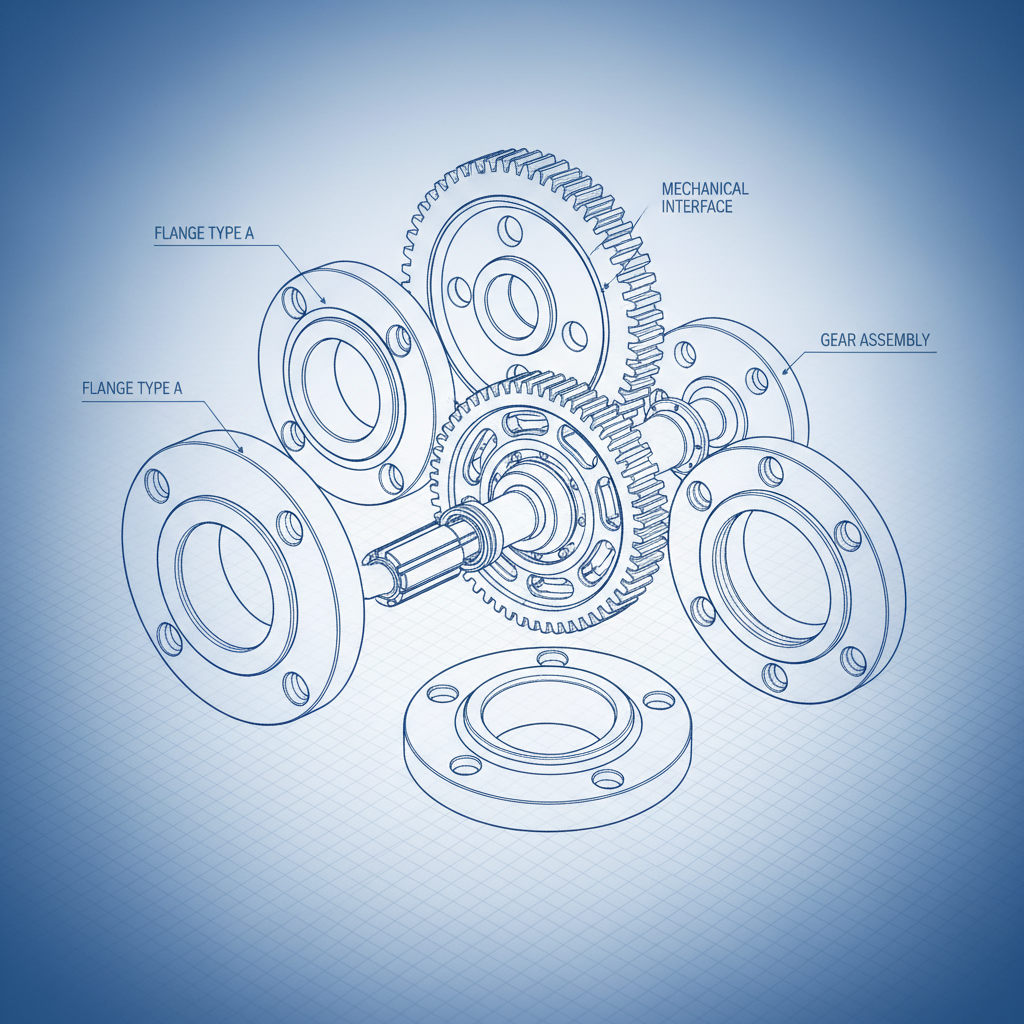
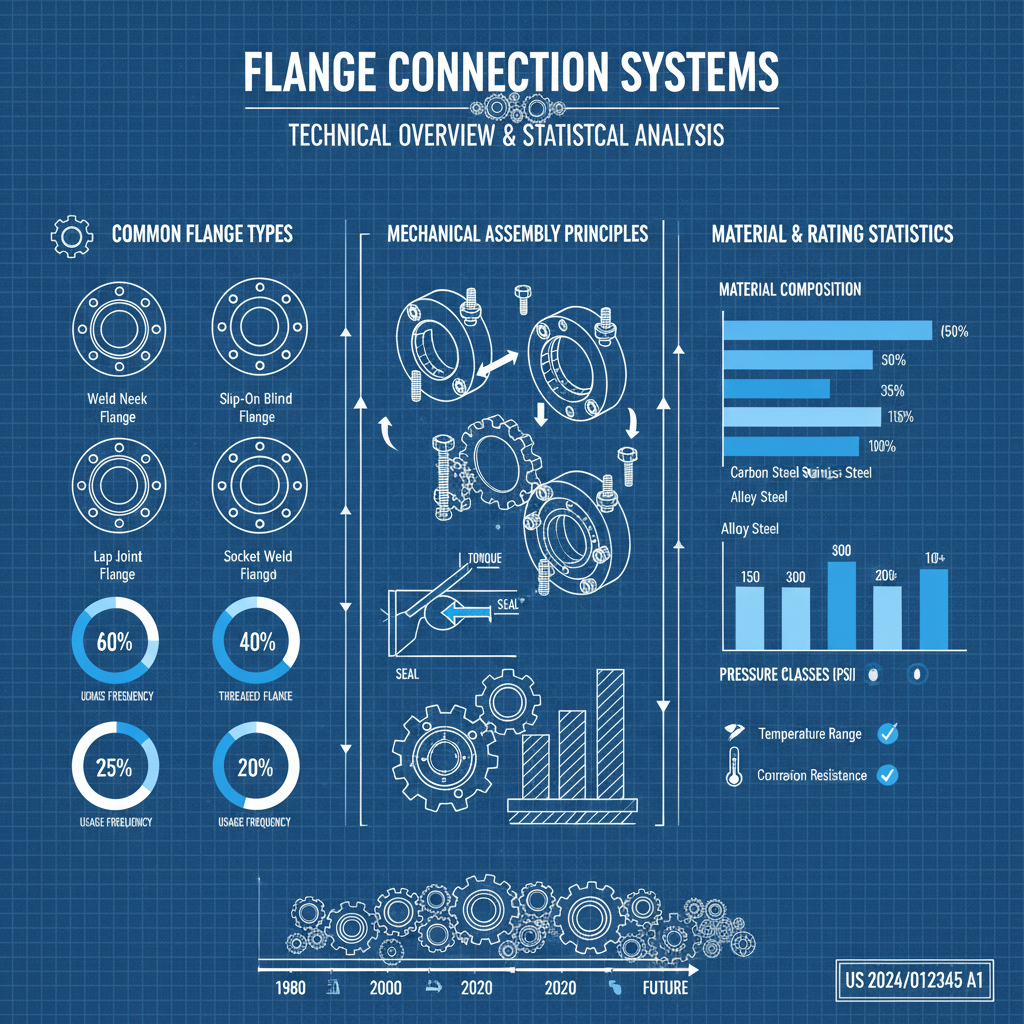
Flange types serve as critical connectors in piping systems, providing a secure and reliable method for joining pipe sections, valves, pumps, and other components. Their widespread application is due to their ease of assembly, disassembly for maintenance, and ability to accommodate various pressures and temperatures. Without properly selected and installed flange types, the integrity and efficiency of entire industrial processes could be compromised.
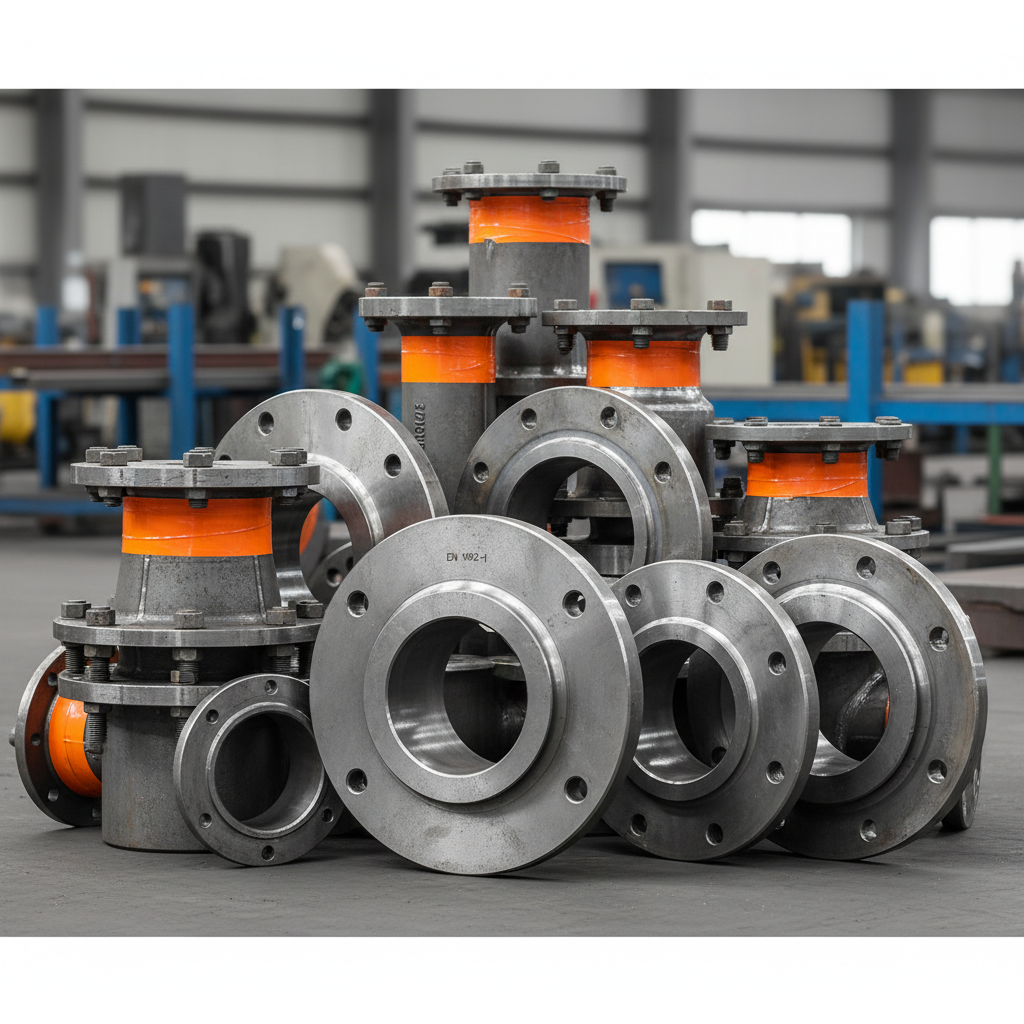
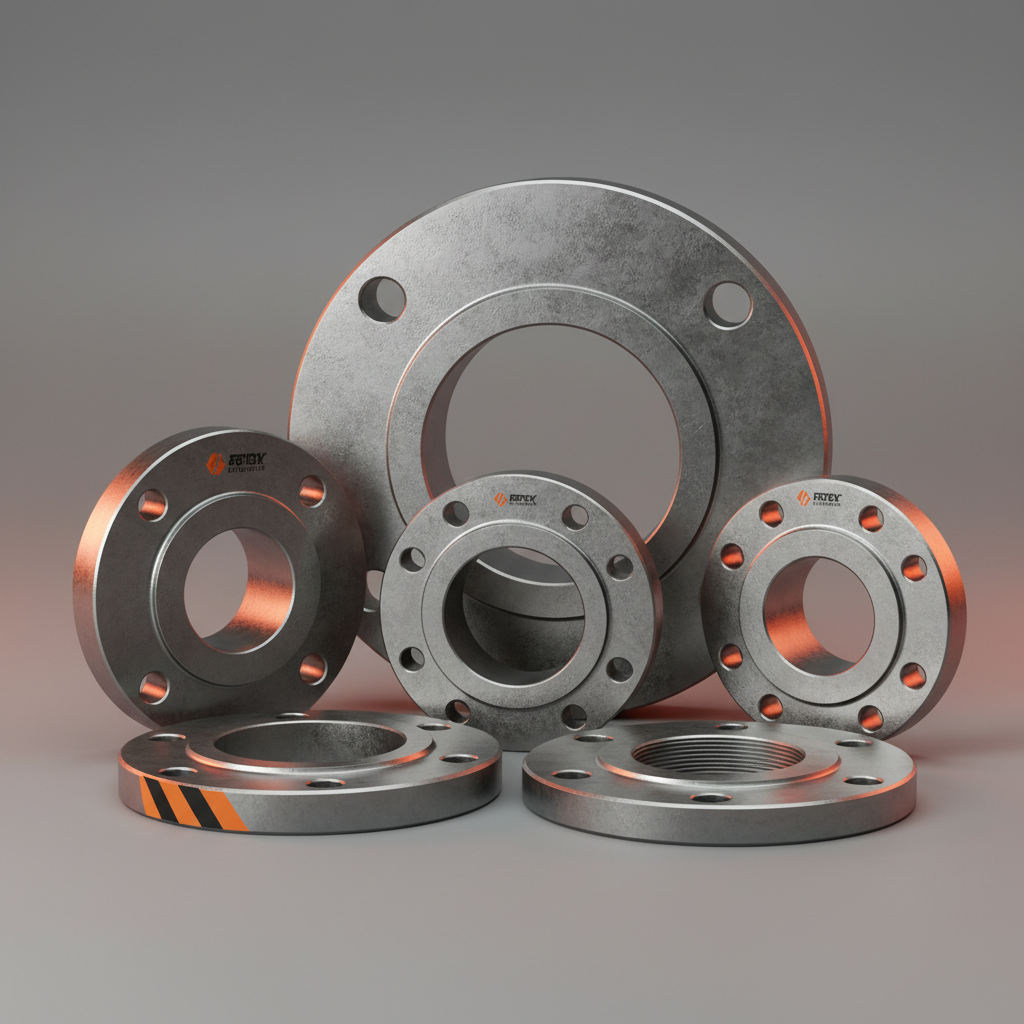
Understanding the diverse range of flange types available – weld neck, slip-on, blind, threaded, and more – is vital for engineers and technicians. Each type offers unique characteristics suited for specific applications, taking into account factors like pressure rating, material compatibility, and installation requirements. Choosing the correct flange type directly impacts system performance and longevity.
The most frequent cause of leaks in flanged joints is often related to gasket failure. This can stem from incorrect gasket material selection for the specific fluid and temperature, improper installation leading to uneven compression, or gasket degradation over time due to chemical attack or thermal cycling. Ensuring proper gasket selection and installation, alongside regular inspections, is crucial for leak prevention.
Choosing the correct flange material for a corrosive environment requires careful consideration of the fluid's chemical composition, concentration, and temperature. Stainless steel alloys (like 316) are commonly used for their excellent corrosion resistance, but in highly aggressive environments, specialized alloys such as Hastelloy or titanium may be necessary. Always consult a corrosion chart and consider the potential for galvanic corrosion when using dissimilar metals.
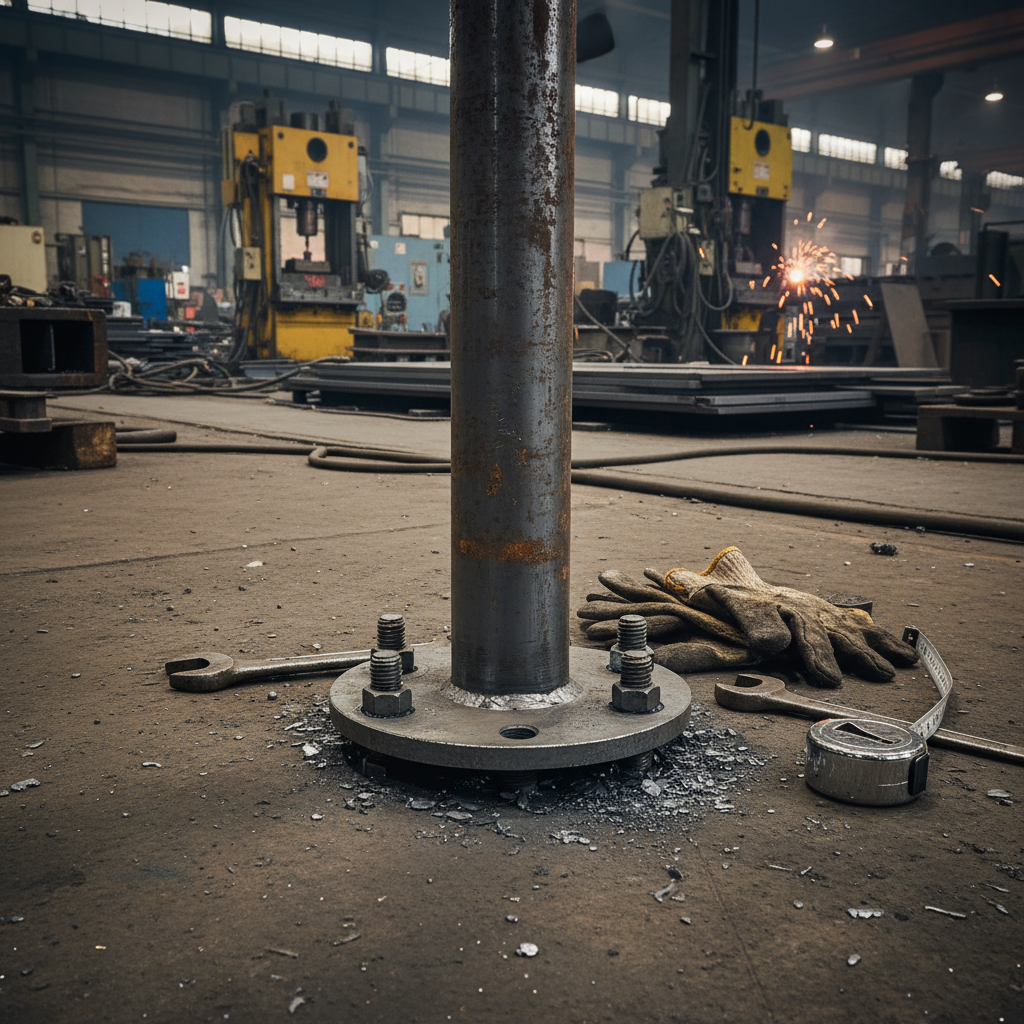
Proper flange bolt tightening is critical for achieving a leak-proof seal. Use a calibrated torque wrench and follow the manufacturer's recommended torque specifications. A cross-bolting pattern should be employed to ensure even compression of the gasket. Avoid over-tightening, which can distort the flange and damage the gasket. Consider using bolt tensioning methods for critical applications.
Common flange facings include raised face (RF), flat face (FF), and ring type joint (RTJ). RF facings are typically used with spiral-wound gaskets and are suitable for moderate pressures. FF facings are used with full-face gaskets and are preferred for lower pressures and applications requiring good sealing on uneven surfaces. RTJ facings are used for high-pressure, high-temperature applications and require a metal ring gasket.
The frequency of flange joint inspections depends on the application and the severity of the operating conditions. Regular visual inspections should be conducted to check for signs of leakage, corrosion, or bolt loosening. More detailed inspections, including bolt torque checks and gasket condition assessments, should be performed on a scheduled basis – typically annually or after a specific number of operating hours. Following a risk-based inspection program is highly recommended.
Several standards govern the design and manufacturing of flange types, including ASME B16.5 (for flanges and flanges fittings), ANSI standards, and EN 1092-1 (for European flanges). These standards specify requirements for dimensions, materials, pressure ratings, and testing procedures. Adherence to these standards ensures the safety and reliability of flanged connections. Compliance with relevant international standards is essential for global applications.
In conclusion, flange types are indispensable components in a vast range of industrial applications, serving as critical connectors that ensure the safe and efficient operation of piping systems. Understanding the diverse range of flange types, their specific characteristics, and the governing standards is paramount for engineers, technicians, and operators alike. Proper selection, installation, and maintenance of flange types are not merely technical requirements, but essential practices for maintaining system integrity and preventing costly failures.
Looking ahead, the future of flange types will be shaped by advancements in materials science, sensor technology, and digital modeling. Embracing these innovations will lead to more reliable, efficient, and sustainable piping systems. For expert guidance on selecting the right flange types for your specific application, or to learn more about our comprehensive range of products, please visit our website: www.hbjypipeline.com.

 Albanian
 Arabic
 Armenian
 Azerbaijani
 Belarusian
 Bengali
 Bulgarian
 Croatian
 Czech
Czech
 Danish
 Dutch
Dutch
 Esperanto
 Finnish
 French
 German
 Greek
Greek
 Hebrew
 Hungarian
 Indonesian
 Irish
Irish
 Italian
 Japanese
 Khmer
Khmer
 Korean
 Kyrgyz
 Lao
Lao
 Latin
Latin
 Lithuanian
 Malay
Malay
 Myanmar
 Norwegian
 Persian
 Polish
 Portuguese
 Romanian
 Russian
 Serbian
 Slovak
 Slovenian
 Spanish
 Swedish
 Tagalog
 Thai
Thai
 Turkish
 Turkmen
 Uzbek
Uzbek
 Vietnamese
 Zulu
Zulu
 English