0%

Table of Contents

Different types of flanges are essential components in piping systems across a vast range of industries, serving as connecting elements between sections of pipe, valves, pumps, and other equipment. Their primary function is to provide a secure and leak-proof joint, crucial for maintaining system integrity and safety. Understanding the nuances of different types of flanges is paramount for engineers, technicians, and procurement professionals involved in infrastructure projects, oil and gas, chemical processing, and numerous other sectors.

The global flange market is a significant indicator of industrial activity and infrastructure development. According to recent reports, the market is projected to reach substantial growth in the coming years, driven by increasing investments in energy, water management, and manufacturing. The demand for specialized flanges, particularly those designed for high-pressure and high-temperature applications, is also on the rise. Ensuring the correct selection and installation of different types of flanges directly impacts operational efficiency and minimizes costly downtime.

The importance of selecting the appropriate flange type cannot be overstated. Choosing the wrong flange can lead to leaks, equipment failure, and potentially catastrophic accidents. This is where a thorough understanding of the various designs, materials, and standards becomes critical. Different types of flanges aren’t just about physical connections; they are about ensuring the safe and reliable operation of vital systems worldwide.
Understanding Different Types of Flanges for Industrial Piping Systems

Introduction to different types of flanges

Understanding Different Types of Flanges for Industrial Piping Systems

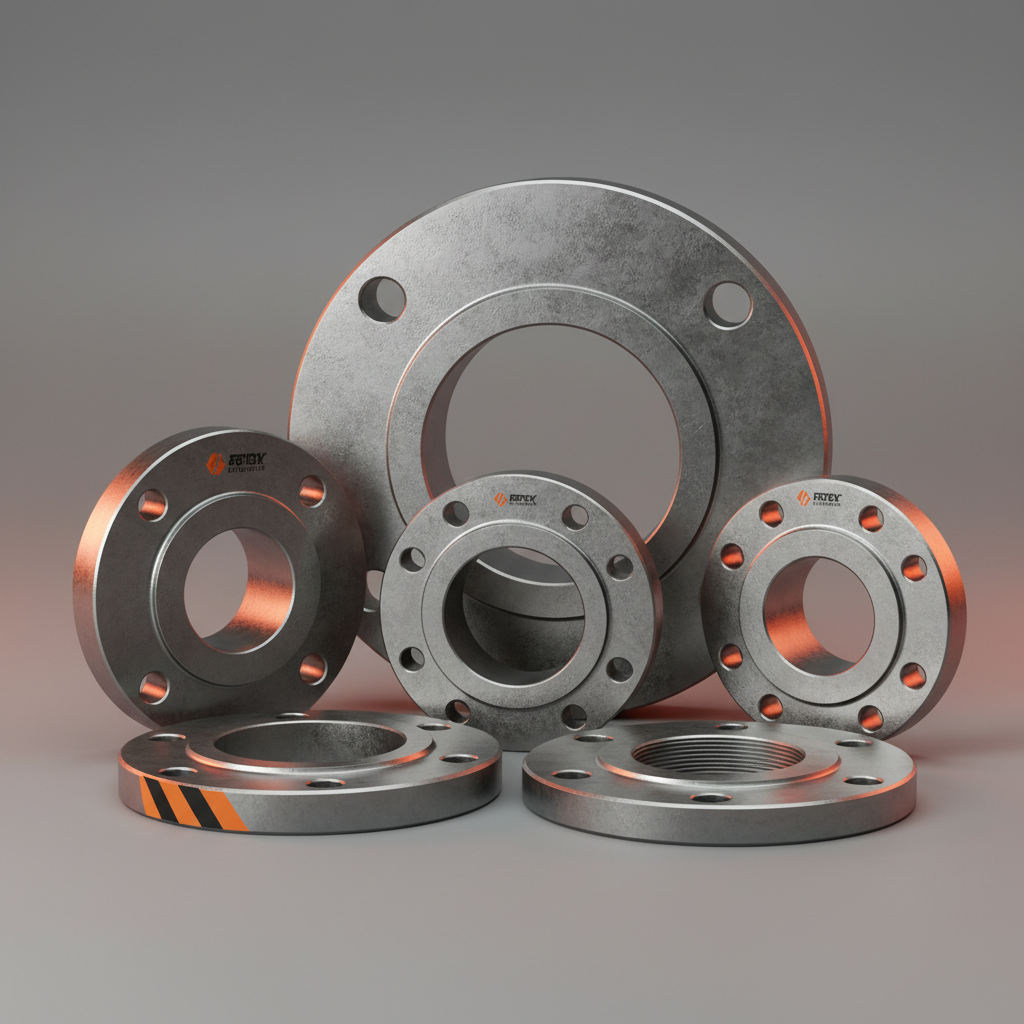
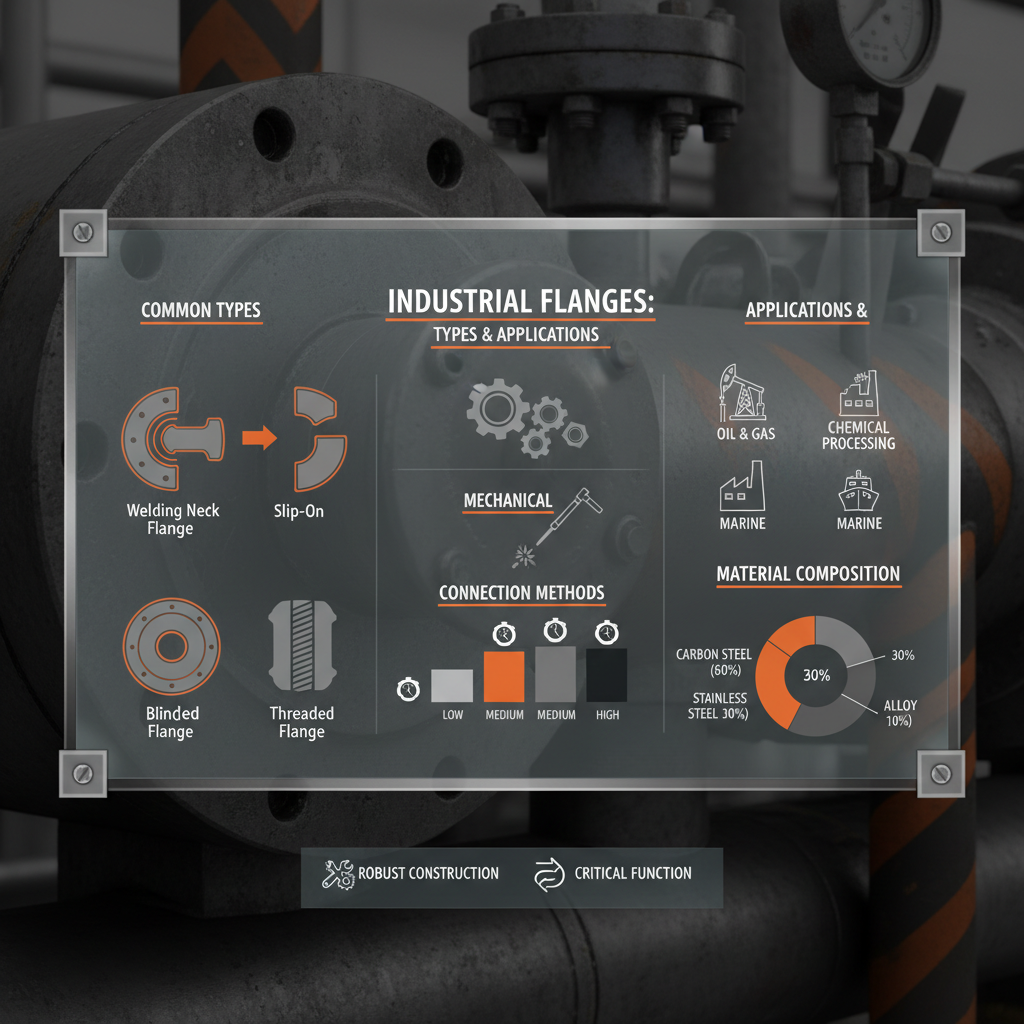
The world of different types of flanges is surprisingly diverse. From weld neck flanges, commonly used in high-pressure systems, to slip-on flanges which are easier to install, each type caters to specific application needs. Understanding these differences is crucial for ensuring the longevity and safety of piping systems. Proper flange selection directly correlates with minimized leak risks and optimized performance.

The selection process involves considering factors such as pressure ratings, temperature requirements, pipe material, and compatibility with the surrounding fluids. The availability of various materials – carbon steel, stainless steel, alloy steel, and even specialized plastics – further expands the choices available to engineers and designers. Choosing the optimal flange is not merely a technical detail; it’s a fundamental element of sound engineering practice.

Defining different types of flanges

In simple terms, different types of flanges are circular plates with bolts around the perimeter, designed to connect sections of piping or connect pipes to valves, pumps, or other equipment. They act as a joining interface, providing a secure and leak-proof seal when properly installed with gaskets and bolting materials. They bridge the gap between components, facilitating the flow of fluids or gases within an industrial process.

The concept of the flange dates back to early plumbing and steam engine applications, but modern flange designs have evolved significantly to meet the demands of increasingly complex industrial processes. Standardization, driven by organizations like ASME and ISO, ensures interchangeability and compatibility across different manufacturers and regions. This standardization is key for global supply chains and project efficiency.

Understanding the basic components of a flange – the face, the bore, the bolt holes, and the flange thickness – is essential for proper selection and installation. Each element plays a critical role in achieving a reliable and durable connection. different types of flanges are a staple of modern infrastructure.

Key Characteristics of different types of flanges

One of the most important characteristics of different types of flanges is their pressure rating. This indicates the maximum pressure the flange can withstand safely. Pressure ratings are typically expressed in pounds per square inch (PSI) or bars, and are determined by factors such as flange material, dimensions, and bolting arrangement. Selecting a flange with an adequate pressure rating is critical to prevent catastrophic failure.

Another crucial characteristic is the flange material. Carbon steel flanges are commonly used for general-purpose applications, while stainless steel flanges offer superior corrosion resistance. Alloy steel flanges are employed in high-temperature or high-pressure environments, and non-metallic flanges are suitable for specific chemical compatibility requirements. The correct material choice ensures long-term reliability and minimizes maintenance costs.

Furthermore, the flange facing, which is the surface where the gasket sits, significantly impacts sealing performance. Common facing types include raised face (RF), flat face (FF), and ring type joint (RTJ). Each facing type is suited for different pressure and temperature conditions and requires a compatible gasket material. Finally, understanding the flange’s dimension and bolting pattern is vital for proper installation and alignment.

Performance Metrics for different types of flanges

Evaluating the performance of different types of flanges requires considering several key metrics. Leak tightness, measured in parts per million (PPM), is a primary indicator of flange integrity. A low PPM value signifies a reliable seal and minimal fluid loss. Another important metric is the flange’s resistance to corrosion and erosion, particularly in harsh environments.

Bolted joint performance, including bolt load retention and stress distribution, also plays a critical role. Finite element analysis (FEA) is often used to simulate bolted joint behavior and optimize flange designs. Furthermore, the ease of installation and maintenance contributes to overall lifecycle costs. Flanges that are quick to install and require minimal maintenance offer significant economic advantages.

Performance Comparison of different types of flanges


Global Applications of different types of flanges

Different types of flanges find application in a multitude of industries globally. The oil and gas sector heavily relies on flanges for pipeline construction, refinery operations, and offshore platforms. Power generation plants utilize flanges in steam systems and cooling water circuits.

In the chemical processing industry, flanges are crucial for handling corrosive and hazardous materials. Water treatment facilities employ flanges in distribution networks and filtration systems. Even in the food and beverage industry, sanitary flanges, designed for hygienic applications, are indispensable for maintaining product quality and safety.

From remote industrial zones in Siberia to densely populated urban centers, different types of flanges are a vital component of critical infrastructure worldwide.

Advantages of Utilizing different types of flanges

The advantages of utilizing different types of flanges extend beyond simply connecting pipes. Their modularity allows for easy disassembly for maintenance, inspection, and repair, minimizing downtime and reducing operational costs. The wide range of available materials and configurations enables engineers to tailor flange selections to specific application requirements, optimizing performance and reliability.

Furthermore, standardized flange designs promote interchangeability, streamlining supply chain management and reducing inventory needs. The proper selection of flanges also contributes to workplace safety by preventing leaks and minimizing the risk of accidents.

Future Trends in different types of flanges

The future of different types of flanges is being shaped by several key trends. The growing emphasis on sustainability is driving the development of eco-friendly flange materials and manufacturing processes. Digitalization, including the use of sensors and data analytics, is enabling predictive maintenance and improved flange performance monitoring.

Advanced materials, such as composite flanges, are gaining traction for their lightweight and corrosion-resistant properties. Furthermore, the increasing demand for automation is leading to the development of self-aligning and quick-connect flange designs, reducing installation time and labor costs.

Challenges and Potential Solutions

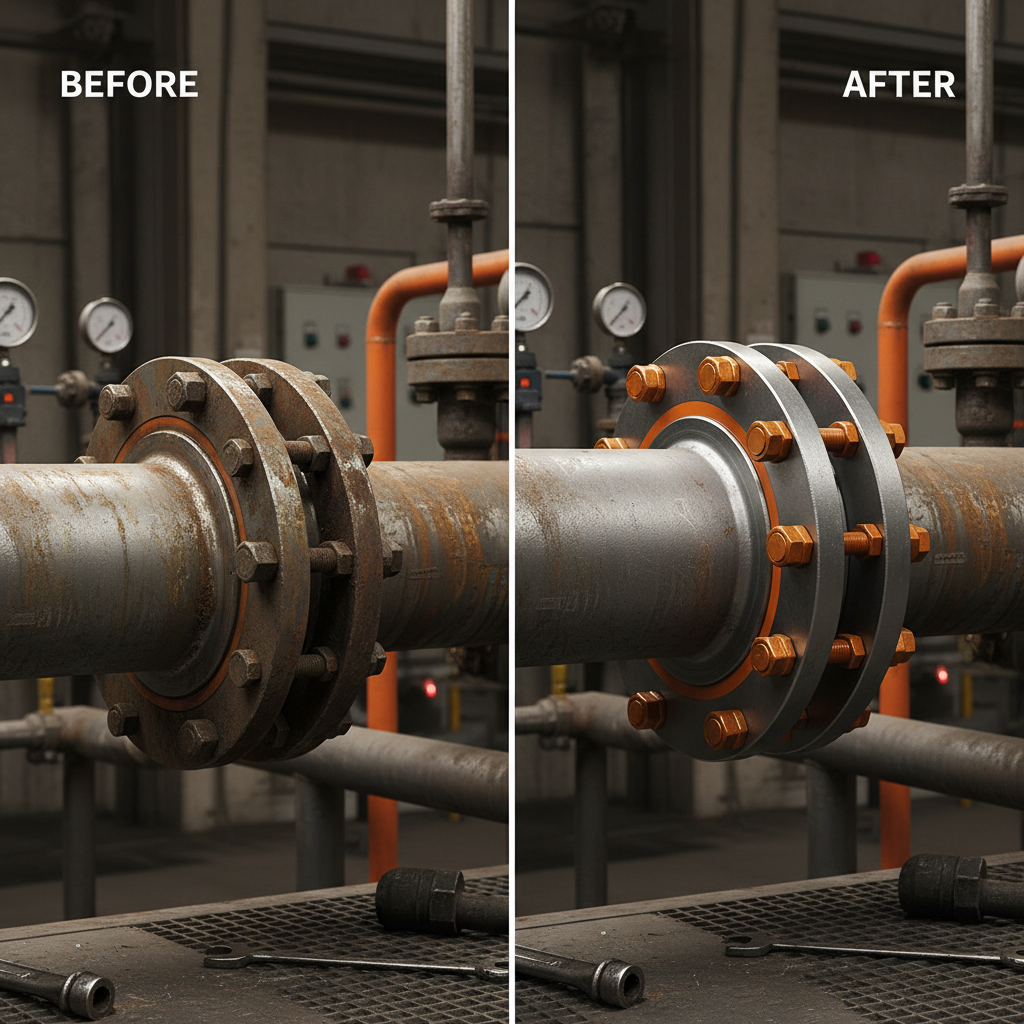
Despite their widespread use, different types of flanges face certain challenges. Gasket failure remains a common issue, often stemming from improper gasket selection, inadequate bolt load, or thermal cycling. Corrosion, particularly in harsh environments, can also compromise flange integrity over time.

Potential solutions include the adoption of advanced gasket materials, improved bolt tightening procedures, and the implementation of corrosion monitoring systems. Furthermore, the use of non-destructive testing (NDT) methods, such as ultrasonic testing and radiography, can help detect flaws and prevent catastrophic failures. Embracing innovative technologies and best practices is crucial for overcoming these challenges.

Summary of Challenges & Solutions for different types of flanges

Challenge Root Cause Impact on Operations Potential Solution
Gasket Failure Improper gasket selection, insufficient bolt load. Leaks, downtime, safety hazards. Advanced gasket materials, torque monitoring.
Corrosion Exposure to corrosive fluids or environments. Reduced flange strength, leaks. Corrosion-resistant alloys, protective coatings.
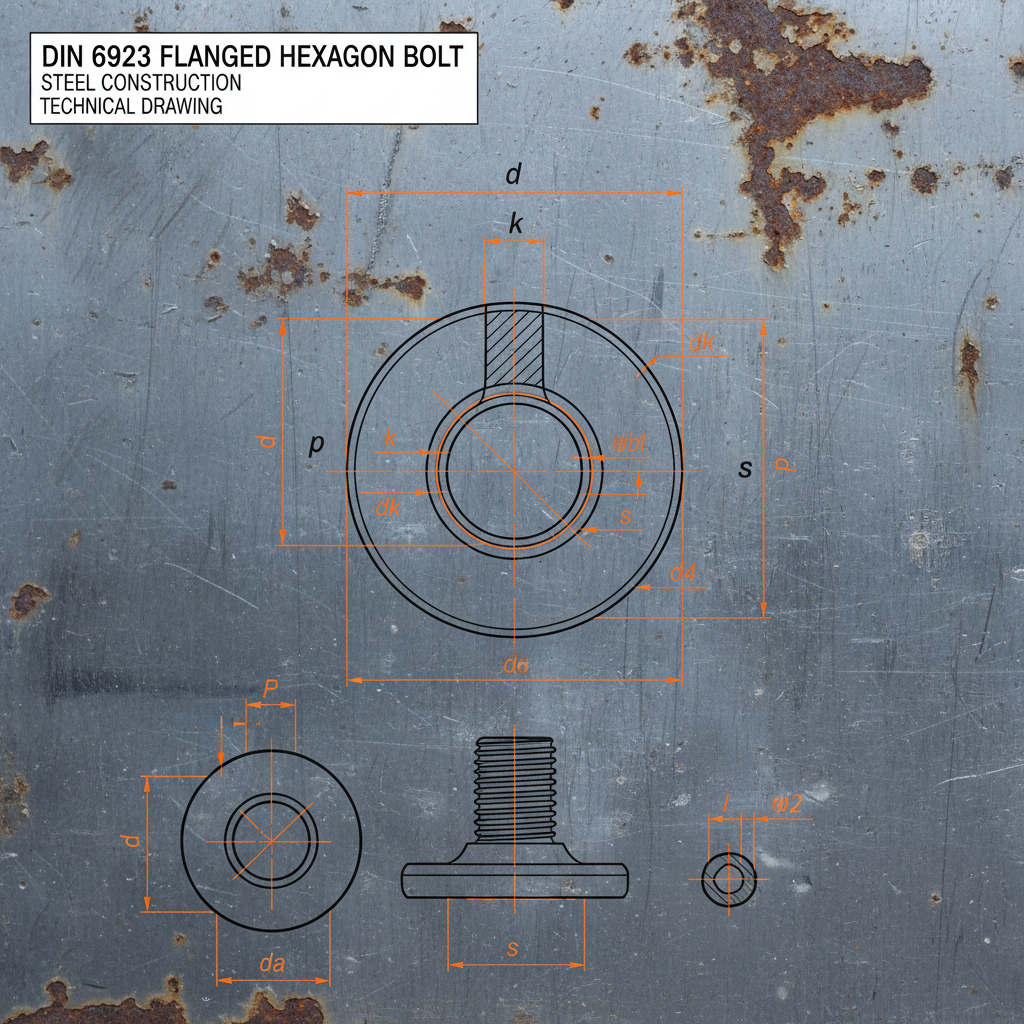
Bolting Issues Loosening, corrosion of bolts, improper tightening. Reduced clamping force, leaks. High-strength bolts, anti-seize compounds.
Thermal Expansion/Contraction Temperature fluctuations causing stress on the flange. Distortion, leaks. Expansion joints, flexible connections.
Erosion Abrasion from fluids containing solids. Material loss, leaks. Hardened materials, erosion-resistant coatings.
Improper Installation Incorrect alignment, inadequate bolt tightening. Leaks, premature failure. Training, quality control, proper procedures.

FAQS

What are the key differences between weld neck and slip-on flanges?

Weld neck flanges provide a stronger, more reliable connection, particularly for high-pressure systems, as the weld is made on the neck of the flange. Slip-on flanges are easier and quicker to install, requiring less precise welding, but they typically have lower pressure ratings. Choosing between the two depends on the application's specific requirements and safety considerations. They each suit different levels of pressure and potential corrosion.

How do I select the appropriate gasket for a specific flange application?

Gasket selection depends on several factors including the flange material, the fluid being conveyed, the operating temperature, and the pressure. Common gasket materials include non-asbestos fiber, PTFE, and metallic gaskets. Consider chemical compatibility and ensure the gasket is rated for the system's maximum temperature and pressure. Proper gasket selection is critical for preventing leaks and ensuring long-term reliability.

What is the importance of proper bolt tightening?

Correct bolt tightening is essential for achieving a leak-proof seal. Insufficient tightening can lead to leaks, while over-tightening can damage the flange or gasket. Using a calibrated torque wrench and following recommended tightening procedures is crucial. Regular bolt inspection and re-tightening are also recommended, particularly in systems subject to thermal cycling.

What are RTJ flanges and when should they be used?

Ring Type Joint (RTJ) flanges utilize a metallic ring gasket that is compressed between the flange faces. They are commonly used in high-pressure, high-temperature applications, particularly in the oil and gas industry, where exceptional sealing performance is required. RTJ flanges offer excellent reliability but typically require specialized machining and installation.

How can I prevent corrosion of different types of flanges?

Preventing corrosion involves selecting appropriate materials for the flange and gasket, applying protective coatings (such as paint or epoxy), and implementing cathodic protection measures. Regular inspection and maintenance are also crucial for detecting and addressing corrosion issues before they escalate. Using corrosion inhibitors in the conveyed fluid can also help mitigate corrosion.

What are the common flange standards used worldwide?

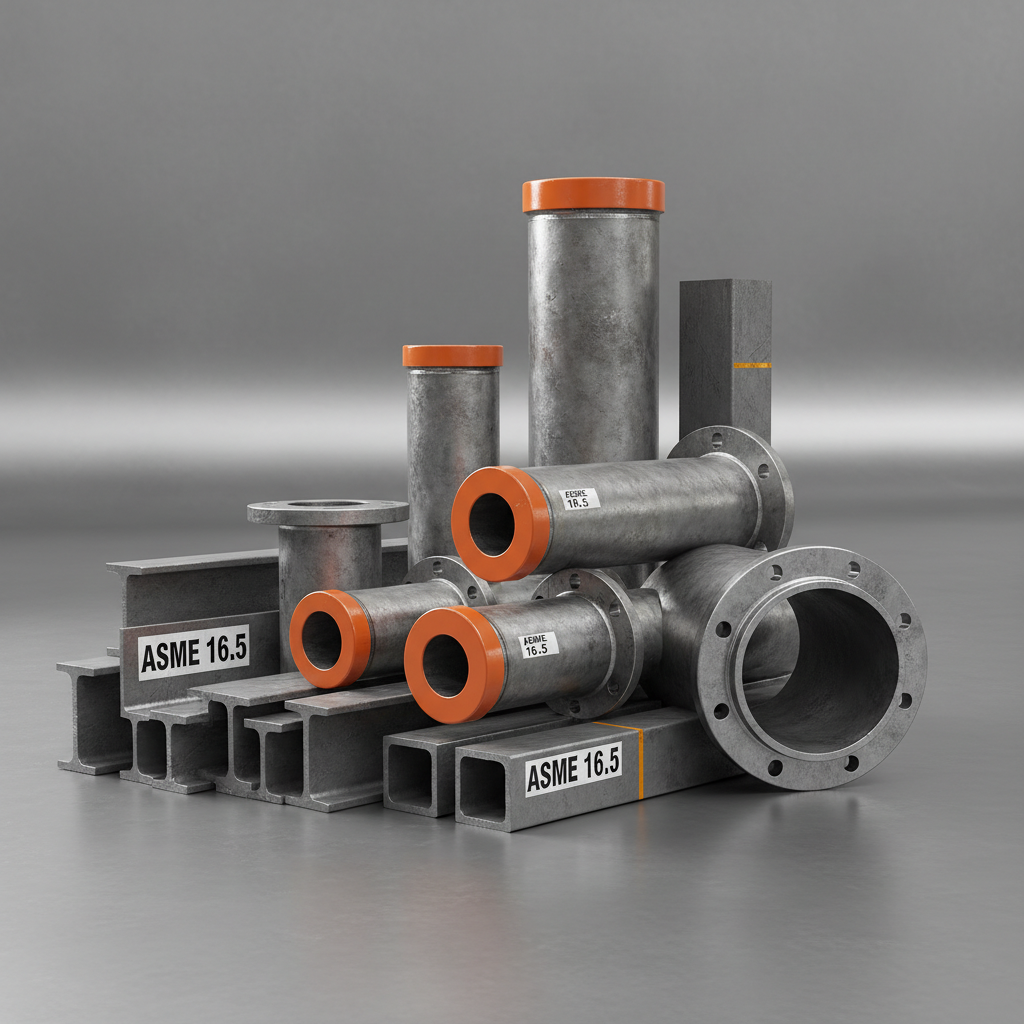
Common flange standards include ASME B16.5 (American Society of Mechanical Engineers) and EN 1092-1 (European Norm). ASME standards are widely used in North America, while EN standards are prevalent in Europe. ISO standards are also increasingly adopted globally. Understanding these standards is critical for ensuring compatibility and interchangeability of different types of flanges.

Conclusion

In conclusion, different types of flanges are integral components in a vast array of industrial applications, providing secure and reliable connections in piping systems. Understanding the diverse range of flange types, their characteristics, and proper selection criteria is crucial for ensuring operational safety, efficiency, and longevity. From weld neck to slip-on, blind to socket weld, each flange design serves a unique purpose, optimized for specific conditions and requirements.

Looking ahead, the flange industry will continue to evolve, driven by innovations in materials, digitalization, and sustainability. Embracing these advancements and adopting best practices in installation and maintenance will be paramount for maximizing the value and minimizing the risks associated with different types of flanges. For more information and a wide range of different types of flanges, visit our website: www.hbjypipeline.com.

David Chen

David Chen

David Chen is the Head of International Sales at Hebei Jiuyuan Pipeline Manufacturing, focusing on expanding our presence in the petrochemical and shipbuilding industries. He has a strong background in international trade and logistics, managing key accounts in Europe and the Middle East. David is adept at understanding diverse customer
Previous Comprehensive Flange Wholesale Solutions for Industrial Piping Systems
Next Understanding Diverse Flange Types for Piping System Integrity and Performance
en_USEnglish