



A threaded flange suits piping installations that need a screw-on connection without welding. This guide explains the checks that matter before purchase, including matching external pipe threads, pressure class, nominal size, material, standard, coating, and service environment.
Connection method and pipe thread compatibility
Pressure class, nominal size, material, and applicable standard
Surface coating and service environment
A threaded flange uses internal threads to screw onto a pipe with matching external threads. It suits installations where welding is not possible or not desired, including restricted work areas and small-diameter piping. The connection also supports applications that require later disassembly or reconfiguration.
Start with the connection method
The pipe and flange must use compatible threads. Confirm the pipe's external thread form and size before selecting the flange. This check is central to a screw-on connection because the flange is attached without welding.
A threaded connection can be useful where hot work is difficult to arrange. Picture an instrumentation line in a restricted area: the installer can position the flange with basic threaded assembly methods instead of bringing welding equipment to the connection point. For a maintenance team that expects to reconfigure a line, the same connection format can make removal more practical than a welded joint.
Match the pressure class and size
The Threaded Flange is available in pressure ratings from PN6 to PN40 and Class 150 to Class 2500. The listed size range is DN10 to DN2000, 1/2 inch to 24 inch, with S.A. sizes from 12 inch to 60 inch. Select the pressure class and nominal size from the piping design, then confirm that the flange dimensions match the connected components.
Small-diameter piping is a natural fit for this connection type. For a compact process or instrumentation line, check the pipe outside thread, nominal size, pressure requirement, and available installation space together. A size match alone does not confirm application fit.
Select material and surface treatment
Material choices include carbon steel, stainless steel, and alloy steel. Listed carbon steel grades include ASTM A105, P235GH, P245GH, P250GH, P265GH, and ST37-2. Stainless steel options include ASTM A182, 304, and 306.
Choose the material against the fluid and service conditions. The product is intended for noncorrosive environments, so the service environment should be reviewed before it is specified. Surface options include black paint, galvanize, grease, and epoxy paint. The requested coating should match the handling and installation conditions.
Confirm the required standard
The available standard options include ASME, EN, JIS, DIN, BS, KS, GOST, SABS, and ATK. Put the required standard in the purchase specification with the pressure class, nominal size, material grade, thread details, and coating. This gives the supplier the information needed to identify the intended flange configuration.
A buyer preparing a replacement should also compare the existing flange's standard, thread, size, and pressure class before ordering. For a new line, send the piping schedule or connection drawing with the required quantity so the selected configuration can be checked against the installation.
When a threaded flange is the right choice
Choose the Threaded Flange for a no-weld connection on a pipe with matching external threads, especially in small-diameter piping, restricted areas, instrumentation piping, and systems that need frequent disassembly or reconfiguration. It is also used in industrial piping and fire-protection applications described for this product.
The selection depends on more than avoiding welding. The thread must match, the pressure class and size must suit the line, and the material and coating must fit the service environment. Send the pipe thread details, nominal size, pressure class, material grade, required standard, coating, service environment, and quantity when requesting a quotation.
The people

About the author
The company
HEBEI JIUYUAN PIPELINE MANUFACTURING CO.,LTD .
HEBEI JIUYUAN PIPELINE MANUFACTURING CO.,LTD . is located in Mengcun Hui Autonomous County, known as the "Capital of Elbows", with a registered capital of 10.09 million yuan. The company is equipped with advanced production facilities, strong technical capabilities and strict testing equipment, ranking among the top in the industry for its excellent quality and service. We have always been committed to technological innovation and improving product quality.…
About Us ↗Visit company website ↗Your next step
Bring your brief. Start a useful conversation.
Use case, specification, quantity and delivery window: make the next conversation specific.


-
 Oct. 02, 2025
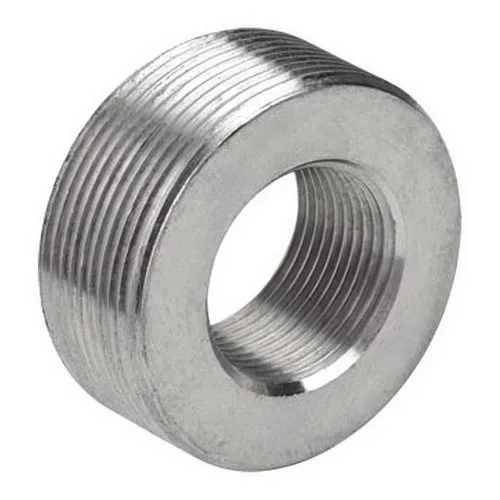
Explore pipe reducer types engineered to ISO/ASME, tight tolerances, corrosion-resistant alloys, seamless/welded options. Ideal for oil & gas, water, HVAC. Get specs, samples, and a fast quote today.
-
 Oct. 06, 2025
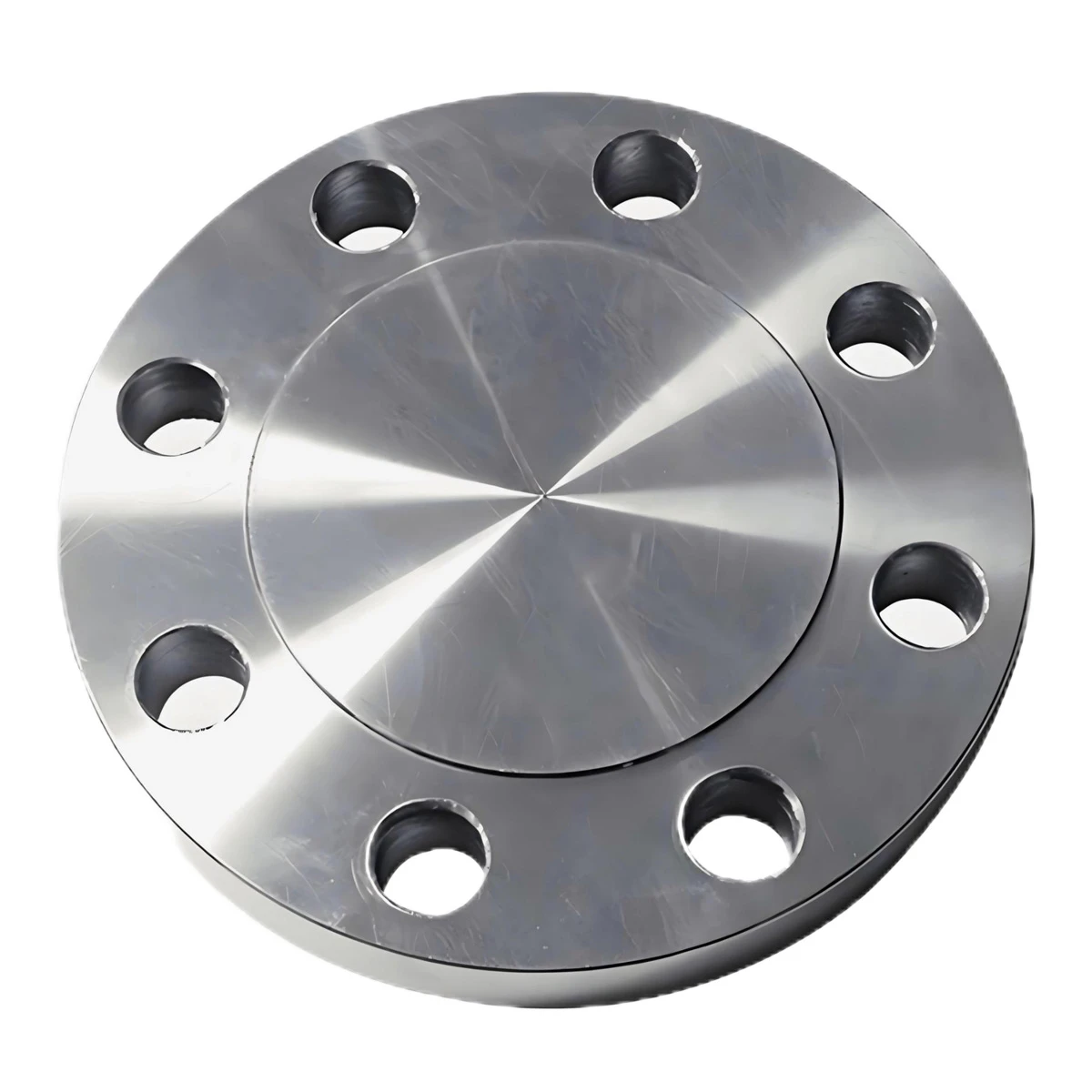
Precision-machined neck flange with ASME/ANSI compliance, corrosion-resistant materials, and 100% PMI. Ideal for oil & gas, chemical, power, and pipeline tie-ins. Get a fast quote today.
 Albanian
 Arabic
 Armenian
 Azerbaijani
 Belarusian
 Bengali
 Bulgarian
 Croatian
 Czech
 Danish
 Dutch
 Esperanto
 Finnish
 French
 German
 Greek
 Hebrew
 Hungarian
 Indonesian
 Irish
 Italian
 Japanese
 Khmer
 Korean
 Kyrgyz
 Lao
 Latin
 Lithuanian
 Malay
 Myanmar
 Norwegian
 Persian
 Polish
 Portuguese
 Romanian
 Russian
 Serbian
 Slovak
 Slovenian
 Spanish
 Swedish
 Tagalog
 Thai
 Turkish
 Turkmen
 Uzbek
 Vietnamese
 Zulu
 English


