


Understanding Steam Pipe Elbows: A Comprehensive Guide
Steam pipe elbows are crucial components in piping systems designed to transport steam, commonly found in power generation, heating, ventilation, and various industrial processes. These fittings redirect the flow of steam, enabling complex piping layouts while minimizing pressure loss. Choosing the right steam pipe elbows is critical for the efficiency, safety, and longevity of any steam-powered system. This article provides a detailed overview of steam pipe elbows, covering their types, materials, applications, and key considerations for selection. Understanding these details ensures optimized performance and reduced downtime for your operations.
Types of Steam Pipe Elbows
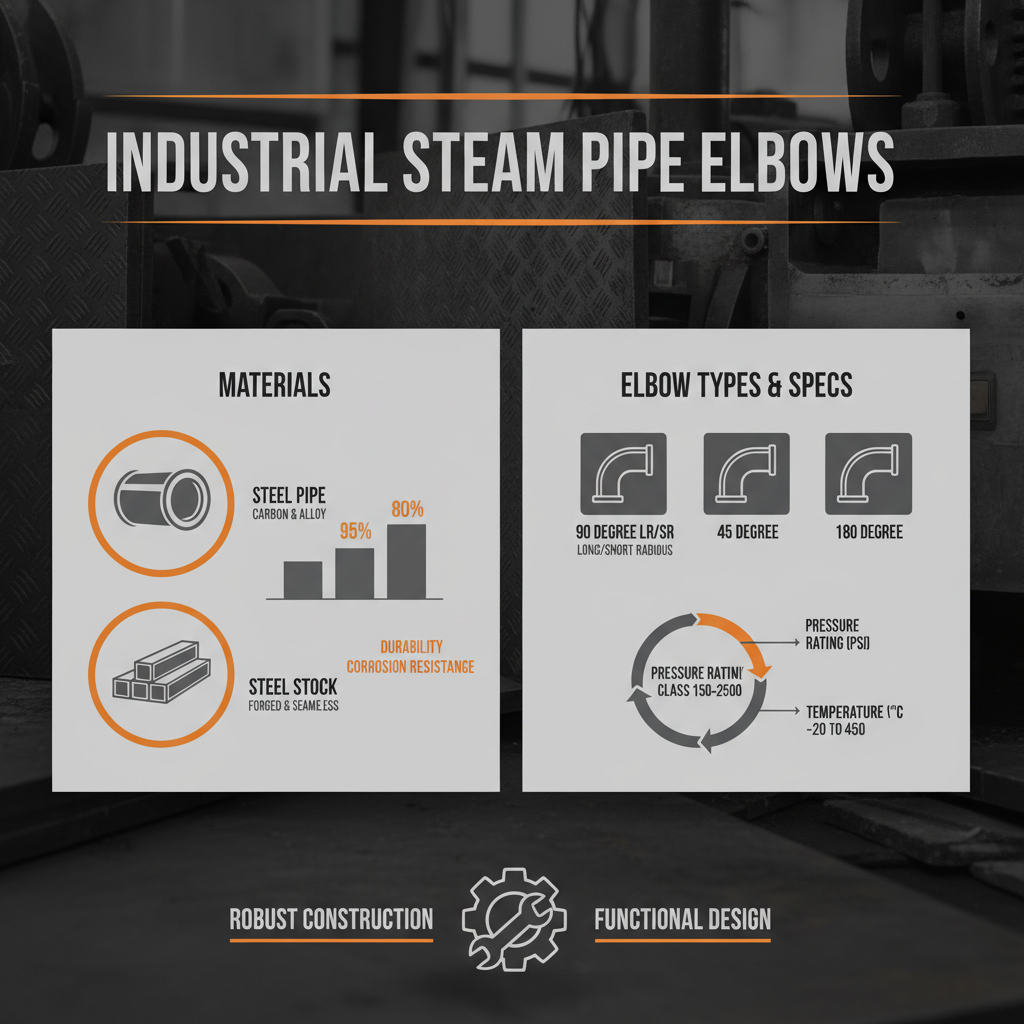
Steam pipe elbows are available in various configurations to accommodate different flow redirection requirements. The most common types include 90-degree elbows, 45-degree elbows, and 180-degree elbows. 90-degree elbows provide a sharp change in direction, ideal for tight spaces. 45-degree elbows offer a more gradual bend, reducing flow turbulence and pressure drop. 180-degree elbows are used for reversing the flow direction. Long radius and short radius elbows also exist, affecting flow characteristics and space requirements. The selection depends on the specific layout of the steam piping system and the desired flow performance.
Key Considerations: Understanding the angle, radius, and flow requirements is essential for choosing the appropriate elbow type. Proper selection minimizes pressure loss and ensures efficient steam distribution.
Materials Used in Steam Pipe Elbows
The material of a steam pipe elbow is critical for withstanding the high temperatures and pressures associated with steam systems. Common materials include carbon steel, stainless steel (typically 304/304L or 316/316L), and alloy steel. Carbon steel is a cost-effective option for general applications, but it may require protective coatings to prevent corrosion. Stainless steel offers superior corrosion resistance, making it ideal for applications involving aggressive steam or condensate. Alloy steel provides enhanced strength and temperature resistance for demanding environments. The choice of material depends on the steam pressure, temperature, and the chemical composition of the steam and condensate.
Material Selection Guide:
• Carbon Steel: Cost-effective, suitable for moderate temperatures and pressures.
• Stainless Steel: Excellent corrosion resistance, ideal for aggressive steam environments.
• Alloy Steel: High strength and temperature resistance, for demanding applications.
• Duplex Steel: Combines strength and corrosion resistance, often used in harsh environments.
Steam Pipe Elbows: A Comparison of Materials
Choosing the right material for steam pipe elbows requires careful consideration of cost, performance, and environmental factors. Below is a comparison highlighting the strengths and weaknesses of common materials.
Applications of Steam Pipe Elbows
Steam pipe elbows are indispensable in a wide array of industrial and commercial applications. They are fundamental in power plants for directing steam to turbines, in district heating systems for distributing hot water, and in manufacturing facilities for powering various processes. Furthermore, they’re used in chemical processing plants, refineries, and even food processing industries where steam is used for sterilization and cleaning. Correctly installed steam pipe elbows contribute significantly to the efficiency and reliability of these systems. Selecting the right elbow based on application specifics is crucial for preventing leaks, minimizing pressure drop, and extending the lifespan of the entire piping network.
Selecting the Right Steam Pipe Elbow: Key Considerations
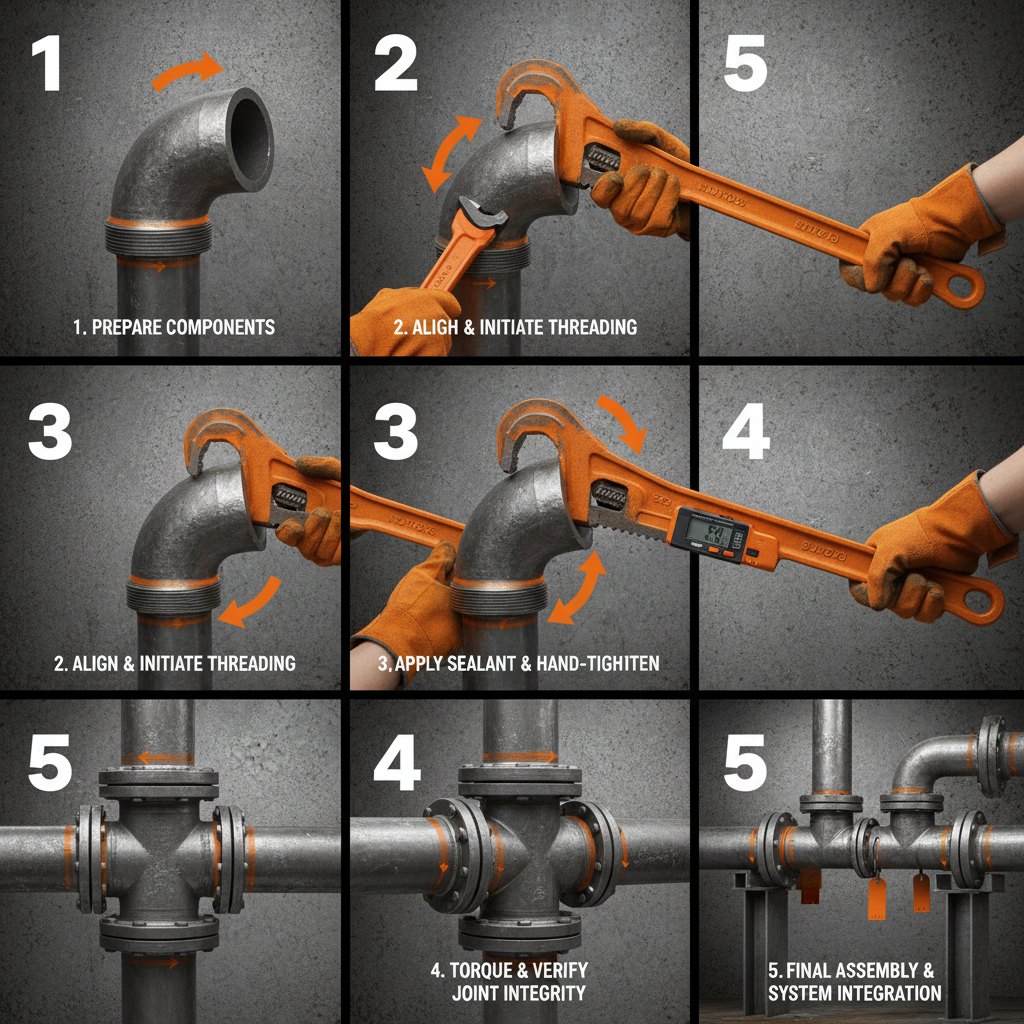
Choosing the appropriate steam pipe elbow involves considering several factors, including steam pressure, temperature, flow rate, and the corrosive nature of the steam and condensate. Ensuring compatibility with the existing piping system is also crucial. HBJY Pipeline offers a wide range of steam pipe elbows manufactured to meet industry standards. Proper installation, following manufacturer guidelines, is essential for leak-free operation and long-term reliability. Consult with a qualified piping engineer to ensure the selected elbows meet the specific requirements of your application.
Conclusion: Ensuring Optimal Steam System Performance
Selecting the correct steam pipe elbows is critical for the safe and efficient operation of any steam-powered system. By understanding the different types, materials, and applications, you can ensure long-term reliability and minimize downtime. HBJY Pipeline provides high-quality steam pipe elbows designed to meet the demands of diverse industrial applications. Invest in quality and expertise to safeguard your steam systems.
Frequently Asked Questions (FAQs)
What is the recommended schedule for inspecting steam pipe elbows?
Regular inspection of steam pipe elbows is crucial for preventative maintenance. A visual inspection should be conducted at least annually, looking for signs of corrosion, erosion, or physical damage. More frequent inspections – quarterly or even monthly – are recommended for systems operating under high stress or in corrosive environments. Non-destructive testing methods, such as ultrasonic testing, can provide a more detailed assessment of the elbow's integrity. Documenting inspection findings and tracking any changes over time helps identify potential problems before they lead to failures.
How do I determine the correct elbow radius for my application?
The elbow radius influences flow turbulence and pressure drop. A longer radius elbow results in smoother flow and lower pressure loss but requires more space. A shorter radius elbow is more compact but introduces greater turbulence and pressure drop. The selection depends on space constraints, flow rate requirements, and the sensitivity of downstream equipment to pressure fluctuations. Generally, a longer radius is preferred for high-velocity steam flows, while a shorter radius may be acceptable for lower-velocity applications. Consulting with a piping engineer is recommended to determine the optimal radius for your specific system.
What are the benefits of using stainless steel elbows in steam systems?
Stainless steel elbows offer superior corrosion resistance compared to carbon steel, making them ideal for steam systems handling corrosive condensate or operating in harsh environments. This resistance minimizes the risk of leaks and extends the lifespan of the piping system. Stainless steel also maintains its strength at higher temperatures, enhancing the reliability of the system. While more expensive than carbon steel, the long-term benefits of reduced maintenance and increased durability often outweigh the initial cost.
-
 Sep. 25, 2025
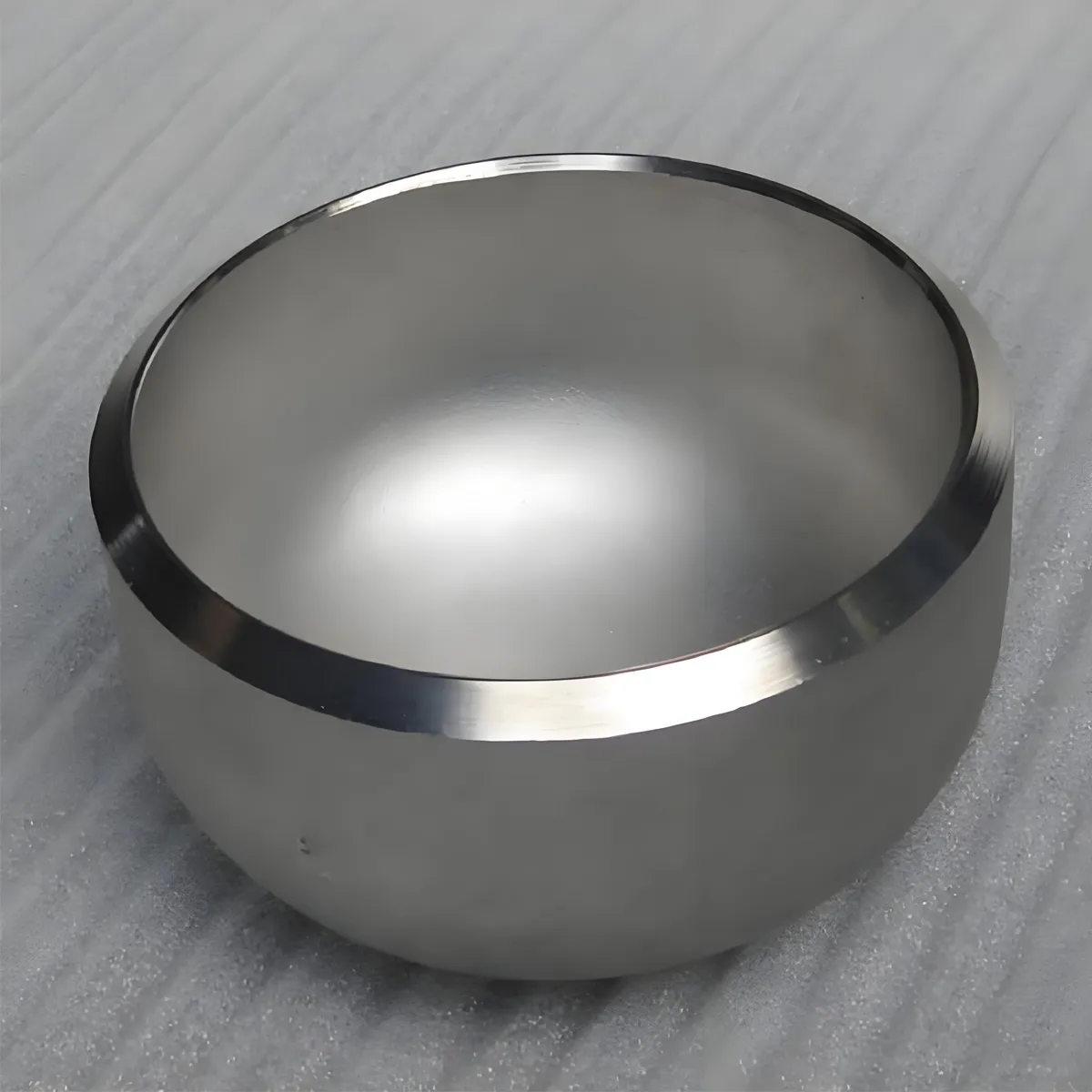
Protect your pipes & tubes with our durable pipe caps. Ideal as tube end caps or pipe end caps for fencing, shipping, and construction. We offer various sizes, including 2 3/8 pipe caps, to prevent damage & dirt. Shop our selection today!
-
 Oct. 17, 2025
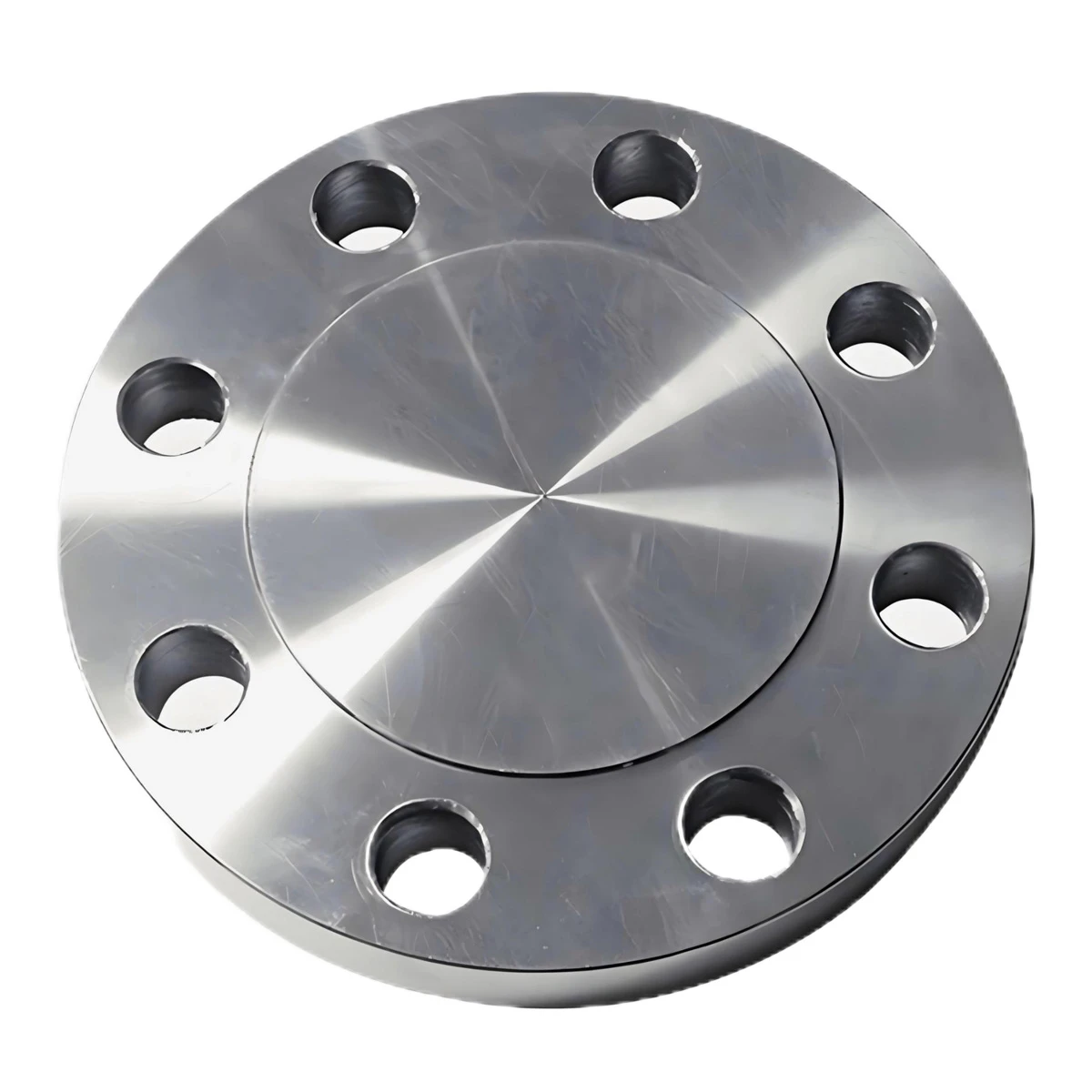
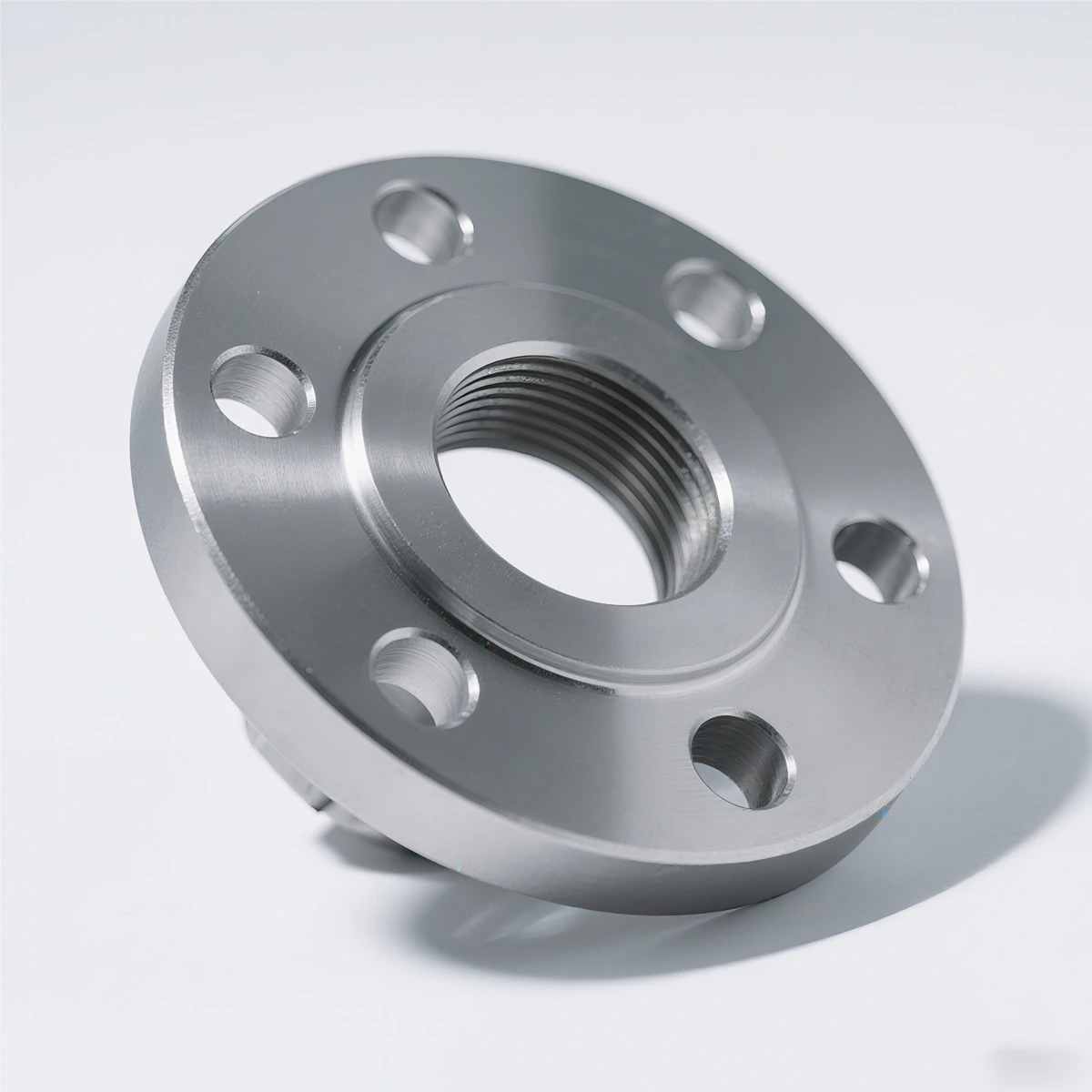
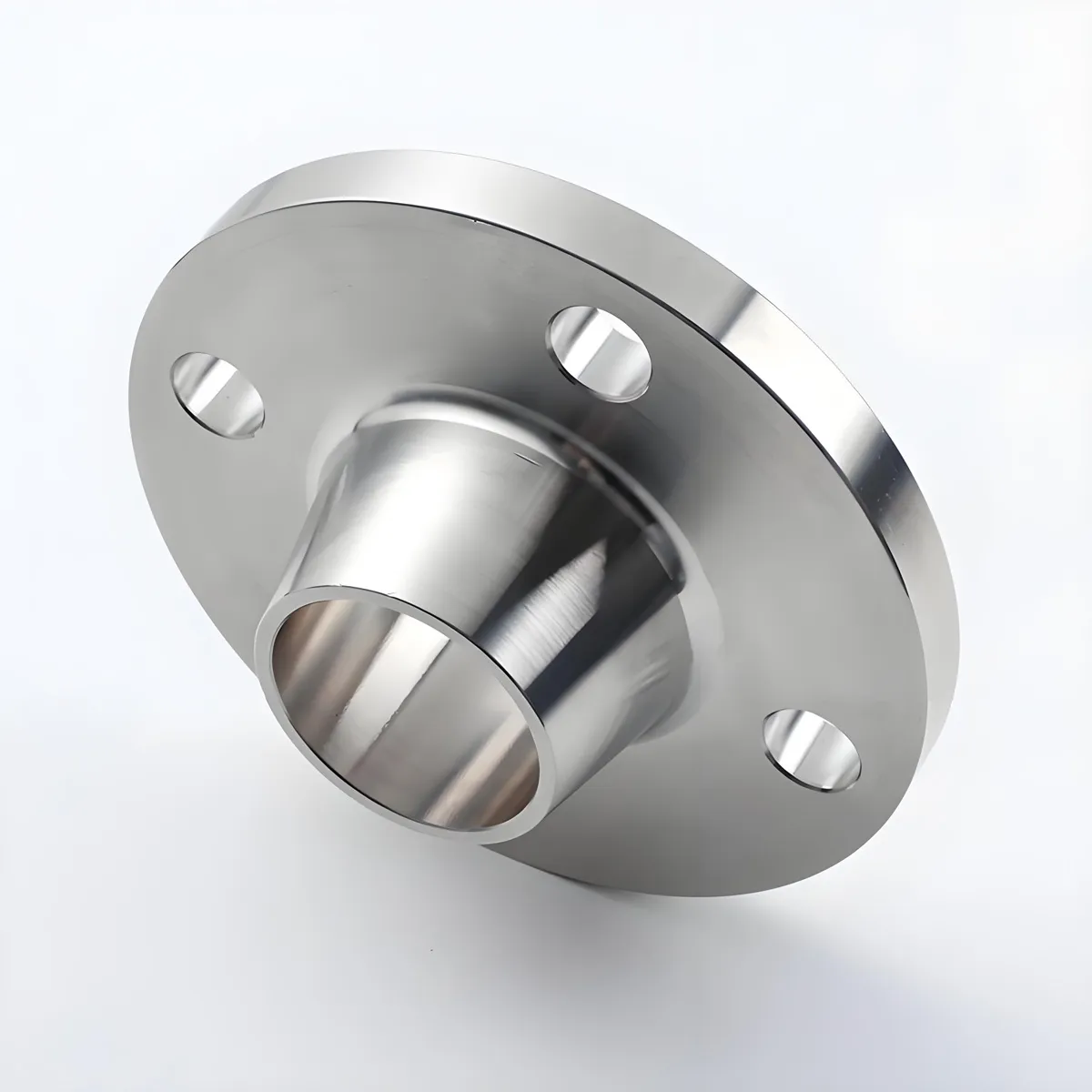
ASME/ANSI neck flange, weld neck flange and butt weld flange; precision-machined in stainless/carbon steel, PN/CL ratings. For oil & gas and pipeline systems. Fast shipping—get a quote now.
 Albanian
 Arabic
 Armenian
 Azerbaijani
 Belarusian
 Bengali
 Bulgarian
 Croatian
 Czech
Czech
 Danish
 Dutch
Dutch
 Esperanto
 Finnish
 French
 German
 Greek
Greek
 Hebrew
 Hungarian
 Indonesian
 Irish
Irish
 Italian
 Japanese
 Khmer
Khmer
 Korean
 Kyrgyz
 Lao
Lao
 Latin
Latin
 Lithuanian
 Malay
Malay
 Myanmar
 Norwegian
 Persian
 Polish
 Portuguese
 Romanian
 Russian
 Serbian
 Slovak
 Slovenian
 Spanish
 Swedish
 Tagalog
 Thai
Thai
 Turkish
 Turkmen
 Uzbek
Uzbek
 Vietnamese
 Zulu
Zulu
 English


