


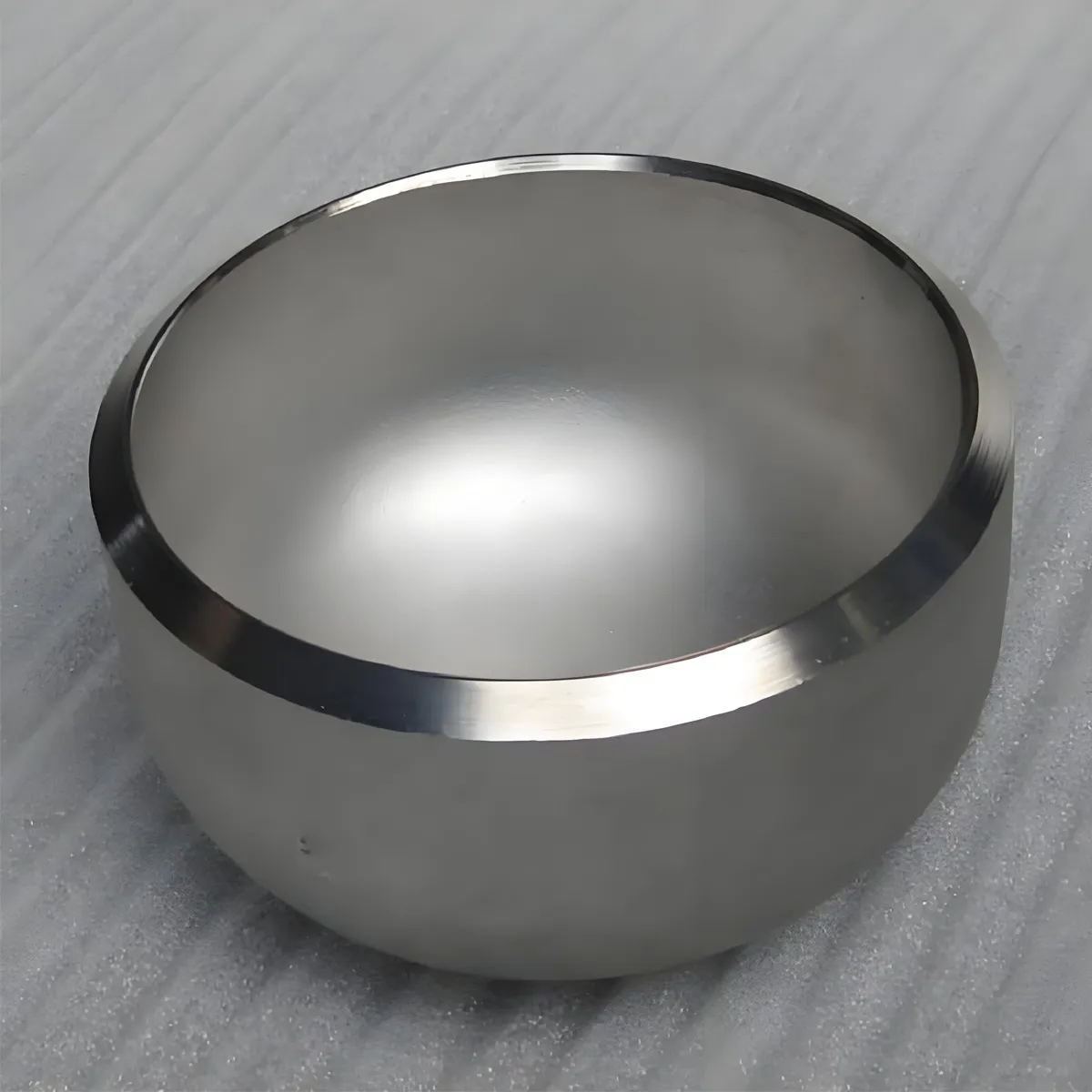
Introduction to Advanced Pipeline End Solutions
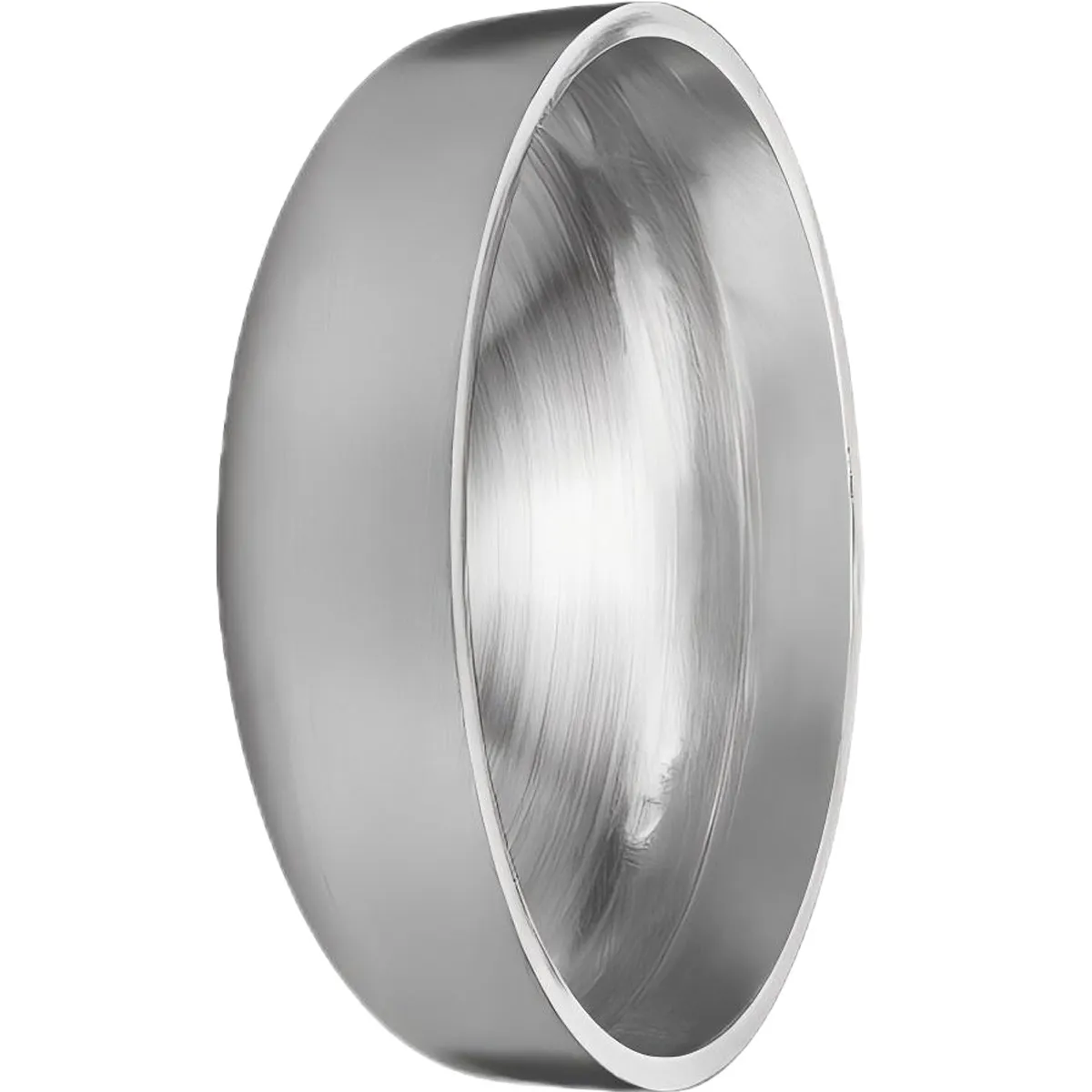
In the intricate world of industrial piping systems, the integrity and longevity of a pipeline are paramount. A critical, yet often underestimated, component in achieving this is the humble but indispensable pipe caps. These essential fittings serve as a permanent or temporary seal for the ends of pipes, preventing leakage, protecting against contamination, and providing structural closure in various applications. From robust pressure containment in high-stress environments to simple protection during transit and storage, the design and material science behind modern pipe caps have evolved significantly to meet stringent industry demands. The selection of appropriate pipe caps is not merely a matter of size and fit; it involves careful consideration of material compatibility, pressure ratings, temperature resistance, corrosion properties, and adherence to international standards.
This comprehensive overview delves into the multifaceted aspects of pipeline end sealing, focusing on the sophisticated engineering, manufacturing precision, and diverse applications that define the modern market for these vital components. We will explore the technical specifications that differentiate various pipe caps, the rigorous manufacturing processes that ensure their reliability, and the pivotal role they play in critical infrastructure across the globe.
Current Industry Trends and Market Dynamics for Pipe Caps
The market for industrial pipeline components, including pipe caps and specifically tube end caps, is experiencing dynamic shifts driven by global infrastructure development, energy sector demands, and environmental regulations. A significant trend is the increasing demand for high-performance materials capable of withstanding extreme conditions, such as high pressures, corrosive media, and elevated temperatures. This is particularly prevalent in the oil & gas, petrochemical, and power generation industries, where operational integrity is critical.
Another key trend is the emphasis on sustainable and eco-friendly manufacturing processes. Companies are increasingly adopting practices that minimize waste, reduce energy consumption, and comply with stricter environmental standards. This includes the use of recyclable materials and advanced manufacturing techniques that improve material efficiency. Furthermore, digitalization and automation in manufacturing are leading to greater precision, reduced production times, and improved quality control for all pipeline fittings, including specialized sizes like 2 3/8 pipe caps. The market is also seeing a rise in demand for custom-fabricated solutions, where standard components may not meet the unique requirements of complex engineering projects.
According to a recent market analysis by Grand View Research, the global industrial pipes and fittings market size was valued at USD 105.8 billion in 2022 and is expected to grow at a compound annual growth rate (CAGR) of 6.5% from 2023 to 2030. This growth is largely fueled by significant investments in industrial infrastructure and the expansion of oil and gas pipelines, underscoring the critical role of reliable pipe end cap solutions.
The Meticulous Manufacturing Process of High-Performance Pipe Caps
The production of high-quality pipe caps is a complex process demanding precision engineering, advanced material science, and rigorous quality control. It typically involves several critical stages, ensuring the final product meets stringent industry standards for durability, performance, and safety. Below is a detailed process flow:
1. Material Selection and Preparation
- Materials: The choice of material is paramount, dictated by the intended application's operating conditions. Common materials include Carbon Steel (e.g., ASTM A234 WPB, WPC for general industrial use), Stainless Steel (e.g., ASTM A403 WP304/304L, WP316/316L for corrosion resistance), Alloy Steel (e.g., ASTM A234 WP11, WP22 for high-temperature service), and specialized alloys like Duplex or Super Duplex Stainless Steel for highly corrosive environments. These materials are selected for their specific mechanical properties, resistance to corrosion, and temperature tolerance.
- Preparation: Raw materials are meticulously inspected for chemical composition and mechanical properties, then cut into appropriate sizes or blanks, often using advanced cutting technologies like laser or plasma cutting to ensure accuracy and minimal material waste.
2. Forming Processes
Depending on the material and desired cap geometry, various forming methods are employed:
- Hot Forming (Forging/Pressing): For larger dimensions and thicker walls, blanks are heated to precise temperatures and then formed into shape using powerful hydraulic presses or forging machines. This process refines the grain structure of the metal, enhancing its mechanical strength and toughness, crucial for components like an industrial pipe end cap designed for high-pressure systems.
- Cold Forming: For thinner-walled caps or specific materials, cold forming techniques like deep drawing or hydroforming may be used. These processes offer high dimensional accuracy and surface finish.
- CNC Machining: For caps requiring extremely tight tolerances, complex geometries, or small batch production, CNC (Computer Numerical Control) machining is utilized. This method ensures exceptional precision and repeatability, especially for custom tube end caps.
3. Heat Treatment
After forming, most metal caps undergo specific heat treatments such as annealing, normalizing, or tempering. These processes relieve internal stresses, improve ductility, enhance toughness, and optimize the material’s microstructure to achieve the desired mechanical properties and service life for the specific application.
4. Surface Treatment and Finishing
To enhance corrosion resistance and prepare for welding, caps are often sandblasted, pickled, or passivated. Coatings like galvanization, epoxy painting, or specialized corrosion-resistant layers may be applied, depending on the operational environment. Beveling of edges is performed to facilitate strong, consistent welds to connecting pipes.
5. Quality Control and Testing Standards
Rigorous testing is performed at various stages to ensure adherence to international and industry-specific standards. This includes:
- Dimensional Inspection: Verification of outer diameter, wall thickness, and length using precision measuring instruments.
- Visual Inspection: Checking for surface defects, cracks, and inconsistencies.
- Non-Destructive Testing (NDT): Techniques like Ultrasonic Testing (UT), Magnetic Particle Testing (MPT), Radiographic Testing (RT), and Liquid Penetrant Testing (LPT) are used to detect internal flaws and surface discontinuities without damaging the component.
- Mechanical Testing: Tensile strength, yield strength, impact toughness (Charpy V-notch test), and hardness tests are conducted to confirm material properties meet specifications.
- Hydrostatic Testing: For pressure-retaining caps, this involves subjecting the cap to internal water pressure to verify its ability to withstand operational pressures without leaking.
- Standards Compliance: All manufacturing and testing strictly adhere to international standards such as ISO 9001 (Quality Management System), ANSI/ASME B16.9 (Factory-Made Wrought Buttwelding Fittings), ASTM (American Society for Testing and Materials), and DIN (Deutsches Institut für Normung). Compliance ensures interoperability and reliability across global projects.
The extensive process ensures that each pipe caps produced offers superior performance, extended service life (often exceeding 20-30 years in non-aggressive environments with proper installation), and delivers advantages such as energy saving through leak prevention and exceptional corrosion resistance in specific application scenarios like petrochemical processing or water supply & drainage systems.
Technical Specifications and Parameters for Industrial Pipe Caps
Understanding the technical specifications of pipe caps is crucial for ensuring compatibility, operational safety, and long-term performance in any piping system. These parameters define the physical and material characteristics, enabling engineers to select the correct cap for specific pressure, temperature, and environmental conditions. Key parameters include nominal pipe size, wall thickness (schedule), material grade, end type, and pressure rating.
Typical Product Specification Table: Carbon Steel Pipe Caps
| Parameter | Specification Details |
|---|---|
| Product Type | Caps (Buttweld Pipe Caps) |
| Material Grades | ASTM A234 WPB (Carbon Steel), ASTM A403 WP304/304L (Stainless Steel), ASTM A234 WP11 (Alloy Steel) |
| Size Range | 1/2" to 72" (DN15 to DN1800) for seamless; 26" to 120" (DN650 to DN3000) for welded; specifically available for 2 3/8 pipe caps. |
| Wall Thickness Schedule | Sch 10, Sch 20, Std, Sch 40, Sch 60, Sch 80, Sch 100, Sch 120, Sch 140, Sch 160, XS, XXS |
| Manufacturing Standards | ASME B16.9, MSS SP-75, EN 10253, DIN, GOST, JIS B2311 |
| End Bevel | Plain, Beveled (according to ASME B16.25 standards for welding) |
| Surface Treatment | Black paint, anti-rust oil, galvanized, epoxy coating, FBE coating |
| Pressure Rating | Defined by pipe schedule and material, suitable for various pressure classes (e.g., ANSI Class 150 to Class 2500) |
| Operating Temperature | Ranges from -29°C to 450°C (depending on material and standard) |
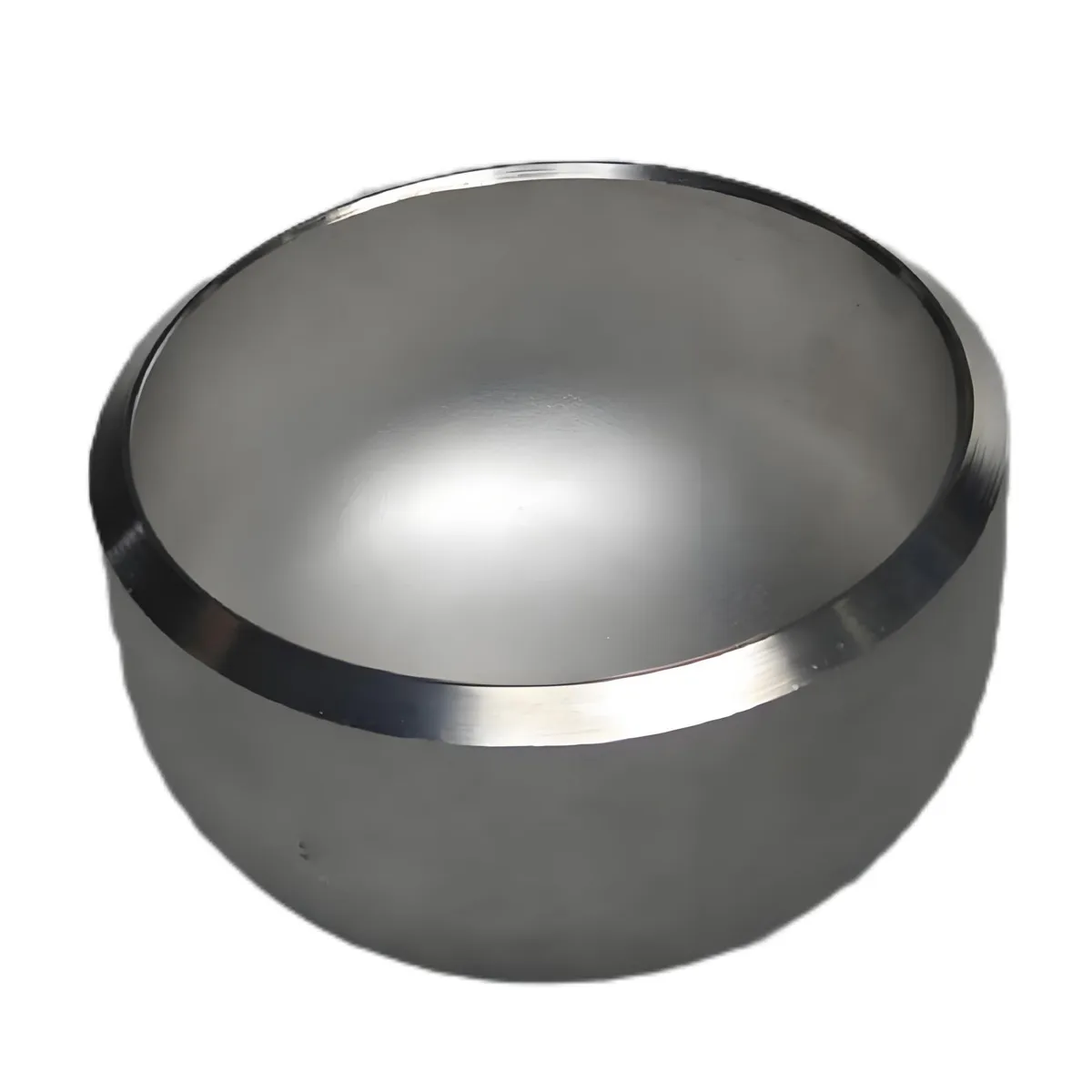
The precise matching of these technical parameters to the project's design conditions is paramount to prevent failures, ensure system efficiency, and comply with safety regulations. For instance, using a standard carbon steel cap in a highly corrosive environment where stainless steel is required would inevitably lead to premature failure and costly downtime. Engineers rely on these specifications to make informed decisions that impact the entire lifecycle of a pipeline system.
Versatile Application Scenarios Across Key Industries
The utility of pipe caps extends across a vast spectrum of industrial sectors, serving critical functions in diverse operating environments. Their primary role is to seal the end of a pipe, whether for permanent closure of a pipeline, providing a temporary seal during construction or maintenance, or offering protection against ingress of foreign materials. This versatility makes them indispensable components in:
- Petrochemical Industry: In oil refineries, chemical plants, and natural gas processing facilities, pipe caps are used in critical lines handling corrosive chemicals, high-pressure hydrocarbons, and extreme temperatures. Their integrity is vital for preventing leaks, ensuring safety, and optimizing process efficiency. The corrosion resistance of stainless and alloy steel caps is particularly valued here.
- Metallurgy and Mining: Heavy industrial applications, including slurry transportation and high-temperature processing, demand robust caps capable of withstanding abrasive materials and thermal cycling.
- Water Supply & Drainage Systems: For municipal and industrial water infrastructure, caps provide long-term sealing for water mains, sewage lines, and treatment plant piping. Materials like carbon steel with anti-corrosion coatings are commonly used to ensure hygiene and prevent environmental contamination.
- Power Generation: In conventional and nuclear power plants, these fittings are found in steam lines, cooling systems, and chemical injection lines, where high pressure and temperature resistance are crucial.
- Shipbuilding and Marine Applications: Due to the highly corrosive saltwater environment, marine-grade stainless steel or specially coated carbon steel tube end caps are used in ship piping systems for fuel, ballast, and cooling water.
- Construction and General Engineering: For temporary capping during construction, protecting pipe ends from damage, or sealing off unused sections of a system.
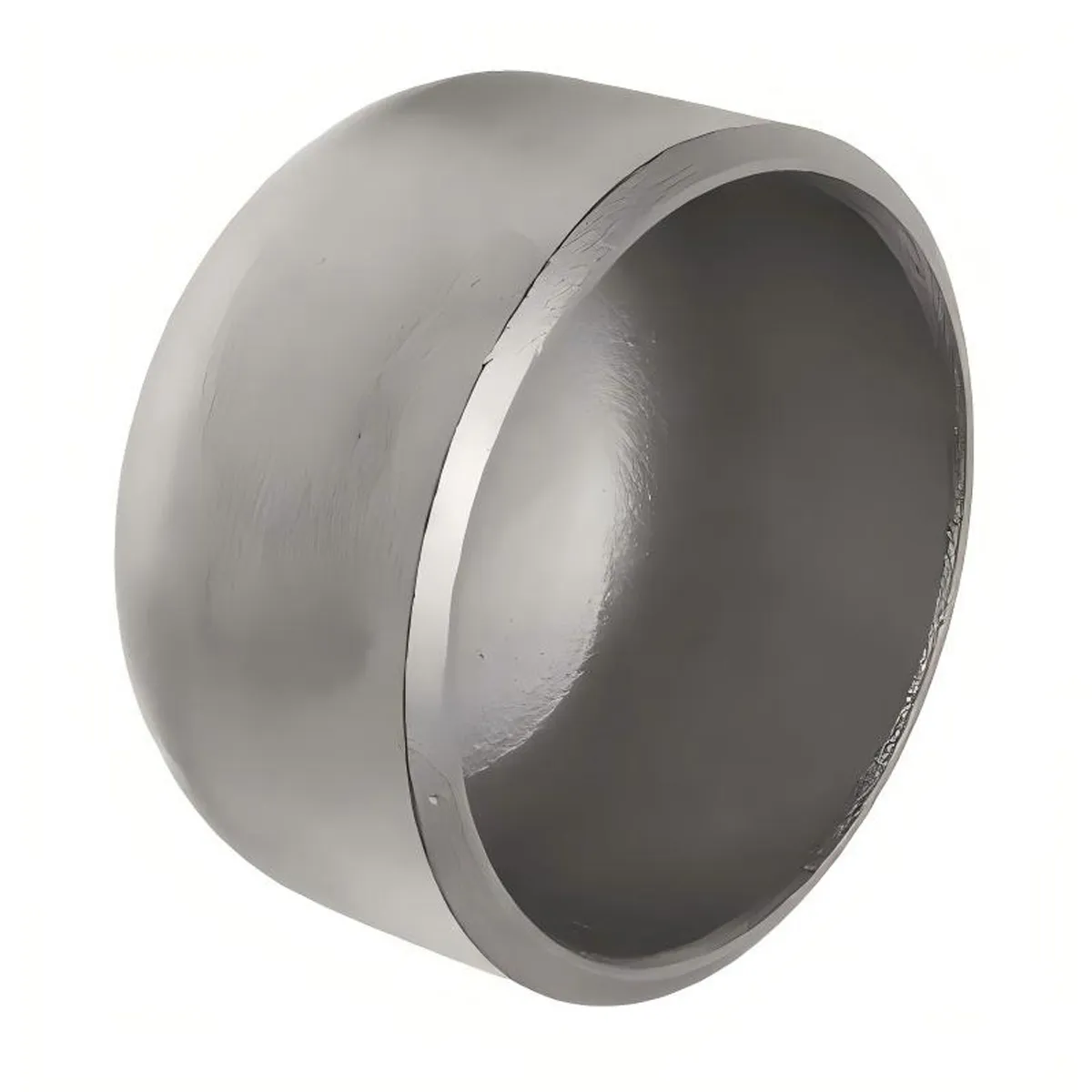
In these scenarios, the advantages of high-quality pipe caps are evident: they ensure energy saving by preventing costly fluid or gas leaks, provide superior corrosion resistance in aggressive environments, and contribute to overall system reliability and safety. The ability to specify particular materials and manufacturing processes for a pipe end cap allows for optimized performance and a longer operational lifespan, reducing maintenance costs and operational downtime.
Technical Advantages of High-Quality Pipe Caps
Investing in high-quality pipe caps offers significant technical and operational advantages that directly impact the efficiency, safety, and longevity of piping systems. These advantages stem from superior material selection, advanced manufacturing processes, and adherence to rigorous quality control standards.
- Enhanced Structural Integrity: Precision manufacturing, often involving hot forging or seamless forming, ensures a uniform wall thickness and a consistent metallurgical structure. This eliminates weak points, providing superior resistance to internal pressure, external forces, and fatigue, which is crucial for maintaining system integrity over extended periods.
- Superior Corrosion Resistance: When manufactured from appropriate materials like stainless steel (e.g., 316L) or alloy steels, or treated with advanced coatings (e.g., FBE, galvanization), pipe caps offer exceptional resistance to corrosive media, preventing material degradation and ensuring leak-free operation in harsh chemical or marine environments.
- Optimized Flow Dynamics: A well-designed cap, with smooth internal surfaces and precise fit, minimizes turbulence and pressure drop at the pipe end. While typically used for closure, this design principle indirectly contributes to overall system efficiency by maintaining flow integrity in adjacent sections, and preventing accumulation of debris that could affect future connections.
- High-Temperature and High-Pressure Performance: Specifically engineered alloy steels (e.g., ASTM A234 WP11, WP22) allow caps to maintain mechanical strength and sealing capability under extreme temperature and pressure fluctuations common in power generation and petrochemical industries.
- Extended Service Life and Reduced Maintenance: The combination of high-grade materials, robust construction, and effective surface treatments significantly extends the service life of pipe end cap components. This translates directly into reduced downtime, lower maintenance costs, and improved operational reliability.
- Compliance with International Standards: Reputable manufacturers produce caps that strictly adhere to global standards such as ASME B16.9, ASTM, and ISO. This ensures interchangeability, reliability, and ease of integration into globally-sourced piping systems, simplifying engineering and procurement processes.
- Versatility in Application: Available in a wide range of sizes (from small 2 3/8 pipe caps to large diameter industrial caps), schedules, and material grades, high-quality caps can be precisely matched to any specific application requirement, from simple protective covers to high-integrity pressure containment.
These technical advantages culminate in a product that not only fulfills its basic function but also significantly contributes to the overall safety, efficiency, and economic viability of the entire pipeline infrastructure.
Vendor Comparison: Selecting the Right Pipe Cap Supplier
Choosing the right vendor for pipe caps is as crucial as selecting the right product itself. A reliable supplier offers not just quality products but also technical expertise, comprehensive support, and consistent delivery. Below is a comparison table outlining key differentiation factors among vendors, helping B2B decision-makers evaluate potential partners.
Pipe Cap Vendor Comparison
| Feature | Vendor A (e.g., HBJY Pipeline) | Vendor B (Competitor) |
|---|---|---|
| Product Range & Customization | Extensive stock across all sizes/materials (Carbon, SS, Alloy); specializes in custom sizes & specifications. Offers 2 3/8 pipe caps and larger. | Standard sizes only, limited material options. Customization often unavailable or costly. |
| Quality Certifications | ISO 9001:2015, CE, API 5L (for applicable products), PED, AD2000-W0. Extensive NDT reports. | Basic ISO 9001; fewer specific product certifications. |
| Manufacturing Process | Hot Forging, Cold Forming, CNC Machining. Full heat treatment capabilities. State-of-the-art facilities. | Primarily cold forming for standard sizes; limited heavy forging capacity. |
| Technical Support & Expertise | Dedicated engineering team for consultation, design, material selection. Detailed technical data sheets. | Standard product support; limited engineering consultation. |
| Lead Time & Fulfillment | Fast lead times for stock items (2-5 days), efficient production for custom orders (2-4 weeks). Reliable global logistics. | Longer lead times, especially for non-stock items. Less consistent delivery schedules. |
| After-Sales Support & Warranty | Comprehensive warranty (e.g., 24 months), responsive customer service, easy returns/replacements for quality issues. | Standard limited warranty (12 months), slower response times. |
| Pricing Model | Competitive pricing for high-quality products; value-added services included. Transparent cost structure. | Potentially lower upfront cost but higher hidden costs due to quality issues or lack of support. |
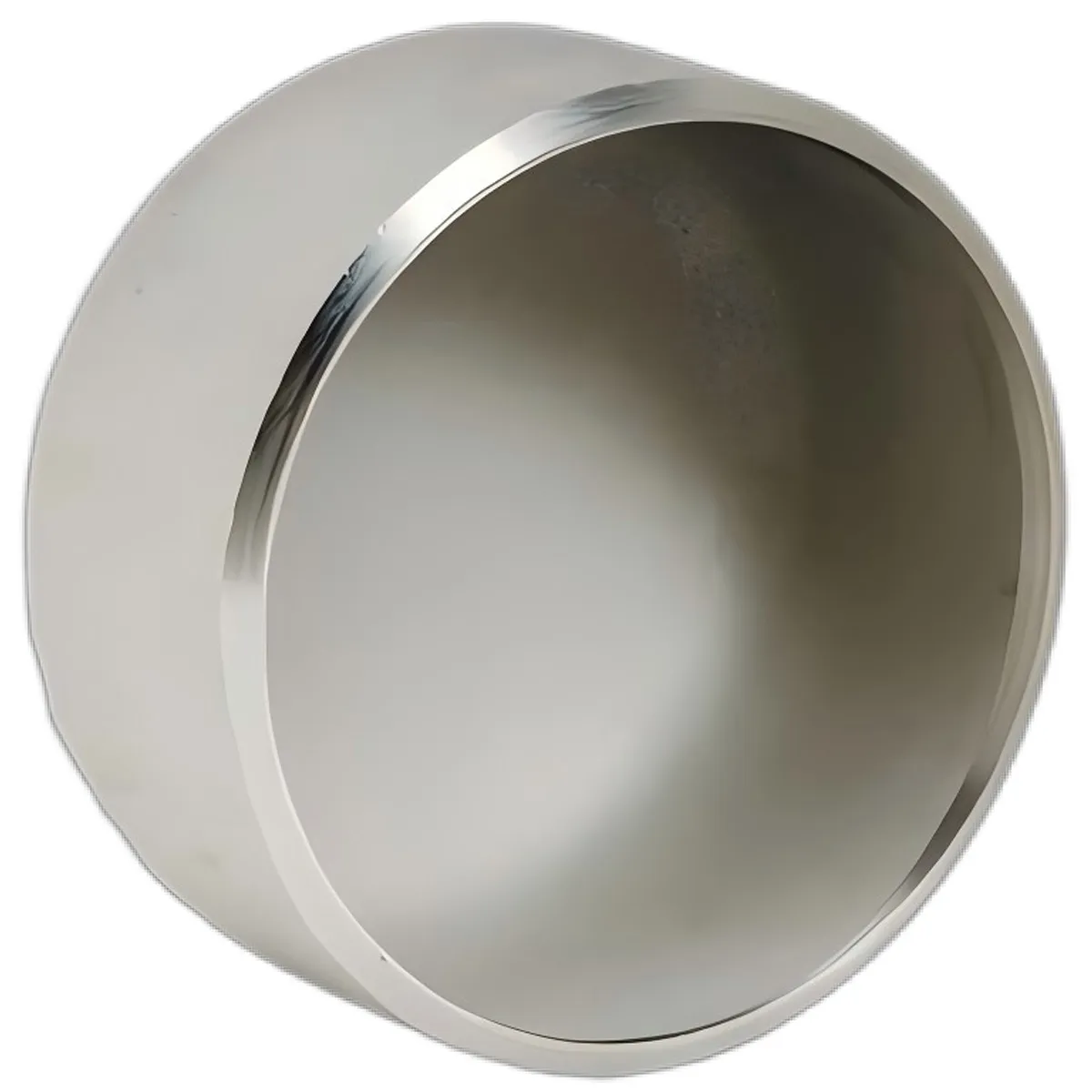
While initial cost may be a factor, the long-term reliability, compliance, and support from a reputable vendor like HBJY Pipeline often translate to significant savings and reduced project risk. Their deep expertise in manufacturing a wide array of pipe caps ensures that clients receive precisely engineered solutions tailored to their stringent requirements.
Customized Solutions for Unique Pipeline Requirements
In complex industrial projects, off-the-shelf pipe caps may not always suffice. Unique operational parameters, specialized material compatibility needs, or unusual pipeline geometries often necessitate bespoke solutions. Reputable manufacturers offer extensive customization capabilities to address these specific challenges, ensuring optimal performance and seamless integration.
Customization options typically include:
- Material Specification: Beyond standard carbon and stainless steels, custom caps can be fabricated from exotic alloys like Inconel, Monel, Hastelloy, or specialized duplex stainless steels to withstand extreme corrosion, high temperatures, or specific chemical interactions.
- Non-Standard Dimensions: Projects often require caps with specific diameters or wall thicknesses that fall outside standard ASME schedules, such as extra-large diameters for specialized infrastructure or precise wall thicknesses for weight-sensitive applications.
- Specific End Preparations: While bevel ends are common for welding, some applications might demand custom threading, grooved ends, or other unique connection types.
- Internal/External Coatings: Applying specialized internal linings (e.g., glass lining, rubber lining) for highly abrasive or corrosive media, or specific external coatings for harsh environmental exposure (e.g., marine-grade epoxy).
- Integrated Features: Custom caps can include integrated features such as test ports, instrument connections, or specialized mounting points, reducing the need for additional fabrication during installation.
The process for customized solutions involves close collaboration between the client's engineering team and the manufacturer's technical experts. This typically begins with a detailed review of project specifications, engineering drawings, and performance requirements. Advanced CAD/CAM software is then used to design the cap, followed by prototype development, rigorous testing, and final production under strict quality control. This collaborative approach ensures that the customized tube end caps or other specialized pipeline closures perfectly meet the unique demands of the application, thereby enhancing operational efficiency and long-term reliability.
Real-World Application Case Studies
Case Study 1: High-Pressure Gas Transmission Line
Client: Major Energy Company in North America
Challenge: A new segment of a high-pressure natural gas transmission pipeline, operating at 1200 PSI and traversing diverse terrain, required robust and absolutely leak-proof end closures. The environmental conditions included significant temperature variations and potential seismic activity, demanding fittings with exceptional fatigue resistance and structural integrity. Standard carbon steel caps were deemed insufficient due to the extreme pressure and the critical nature of the application.
Solution: We supplied customized ASTM A860 WPHY 60 high-yield strength pipe caps, manufactured via hot forging for enhanced grain structure and superior mechanical properties. Each cap underwent 100% Ultrasonic Testing (UT) and Magnetic Particle Testing (MPT) to detect any subsurface or surface imperfections. Additionally, Charpy V-notch impact tests were performed at low temperatures to confirm toughness in cold environments. Our engineering team worked closely with the client to ensure all caps met the exact specifications of ASME B16.9 and API 5L for pressure containment.
Outcome: The project was completed on schedule, and the supplied caps have performed flawlessly for over 7 years without any reported issues. The enhanced material and rigorous testing ensured maximum safety and reliability for this critical infrastructure, contributing to substantial energy saving by preventing potential gas losses.
Case Study 2: Corrosive Wastewater Treatment Plant Upgrade
Client: Municipal Water Authority, Southeast Asia
Challenge: An upgrade to a wastewater treatment plant involved new piping for aggressive chemical effluents. The existing carbon steel pipe end cap fittings were failing prematurely due to severe internal corrosion from chlorinated compounds and acidic waste streams. The replacement caps needed superior corrosion resistance and a longer service life to reduce maintenance frequency and operational costs.
Solution: We provided custom-fabricated tube end caps made from Duplex Stainless Steel (UNS S31803), known for its excellent resistance to pitting and crevice corrosion in chloride-rich environments. The caps were also passivated post-fabrication to enhance their inherent corrosion resistance. Dimensions included a variety of 2 3/8 pipe caps for smaller lines and larger DN600 caps for main headers. Each batch underwent rigorous salt spray testing and intergranular corrosion tests to guarantee their suitability for the highly corrosive environment.
Outcome: The Duplex Stainless Steel caps significantly extended the operational life of the pipeline sections, eliminating the need for frequent replacements. This resulted in considerable cost savings on maintenance and material procurement for the municipal authority, demonstrating the direct benefits of specialized material selection in challenging environments.
Ensuring Google Compliance: Expertise, Authoritativeness, and Trust
Expertise and Experience
Our team comprises highly skilled engineers and metallurgists with decades of collective experience in pipeline component manufacturing and application. We routinely engage with industry-leading clients, providing expert consultation on material selection, design optimization, and adherence to complex project specifications. Our hands-on experience in solving unique challenges, as demonstrated in our case studies, underscores our deep understanding of the practical implications of pipe caps performance in the field. This practical knowledge allows us to not only meet but often exceed client expectations, providing solutions that are both technically sound and operationally reliable.
Authoritativeness
Our commitment to authoritative standards is evidenced by our comprehensive certification portfolio, including ISO 9001:2015 for quality management systems, CE marking for European market compliance, and adherence to specific industry standards like ASME B16.9, MSS SP-75, and EN 10253. We are a trusted partner to numerous Fortune 500 companies in the oil & gas, petrochemical, and power generation sectors, having successfully supplied critical components for over 20 years. Our products regularly undergo third-party inspections and are certified by recognized bodies like Lloyd's Register, TÜV, and DNV GL, ensuring objective verification of quality and performance. Detailed material test reports (MTRs) and non-destructive testing (NDT) certificates accompany every shipment, providing complete traceability and assurance.
Trustworthiness
- Frequently Asked Questions (FAQ):
- Q: What is the typical lead time for custom pipe caps?
A: For standard stock items, lead time is typically 2-5 business days. For customized or large-volume orders, production lead time ranges from 2-4 weeks, depending on complexity and material availability. - Q: What warranty do you offer on your products?
A: We provide a comprehensive 24-month warranty from the date of shipment against manufacturing defects and material failures under normal operating conditions. - Q: How do you ensure product quality and compliance?
A: We adhere to ISO 9001:2015 quality management systems, conduct multi-stage inspections including NDT, and provide MTRs and third-party inspection reports upon request. Our products meet or exceed international standards such as ASME, ASTM, and EN. - Q: Can you handle urgent orders?
A: Yes, we maintain a substantial inventory of raw materials and standard sizes, and our streamlined production process allows for expedited manufacturing for urgent project requirements. Please contact our sales team for specific requests.
- Q: What is the typical lead time for custom pipe caps?
- Lead Time & Fulfillment: We pride ourselves on efficient global logistics and robust inventory management, allowing for swift order processing and delivery. Our average on-time delivery rate exceeds 98%, ensuring project schedules are met.
- Warranty Commitments: Our industry-leading 24-month warranty reflects our confidence in the quality and durability of our pipe caps. This commitment covers material defects and manufacturing faults, providing peace of mind for our clients.
- Customer Support: Our dedicated customer service and technical support teams are available 24/7 to assist with product inquiries, technical specifications, order tracking, and after-sales support. We ensure timely and effective resolution of any concerns, reinforcing our commitment to long-term client relationships.
Conclusion
The selection and implementation of high-quality pipe caps are fundamental to the operational integrity and safety of any industrial piping system. As this detailed exposition has highlighted, these seemingly simple components are the result of advanced material science, precise engineering, and rigorous manufacturing processes. From their diverse applications across critical industries to the technical advantages they offer in terms of corrosion resistance, structural integrity, and extended service life, the value of expertly crafted pipe caps cannot be overstated.
Choosing a reputable vendor who prioritizes quality, offers extensive customization, and provides robust technical and after-sales support is paramount for B2B decision-makers. By adhering to international standards and focusing on continuous innovation, manufacturers are able to deliver solutions that not only meet current industry demands but also anticipate future challenges, ensuring pipelines remain safe, efficient, and reliable for decades to come.
References
- ASME B16.9-2018. Factory-Made Wrought Buttwelding Fittings. The American Society of Mechanical Engineers.
- ASTM A234/A234M-2023. Standard Specification for Piping Fittings of Wrought Carbon Steel and Alloy Steel for Moderate and High-Temperature Service. ASTM International.
- Grand View Research. Industrial Pipes and Fittings Market Size, Share & Trends Analysis Report. Published October 2023.
- ISO 9001:2015. Quality management systems — Requirements. International Organization for Standardization.
- MSS SP-75-2018. Specification for High Test Wrought Buttwelding Fittings. Manufacturers Standardization Society of the Valve and Fittings Industry.
-
 Dec. 02, 2025
Learn what a double sided blind flange is, why it matters globally, its key features, industry applications, advantages, and emerging innovations. Trusted info from certified vendors and experts.
-
Dec. 01, 2025
Explore the role of carbon steel blind flanges in industrial applications worldwide. Learn about specifications, advantages, and leading suppliers.
 Albanian
 Arabic
 Armenian
 Azerbaijani
 Belarusian
 Bengali
 Bulgarian
 Croatian
 Czech
 Danish
 Dutch
 Esperanto
 Finnish
 French
 German
 Greek
 Hebrew
 Hungarian
 Indonesian
 Irish
 Italian
 Japanese
 Khmer
 Korean
 Kyrgyz
 Lao
 Latin
 Lithuanian
 Malay
 Myanmar
 Norwegian
 Persian
 Polish
 Portuguese
 Romanian
 Russian
 Serbian
 Slovak
 Slovenian
 Spanish
 Swedish
 Tagalog
 Thai
 Turkish
 Turkmen
 Uzbek
 Vietnamese
 Zulu
 English


