



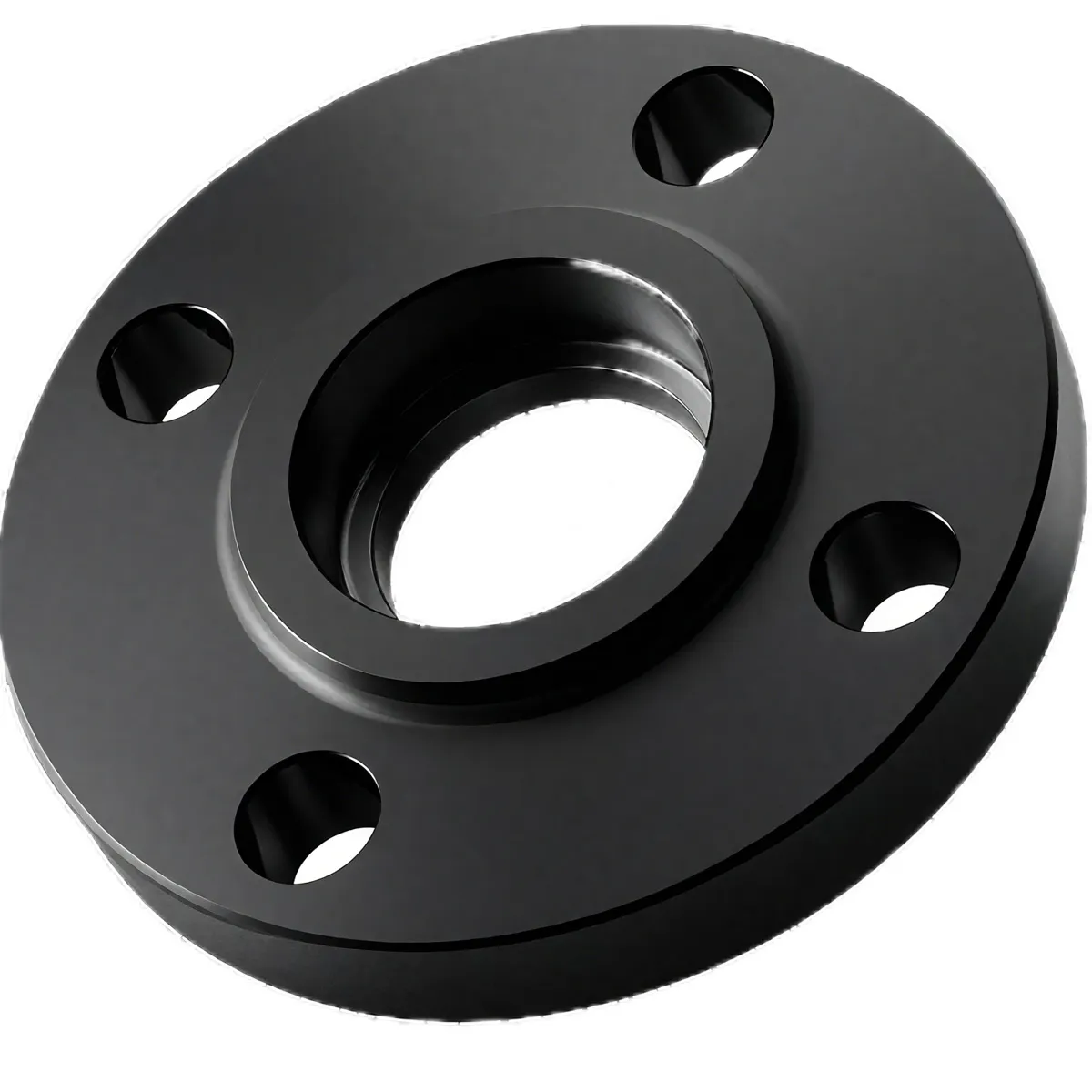
Understanding Socket Weld Flanges in Industrial Piping Systems
In the realm of industrial piping, the integrity and reliability of connections are paramount. Among the various types of flanges, the socket weld flange stands out for its robust design, ease of installation, and excellent leak-proof performance. This component is specifically engineered for high-pressure, small-diameter piping systems where reliable joint strength is critical. Its design incorporates a counter-bore that allows the pipe to be inserted into the flange, followed by a fillet weld on the outside, creating a secure and durable connection.
The primary advantage of a socket flange lies in its ability to offer a smooth bore for the pipe, which reduces turbulence and erosion of the pipe material, particularly beneficial in systems transporting abrasive or corrosive fluids. Furthermore, the welding process involved in socket flange welding ensures a strong, fatigue-resistant joint, making it suitable for applications subjected to significant thermal cycling or vibration. This article delves into the technical aspects, industry applications, and strategic considerations for deploying these essential components in modern industrial infrastructure.
Industry Trends and Market Dynamics for Flanging Solutions
The global market for industrial flanges, including the socket weld flange, is experiencing steady growth, driven by expansion in the oil & gas, petrochemical, power generation, and water treatment sectors. According to recent market analysis, the global industrial flanges market is projected to reach USD 7.5 billion by 2028, exhibiting a Compound Annual Growth Rate (CAGR) of approximately 4.2% from 2023 to 2028 (Source: Market Research Future). This growth is primarily fueled by increasing investments in new pipeline infrastructure, modernization of existing facilities, and the rising demand for energy.
Key trends include a shift towards higher-performance materials such as stainless steel and alloy steels for enhanced corrosion resistance and durability, especially in harsh operating environments. There's also a growing emphasis on smart manufacturing processes, including automation and advanced quality control, to ensure compliance with stringent international standards like ASME B16.5 and B16.11. The demand for customized flange solutions that can withstand extreme pressures and temperatures is also on the rise, pushing manufacturers to innovate in design and material science. Furthermore, the increasing focus on environmental regulations and safety standards mandates the use of highly reliable, leak-proof connections, thereby boosting the adoption of robust solutions like the socket weld flange in critical applications.
Technical Specifications and Design Principles
The design of a socket weld flange adheres to strict industry standards to ensure interchangeability, safety, and performance. These flanges are typically manufactured in accordance with ASME B16.5 for sizes NPS 1/2 through NPS 24, and ASME B16.11 for forged fittings. Key technical parameters include nominal pipe size (NPS), pressure class (e.g., Class 150, 300, 600, 1500, 2500), material grade, and specific dimensions such as bore diameter, flange thickness, and bolt circle diameter.
Materials commonly used for socket weld flange manufacturing encompass a wide range of carbon steels (e.g., A105, A350 LF2), stainless steels (e.g., 304, 316, 321), and alloy steels (e.g., F11, F22). The selection of material is critical and depends on the fluid being transported, operating temperature, and pressure. For instance, A105 carbon steel is widely used for general industrial services, while 316L stainless steel is preferred for corrosive environments due to its enhanced resistance to pitting and crevice corrosion. The socket design ensures that the pipe is inserted into a recessed area, creating a self-aligning feature that aids in precise positioning during welding, minimizing misalignment issues and ensuring a robust joint.
Typical Socket Weld Flange Specifications (ASME B16.5 Example)
| Parameter | Description | Common Values / Range |
|---|---|---|
| Nominal Pipe Size (NPS) | Standard pipe diameter designation. | 1/2" - 4" (most common for SW) |
| Pressure Class (ASME) | Maximum allowable working pressure. | 150, 300, 600, 1500, 2500 |
| Material Grades | Standard material specifications. | ASTM A105, A182 F304/304L, A182 F316/316L, A350 LF2 |
| Facing Type | Surface finish of the gasket sealing area. | Raised Face (RF), Flat Face (FF) |
| Wall Thickness (Schedule) | Corresponds to pipe schedule. | Sch. 40, Sch. 80, Sch. 160, XS, XXS |
Note: Specific dimensions and tolerances are governed by ASME B16.5/B16.11 and vary based on NPS and pressure class.
Manufacturing Process Flow of Socket Weld Flanges
The production of high-quality flanges like the socket weld flange involves a meticulously controlled multi-stage process, ensuring adherence to design specifications and performance standards. This process typically begins with material selection and proceeds through forming, machining, heat treatment, and rigorous quality inspection.
Key Stages in Manufacturing:
1. Material Procurement & Inspection
High-grade raw materials (carbon steel, stainless steel, alloy steel billets or bars) are sourced from certified suppliers. Thorough inspection for chemical composition and mechanical properties ensures compliance with ASTM/ASME standards (e.g., A105 for carbon steel, A182 for stainless steel).
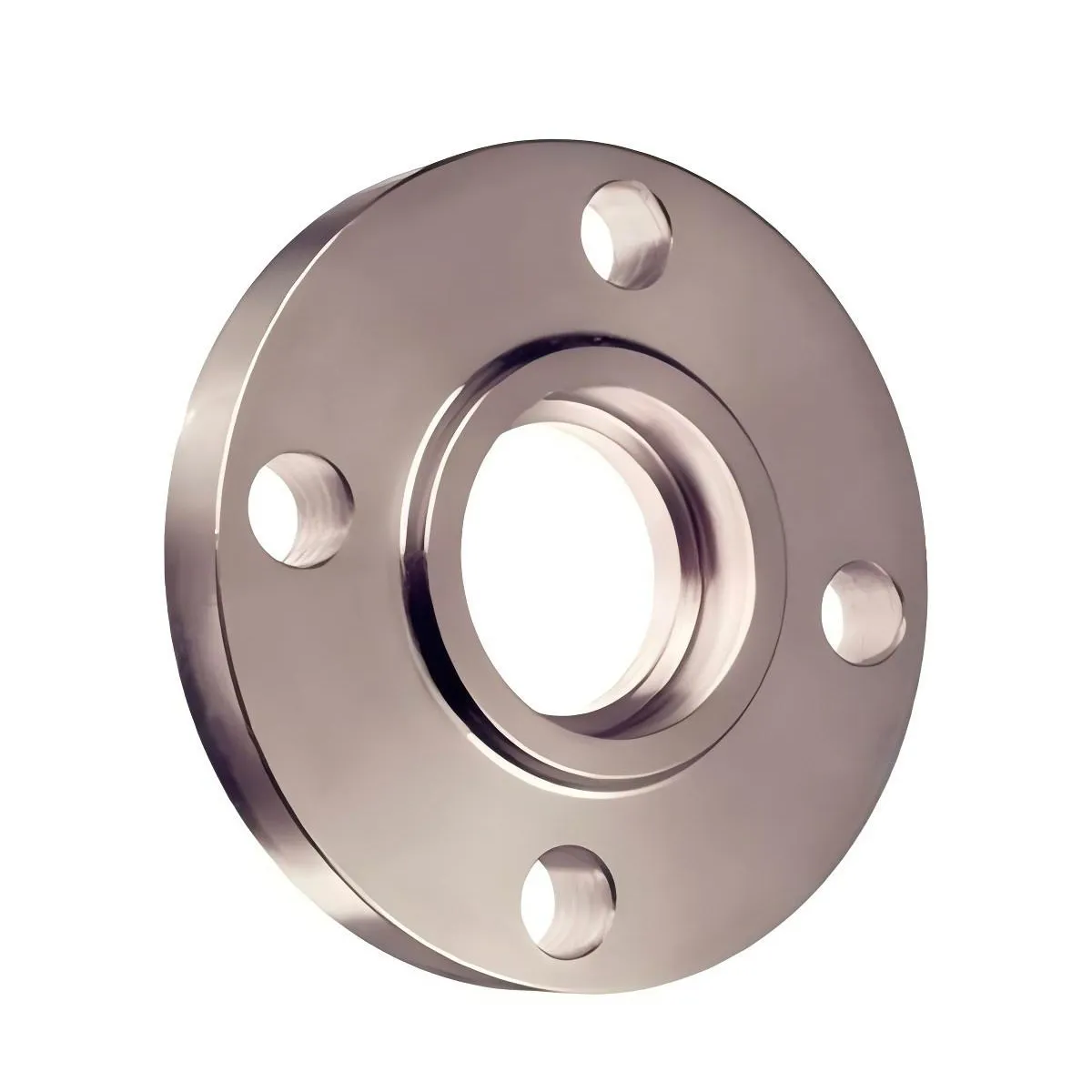
2. Forging Process
The most common method for creating robust flanges. Billets are heated to forging temperature and shaped into rough flange forms using hydraulic presses or forging hammers. This process refines the grain structure, enhancing strength and ductility, and is critical for ensuring a long service life.
3. Heat Treatment
Forged blanks undergo heat treatment processes like normalizing, annealing, or quenching and tempering, depending on the material and required mechanical properties. This step relieves internal stresses and optimizes the material's hardness, strength, and toughness.
4. CNC Machining
Precision machining using Computer Numerical Control (CNC) lathes and milling machines brings the rough forgings to final dimensions. This includes creating the precise socket bore, facing, drilling bolt holes, and chamfering. Tight tolerances are maintained to meet ASME B16.5 and B16.11 standards.
5. Surface Treatment & Coating
Flanges may undergo shot blasting for surface preparation, followed by anti-corrosion treatments such as galvanizing, epoxy coating, or phosphating, especially for carbon steel flanges destined for aggressive environments. This enhances the product's corrosion resistance and contributes to a longer service life.
6. Quality Control & Testing
A comprehensive suite of tests is conducted. This includes visual inspection, dimensional checks, ultrasonic testing (UT) for internal defects, magnetic particle inspection (MPI) or dye penetrant testing (PT) for surface cracks, and mechanical property testing (tensile, hardness, impact). Hydrostatic testing may also be performed on assembled components. Certification to ISO 9001 quality management systems is standard practice.
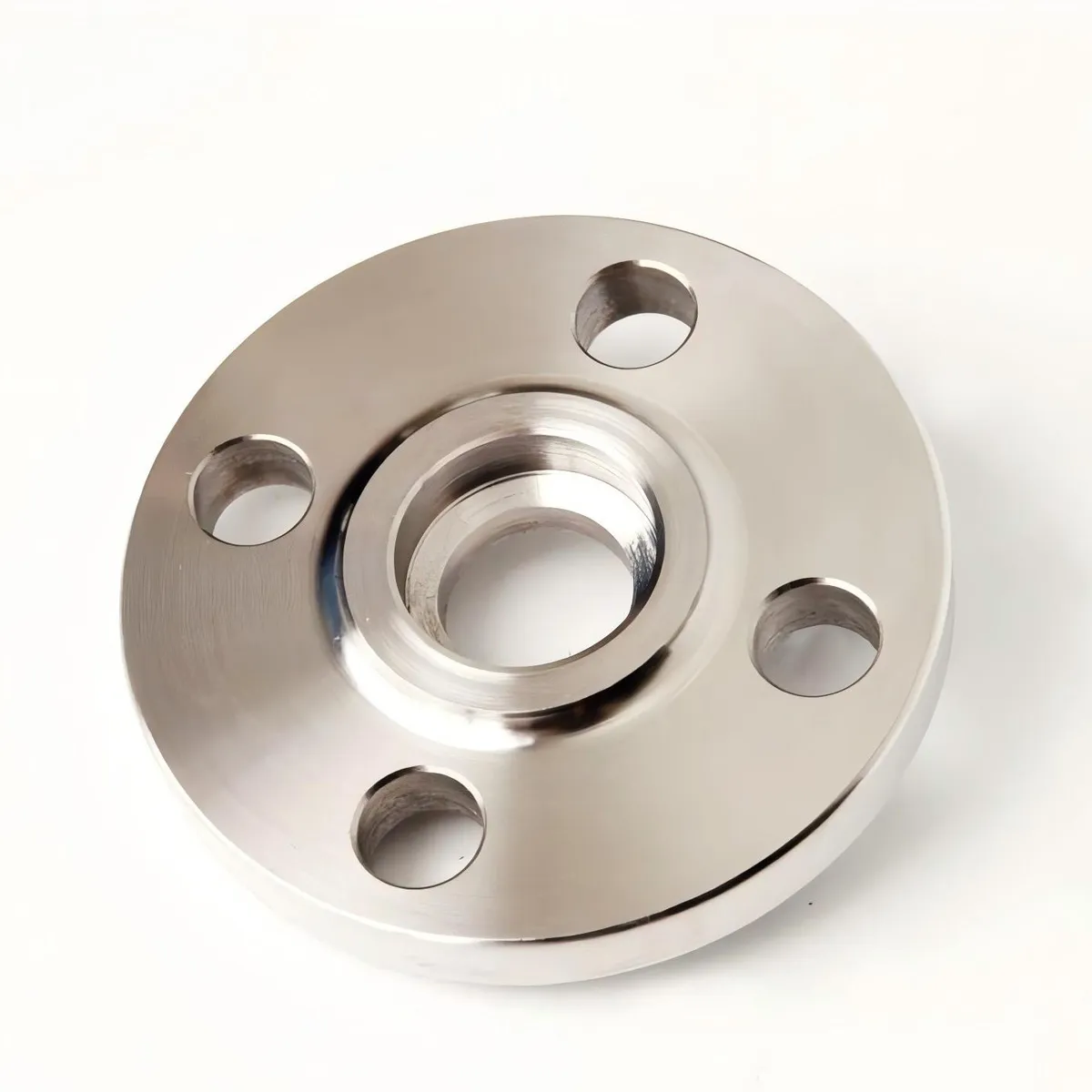
This rigorous manufacturing process ensures that each socket weld flange is capable of delivering exceptional performance, contributing to energy saving through minimized leakage and offering superior corrosion resistance in demanding industrial applications, aligning with the extended service life expectations of 30-50 years in well-maintained systems.
Technical Advantages and Application Scenarios
The inherent design and robust manufacturing of the socket weld flange offer several distinct technical advantages, making it a preferred choice for specific industrial applications.
Key Advantages:
- High Joint Strength: The fillet weld on the outside combined with the pipe insertion into the socket creates a strong, fatigue-resistant joint, capable of withstanding significant pressure fluctuations and mechanical stresses. This makes socket flange welding extremely reliable.
- Excellent Leak Integrity: The internal fit of the pipe into the socket provides an initial mechanical seal, and the subsequent external fillet weld ensures a completely leak-proof connection, critical for hazardous or high-value fluid systems.
- Smooth Bore: Unlike threaded connections, the internal bore of a socket weld connection is smooth, minimizing turbulence and pressure drop, which can lead to energy saving in pumping operations. This also reduces erosion and accumulation of solids.
- Corrosion Resistance: When manufactured from appropriate materials like stainless or alloy steels, these flanges offer superior corrosion resistance, extending the service life of the piping system in aggressive chemical environments.
- Ease of Alignment and Installation: The socket design facilitates easier alignment of pipes prior to welding, simplifying installation and reducing labor costs compared to butt-weld flanges that require precise fit-up.
Typical Application Scenarios:
These flanges are particularly well-suited for a variety of industries and operational contexts:
- Petrochemical & Oil and Gas: Used extensively in refineries, chemical plants, and offshore platforms for high-pressure, small-bore lines (typically up to NPS 4) transporting hydrocarbons, chemicals, and steam, where leak prevention is critical.
- Power Generation: Employed in steam lines, condensate return systems, and cooling water circuits in thermal and nuclear power plants, requiring robust and heat-resistant connections.
- Water Supply & Drainage: In industrial water treatment facilities and high-pressure pumping stations, ensuring reliable connections for clean and wastewater systems.
- Metallurgy & Mining: For process piping in metal refining and mining operations where robust and abrasion-resistant piping is necessary.
- Shipbuilding: In marine applications for various utility lines and hydraulic systems, where compactness and high integrity are valued.
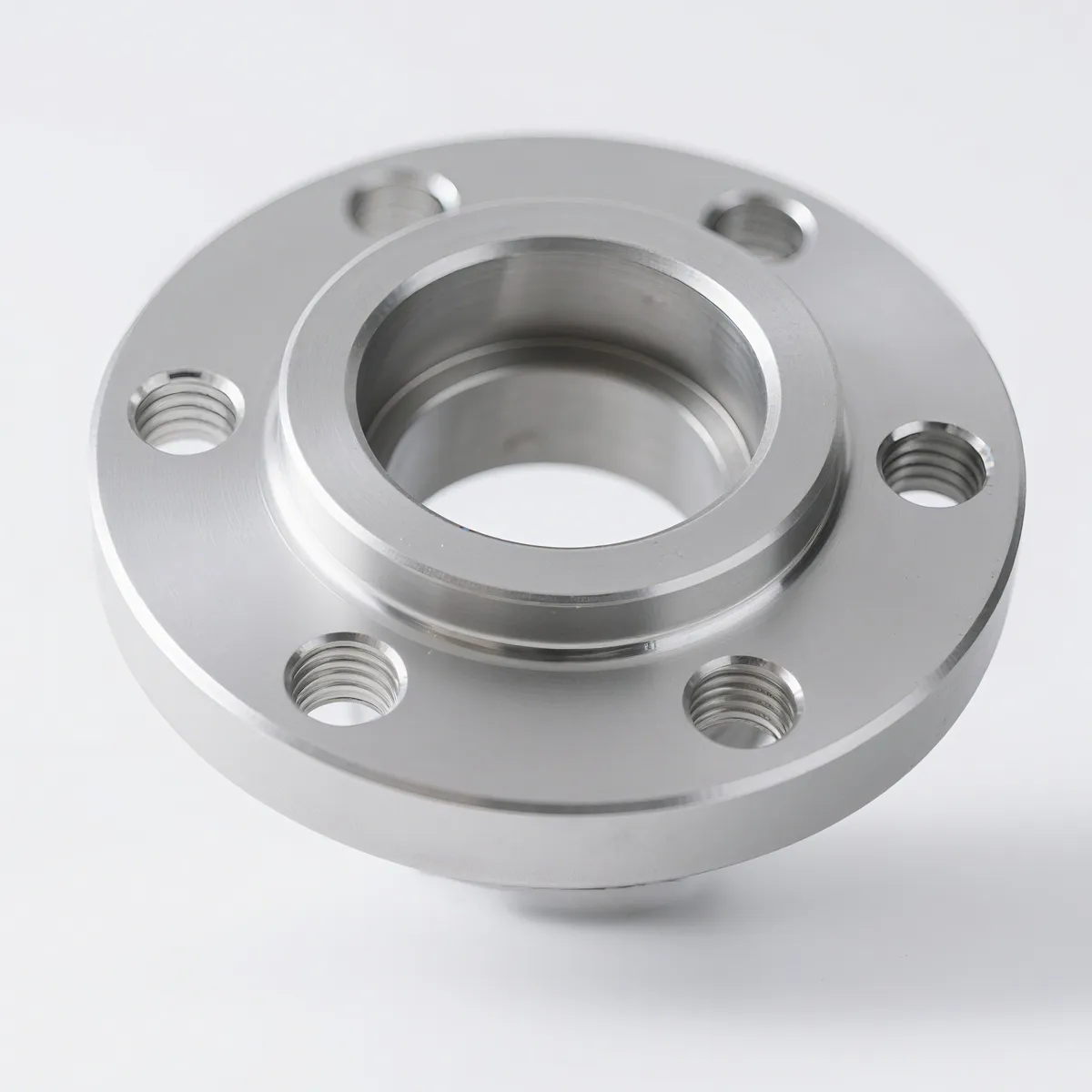
In scenarios demanding high cyclic loading, excellent resistance to vibration, and minimal risk of leakage, the selection of a socket weld flange often proves to be the most technically sound and economically advantageous solution over the long term, contributing to reduced maintenance costs and enhanced operational safety.
Vendor Comparison and Customized Solutions
Selecting the right supplier for socket weld flange and other piping components is a critical decision for B2B procurement professionals. The choice impacts product quality, project timelines, and overall system reliability. Vendors differentiate themselves through material quality, manufacturing precision, certification, lead times, and customization capabilities.
Vendor Comparison Criteria:
| Criterion | High-Tier Vendor Attributes | Standard Vendor Attributes |
|---|---|---|
| Quality & Certifications | ISO 9001, API, ASME U/S Stamp, CE PED, comprehensive MTRs. | Basic ISO compliance, standard material certifications. |
| Material Range | Extensive stock of carbon, stainless, duplex, super duplex, nickel alloys. | Common carbon and stainless steels. |
| Manufacturing Capability | Advanced CNC, robotic welding, in-house forging, NDT facilities. | Standard machining, outsourced forging/testing. |
| Customization | Full engineering support, bespoke designs, exotic materials, special coatings. | Limited special sizes or material variations. |
| Lead Time & Logistics | Optimized supply chain, expedited shipping options, global reach. | Standard lead times, regional shipping. |
| After-Sales Support | Technical assistance, warranty, installation guidance, rapid issue resolution. | Basic support, limited technical follow-up. |
Customized Solutions:
Beyond standard specifications, many projects require bespoke flange solutions. Leading manufacturers offer comprehensive customization services, including:
- Special Materials: Fabricating flanges from high-performance alloys such as Hastelloy, Inconel, Monel, or Duplex/Super Duplex stainless steels for extreme corrosion resistance or high-temperature service.
- Non-Standard Dimensions: Producing flanges with unique pressure ratings, bore sizes, or face types to integrate into existing complex systems or specialized equipment.
- Surface Treatments & Coatings: Applying specific coatings like PTFE, galvanizing, or specialized paints to enhance resistance to abrasion, chemical attack, or for aesthetic purposes in challenging environments.
- Design Modifications: Adapting the socket weld flange design for specific operational requirements, such as incorporating additional tapping points or adapting for specific gasket types.
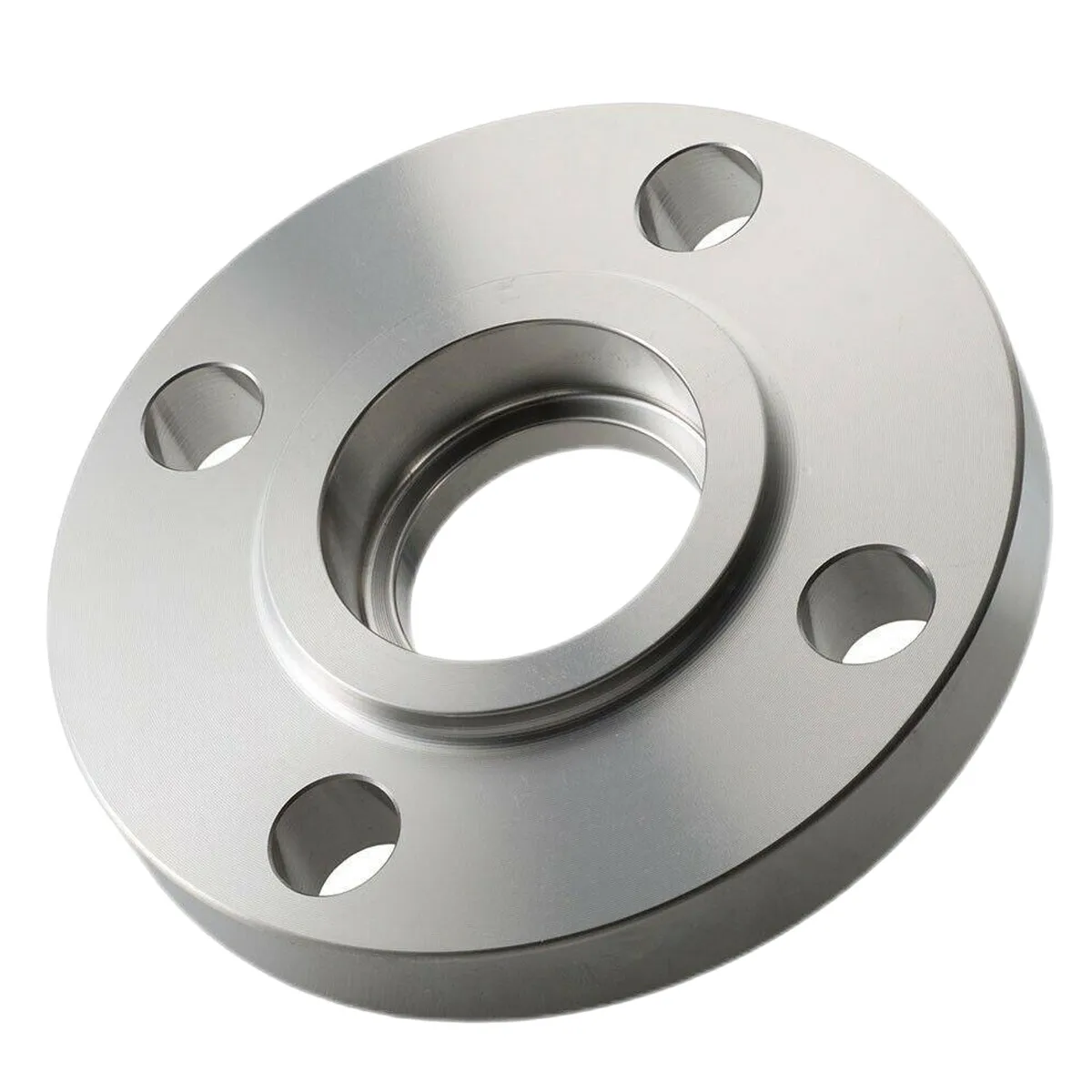
Partnering with a manufacturer capable of delivering these customized solutions ensures that critical project requirements are met with precision and reliability, minimizing risks and maximizing operational efficiency.
Application Case Studies and Customer Experience
The practical deployment of socket weld flange solutions across various industries underscores their reliability and performance. Here are illustrative case studies demonstrating their impact:
Case Study 1: Petrochemical Plant Expansion
A major petrochemical company undertook an expansion project requiring high-pressure piping for a new catalytic cracking unit. Given the volatile nature of the processed hydrocarbons and the elevated temperatures and pressures (up to 1200 PSI, 400°C), traditional threaded connections posed a leakage risk, and butt-weld connections were too time-consuming for the complex small-bore network. The engineering team specified A182 F316L socket weld flange components for all lines up to NPS 2. The smooth internal bore minimized turbulence and reduced the risk of erosion-corrosion, contributing to energy efficiency. The ease of socket flange welding accelerated installation by 15% compared to alternative methods, enabling the project to stay on schedule. Post-commissioning, the system demonstrated exceptional leak integrity, significantly reducing fugitive emissions and enhancing safety protocols.
Case Study 2: Offshore Oil Platform Hydraulic System Upgrade
An offshore oil platform faced persistent issues with hydraulic line failures due to vibration fatigue in threaded couplings. The constant motion of the platform and the high-frequency cycling of the hydraulic pumps necessitated a more robust connection. The solution involved replacing critical sections with ASME Class 2500 A350 LF2 socket weld flange connections. The forged material provided superior toughness for dynamic loading, and the socket weld design offered enhanced fatigue resistance. During a scheduled maintenance shutdown, 500 units were installed. Inspections after two years of operation revealed no signs of leakage or fatigue cracking, demonstrating a significant improvement in system reliability and drastically reducing unscheduled downtime and maintenance costs.
Customer Feedback Highlights:
"The quality of the socket weld flanges we procured was consistently excellent. The precise machining ensured quick and confident socket flange welding on-site, and their performance in our high-pressure steam lines has been flawless for years."
"Our projects demand components that meet the highest international standards. The certifications and test data provided with each batch of socket flanges give us complete confidence in their long-term reliability for critical chemical processing lines."
Ensuring Trustworthiness: Certifications, Support & FAQs
Commitment to quality, transparency, and customer satisfaction is paramount in the B2B sector. Our products, including the socket weld flange, are backed by rigorous adherence to international standards and comprehensive customer support.
Certifications and Authoritative Standards:
We operate under strict quality management systems, evidenced by our ISO 9001 certification. All our flanges comply with relevant global industry standards, including:
- ASME B16.5: Pipe Flanges and Flanged Fittings NPS 1/2 Through NPS 24.
- ASME B16.11: Forged Fittings, Socket-Welding and Threaded.
- ASTM: American Society for Testing and Materials, for material specifications (e.g., ASTM A105 for carbon steel, A182 for stainless and alloy steel).
- API 6A: Specification for Wellhead and Christmas Tree Equipment (relevant for certain oil & gas applications).
- PED 2014/68/EU: Pressure Equipment Directive for products sold within the European Union.
Our material test reports (MTRs) provide full traceability from raw material to finished product, ensuring transparency and compliance.
Lead Time, Warranty & Customer Support:
- Lead Time & Fulfillment: Standard lead times for common flange types typically range from 2-4 weeks, depending on order volume and material availability. Expedited services are available for urgent requirements, leveraging an optimized supply chain and robust production capacity.
- Warranty Commitments: All our products come with a standard 12-month warranty against manufacturing defects, from the date of delivery. This commitment underscores our confidence in the quality and durability of our flanges.
- Customer Support: Our dedicated technical support team is available to assist with product selection, technical queries, installation guidance, and any after-sales service. We offer comprehensive documentation, including data sheets, installation manuals, and material certifications.
Frequently Asked Questions (FAQ):
Q: What is the primary application difference between a socket weld flange and a slip-on flange?
A: While both are typically attached by fillet welds, the socket weld flange is designed for small pipe diameters (NPS 4 and smaller) in high-pressure systems. The pipe fits into a recessed area, providing superior strength and reduced leakage. Slip-on flanges are generally for lower pressure and larger diameter applications, offering easier alignment but requiring two fillet welds (inside and out) and having slightly less strength than socket welds for equivalent pressure ratings.
Q: Is socket flange welding suitable for corrosive media?
A: Yes, provided the flange material and welding consumables are correctly selected for the specific corrosive media. Stainless steel and alloy steel socket weld flanges are commonly used in highly corrosive environments, offering excellent resistance and long-term integrity.
Q: What are the key inspection points for installed socket weld flange joints?
A: Critical inspection points include visual inspection for weld quality (smoothness, absence of undercut, porosity), dimensional checks against specifications, and often non-destructive testing (NDT) such as Liquid Penetrant Testing (LPT) or Magnetic Particle Testing (MPT) for surface defects, and Radiographic Testing (RT) or Ultrasonic Testing (UT) for internal weld integrity, especially in critical service. Adherence to a 1/16" gap between the pipe end and the socket bottom during fit-up is crucial to avoid internal stress during solidification.
Q: What maintenance is typically required for socket weld connections?
A: Once properly installed and welded, socket weld connections generally require minimal maintenance due to their permanent, leak-proof nature. Periodic visual inspections for external corrosion, paint integrity, and signs of mechanical damage are usually sufficient. Unlike bolted connections, they do not require re-tightening.
Conclusion
The socket weld flange remains a cornerstone of reliable, high-pressure industrial piping systems. Its unique design, meticulous manufacturing process, and demonstrated advantages in joint strength, leak integrity, and corrosion resistance make it indispensable across sectors like petrochemical, power generation, and oil & gas. By understanding its technical specifications, manufacturing intricacies, and the availability of customized solutions, industry professionals can make informed decisions that ensure operational safety, efficiency, and longevity of their piping infrastructure. Partnering with a reputable manufacturer committed to stringent quality control and comprehensive customer support is key to leveraging the full benefits of this critical component.
References
- ASME B16.5-2020: Pipe Flanges and Flanged Fittings NPS 1/2 Through NPS 24. American Society of Mechanical Engineers.
- ASME B16.11-2019: Forged Fittings, Socket-Welding and Threaded. American Society of Mechanical Engineers.
- ASTM International Standards for Steel Flanges. American Society for Testing and Materials.
- Market Research Future. (2023). Industrial Flanges Market Research Report—Global Forecast 2028.
- ISO 9001:2015: Quality management systems – Requirements. International Organization for Standardization.
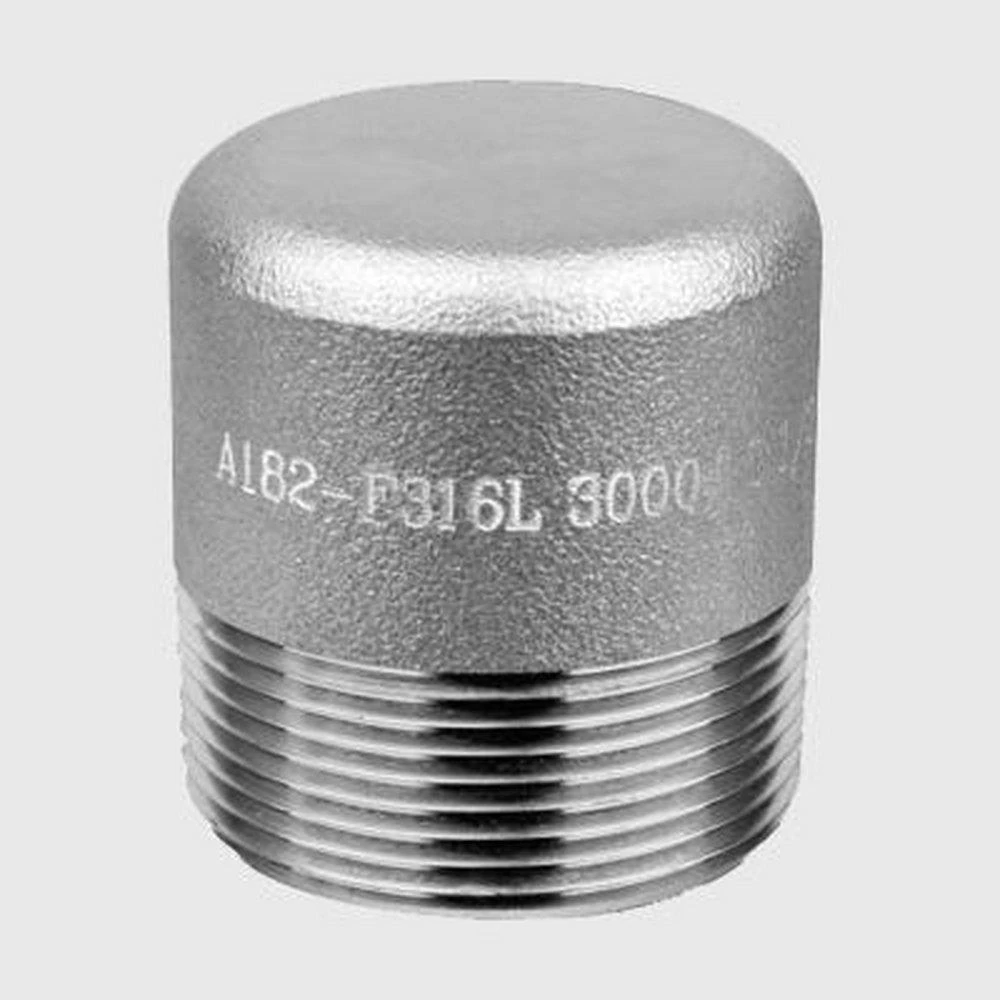
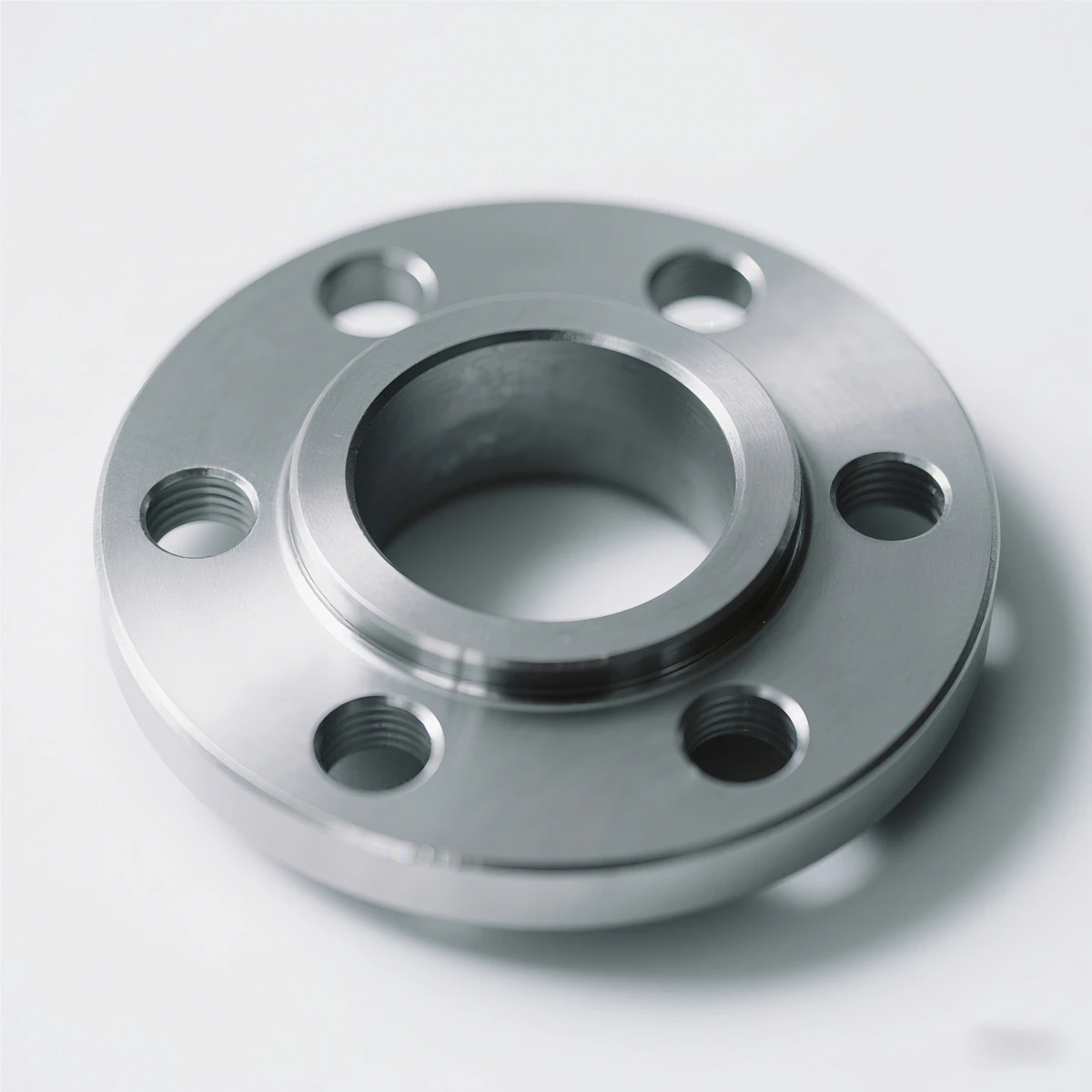
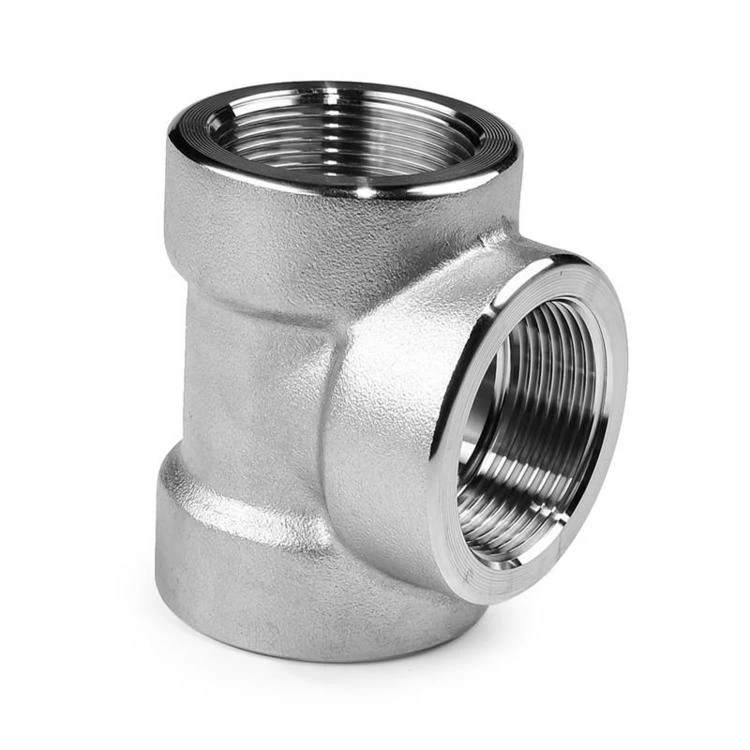
-
 Oct. 28, 2026
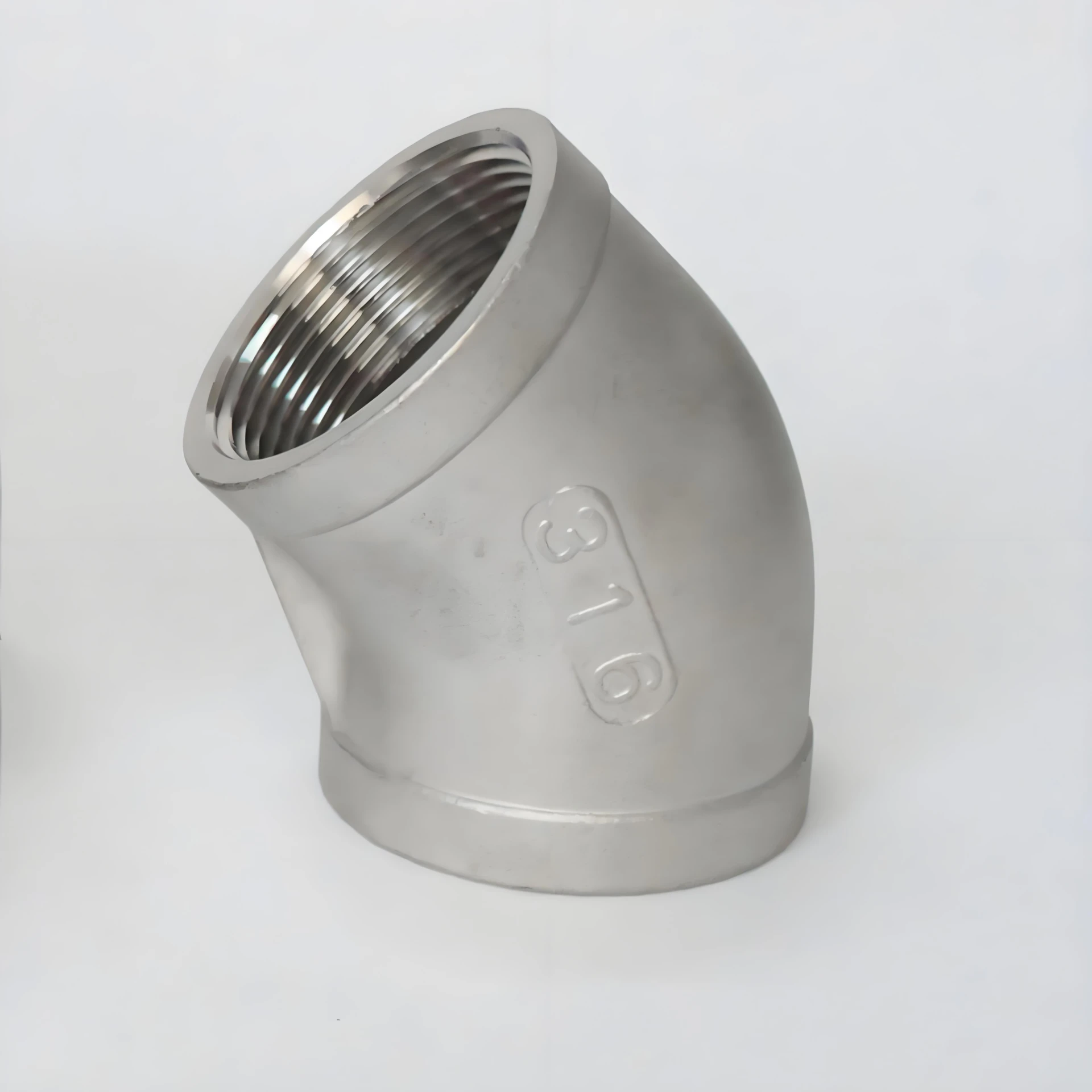
Learn how to select the right 45 degree threaded elbow for your piping system. Compare Class 2000/3000/6000 pressure ratings, NPT size range (1/8" to 4"), material options, and ASME B16.11 compliance criteria from HEBEI JIUYUAN PIPELINE MANUFACTURING CO.,LTD .
-
 Dec. 02, 2025
Explore the critical role of blind plate flanges in global pipelines. Learn about types, applications, advantages, and future trends in sealing industrial piping systems safely.
 Albanian
 Arabic
 Armenian
 Azerbaijani
 Belarusian
 Bengali
 Bulgarian
 Croatian
 Czech
 Danish
 Dutch
 Esperanto
 Finnish
 French
 German
 Greek
 Hebrew
 Hungarian
 Indonesian
 Irish
 Italian
 Japanese
 Khmer
 Korean
 Kyrgyz
 Lao
 Latin
 Lithuanian
 Malay
 Myanmar
 Norwegian
 Persian
 Polish
 Portuguese
 Romanian
 Russian
 Serbian
 Slovak
 Slovenian
 Spanish
 Swedish
 Tagalog
 Thai
 Turkish
 Turkmen
 Uzbek
 Vietnamese
 Zulu
 English


