


The Ultimate Guide to the 30 Degree Elbow in Piping Systems
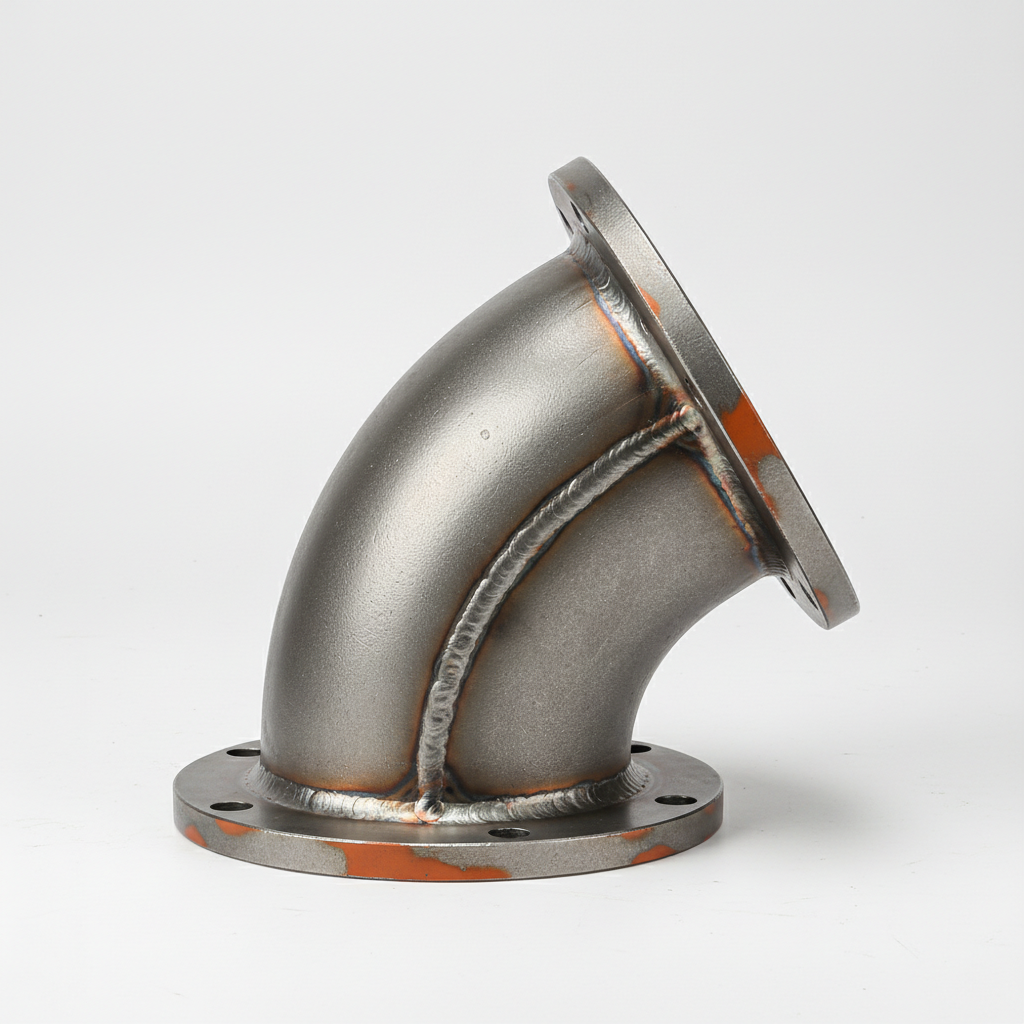
In the complex world of industrial piping, achieving the precise angle for fluid or gas transport is critical for system efficiency and structural integrity. The 30 degree elbow serves as a specialized fitting designed to change the direction of a pipeline by exactly 30 degrees. Unlike standard 45 or 90-degree bends, this specific angle is often employed in tight spaces or specialized engineering layouts where a gradual transition is required to reduce turbulence and pressure drops. Understanding the specifications and applications of these fittings is essential for engineers and procurement managers aiming to optimize their piping networks.
Engineering Advantages of Using a 30 Degree Elbow
One of the primary reasons engineers specify a 30 degree elbow is the significant reduction in flow resistance. In high-pressure systems, sharp turns can create vortices and turbulence, which lead to energy loss and increased wear on the pipe walls. By utilizing a shallower 30-degree bend, the fluid maintains a more laminar flow, thereby improving the overall volumetric efficiency of the system. Additionally, these elbows are crucial for offsetting pipes to avoid obstacles while maintaining a professional and organized layout.
Pro Tip: Using a 30-degree fitting instead of two smaller offsets can reduce the number of weld joints, effectively lowering the risk of potential leak points in the pipeline.
Material Selection for Your 30 Degree Elbow
The performance of a 30 degree elbow is heavily dependent on the material used. Depending on the medium being transported—whether it be corrosive chemicals, high-temperature steam, or potable water—the material must be chosen to resist oxidation and mechanical stress. Carbon steel is the standard for general industrial use due to its strength, while stainless steel (such as 304 or 316L) is preferred for pharmaceutical or food-grade applications. Alloy steels are reserved for extreme temperature environments where thermal expansion and contraction are significant factors.
Common Material Choices:
• ASTM A234 WPB: Ideal for moderate and high-temperature service.
• Stainless Steel 316: Superior corrosion resistance for marine environments.
• Chrome-Moly: Used in high-pressure power plants.
Technical Specifications of the 30 Degree Elbow
When ordering a 30 degree elbow, it is vital to adhere to international standards such as ASME B16.9. These standards ensure that the fitting dimensions are consistent, allowing for seamless integration with pipes from different manufacturers. Key considerations include the nominal pipe size (NPS), the wall thickness (Schedule), and the end connection type (e.g., butt-weld, socket-weld, or threaded). Below is a detailed specification table for common sizes.
Comparing the 30 Degree Elbow with Standard Fittings
When designing a layout, the choice between a 30 degree elbow and a standard 45 or 90-degree elbow depends on the available space and the required flow dynamics. A 90-degree elbow provides the sharpest turn but introduces the highest amount of friction. A 45-degree elbow is common for general offsets. The 30-degree version is the "precision" choice, allowing for very slight adjustments that prevent the need for expensive custom-fabricated bends. This precision reduces the overall stress on the piping supports and minimizes the risk of vibration-induced fatigue.
Installation and Maintenance Best Practices
To ensure the longevity of a 30 degree elbow, proper installation is key. For butt-weld fittings, ensuring a precise gap and perfect alignment before welding prevents internal weld beads that could cause turbulence. For threaded versions, using the correct grade of sealant is mandatory to prevent leaks. Regular inspections using ultrasonic testing or X-ray can identify internal thinning or corrosion, especially at the outer radius of the bend where flow velocity might fluctuate. Proper support spacing around the elbow is also necessary to prevent sagging over time.
Conclusion: Optimizing Flow with Precision Fittings
Selecting the right fitting is more than just a matter of geometry; it's about enhancing the efficiency and safety of your entire industrial operation. The 30 degree elbow provides the perfect balance between directional change and flow optimization. By choosing high-quality materials and adhering to global standards, you ensure that your piping system remains robust and cost-effective for years to come. Trust professional grade fittings to keep your operations running smoothly.
Frequently Asked Questions (FAQs)
When should I choose a 30 degree elbow over a 45 degree one?
You should choose a 30 degree elbow when the required offset is minimal and you want to further reduce the pressure drop within the system. In high-velocity fluid applications, every degree of the bend contributes to friction. If your engineering layout permits, the 30-degree option provides a smoother transition than the 45-degree alternative, leading to better energy efficiency and reduced wear on the pipe internals.
Are 30 degree elbows available in all material grades?
While 30-degree elbows are slightly less common than 90-degree ones, they are available in most industrial material grades. This includes carbon steel (ASTM A234), stainless steel (ASTM A403), and various alloy steels. Because they are often considered "specialty" angles, some suppliers may produce them upon request or through custom forging to meet specific project requirements and pressure ratings.
How does a 30 degree elbow affect the pressure drop in a pipeline?
A 30 degree elbow significantly reduces the pressure drop compared to sharper bends. In piping hydraulics, the "equivalent length" of a fitting describes how much pressure loss occurs. A 30-degree bend has a much lower equivalent length than a 90-degree bend, meaning the pump or compressor doesn't have to work as hard to push the fluid through the turn, which directly lowers operational energy costs.
Can I use a 30 degree elbow for high-temperature steam lines?
Yes, provided the material is correctly specified. For high-temperature steam, carbon steel or alloy steel (like Chrome-Moly) is typically used. The 30-degree angle is actually beneficial in steam lines as it reduces the impact of thermal expansion stresses and minimizes the risk of "water hammer" by providing a more gradual change in direction for the condensate and steam flow.
-
 Nov. 26, 2025
Learn everything about 6 150 flange components—definitions, global relevance, specifications, and vendor comparisons—for safer and efficient piping systems.
-
Dec. 11, 2025
Explore durable, customizable exhaust pipe fittings from HBJY Pipeline. Learn the benefits, specs, and why these fittings are trusted in heavy-duty industries.
 Albanian
 Arabic
 Armenian
 Azerbaijani
 Belarusian
 Bengali
 Bulgarian
 Croatian
 Czech
Czech
 Danish
 Dutch
Dutch
 Esperanto
 Finnish
 French
 German
 Greek
Greek
 Hebrew
 Hungarian
 Indonesian
 Irish
Irish
 Italian
 Japanese
 Khmer
Khmer
 Korean
 Kyrgyz
 Lao
Lao
 Latin
Latin
 Lithuanian
 Malay
Malay
 Myanmar
 Norwegian
 Persian
 Polish
 Portuguese
 Romanian
 Russian
 Serbian
 Slovak
 Slovenian
 Spanish
 Swedish
 Tagalog
 Thai
Thai
 Turkish
 Turkmen
 Uzbek
Uzbek
 Vietnamese
 Zulu
Zulu
 English


