


Understanding the 22.5 Degree Galvanized Elbow: A Comprehensive Guide
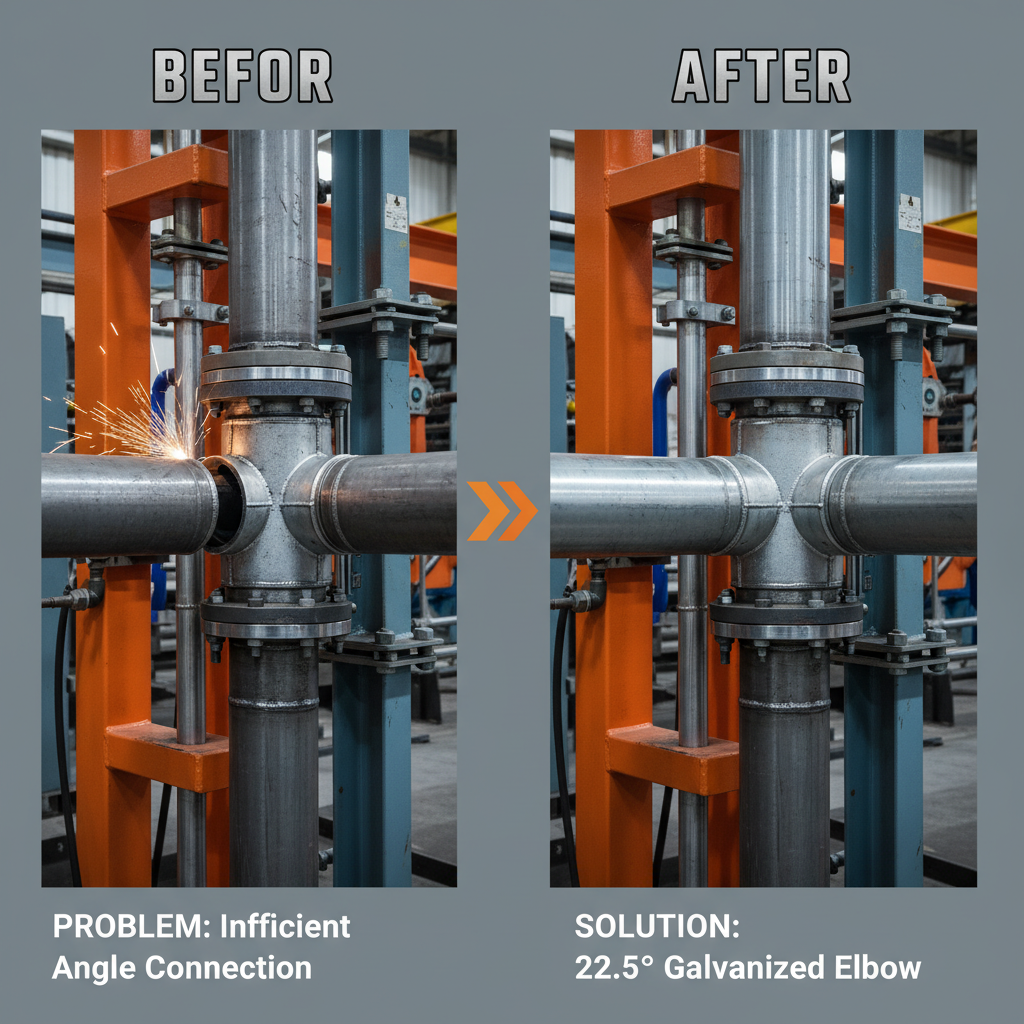
The 22.5 degree galvanized elbow is a crucial component in many piping systems, especially in applications requiring angled connections. Its robust construction and corrosion resistance make it ideal for diverse industrial and commercial settings. This article provides an in-depth look at its features, applications, materials, and how to choose the right one for your project. Understanding these aspects is vital for ensuring the longevity and efficiency of your piping infrastructure.
What is a 22.5 Degree Galvanized Elbow?
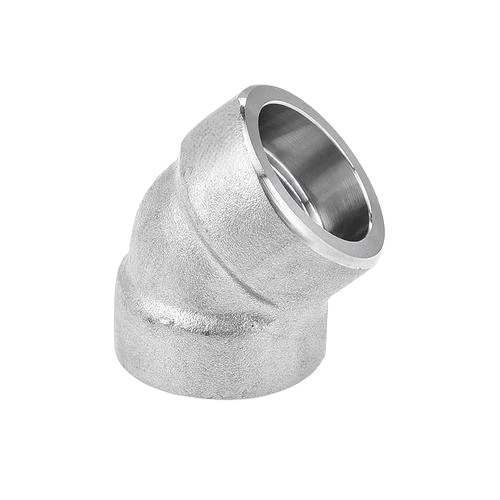
A 22.5-degree galvanized elbow is a pipe fitting used to change the direction of a pipeline by 22.5 degrees. The 'galvanized' part refers to the protective zinc coating applied to the steel, which significantly enhances corrosion resistance. This coating prevents rust and deterioration, making it suitable for both indoor and outdoor applications, even in harsh environments. These elbows are commonly used in industries such as plumbing, HVAC, irrigation, and industrial processing. They are available in a range of sizes and thicknesses to accommodate different piping needs and pressure requirements. The precise angle is crucial in complex piping layouts where space is limited and specific directional changes are needed.
Key Benefits: Corrosion resistance, durability, versatility in applications, ability to create precise angled connections, and relatively low cost.
Applications of 22.5 Degree Galvanized Elbows
The versatility of a 22.5 degree galvanized elbow makes it suitable for a broad spectrum of applications. In plumbing, they are used for creating angled connections in drainage and water supply systems. Within HVAC systems, they help direct airflow in ductwork. Agricultural irrigation systems utilize them for precise water distribution, and in industrial settings, they are found in chemical processing plants, oil refineries, and manufacturing facilities. Their ability to withstand pressure and resist corrosion makes them essential in these demanding environments. Furthermore, they’re common in scaffolding and support structures where angled connections are required for stability.
Common Use Cases:
• Plumbing Systems
• HVAC Ductwork
• Irrigation Systems
• Industrial Piping
Material Comparison: Galvanized Steel vs. Other Options
While galvanized steel is a popular choice, several materials are used for manufacturing elbows. Comparing these materials is essential for selecting the best option for your specific application. Stainless steel offers superior corrosion resistance but is significantly more expensive. PVC is lightweight and cost-effective but has lower pressure-handling capabilities and can become brittle in cold temperatures. Copper provides excellent corrosion resistance and conductivity but is also a high-cost option. The choice depends on factors like budget, operating temperature, fluid compatibility, and required pressure levels. Galvanized steel strikes a balance between cost, durability, and corrosion resistance, making it suitable for many general-purpose applications.
Selecting the Right 22.5 Degree Galvanized Elbow
Choosing the correct 22.5 degree galvanized elbow requires considering several factors. First, determine the pipe size and schedule (thickness) to ensure a proper fit. Next, assess the operating pressure and temperature of the system. The elbow’s pressure rating must exceed the maximum anticipated pressure. Also, consider the fluid being conveyed; some chemicals may require a more corrosion-resistant material than standard galvanized steel. Finally, verify that the elbow meets relevant industry standards and certifications for your application. Consulting with a piping professional can help ensure you select the most appropriate elbow for your specific needs.
Product Specifications and Sizing
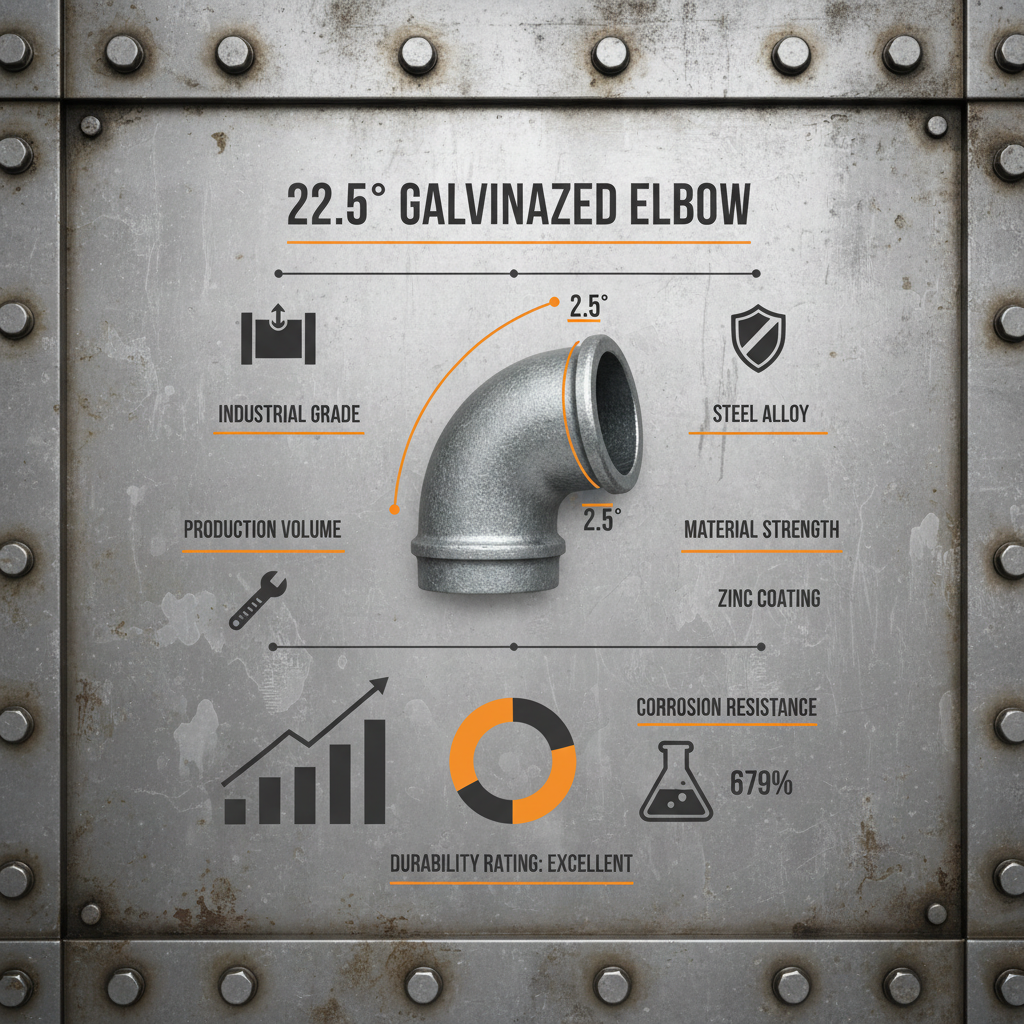
Understanding the specifications and sizing options available for 22.5-degree galvanized elbows is crucial for accurate selection and installation. Here's a typical specification table:
Conclusion: Ensuring Reliable Piping with Quality Elbows
Investing in high-quality 22.5 degree galvanized elbows is a crucial step in building a durable and efficient piping system. By carefully considering the application, material compatibility, and specifications, you can ensure optimal performance and longevity. HBJY Pipeline provides a wide range of these fittings to meet diverse industrial needs.
Frequently Asked Questions (FAQs)
What is the purpose of galvanization?
Galvanization is the process of applying a protective zinc coating to steel or iron to prevent rusting. The zinc coating acts as a barrier, preventing corrosive substances from reaching the metal. It also provides a sacrificial layer – meaning that the zinc corrodes before the steel, further protecting the underlying metal. This process significantly extends the lifespan of the elbow, particularly in outdoor or corrosive environments.
What are the different connection types available for these elbows?
22.5 degree galvanized elbows come in several connection types, including threaded, socket weld, and butt weld. Threaded elbows are easy to install and require minimal tools. Socket weld elbows provide a stronger, more leak-proof connection, suitable for higher-pressure applications. Butt weld elbows are used for high-pressure, critical applications and require skilled welding expertise.
How do I determine the correct schedule for my application?
The schedule of an elbow refers to its wall thickness. Higher schedules (e.g., Schedule 80) have thicker walls and can withstand higher pressures than lower schedules (e.g., Schedule 40). To determine the correct schedule, you must consider the maximum operating pressure of the system. Consult pressure-temperature charts or engineering guidelines to select the appropriate schedule for your specific application. Always prioritize safety and ensure the elbow can safely handle the anticipated pressures.
-
 Sep. 28, 2025
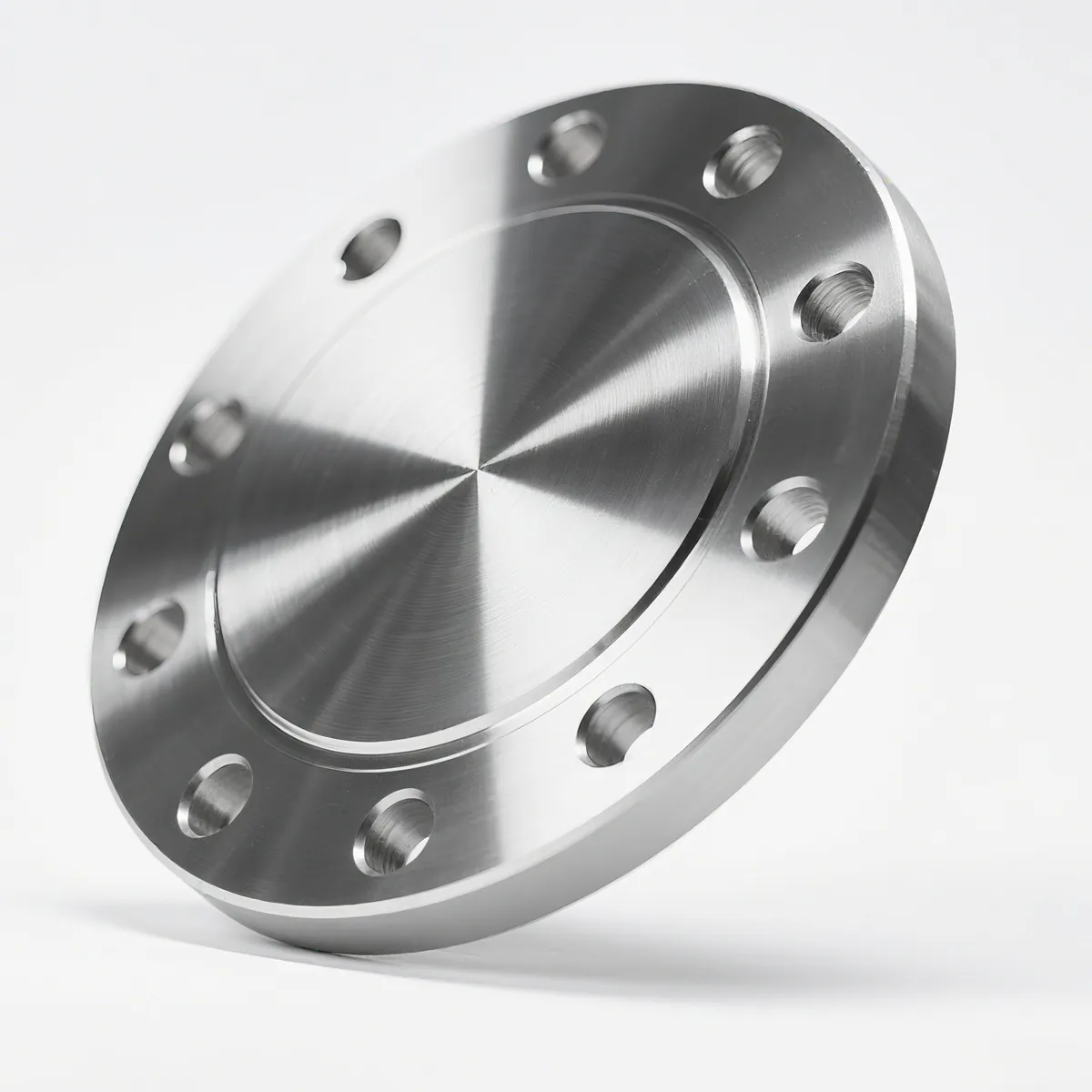
Discover sealing solutions and pressure-rated blind flanges. Material variety ensures compliance with international standards. HEBEI JIUYUAN quality assurance. Explore: https://www.hbjypipeline.com/blind-flange.html
-
 Jan. 06, 2026
Explore industrial tube elbows, their materials, specs, and vendor choices to optimize piping systems with trusted insights.
 Albanian
 Arabic
 Armenian
 Azerbaijani
 Belarusian
 Bengali
 Bulgarian
 Croatian
 Czech
Czech
 Danish
 Dutch
Dutch
 Esperanto
 Finnish
 French
 German
 Greek
Greek
 Hebrew
 Hungarian
 Indonesian
 Irish
Irish
 Italian
 Japanese
 Khmer
Khmer
 Korean
 Kyrgyz
 Lao
Lao
 Latin
Latin
 Lithuanian
 Malay
Malay
 Myanmar
 Norwegian
 Persian
 Polish
 Portuguese
 Romanian
 Russian
 Serbian
 Slovak
 Slovenian
 Spanish
 Swedish
 Tagalog
 Thai
Thai
 Turkish
 Turkmen
 Uzbek
Uzbek
 Vietnamese
 Zulu
Zulu
 English


