


- Albanian
- Arabic
- Armenian
- Azerbaijani
- Belarusian
- Bengali
- Bulgarian
- Croatian
- Czech
- Danish
- Dutch
- English
- Esperanto
- Finnish
- French
- German
- Greek
- Hebrew
- Hungarian
- Indonesian
- irish
- Italian
- Japanese
- Khmer
- Korean
- Kyrgyz
- Lao
- Latin
- Lithuanian
- Malay
- Myanmar
- Norwegian
- Persian
- Polish
- Portuguese
- Romanian
- Russian
- Serbian
- Slovak
- Slovenian
- Spanish
- Swedish
- Tagalog
- Thai
- Turkish
- Turkmen
- Uzbek
- Vietnamese
- Zulu
Tel: +86 18131702111
Email: sales@jypipeline.com
Mobile: +86 18131702111
Address: INDUSTRIAL DISTRICT OF NORTH CIRCLE, MENGCUN, CANGZHOU CITY, HEBEI PRVINCE, CHINA
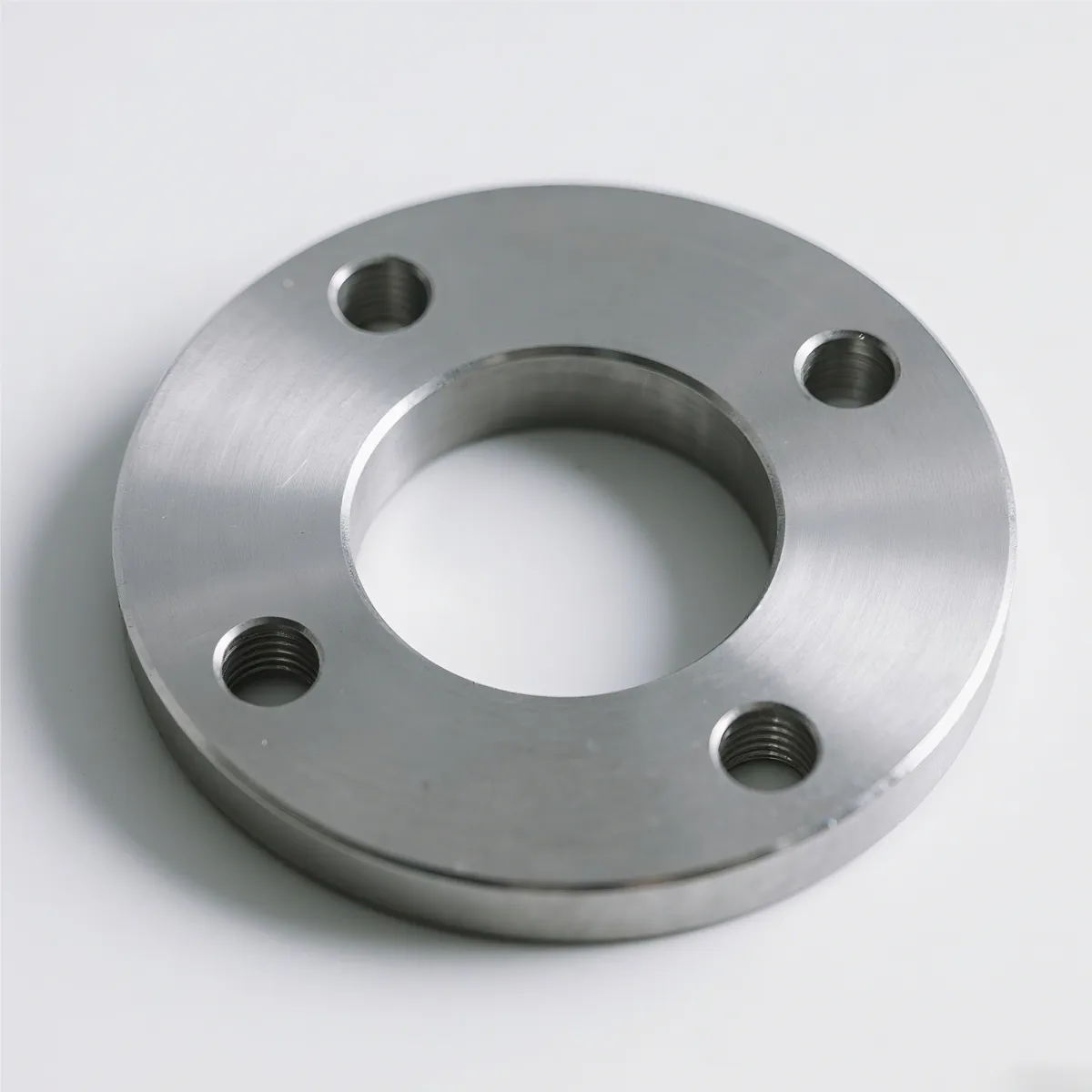
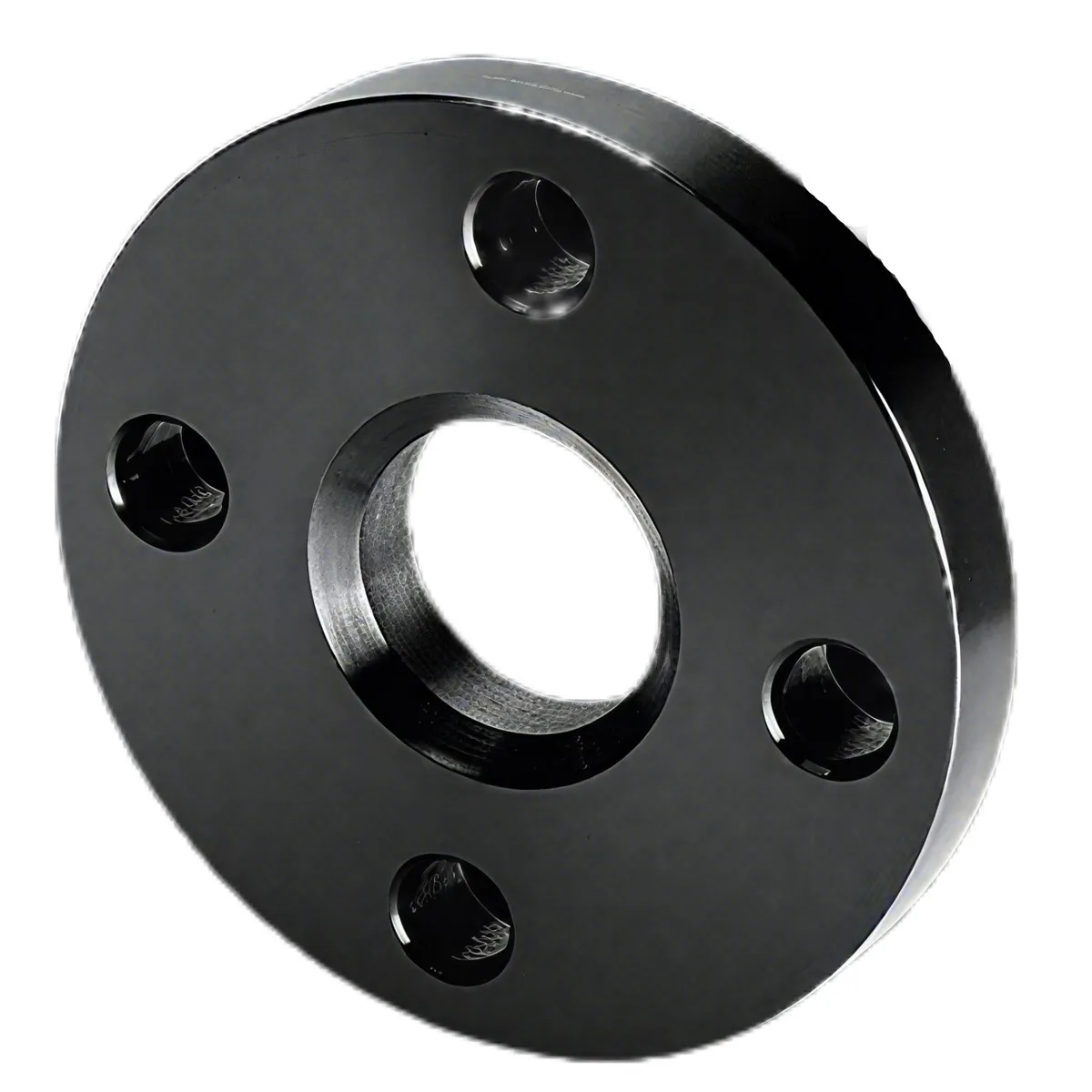
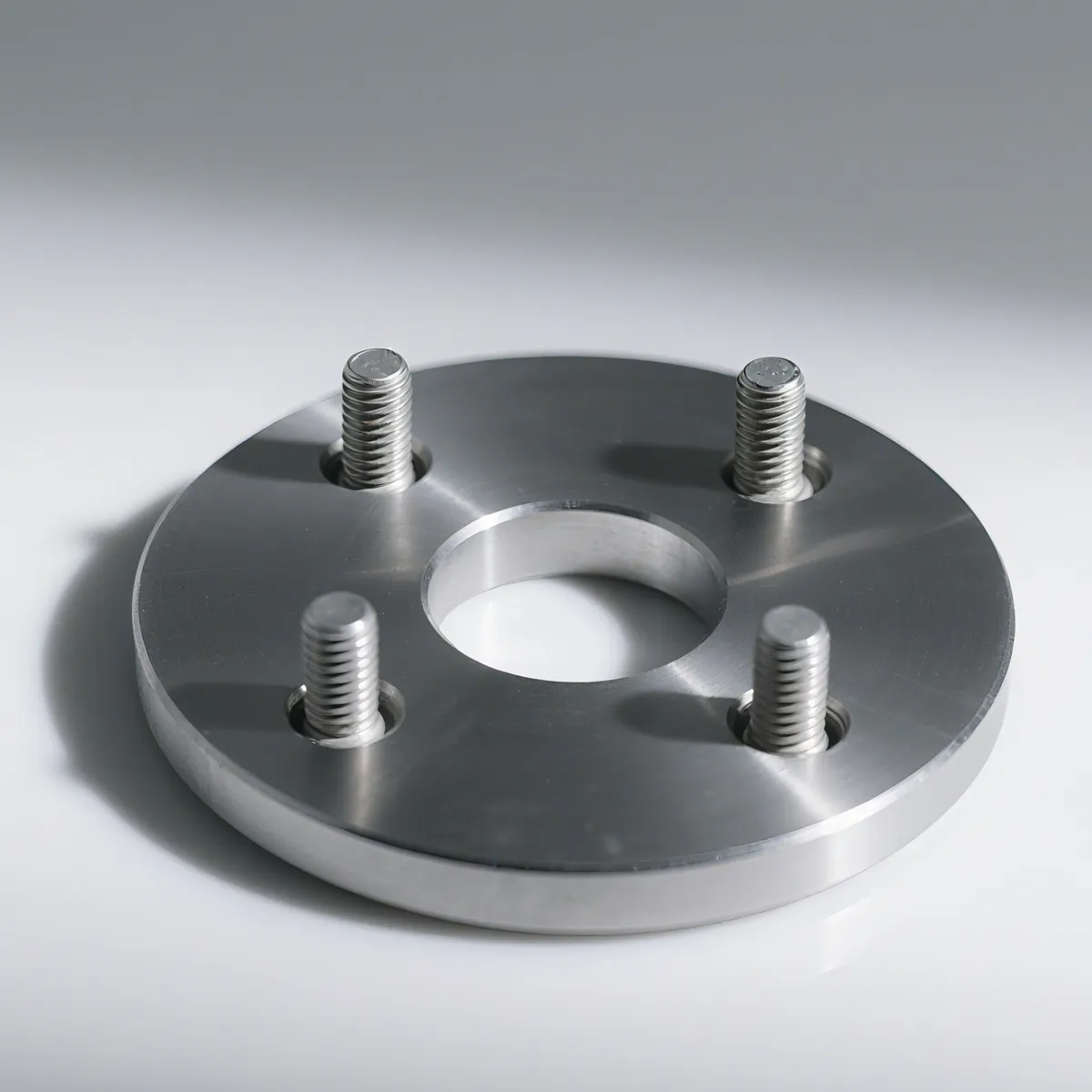
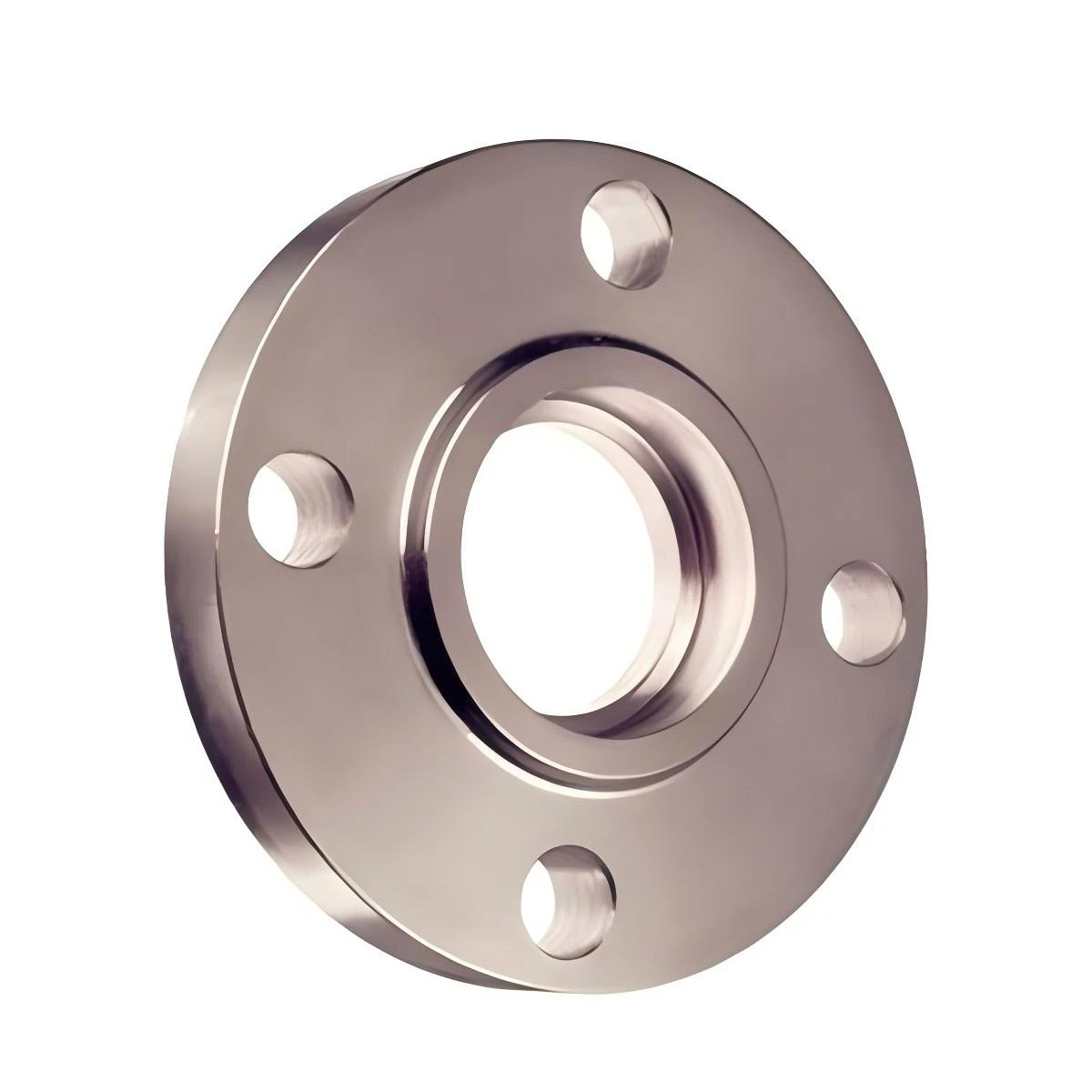
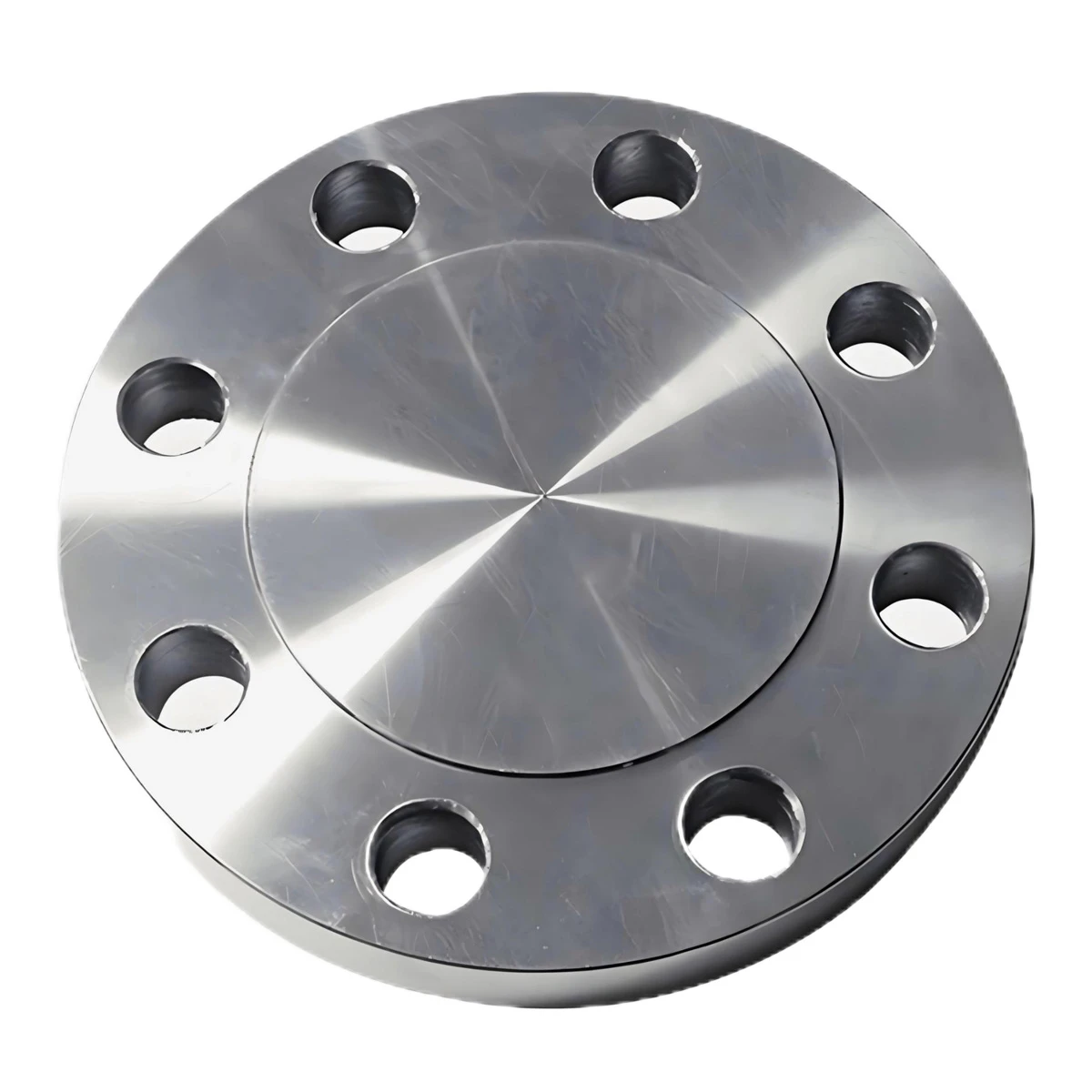
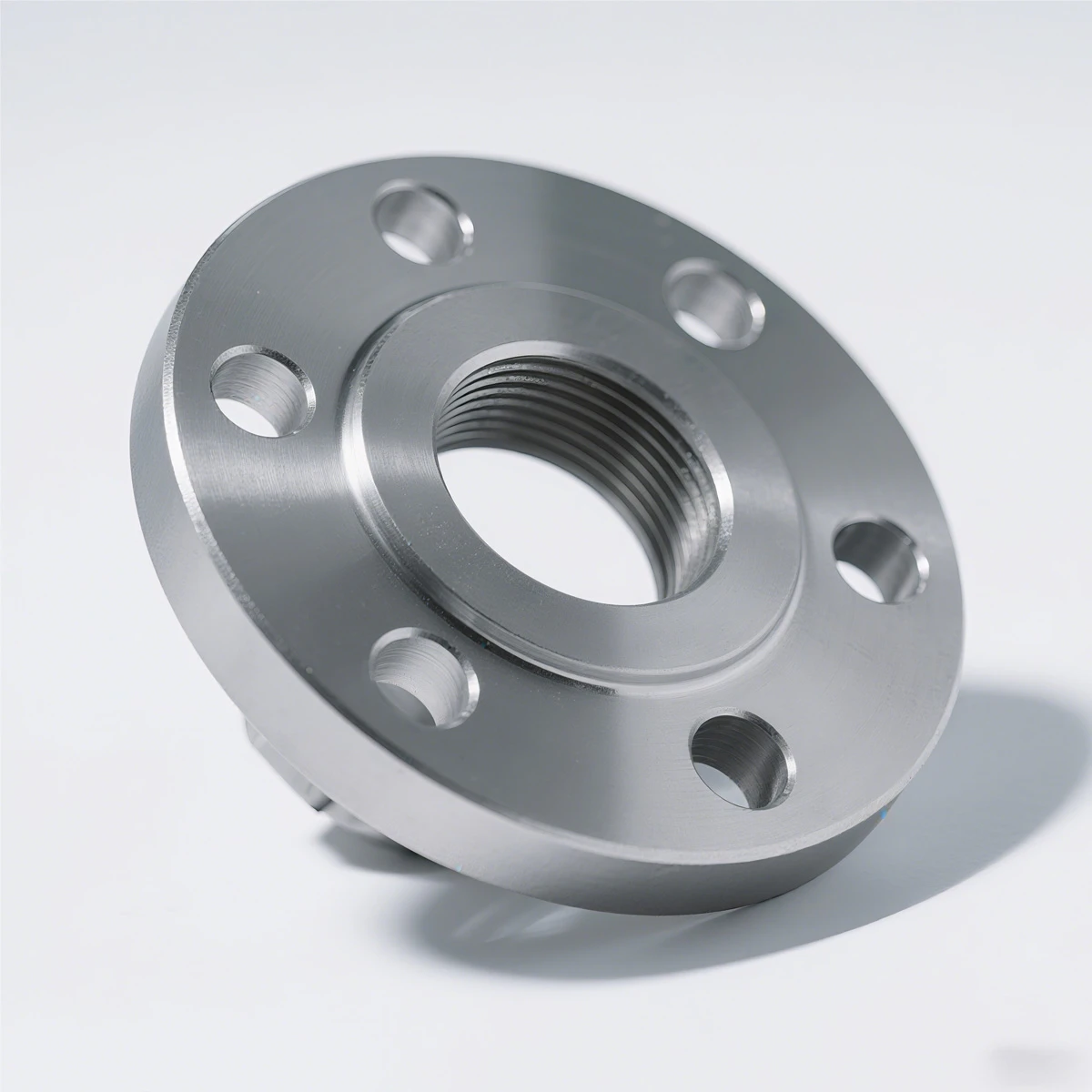
Product Overview: Lapped Flange
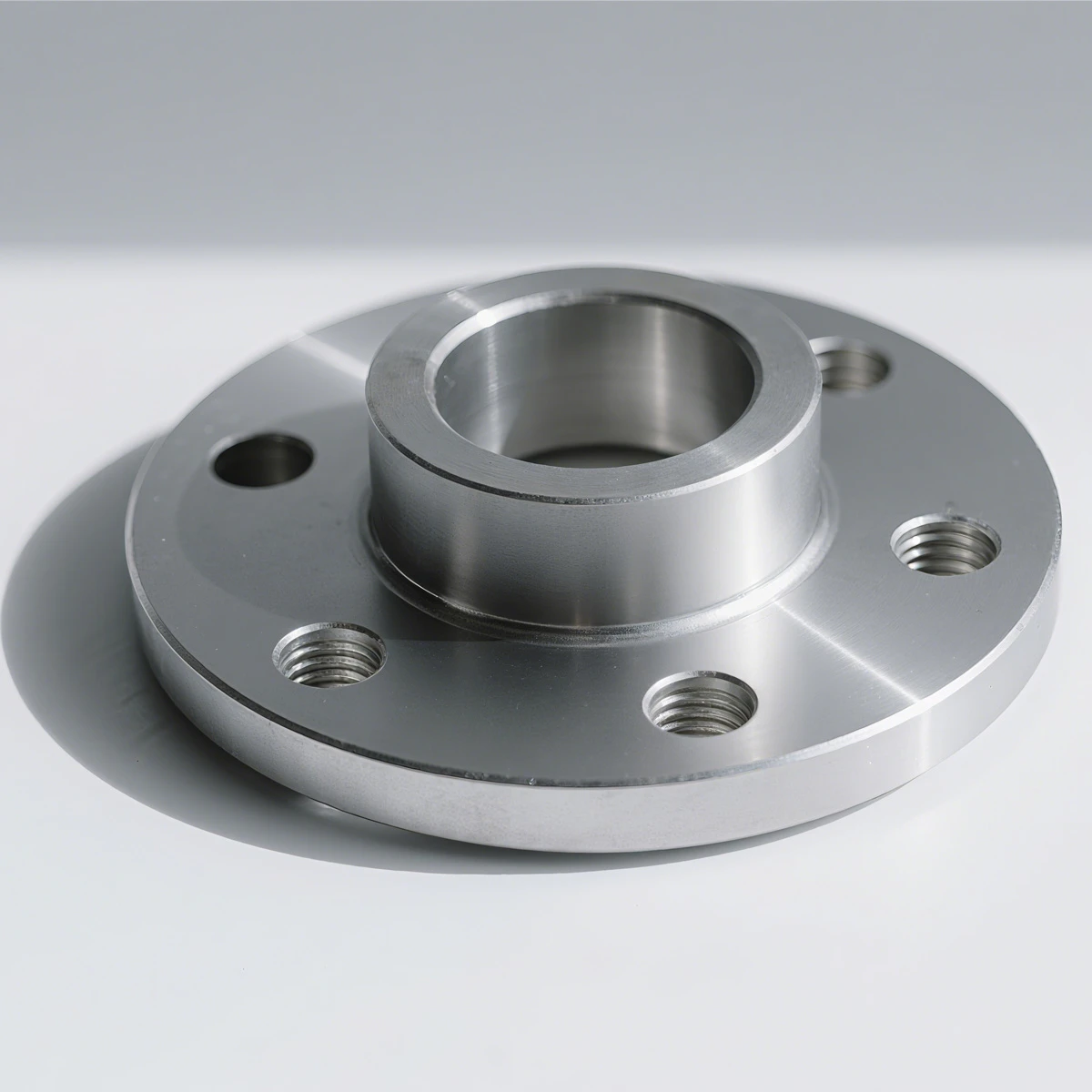
A lapped flange is a specialized flange lap joint stub end type used in piping systems where two lap joint flanges are mated with a gasket sandwiched between, forming a secure and leak-proof junction. Compared to standard flanges, lapped flange connections offer enhanced flexibility, ease of alignment, and fitment in systems where pipe sections may require frequent disassembly or rotation. This attribute makes lapped flange assemblies a go-to choice in industries demanding reliability and dynamic maintenance cycles.
For detailed specs & quotation, visit our product page.
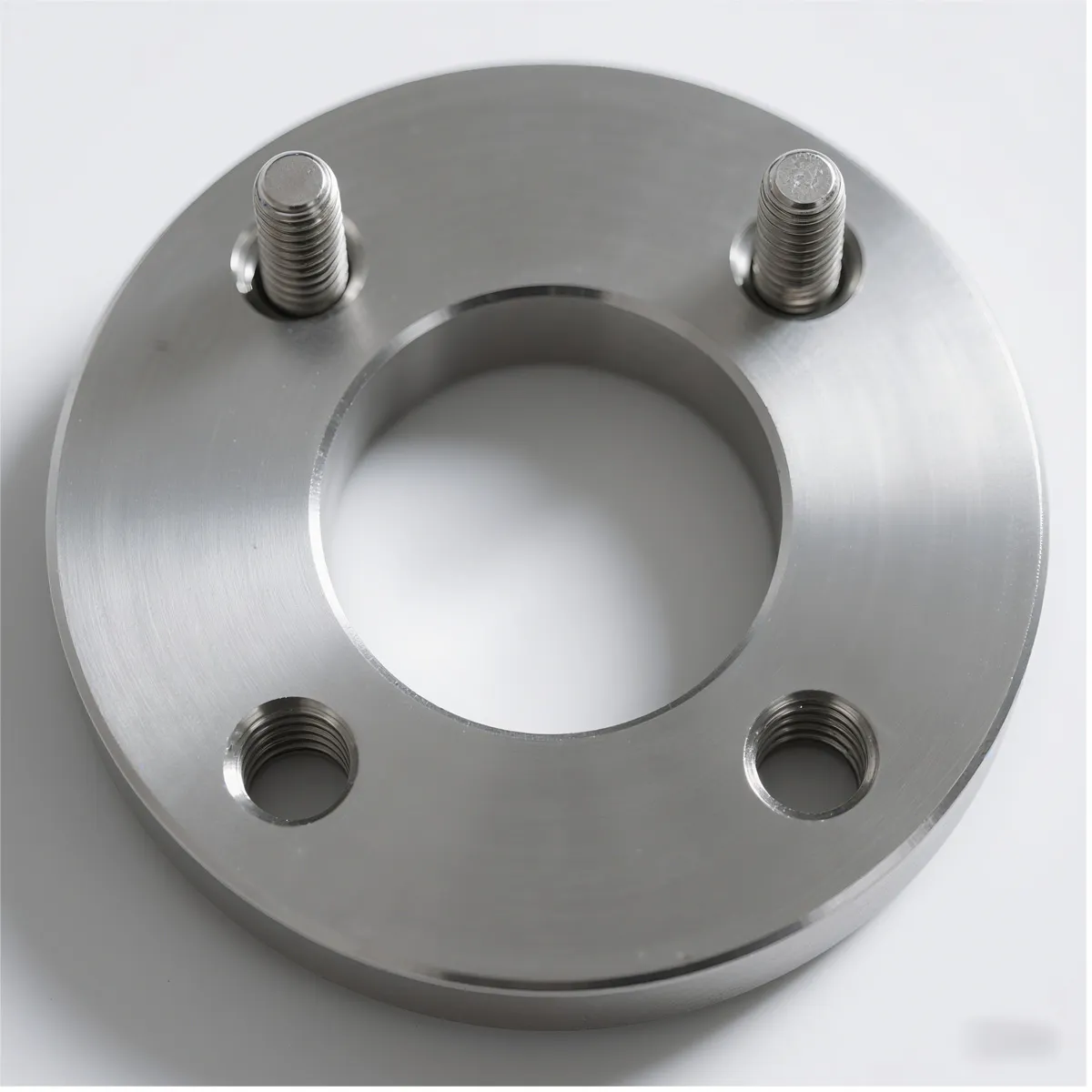
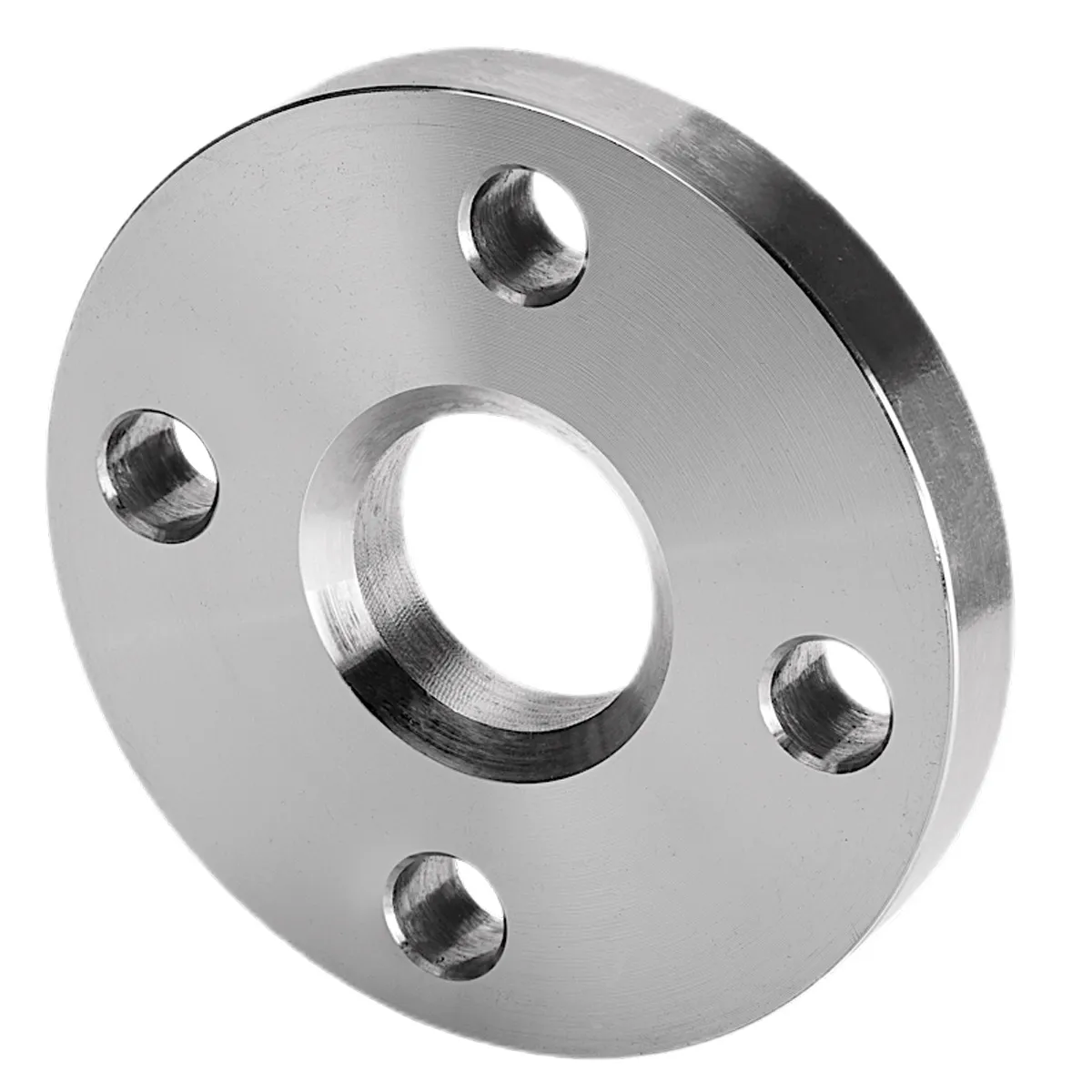
Global Industry Trends for Lapped Flange and Lap Joint Flange Solutions
The lapped flange market, alongside lap joint flange and flange lap joint stub end technologies, has witnessed substantial growth in diverse sectors such as oil & gas, petrochemical, water treatment, and shipbuilding. Increasing demand for modular and maintainable piping networks, coupled with international focus on equipment reliability and swift maintenance, drives adoption of the lapped flange connection worldwide.
Recent reports indicate a shift towards advanced materials (such as duplex stainless steels), stricter tolerance standards, and integration with smart, sensor-based monitoring systems. As highlighted in the Piping Engineering World Analysis, global consumption for lap joint flange assemblies is predicted to grow at a CAGR of 3.6% through 2028, especially in regions prioritizing sustainability and ease of system upgrade.
Key Technical Parameters of Lapped Flange (Lap Joint Flange & Stub End)
| Parameter | Standard Range | Typical Value | Reference Standard |
|---|---|---|---|
| Size Range (DN) | DN15 ~ DN1200 | DN50, DN100, DN200 | ASME B16.5, EN 1092-1 |
| Pressure Rating | 150# ~ 2500# | 150#, 300#, 600# | ASME B16.5, EN 1092-1 |
| Material | CS, SS, Alloy Steel, Duplex | Stainless 304/316 | ASTM A182, ASTM A105 |
| Face Finish | RF, FF | Raised Face (RF) | ASME B16.5 |
| Stub End Length | Short, Long | Short | MSS SP-43 |
| Corrosion Resistance | Standard, High | High (for SS/Alloy) | NACE MR0175 |
| Surface Treatment | Black, Galvanized, Painted | Anti-rust Paint | Intern. Standard |
Visualizing Lapped Flange Data: Trends & Comparisons
Professional FAQ: Lapped Flange Essentials
Application Scenarios for Lapped Flange Solutions
- Petrochemical Plants: For critical lines where regular inspection and pipe realignment are required.
- Desalination and Water Treatment: High-grade stainless lapped flange resist corrosion from aggressive brines and chemicals. Cited in ResearchGate.
- Food & Beverage: Easy disassembly for cleaning and sanitary maintenance cycles.
- Shipbuilding: Used for sections where size and orientation may must be adjusted onsite during hull assembly.
- Pipelines under Cyclic Loading: The rotational freedom helps prevent bolt-hole misalignment and stress accumulation.
- General Manufacturing: Maintenance-centric lines benefit from rapid component replacement enabled by lap joint flange design.
EEAT: Expertise, Authoritativeness, Trustworthiness
- Expertise: Backed by precise manufacturing standards, all lapped flange and lap joint flange solutions by HEBEI JIUYUAN PIPELINE MANUFACTURING CO.,LTD. comply with global norms and are tested for ground reality performance.
- Authoritativeness: Our engineers frequently reference ASME B16.5, ISO 7005, and leading resources including the Piping Engineer Forum.
- Trustworthiness: All products undergo ultrasonic, dimension, material, and pressure testing with certificates traceable to raw material origin. Client feedback and third-party audits reinforce our commitment.
Contact Us for Lapped Flange Solutions
For custom quotations, technical datasheets, or further information on lapped flange and lap joint flange assemblies, connect with HEBEI JIUYUAN PIPELINE MANUFACTURING CO.,LTD. via Phone: +86 18131702111, Email: sales@jypipeline.com, or website: www.hbjypipeline.com.
-
 Apr. 24, 2025
Jiuyuan Pipeline is excited to announce its participation in the upcoming 2025 Wire / Tube with Metal & Steel KSA exhibition, scheduled from May 5th to May 7th, 2025.
-
 May. 27, 2025
Plastic pipe fittings, in particular, are witnessing substantial growth due to their cost-effectiveness and versatility.


