



- Albanian
- Arabic
- Armenian
- Azerbaijani
- Belarusian
- Bengali
- Bulgarian
- Croatian
- Czech
- Danish
- Dutch
- English
- Esperanto
- Finnish
- French
- German
- Greek
- Hebrew
- Hungarian
- Indonesian
- irish
- Italian
- Japanese
- Khmer
- Korean
- Kyrgyz
- Lao
- Latin
- Lithuanian
- Malay
- Myanmar
- Norwegian
- Persian
- Polish
- Portuguese
- Romanian
- Russian
- Serbian
- Slovak
- Slovenian
- Spanish
- Swedish
- Tagalog
- Thai
- Turkish
- Turkmen
- Uzbek
- Vietnamese
- Zulu
Introduction
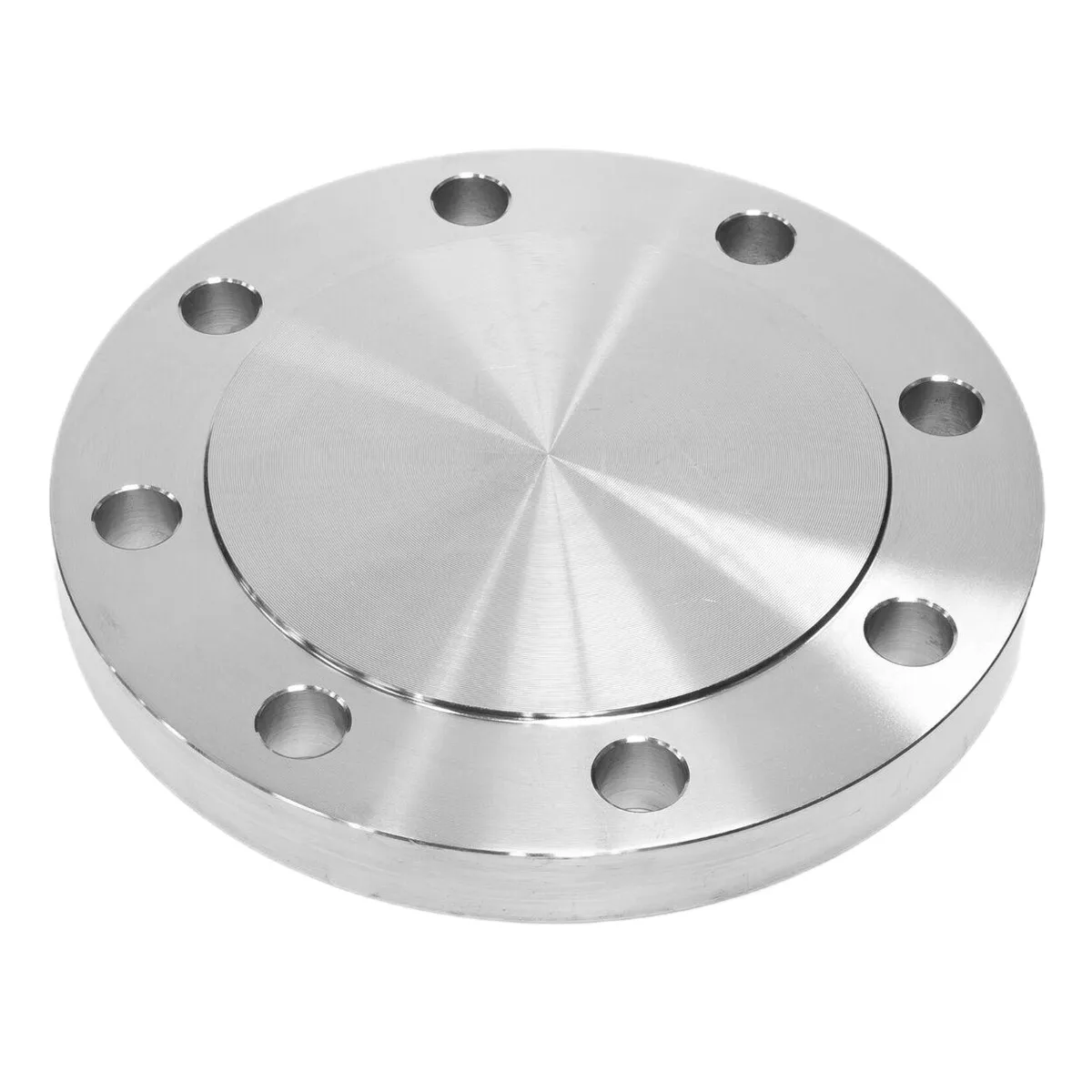
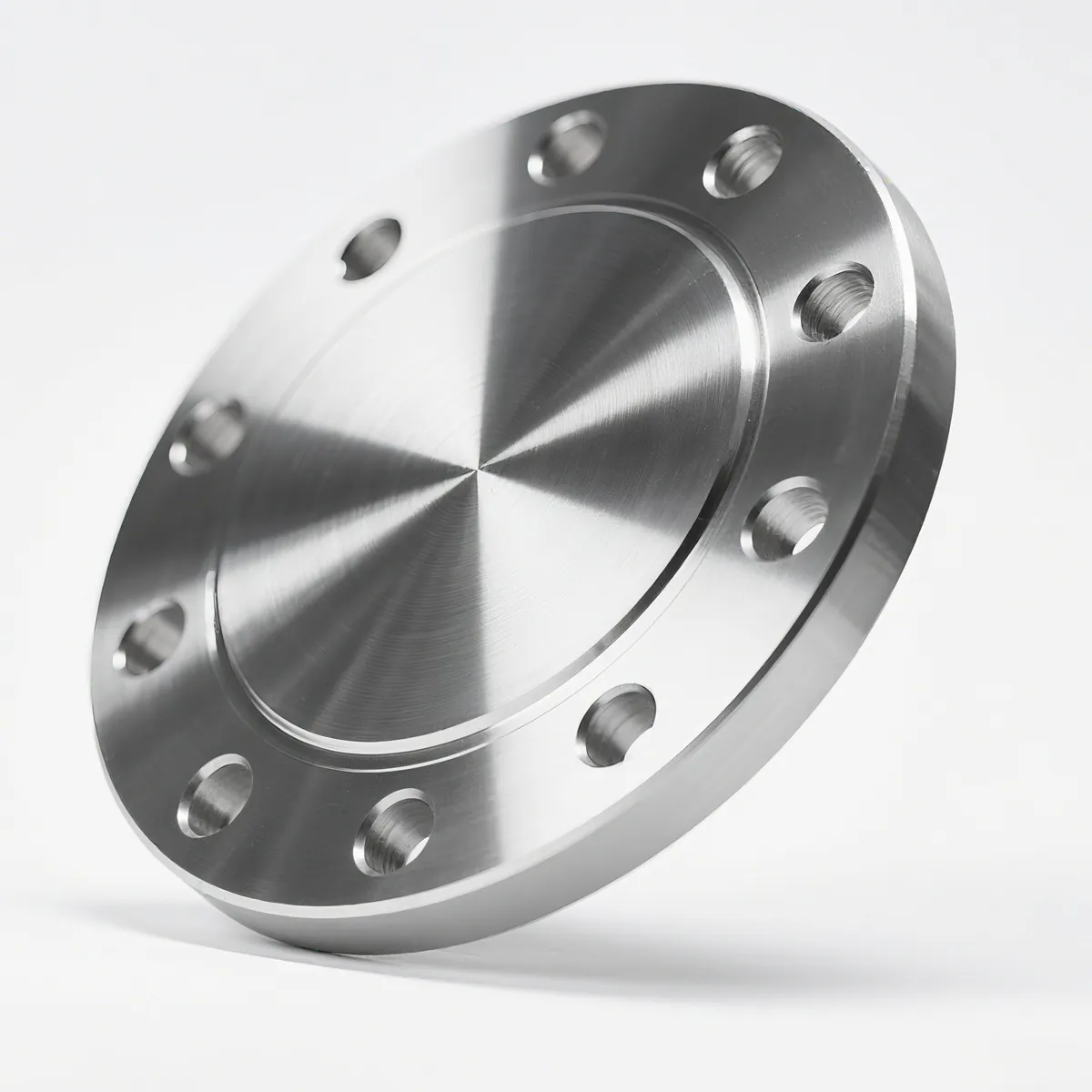
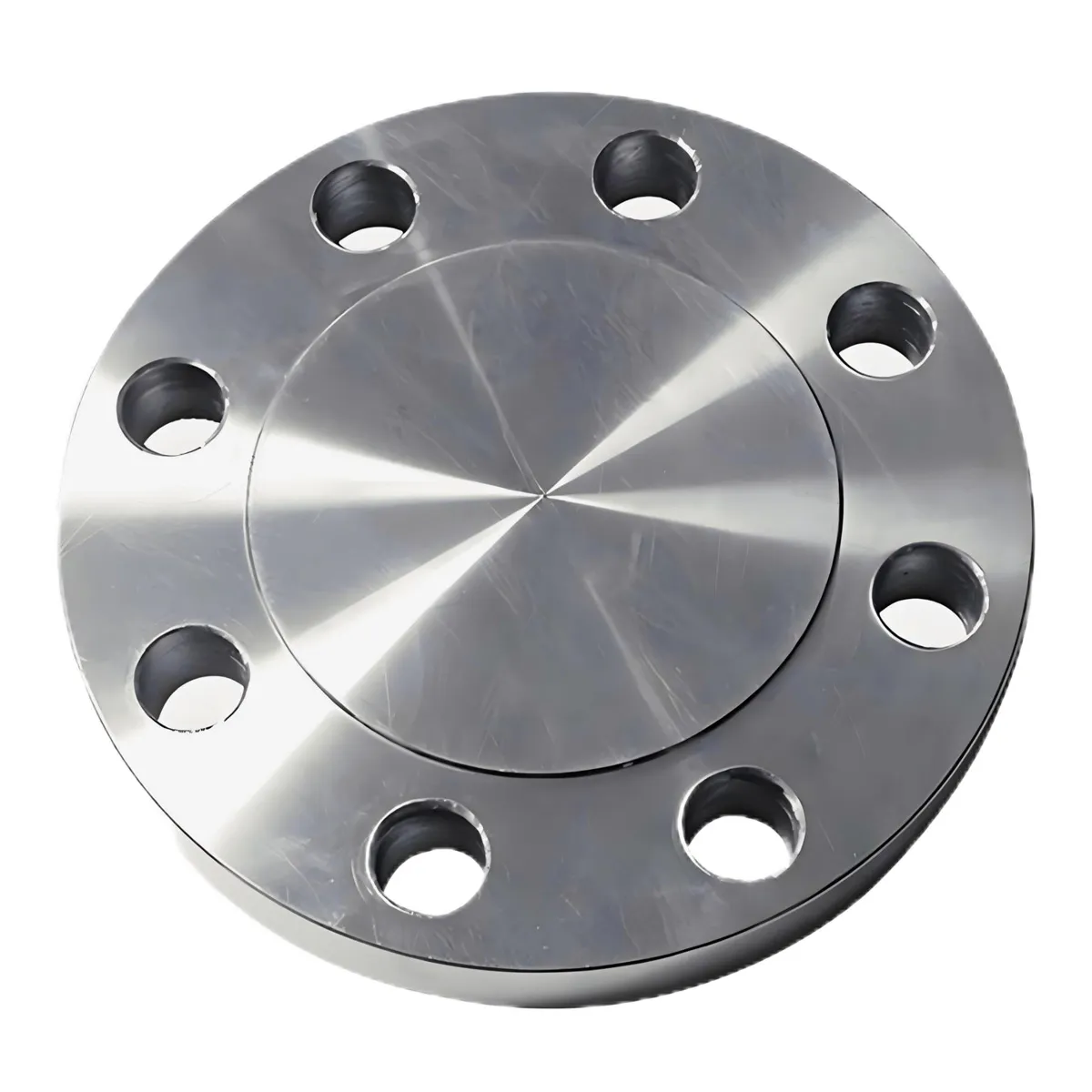
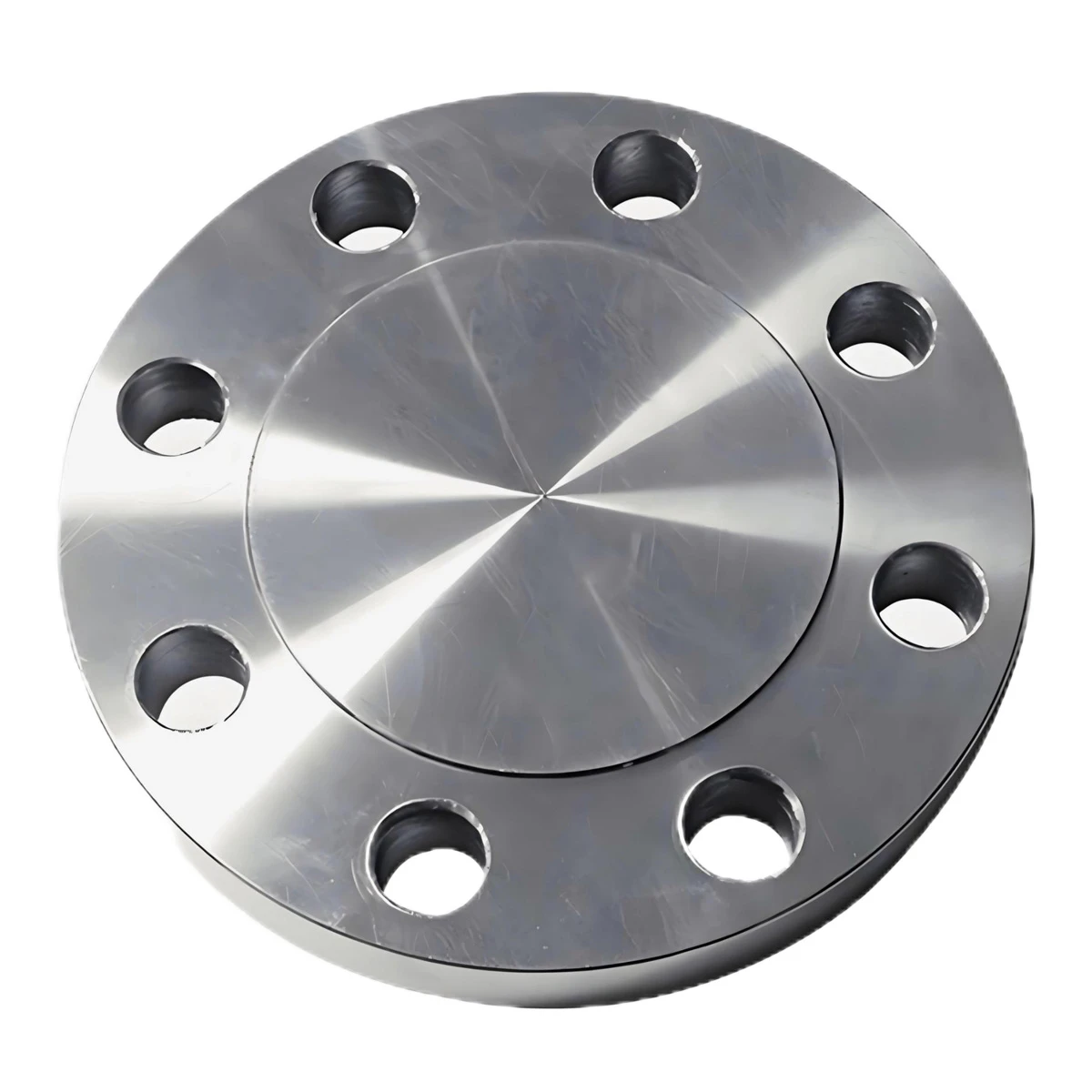
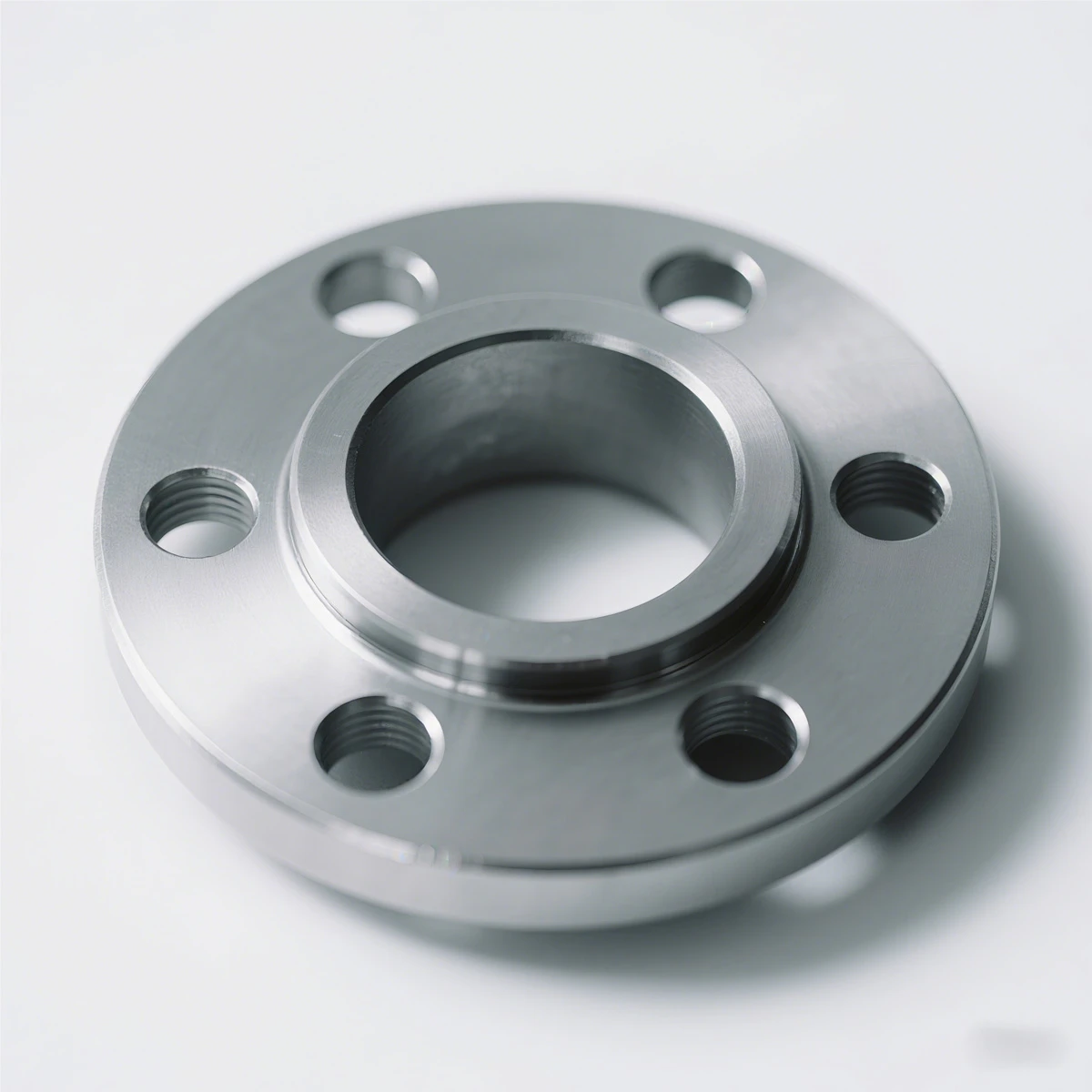
A blind flange is a critical component in piping systems, designed to seal the end of a pipeline, valve, or pressure vessel. Unlike other flanges, it lacks a center hole, making it ideal for blocking fluid or gas flow. This article provides an in-depth analysis of blind flanges, including their technical specifications, applications, and industry relevance.
Product Features
- Material Options: Carbon steel (ASTM A105, P235GH), stainless steel (ASTM A182, 304/306), and alloy steel.
- Pressure Ratings: PN6 - PN40 / Class150 - Class2500.
- Size Range: DN10 - DN2000 / ½In - 24In.
- Standards Compliance: ASME, EN, JIS, DIN, BS, KS, GOST, SABS, ATK.
- Surface Coatings: Black paint, galvanize, grease, epoxy paint.
Technical Specifications Table
| Parameter | Details |
|---|---|
| Pressure Rating | PN6 - PN40 / Class150 - Class2500 |
| Size Range | DN10 - DN2000 / ½In - 24In |
| Materials | Carbon Steel (ASTM A105), Stainless Steel (ASTM A182), Alloy Steel |
| Standards | ASME, EN, JIS, DIN, BS, KS, GOST, SABS, ATK |
| Surface Coating | Black paint, galvanize, grease, epoxy paint |
Applications
Blind flanges are widely used in industries such as oil and gas, chemical processing, power generation, and water treatment. They are essential for:
- Sealing pipeline ends during maintenance or expansion.
- Providing access points for inspection or future modifications.
- Ensuring leak-proof connections in high-pressure environments.
Installation Process
- Ensure flange faces and gaskets are clean.
- Place a compatible gasket between the blind flange and mating flange.
- Align bolt holes and insert bolts, tightening in a crisscross pattern.
- Use a torque wrench to apply even pressure as per manufacturer guidelines.
- Conduct pressure testing to verify seal integrity.
Company Background
Manufactured by HEBEI JIUYUAN PIPELINE MANUFACTURING CO., LTD., a leading provider of pipeline solutions. The company specializes in high-quality flanges, adhering to international standards to meet diverse industrial needs.
References
For further information on industry standards, refer to the NIST (National Institute of Standards and Technology) website.
-
 Apr. 28, 2025
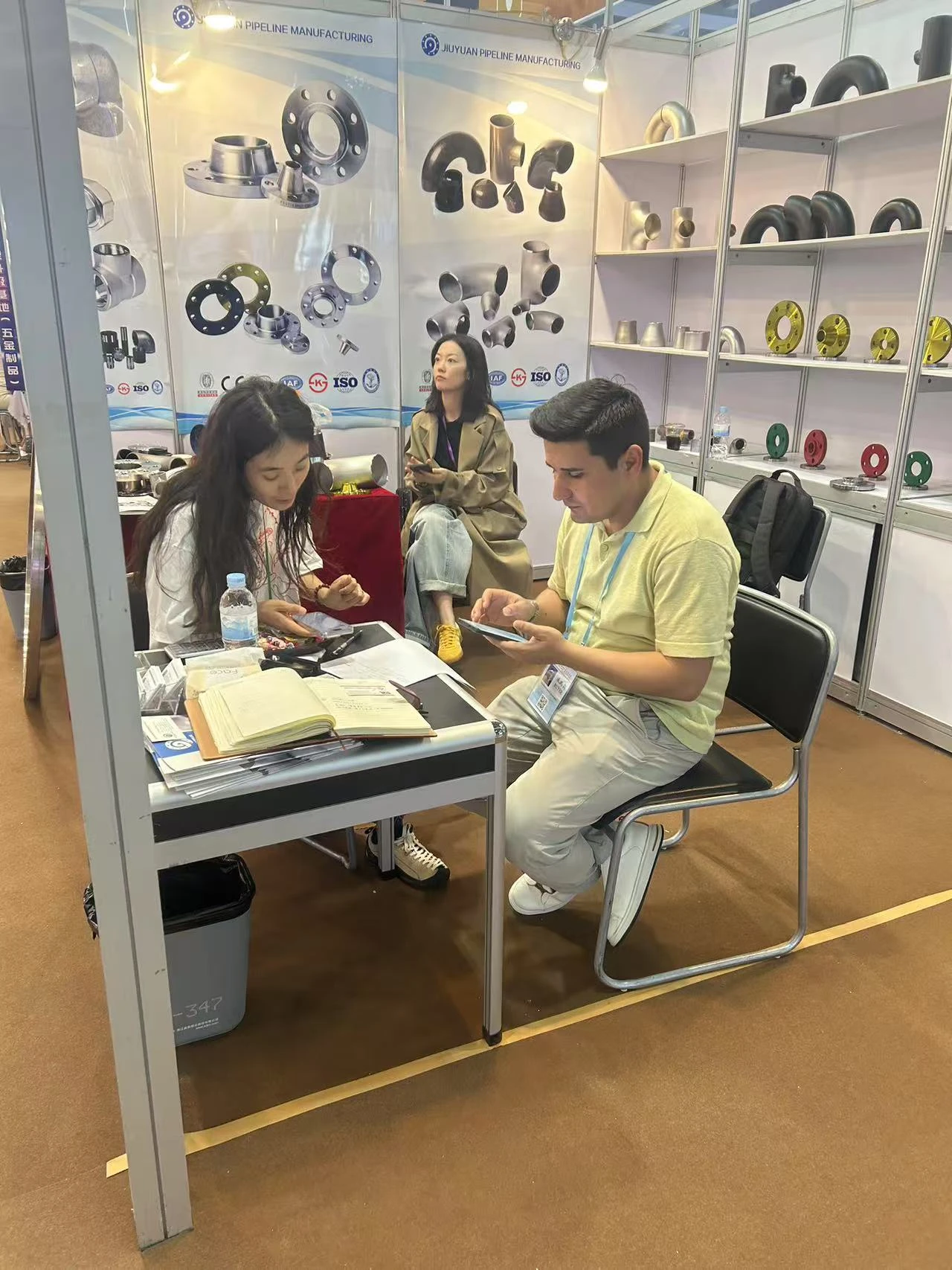
From April 15 to April 19, 2025, our company proudly participated in the renowned Canton Fair held in Guangzhou, China.
-
 May. 27, 2025
Plastic pipe fittings, in particular, are witnessing substantial growth due to their cost-effectiveness and versatility.


