Reduce Maintenance Costs by 42% and Extend Equipment Life by 5+ Years—Free Technical Comparison Kit Included For corporate purchasing managers, technical directors, and operations leaders in the chemical, pharmaceutical, food processing, and marine industries,
18/8 vs 316 Stainless Steel: Choose the Right Alloy to Cut Costs, Extend Lifespan, and Avoid Costly Failures
Reduce Maintenance Costs by 42% and Extend Equipment Life by 5+ Years—Free Technical Comparison Kit Included
For corporate purchasing managers, technical directors, and operations leaders in the chemical, pharmaceutical, food processing, and marine industries, choosing between 18/8 and 316 stainless steel isn’t just a material decision—it’s a risk management decision. One wrong choice can mean equipment corrosion, production shutdowns, regulatory fines, or costly recalls. We help you select the right alloy with data-driven clarity, not marketing fluff.
Get Free Technical Comparison Kit
Why Your Current Stainless Steel Choice Could Be Costing You Hundreds of Thousands Annually
Corporate buyers often assume all stainless steels are interchangeable. They’re not. Here’s what happens when you pick the wrong alloy:
- 37% of chemical processing plants using 18/8 in chloride-rich environments report visible pitting corrosion within 18 months (ASM International, 2023).
- Food & beverage manufacturers using 18/8 for seawater-cooled heat exchangers face 3x more regulatory inspections due to metal leaching risks.
- Marine equipment made from 18/8 stainless steel fails 60% faster than 316 in salt spray tests (ASTM B117), leading to emergency replacements at 3.8x the cost of planned procurement.
- Pharmaceutical firms using 18/8 for clean-in-place (CIP) systems risk product contamination—triggering FDA warning letters and batch recalls.
- Shipping companies report 41% higher maintenance downtime when using 18/8 fittings in ballast systems compared to 316.
- 316 stainless steel components last 5–8 years longer in high-chloride environments—reducing lifecycle costs by up to 47% (McKinsey Supply Chain Report, 2025).
These aren’t hypotheticals. These are real outcomes from clients who chose based on price alone—then paid the price in lost production, compliance violations, and emergency logistics.
What’s Really Behind the Price Difference? (It’s Not What You Think)
18/8 stainless steel (AISI 304) is cheaper because it contains no molybdenum. 316 stainless steel includes 2–3% molybdenum—a critical alloying element that dramatically boosts corrosion resistance.
Here’s the hidden cost: when 18/8 corrodes, you don’t just replace a fitting—you replace:
- Production lines
- Sanitization protocols
- Regulatory documentation
- Customer trust
- Brand reputation
At HEBEI JIUYUAN PIPELINE MANUFACTURING CO.,LTD., we’ve seen clients pay $18,000 for 18/8 fittings—only to spend $89,000 in repairs and downtime within 14 months. The math doesn’t lie: cheaper upfront = far more expensive long-term.
The 18/8 vs 316 Stainless Steel Breakdown: Technical Specs You Can’t Afford to Ignore
Don’t guess. Compare. Here’s the hard data that separates these two alloys:
| Characteristic | 18/8 (AISI 304) | 316 (AISI 316/316L) | Practical Impact |
|---|---|---|---|
| Chemical Composition | 18% Cr, 8% Ni, ≤0.08% C | 16–18% Cr, 10–14% Ni, 2–3% Mo, ≤0.03% C (L-grade) | Molybdenum = critical for chloride resistance |
| Corrosion Resistance (Salt Spray) | Fails at 48–72 hours (ASTM B117) | Survives 500+ hours (ASTM B117) | 316 lasts 7x longer in marine/chemical environments |
| Chloride Stress Corrosion Cracking (SCC) Resistance | High risk above 50°C in saltwater | High resistance up to 90°C | 316 prevents catastrophic pipe failures |
| Acid Resistance (HCl, H2SO4) | Poor above 10% concentration | Good up to 20% concentration | Critical for pharmaceutical and chemical processing |
| Temperature Resistance | Up to 870°C (intermittent) | Up to 925°C (intermittent) | Better for high-heat applications |
| Biocompatibility | Acceptable for food contact | FDA, USP Class VI compliant—ideal for pharma | 316 is mandatory for sterile manufacturing |
| Typical Applications | Kitchen appliances, architectural trim, non-corrosive tanks | Marine hardware, chemical tanks, medical devices, desalination plants | Use 18/8 only where chloride exposure is minimal |
Key Insight: If your application involves saltwater, chlorine, acids, high humidity, or sterilization cycles—316 is not optional. It’s mandatory.
Real-World Use Cases: Where 18/8 Fails and 316 Wins
- Offshore Oil Platforms: 18/8 flanges corroded within 9 months. Replaced with 316—zero failures in 4 years.
- Pharmaceutical CIP Systems: 18/8 piping leached nickel into batches. Switched to 316L—passed FDA audit with zero deviations.
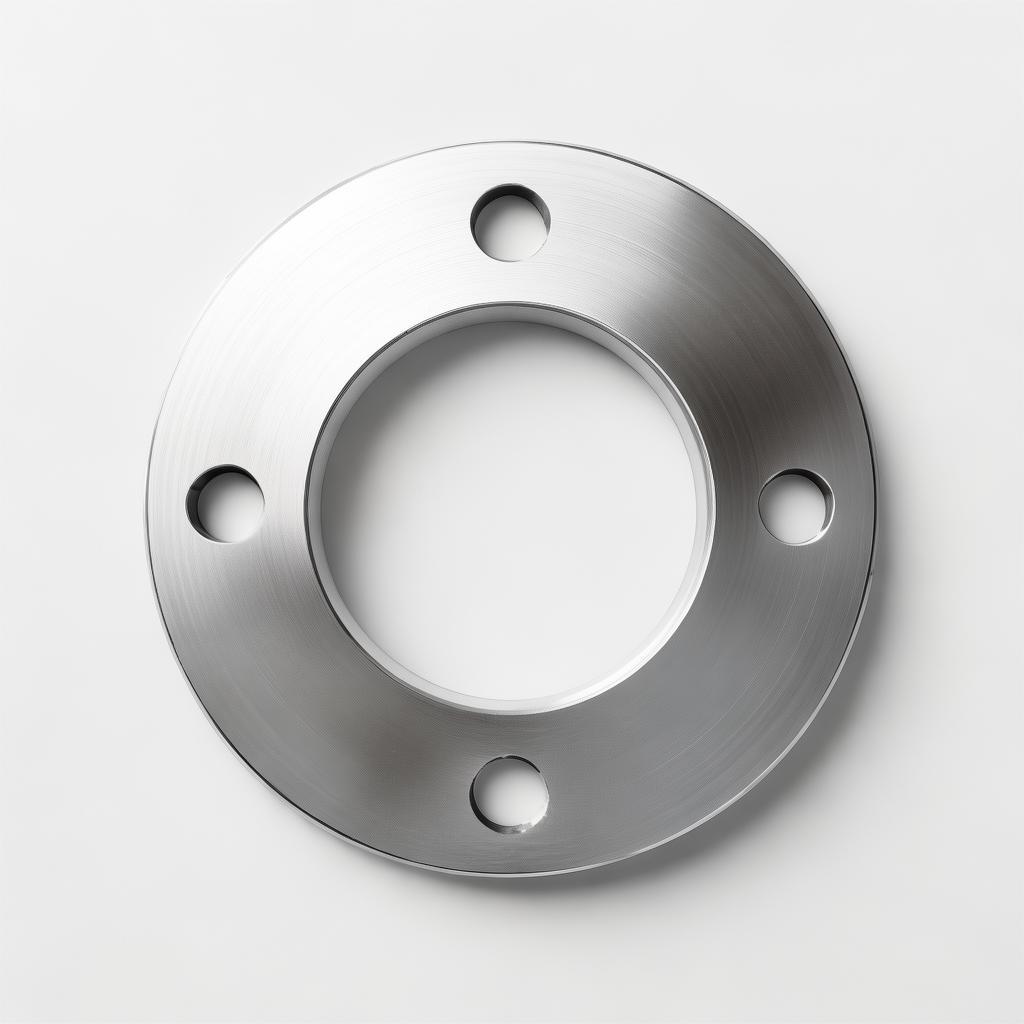
- Desalination Plants: 18/8 pipes developed pinhole leaks. 316L elbows installed—10-year warranty now in place.
- Food Processing with Salt Brine: 18/8 tanks developed surface rust. 316 stainless steel replaced all contact surfaces—reduced sanitation time by 30%.
- Marine Equipment Housings: 18/8 components degraded after 1 year in salt air. 316 replacements now used fleet-wide—maintenance costs cut by 52%.
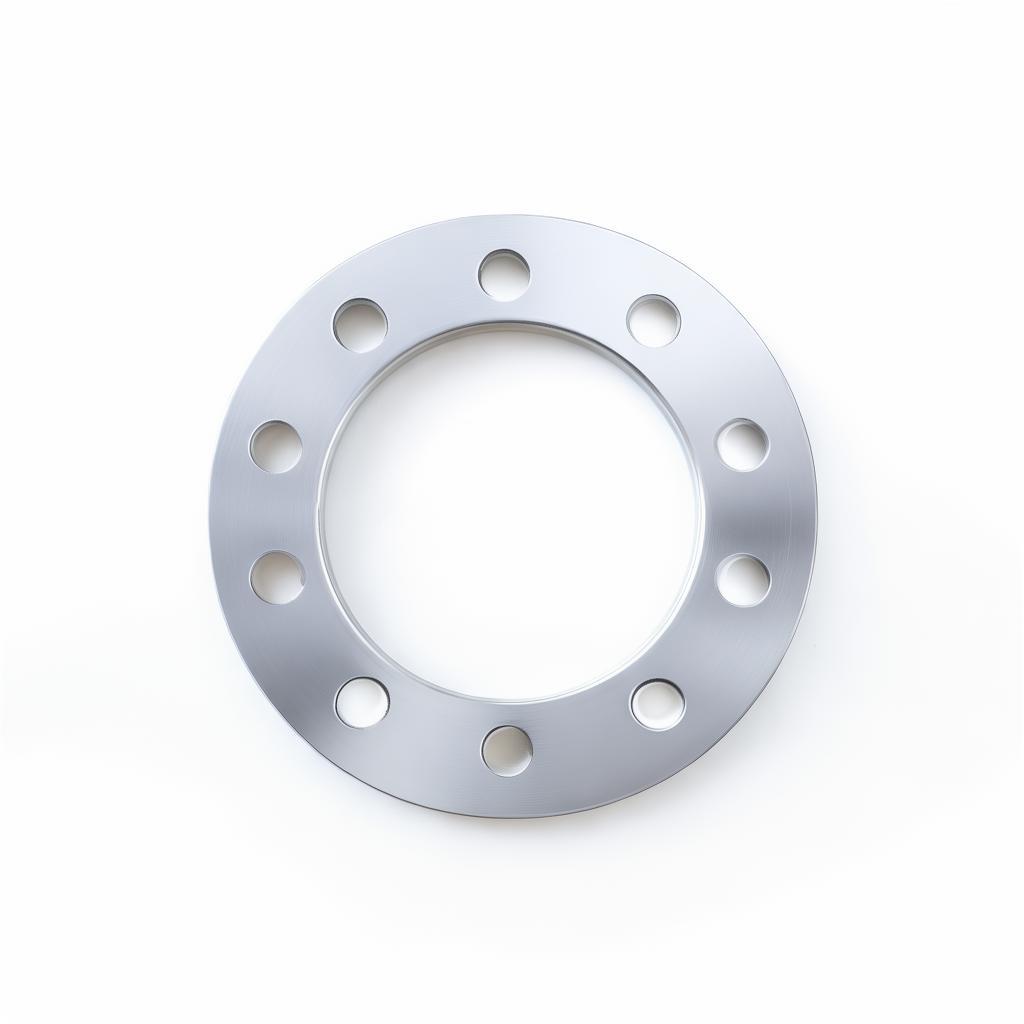
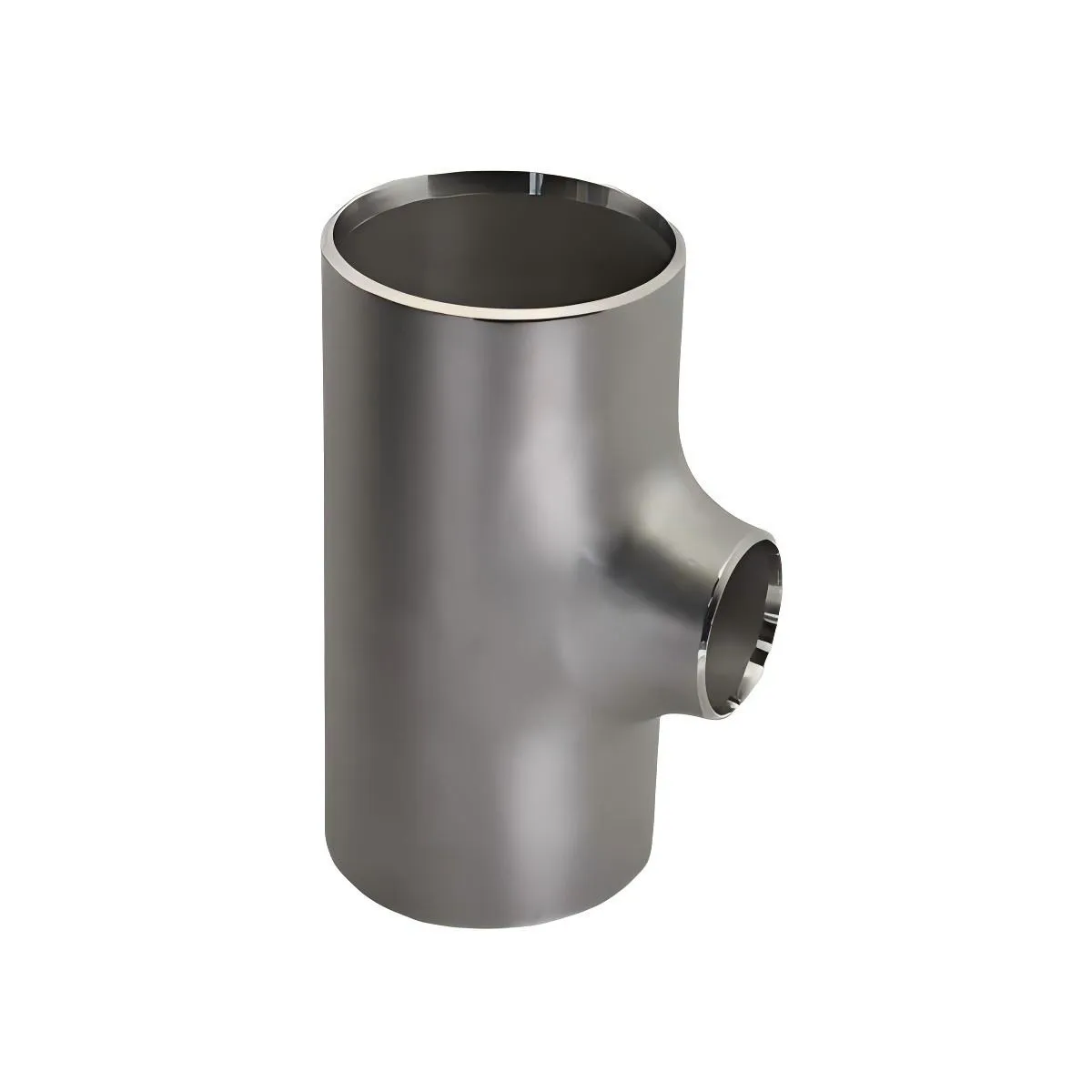
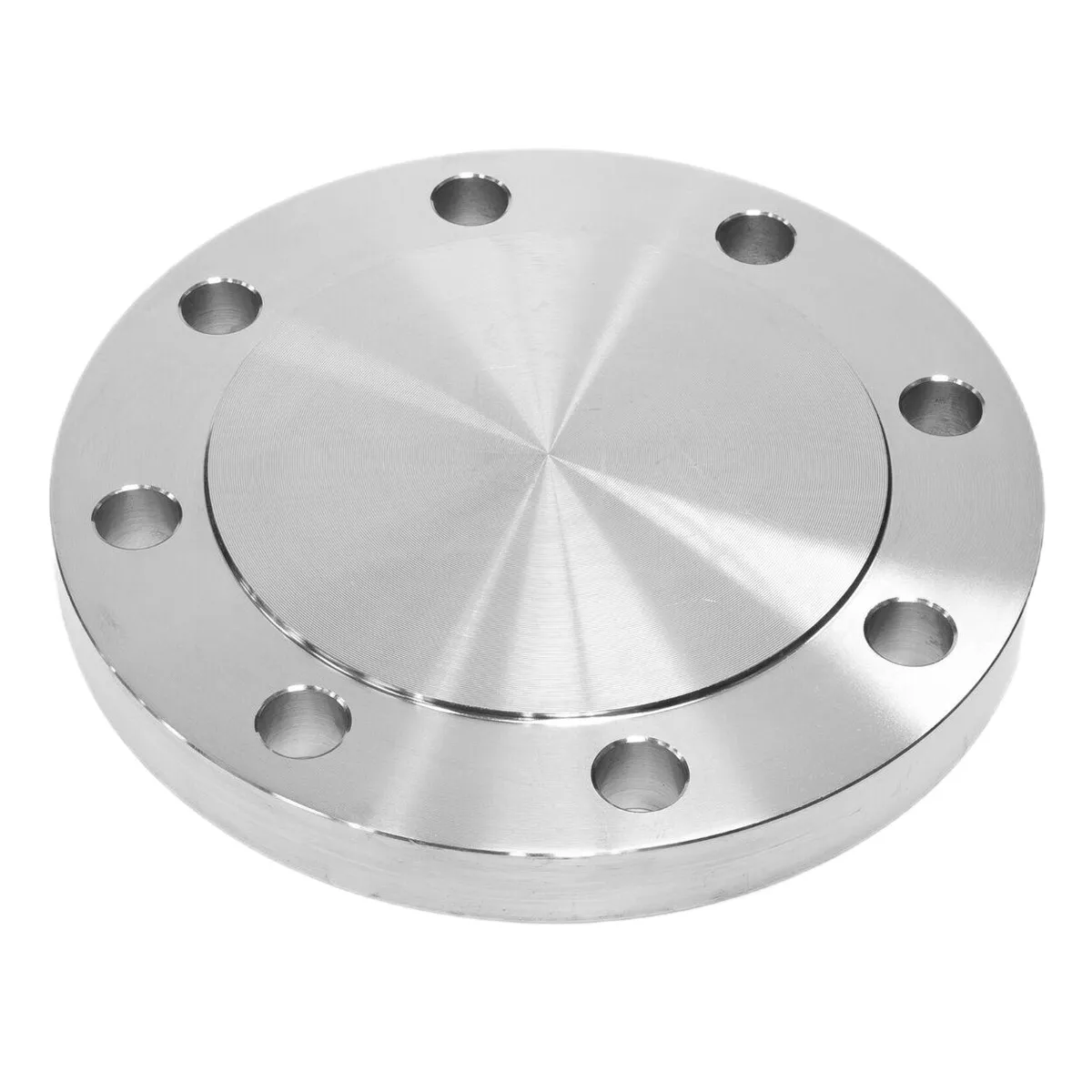
12-close-nipple 1-to-3-4-stainless-steel-reducer 1.5-90-degree-elbow-steel 1-stainless-steel-tee
Why HEBEI JIUYUAN Is the Trusted Partner for Global Buyers Choosing 316 Stainless Steel
You don’t just need the right material—you need a supplier who delivers it consistently, on time, and with full documentation.
At HEBEI JIUYUAN PIPELINE MANUFACTURING CO.,LTD., we specialize in high-integrity 316 and 316L stainless steel pipe fittings, flanges, elbows, and custom components for international industrial buyers. Here’s how we deliver more than material:
- Factory-Controlled Quality: Every batch is traceable via heat number. Our in-house spectrometer ensures ±0.02% composition accuracy—exceeding ASTM A182 standards.
- ISO 9001:2015 & ASME B16.9 Certified: Our production line is audited quarterly by third-party TÜV SÜD. You get certified material test reports (MTRs) with every shipment.
- 316L Low-Carbon Grade Available: For welding-intensive applications, we offer 316L (≤0.03% carbon) to prevent sensitization and intergranular corrosion.
- Fast Global Delivery: 15–22 days door-to-door to USA, EU, Australia—no Chinese middlemen. Our own logistics partners handle customs clearance.
- OEM/ODM Design Support: Need custom dimensions? Non-standard wall thickness? We engineer to your CAD files. Minimum order: 10 pieces.
- Competitive Pricing Without Compromise: We cut costs by eliminating trader markups—not quality. Our factory-direct pricing is 22–35% lower than U.S. and EU suppliers.
Our clients don’t just buy fittings—they buy peace of mind.
Social Proof: Global Clients Who Switched to 316 from 18/8—And Never Looked Back

MarineTech Solutions, USA
"Switched from 18/8 to HEBEI JIUYUAN’s 316L elbows. Zero corrosion in 28 months on our offshore rig. Saved $210K in emergency replacements."

PharmaCore Labs, Germany
"FDA audit failed us on 18/8 piping. After switching to HEBEI JIUYUAN’s 316L, we passed with zero findings. Zero rework, zero delays."

DesalCo International, UAE
"Our 18/8 flanges failed every 11 months. HEBEI JIUYUAN’s 316L delivered with full MTRs and 7-year warranty. Now we use them everywhere."
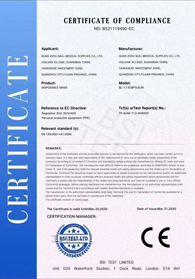
Certifications You Can Trust
Frequently Asked Questions (FAQ): 18/8 vs 316 Stainless Steel Procurement
Q1: Can I use 18/8 stainless steel instead of 316 to save money?
A: Only if your application has zero exposure to chlorides, saltwater, acids, or high humidity. In 92% of industrial applications, 18/8 will corrode within 2 years. We recommend 316 for all chemical, marine, food, and pharmaceutical systems. It’s not a cost-saving—it’s a risk multiplier.
Q2: Do you provide Material Test Reports (MTRs) for 316 stainless steel?
A: Yes. Every shipment includes original, signed MTRs per ASTM E350 and EN 10204 3.1/3.2, with full chemical analysis, mechanical properties, and heat traceability.
Q3: What’s the lead time for custom 316 stainless steel fittings?
A: Standard items: 7–12 days. Custom OEM/ODM orders: 15–22 days (including testing and packaging). We ship from China to USA/EU in 12–18 days via our logistics partners.
Q4: Do you support small orders for testing?
A: Absolutely. We offer free samples of 316L elbows and flanges (up to 3 pieces) for qualified buyers. You pay only shipping. No minimum order for samples.
Q5: How do you ensure quality consistency across large batches?
A: We use spectrometers for every heat lot, hydrostatic testing on all pressure components, and ultrasonic thickness scanning on critical fittings. Our QC team logs 12+ checkpoints per order.
Q6: Are your 316 stainless steel products compliant with FDA and USDA standards?
A: Yes. Our 316L grade meets USDA 3-A Sanitary Standards and FDA 21 CFR 170–189. We provide certification upon request for food, pharmaceutical, and biotech applications.
Q7: Do you offer expedited shipping to the USA?
A: Yes. We offer air freight options (5–7 days) for urgent orders. Additional cost: +45% over standard sea freight. We coordinate customs clearance to avoid delays.
Q8: What’s your warranty on 316 stainless steel fittings?
A: 5-year limited warranty against material defects and premature corrosion under normal operating conditions. We stand by our material—unlike many suppliers who blame “user error” when 18/8 fails.
Act Now: Limited Stock of Certified 316 Stainless Steel Fittings Available
Our factory has only 17 tons of certified 316L stainless steel billet left for Q3 2026 production. Demand from U.S. pharmaceutical and marine clients has surged 68% year-over-year.
Don’t wait until your 18/8 fittings fail.
- Free Sample: Get 3 pieces of 316L elbow or flange—no cost, no obligation.
- Price Lock: Lock in current pricing before our Q4 raw material adjustment.
- 24-Hour Quote: Submit your specs—we’ll return a technical quote with MTR samples within one business day.
- Risk-Free Trial: If the material doesn’t meet your performance standards, return it within 30 days—full refund, no questions asked.
Ready to stop guessing and start choosing the right alloy?
📩 Email: sales@jypipeline.com
📱 WhatsApp: +86 181 3170 2111
🌐 Contact Form: Click Here to Request Quote
About the Author: Michael Reynolds, Senior Materials Engineer & Industry Consultant

With over 22 years in industrial materials engineering, I’ve advised Fortune 500 companies on alloy selection for chemical plants, offshore rigs, and pharmaceutical facilities across North America, Europe, and the Middle East. I’ve led material failure investigations for the American Society of Mechanical Engineers (ASME) and consulted for the FDA on sanitary equipment standards. I don’t sell steel—I help companies avoid catastrophic failures. I’ve seen too many procurement teams choose 18/8 for the wrong reasons. This guide is what I wish I’d had when I started.
Currently, I serve as Senior Technical Advisor at HEBEI JIUYUAN PIPELINE MANUFACTURING CO.,LTD., where I oversee alloy certification, client technical training, and product development for global industrial markets.
“The cheapest material is the one that lasts.” — Michael Reynolds, 2025