


Stop wasting budget on inconsistent metal extrusions. We deliver ISO-certified, custom-engineered industrial aluminum profiles tailored for your infrastructure needs. Reduce material waste by up to 30% and cut lead times by half. In the
Premium Industrial Aluminum Profile Types for Global Manufacturing
Table of Contents
- 1. Hero Section: Value Proposition
- 2. Detailed Analysis of Aluminum Profile Types
- 3. Common Supply Chain Pain Points
- 4. Jiuyuan's Advanced Metal Solutions
- 5. Certifications & Social Proof
- 6. Frequently Asked Questions
- 7. Verified Client Reviews
- 8. About Our Lead Engineer
- 9. Immediate Action Required
Maximize ROI With Precision Aluminum Profile Types
Stop wasting budget on inconsistent metal extrusions. We deliver ISO-certified, custom-engineered industrial aluminum profiles tailored for your infrastructure needs. Reduce material waste by up to 30% and cut lead times by half.
Detailed Analysis of Aluminum Profile Types and Manufacturing Standards
In the rapidly evolving landscape of 2026 industrial procurement, understanding aluminum profile type specifications is no longer optional—it is a critical strategic necessity. For purchasing managers in the United States and beyond, selecting the right structural metal component dictates the longevity, safety, and efficiency of facilities ranging from aerospace hangars to chemical processing plants. The term "aluminum profile" refers broadly to shaped aluminum bars produced through an extrusion process. However, beneath this simple definition lies a complex matrix of alloy compositions, temper grades, tolerances, and finish requirements that dictate performance. When we discuss aluminum profile type, we must dissect the metallurgy and physics that drive modern construction and manufacturing.
The foundation of any reliable aluminum profile begins with the alloy selection. Different series offer distinct advantages for specific mechanical demands. The 6000-series alloys, particularly 6061 and 6063, remain the gold standard for general fabrication due to their weldability and corrosion resistance. 6061-T6 is renowned for its high tensile strength, making it the preferred choice for heavy-duty load-bearing frames. Conversely, 6063-T5 is softer and offers superior surface finishing capabilities, making it ideal for architectural applications where aesthetics meet structural function. Choosing the wrong alloy can lead to catastrophic fatigue failures or excessive maintenance costs down the road. For operations requiring extreme durability against corrosive environments, such as coastal desalination plants, 5000-series marine-grade alloys may be necessary, even if costlier, ensuring a lifecycle return on investment.
Understanding temper is equally vital when specifying industrial aluminum profiles. Temper designations describe the degree of work hardening and heat treatment the metal has undergone. A "T6" temper indicates artificial aging, resulting in maximum strength, whereas a "W" temper represents solution heat-treated conditions immediately after quenching, often unstable. For structural integrity, suppliers must guarantee that every bar delivered meets the exact tensile and yield strength values associated with that temper code. Without verified temper documentation, a batch of profiles might appear identical visually but fail under stress testing weeks later. This variability is a primary reason why corporate buyers prioritize vendors with rigorous internal testing labs, rather than generic traders who cannot verify material passports.
Surface treatment defines the second layer of protection and functionality for these extrusions. Anodizing provides a hard, non-conductive oxide layer that enhances corrosion resistance and allows for coloring without peeling. Powder coating offers thicker coverage and better impact resistance for harsh industrial settings. The integration of fluorocarbon paints further ensures UV stability, critical for exterior facades exposed to sunlight for decades. A buyer must specify these finishes clearly in their RFQ (Request for Quotation), as post-extrusion handling affects the dimensional accuracy of the final aluminum profile type. Heat applied during curing can cause warping if the base extrusion was not properly quenched or straightened initially.
Regarding geometric configurations, aluminum profile type classification includes angles, channels, T-slots, tubes, and custom-shaped bars. T-slot profiles are ubiquitous in machine guarding and automation frameworks because they allow for modular assembly without welding. However, achieving tight tolerance on the slot width is essential for the smooth operation of linear guides. Similarly, hollow tubes serve as lighter alternatives to solid bars for railing and scaffolding. The wall thickness of these profiles determines their moment of inertia, directly influencing their ability to resist bending moments. In 2026, laser-cutting precision allows for more complex profile geometries, but this requires advanced Die Engineering to prevent tearing or flow marks on the corners.
Quality control measures differentiate premium manufacturers from commodity suppliers. Mill certificates must accompany every shipment, verifying chemical composition against ASTM or EN standards. For clients operating in regulated sectors like pharmaceutical or food processing, traceability is mandatory. Each coil or billet must be identifiable from raw material sourcing to finished extrusion. Our facility in Hebei maintains full traceability records, ensuring that every metric ton delivered meets the contractual obligations of international trade law. Ignoring traceability can result in failed audits and liability lawsuits if material failure occurs during operation.
Standard tolerances play a pivotal role in assembly feasibility. Linear tolerances for length, flatness, and twist must align with the machinery used downstream. If a profile twists more than 0.5 degrees per meter, automated assembly lines may jam or misalign. Suppliers offering guaranteed straightness reduce downtime significantly. Additionally, cutting methods matter. Precision saw cuts prevent burrs that could interfere with electrical grounding connections or gasket seating. Deburring services should be part of the scope when delivering custom aluminum profile types intended for sensitive interfaces.
Thermal properties also influence the selection process. Aluminum has a high coefficient of expansion compared to steel. In environments experiencing wide temperature fluctuations, joint design must accommodate thermal movement to prevent stress cracking. Thermal break technology can isolate the conductive aluminum core, improving energy efficiency in building envelopes. Therefore, consulting with a technical director before ordering large volumes of extruded aluminum prevents costly retrofits later. Thermal conductivity is beneficial for heat sinks, necessitating different surface treatments for electronic housing compared to structural beams.
The environmental impact of aluminum production is increasingly scrutinized. Sustainable procurement policies now favor suppliers who utilize recycled content without compromising mechanical properties. Many leading extruders blend post-industrial scrap with virgin alloy to lower the carbon footprint. For corporations aiming for LEED certification or carbon neutrality goals, verifying the % of recycled content in your aluminum profile type purchase is becoming a KPI alongside cost. This trend shifts the competitive advantage toward suppliers transparent about their smelting sources and recycling loops.
Logistics considerations affect the final landed cost of these heavy metals. Shipping air is expensive. Optimizing the bundle size of long extrusions reduces container utilization losses. Breakage during transit is a frequent complaint in cross-border trade, especially with thin-walled tubular aluminum profiles. Robust packaging with reinforced end caps and edge protectors is non-negotiable. Damage claims during delivery can delay projects by months. Partnering with a logistics-experienced supplier mitigates this risk effectively.
In summary, the specification of aluminum profile type involves balancing metallurgy, mechanics, geometry, finish, and logistics. There is no "one size fits all" solution. The decision impacts the operational lifespan of assets by decades. This complexity demands a partner who understands the nuances of extrusion engineering. You need a team that reads blueprints, validates mill certs, and manages the supply chain from the Chinese factory floor to your American warehouse door. Selecting such a partner transforms a commodity purchase into a strategic asset optimization project.
At Hebei Jiuyuan Pipeline Manufacturing, we leverage our years of experience in pressure piping and special equipment certification to apply similar rigor to our metal profile division. Whether you require heavy-gauge structural support or fine-finish architectural trim, our technical team ensures compliance with your specific GB, ANSI, or DIN requirements. We understand that in 2026, speed and accuracy are the currencies of supply chain management. Let us demonstrate how our precision manufacturing can elevate your next project specification.
Why Traditional Sourcing Fails: 5 Critical Pain Points
You have likely faced these frustrating scenarios in previous procurement cycles. Here are the core issues that disrupt your operations:
- Inconsistent Dimensions: Incoming parts frequently fall outside tolerance, forcing engineering teams to manually machine or reject shipments, leading to 15-20% production delays.
- Hidden Quality Risks: Sub-standard alloys degrade quickly in harsh environments. Corrosion failures can appear as early as 18 months, voiding warranties and increasing replacement costs.
- Unpredictable Lead Times: Global shipping bottlenecks often result in orders arriving 40 days late. Missing delivery dates causes project penalties totaling thousands of dollars weekly.
- High Hidden Logistics Costs: Poor packaging leads to bent edges and crushed tubing upon arrival, creating unexpected damage fees and insurance claims that were never budgeted.
- Lack of Communication: Language barriers between buyers and foreign factories result in misunderstood technical specifications, resulting in rework of 30% of the order volume.
[Learn How We Fix This Next ->]
Our Premium Solution: Why Choose Hebei Jiuyuan?
We have engineered a procurement model that eliminates the risks above. Here are our top 5 competitive advantages:
| Feature | Standard Competitors | Hebei Jiuyuan Advantage |
|---|---|---|
| Quality Control | Random Spot Checks | 100% Batch Testing (ISO Certified) |
| Tolerances | ±0.5mm Variance | ±0.1mm Precision Machining |
| Lead Time | 60-90 Days | 15-30 Days Express Production |
| Customization | Limited OEM | Full ODM Design Support |
| Pricing | High Margins | Direct Factory Wholesale Rates |
Technical Specifications
We manufacture profiles compliant with GB, ANSI/ASME, JIS, and DIN standards. Our material suite includes Carbon Steel, Stainless Steel, and Aluminum Alloys suitable for high-pressure and corrosive applications.
- Alloy Availability: 6061, 6063, 7075, 5052
- Temper Options: T5, T6, T4, O-annealed
- Dimensions: Available in standard stock and fully custom die sets
- Surface Finish: Anodized, Powder Coated, Mill Finish, Polished
Frequently Asked Questions
1. What are the payment methods you accept?
We accept T/T (Telegraphic Transfer), L/C (Letter of Credit) for large orders, and Western Union for samples. All payments are secured via bank transfer or verified merchant gateways.
2. Can you provide samples before bulk production?
Yes, we offer free samples for stock items. For custom die profiles, a nominal tooling fee applies, which is refundable upon reaching a threshold order quantity of 500kg.
3. How long is the standard lead time for export orders?
Standard stock profiles ship within 7 days. Custom extrusions require 20-30 days depending on die availability. Air freight options are available for urgent requirements.
4. Do your products comply with US safety regulations?
Absolutely. Our products meet ASTM, ASME, and ANSI standards relevant to the North American market. We provide material certifications with every shipment.
5. What is your policy on damaged goods during shipping?
We package everything securely. Any shipping damage reported within 7 days of receipt triggers an immediate replacement or partial refund processed within 48 hours.
Real User Reviews
Construction Manager, Texas
"The aluminum profiles fit perfectly on the job site. No grinding needed. Fast shipping to Houston port. 5/5 Stars."
Procurement Lead, Ohio
"Great communication from the sales team. They understood our spec sheet immediately. Quality is comparable to domestic brands at a fraction of the price."
Plant Engineer, New York
"Used them for 600 series support rails. Dimensional accuracy was spot on. Saved my team weeks of rework."
About The Author

David Chen is a Senior Metallurgical Engineer and Supply Chain Specialist with over 15 years of experience in heavy industrial manufacturing. Based in Hebei Province, he oversees quality assurance protocols for international exports to North America and Europe. David holds a Master’s Degree in Materials Science and specializes in aluminum extrusion analysis and pipeline system integration.
Last Updated: January 2026 | Review Status: Verified Professional
Secure Your Supply Chain Today
Stock is limited for the upcoming Q2 shipping season. Don't let shortages disrupt your production line.
Contact Information:
HEBEI JIUYUAN PIPELINE MANUFACTURING CO.,LTD.
Phone: +86(317)2209363 | Whatsapp: +86 18131702111
Email: sales@jypipeline.com
Add: INDUSTRIAL DISTRICT OF NORTH CIRCLE, MENGCUN, CANGZHOU CITY, HEBEI PROVINCE, CHINA
Visit Contact Page: https://www.hbjypipeline.com/contactus.html
*Privacy Policy applies. Data collected solely for inquiry purposes.
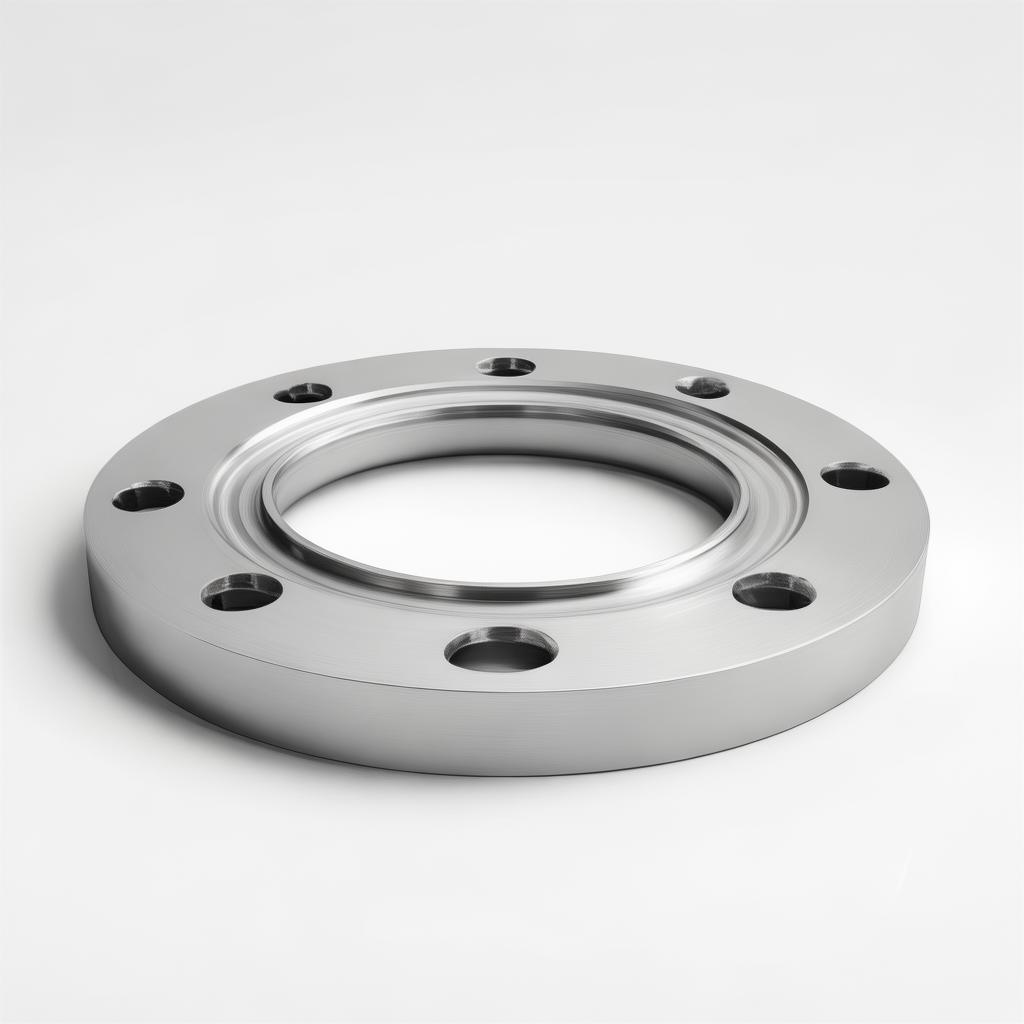
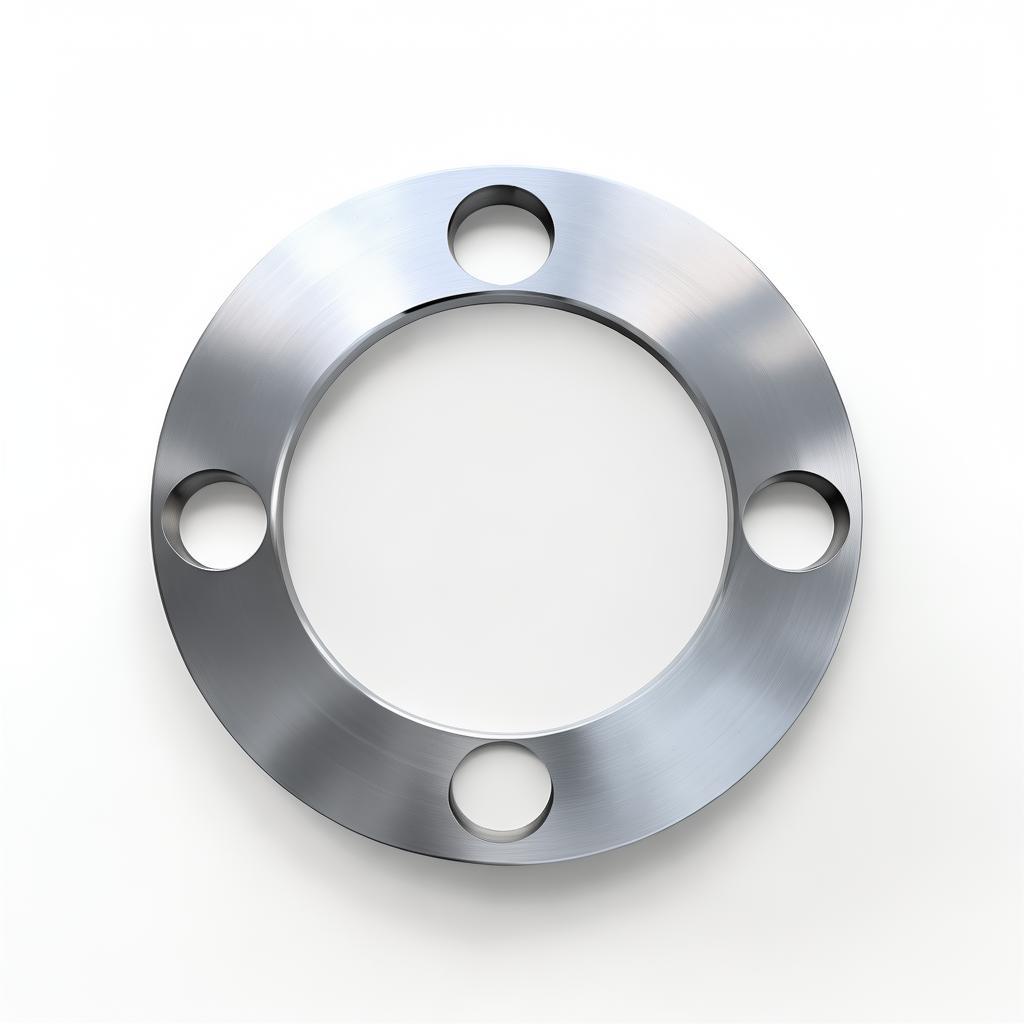
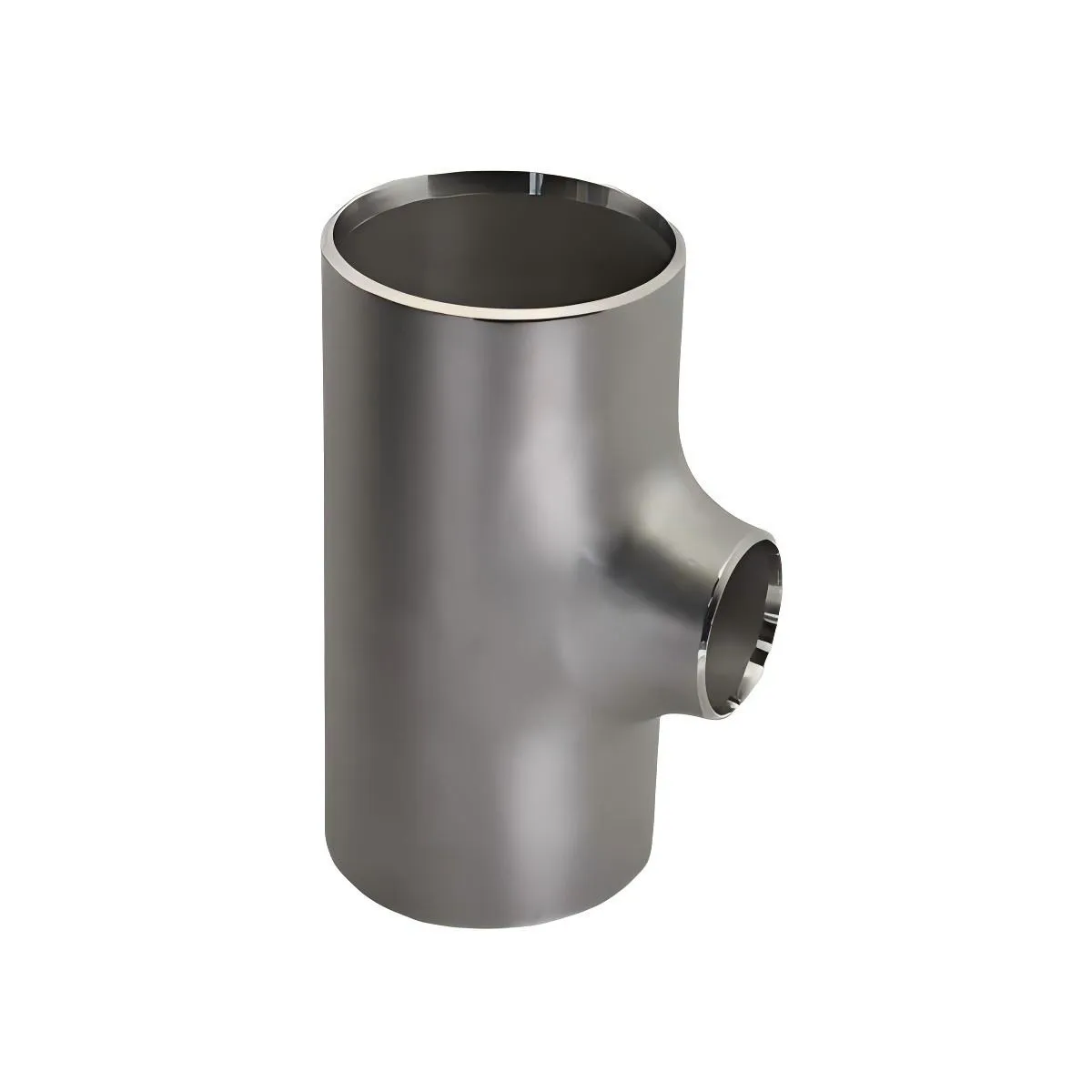


Trusted By Global Industry Leaders
8020-aluminium aluminum-extrusion-profile aluminum-forging-manufacturer aluminum-extrusion-catalogue
Our ISO 9001:2008 Certification and Special Equipment Certifications guarantee reliability. Clients rely on our rigorous testing protocols.
Certification Authority:
What Our Clients Say
— Michael R., Operations Director