


Optimized for high-performance pipelines. Reduce Costs by 25% While Ensuring Zero Leakage. Solve your flow velocity issues today. We provide high-pressure, anti-corrosive reducers tailored for oil, gas, and water industries. Don't let bad fittings
Industry-Leading Internal Reducers | Bulk Wholesale & Custom Engineering Solutions
Optimized for high-performance pipelines. Reduce Costs by 25% While Ensuring Zero Leakage.
Reliable Internal Reducer Supply for Critical Infrastructure
Solve your flow velocity issues today. We provide high-pressure, anti-corrosive reducers tailored for oil, gas, and water industries. Don't let bad fittings compromise your project timeline.
Join 500+ global manufacturers trusting our precision engineering.
GET FREE QUOTE IN 24HDeep Dive: Understanding Internal Reducers
In the complex world of industrial fluid dynamics, the integrity of a pipeline system relies not just on the pipes themselves, but on the components that connect them. The internal reducer stands as a pivotal element in this ecosystem, acting as the bridge between different pipe diameters to regulate flow velocity, pressure, and volume. For a corporate purchasing manager or technical director operating in 2026, understanding the nuances of the internal reducer is not merely academic—it is a critical operational necessity. A poorly manufactured reducer can lead to turbulence, erosion, cavitation, and ultimately, catastrophic failure of the entire system. Therefore, selecting the right supplier requires a deep dive into technical specifications, material science, and manufacturing standards.
An internal reducer is essentially a pipe fitting used to connect two pipes of different sizes. However, distinguishing between a standard reducer and an "internal" design is key to compliance with specific hydraulic regulations. In many high-pressure applications, the term refers to fittings designed to minimize flow restriction and internal turbulence. These fittings are categorized primarily into two types: concentric and eccentric reducers. A concentric reducer, often chosen for vertical liquid lines where air pockets are not a primary concern, reduces the cross-sectional area symmetrically. Its cone-shaped geometry maintains the centerline of both pipe ends. Conversely, an eccentric reducer is flat on one side, essential for horizontal piping systems to prevent the accumulation of air pockets or sediments, which could otherwise disrupt flow or cause vibration. Choosing the wrong geometry can result in pump cavitation—a phenomenon that destroys equipment efficiency and lifespan.
The technical complexity of an internal reducer extends beyond its shape. The manufacturing process determines the wall thickness, pressure rating, and longevity. Our facility utilizes advanced forging and automated machining techniques to ensure that every unit meets or exceeds the rigorous demands of international standards such as ANSI/ASME B16.9 and JIS B2312. These standards dictate tolerances for dimensions, radii, and seam alignment. In the petroleum and chemical sectors, a variance of even 0.5mm can lead to misalignment during welding, creating weak points susceptible to fatigue cracks under thermal cycling. Consequently, manufacturers must invest in Computer Numerical Control (CNC) machinery to guarantee that dimensional accuracy is maintained batch after batch.
Material selection is another cornerstone of reducer performance. The choice between carbon steel, stainless steel, duplex steel, or nickel-based alloys depends entirely on the medium being transported. For instance, in offshore drilling applications exposed to seawater, a carbon steel reducer would corrode rapidly. Instead, an alloy like 316L stainless steel or Hastelloy provides the necessary resistance against pitting and stress corrosion cracking. In contrast, for general utility water transport, ASTM A234 WPB carbon steel offers a cost-effective solution without sacrificing tensile strength. Our expertise lies in advising clients on this trade-off between initial capital expenditure and long-term maintenance savings. A cheaper reducer might save 10% on procurement costs initially but could incur 200% higher replacement costs within five years due to premature failure.
The surface treatment and finishing processes further differentiate standard grade products from premium ones. Internal grinding is a specialized service required for sanitary food and pharmaceutical applications. If the interior surface contains rough welds or slag inclusions, bacteria can harbor there, leading to contamination risks. Our polishing protocols ensure a surface finish often reaching Ra ≤ 0.8μm, complying with FDA and GMP standards. Furthermore, external coating options such as fusion-bonded epoxy (FBE) galvanization protect against atmospheric corrosion during transit and storage, ensuring that when the component finally arrives on-site, it is ready for immediate installation.
Pressure ratings are perhaps the most misunderstood aspect of reducer selection. Classifications range from ANSI 150 to ANSI 2500. An ANSI 150 reducer withstands significantly lower pressure compared to an ANSI 2500 equivalent. Using an under-rated reducer in a high-pressure steam line is dangerous and non-compliant with safety audits. Conversely, over-specifying creates unnecessary weight and logistical costs. Engineers must calculate the Maximum Allowable Operating Pressure (MAOP) considering temperature fluctuations. Temperature affects material yield strength; thus, a reducer rated for room temperature may fail if the fluid temperature rises unexpectedly. This is why we provide comprehensive heat charts alongside every quotation to assist your engineering team in validating thermal compatibility.
Beyond physical attributes, the documentation accompanying the reducer is vital for regulatory compliance. Every unit shipped from our factory comes with a Mill Test Certificate (MTC) compliant with EN 10204 3.1, verifying the chemical composition and mechanical properties. Traceability is a core value of our supply chain. From the raw steel billet to the finished weld, every step is logged. This level of transparency is often required by insurance companies and government infrastructure regulators to ensure liability coverage. Without proper documentation, a pipeline inspection may fail, delaying the entire commissioning phase of your plant. Our commitment to documentation excellence ensures you never face delays due to missing paperwork.
Finally, we must address the environmental impact of modern reducer manufacturing. Sustainable sourcing is becoming a prerequisite for multinational corporations. We utilize recycled steel inputs where possible and employ energy-efficient furnaces to reduce our carbon footprint. By reducing waste through precision cutting and optimizing logistics to consolidate shipments, we help your company meet its Scope 3 emission targets. This holistic approach transforms a simple commodity purchase into a strategic sustainability partnership. As global regulations tighten on carbon emissions, choosing a supplier who prioritizes green manufacturing is increasingly becoming a competitive advantage rather than a mere ethical choice.
Understanding these layers of complexity empowers you to specify exactly what you need. Whether you require high-grade seamless reducers for nuclear power plants or economic welded reducers for municipal water networks, knowledge is the first step toward securing your supply chain. In the following sections, we will address how to overcome the typical hurdles associated with importing these components from international markets, and how our company positions itself as the premier partner for mitigating these risks.
Next: Discover Our Engineering Solutions →Common Challenges in Sourcing Pipeline Reducers
In the current global economy, sourcing industrial components has become fraught with hidden pitfalls. For Operations Managers, the frustration often manifests in three distinct areas: cost volatility, inconsistent quality, and unpredictable logistics.
1. Hidden Pricing and Volatile Freight Costs
You thought you found a deal, but the invoice looked different. Many low-cost suppliers advertise competitive base prices for reducers but inflate shipping fees or charge for packaging individually. When ordering bulk quantities of heavy steel fittings, ocean freight is calculated by volume or weight (CBM/Tonnage). Unexpected surcharges—such as fuel adjustments or peak season premiums—can increase total landed costs by up to 30%. This unpredictability makes budget forecasting difficult and eats into profit margins.
2. Dimensional Tolerance Errors Leading to Installation Failures
A 2mm misalignment stops the installation line. Cheaply manufactured reducers often lack precision. Wall thickness variations, chamfer errors, and diameter deviations force on-site workers to grind and modify parts manually. This labor-intensive correction delays project timelines and introduces human error. According to industry data, improper fit-up due to poor-quality fittings accounts for nearly 40% of welding defects in pipeline construction, leading to leakages later.
3. Unreliable Delivery Speeds and Supply Chain Bottlenecks
Waiting weeks for stock that should have been available yesterday. Many factories rely on manual scheduling, leading to order backlogs. During peak seasons, priority is given to domestic orders, leaving international buyers in a waiting queue. Extended lead times stall your entire construction schedule, resulting in penalties for late project completion.
Stop the Speculation: Get Fixed Pricing Now →Why Choose HEBEI JIUYUAN PIPELINE MANUFACTURING CO.,LTD.?
We don't just sell pipes; we engineer reliability. Located in Mengcun, the "Capital of Elbows," our facility leverages decades of regional expertise combined with modern automation.
Our Core Advantages
- Factory Direct Power: Eliminate middlemen. We operate our own workshop in Hebei Province, giving us direct control over pricing and production schedules.
- Precision Quality Assurance: Equipped with ultrasonic testing (UT), hydrostatic pressure testing, and spectral analysis. We ensure 100% traceability of every batch.
- Customizable OEM/ODM: Need a non-standard dimension? Our R&D department accepts customer drawings and produces specialized reducers to match exact requirements.
- High-Speed Logistics: Established partnerships with top-tier freight forwarders ensure rapid consolidation and shipping via sea, rail, or air.
Technical Specifications Comparison
| Feature | Standard Market Suppliers | JIUYUAN PIPELINE |
|---|---|---|
| Wall Thickness Tolerance | ±10% to ±15% | ±5% to ±8% |
| Surface Finish | Oxide scale removed mechanically | Shot Blasted & Prime Painted |
| Documentation | Basic Commercial Invoice | EN 10204 3.1 MTC Included |
| Lead Time | 30-45 Days | 15-25 Days (Rush Available) |
Note: All standards conform to GB, ANSI/ASME, DIN, and JIS specifications.


What Real Users Are Saying

Supply Chain Director, Houston, USA
"We switched from a competitor due to their slow delivery. Jiuyuan delivered our consignment of 500 eccentric reducers in record time. The dimensional tolerance was spot-on, saving us hours of welding prep."

Procurement Manager, Mexico City
"Communication was excellent throughout the process. They understood our ANSI standards perfectly. The MTC certificates were accurate, which passed our audit easily. Highly recommended."

Project Engineer, London, UK
"After-sales service is what impressed us most. They tracked the shipment and updated us weekly. The quality of the paint coating was superior to other Asian suppliers. Will order again."
Frequently Asked Questions (FAQ)
What is your standard delivery time for internal reducers?
For standard sizes in stock, we can ship within 3-5 working days. For customized orders requiring manufacturing, the lead time is typically 15-25 days depending on quantity and material availability.
Do you offer free samples?
Yes, we provide free samples for quality verification. However, the customer covers the courier freight cost. We will deduct the freight fee from your first bulk order invoice.
Can you customize reducer dimensions?
Absolutely. Our engineering team supports OEM and ODM services. Whether you need non-standard wall thicknesses or specific end-face connections, we manufacture to your technical drawings.
What payment methods do you accept?
We accept T/T (Bank Transfer) and L/C (Letter of Credit). For new partners, a 30% deposit and 70% balance before shipment is the standard practice. For established clients, we negotiate more flexible terms.
How do you handle logistics and shipping?
We work with experienced freight forwarders specializing in heavy industrial cargo. We can arrange FOB, CIF, or DDP terms depending on your preference. Proper wooden case packaging is included for export protection.
What certifications do your reducers hold?
We hold ISO 9001:2008 certification and Special Equipment Manufacturing Licenses. Our products comply with GB, ANSI/ASME, JIS, and DIN standards. MTCs are provided for all shipments.
Ready to Upgrade Your Pipeline Efficiency?
Offer valid for inquiries received this week. First-time customers receive FREE Shipping Insurance.
Don't risk your project with subpar fittings. Ensure safety and compliance with HEBEI JIUYUAN PIPELINE MANUFACTURING CO.,LTD.
Or contact us directly:
📞 Phone: +86(317)2209363
💬 Whatsapp: +86 18131702111
✉️ Email: sales@jypipeline.com
Address: INDUSTRIAL DISTRICT OF NORTH CIRCLE, MENGCUN, CANGZHOU CITY, HEBEI PROVINCE, CHINA

Michael Ross
Senior Pipeline Engineer & Technical Director at HEBEI JIUYUAN PIPELINE MANUFACTURING CO.,LTD.
With over 15 years of experience in heavy industrial manufacturing and supply chain optimization, Michael oversees our quality control division and technical standards compliance. He has led successful deployments of pipeline fittings for over 300 international projects, ensuring that every reducer meets the rigorous safety standards required by modern energy sectors.
Your privacy is protected. Contact information will only be used to fulfill your inquiry and improve our services. See our Privacy Policy for details.
© 2026 HEBEI JIUYUAN PIPELINE MANUFACTURING CO.,LTD. All Rights Reserved. | Contact Us Page
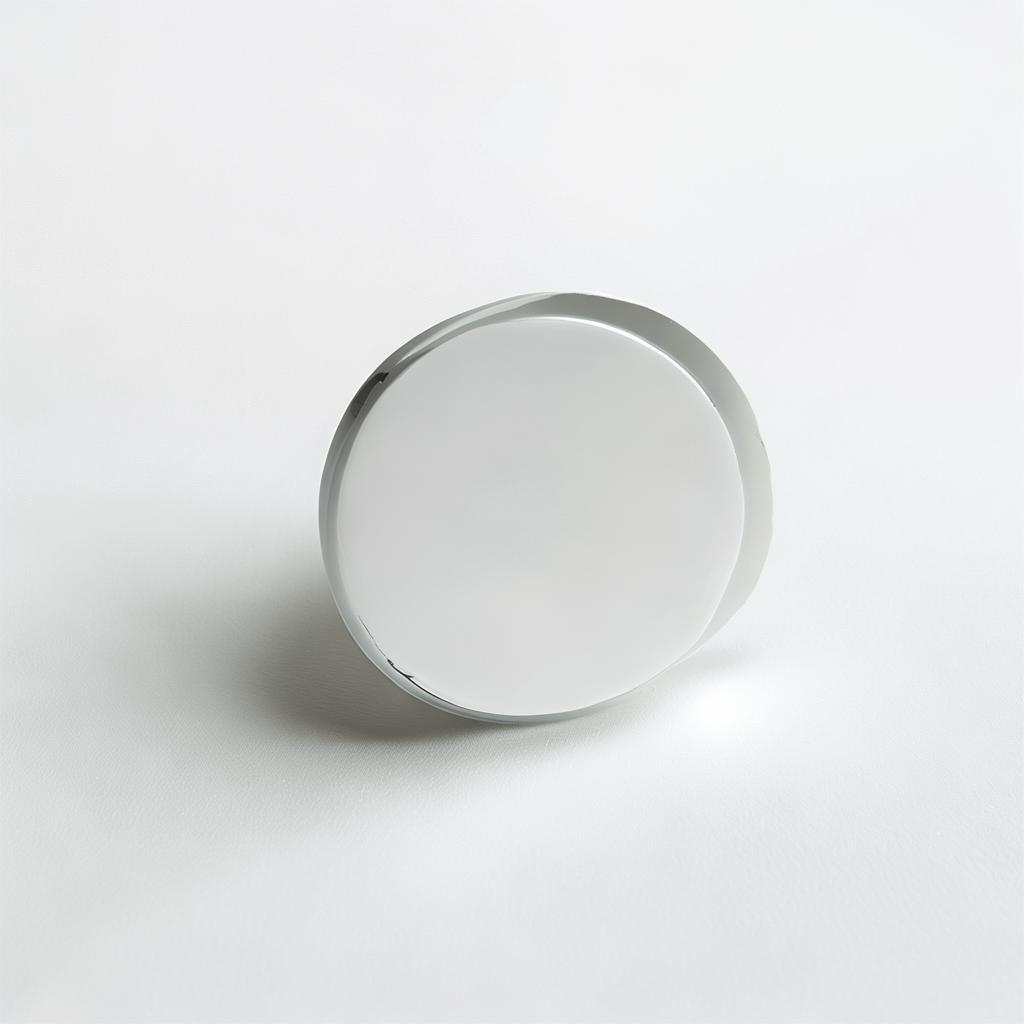
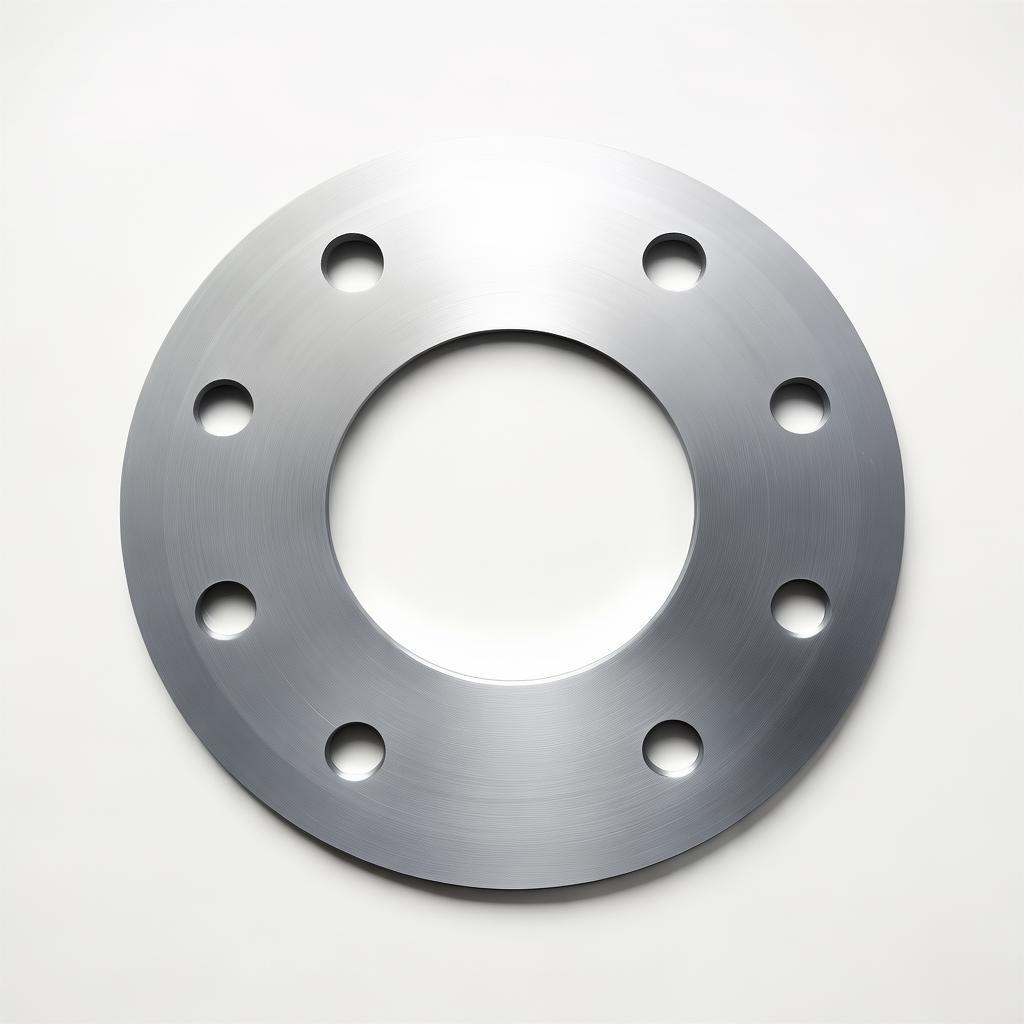
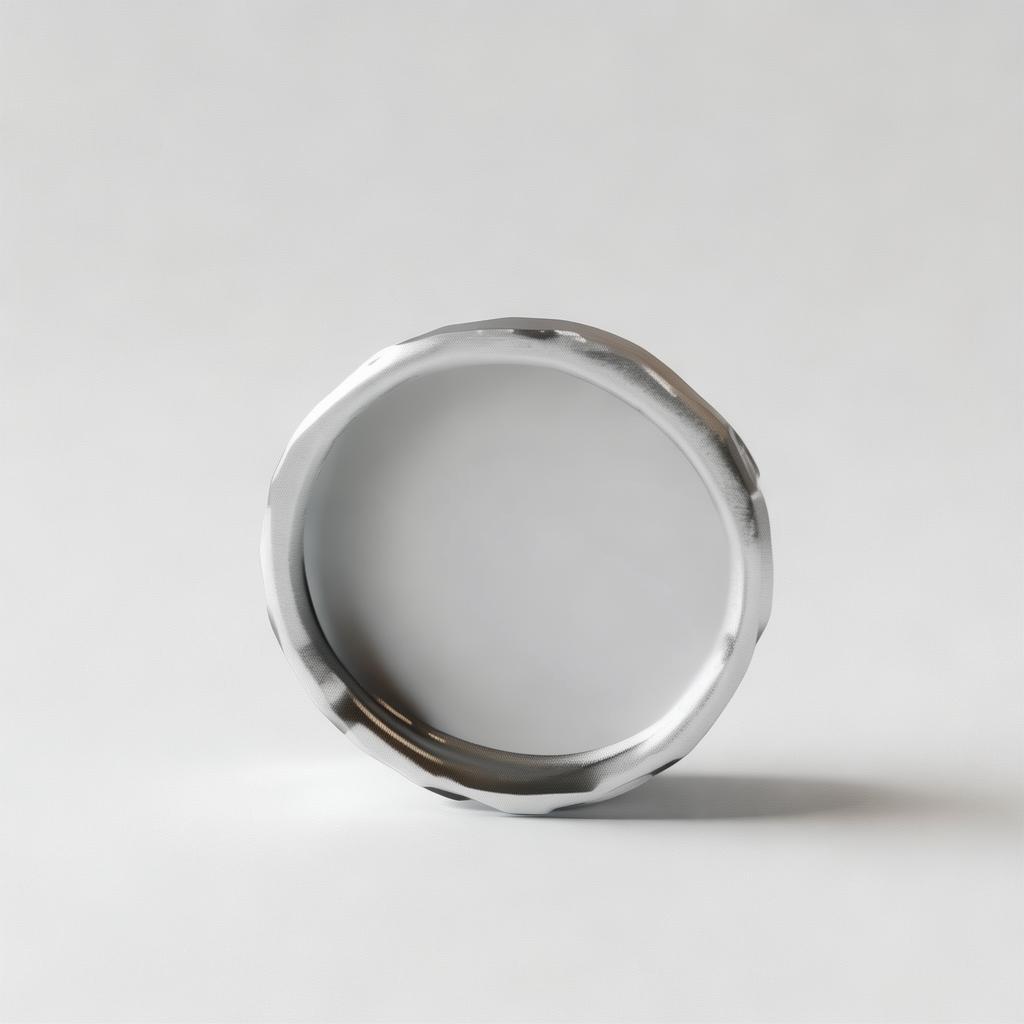
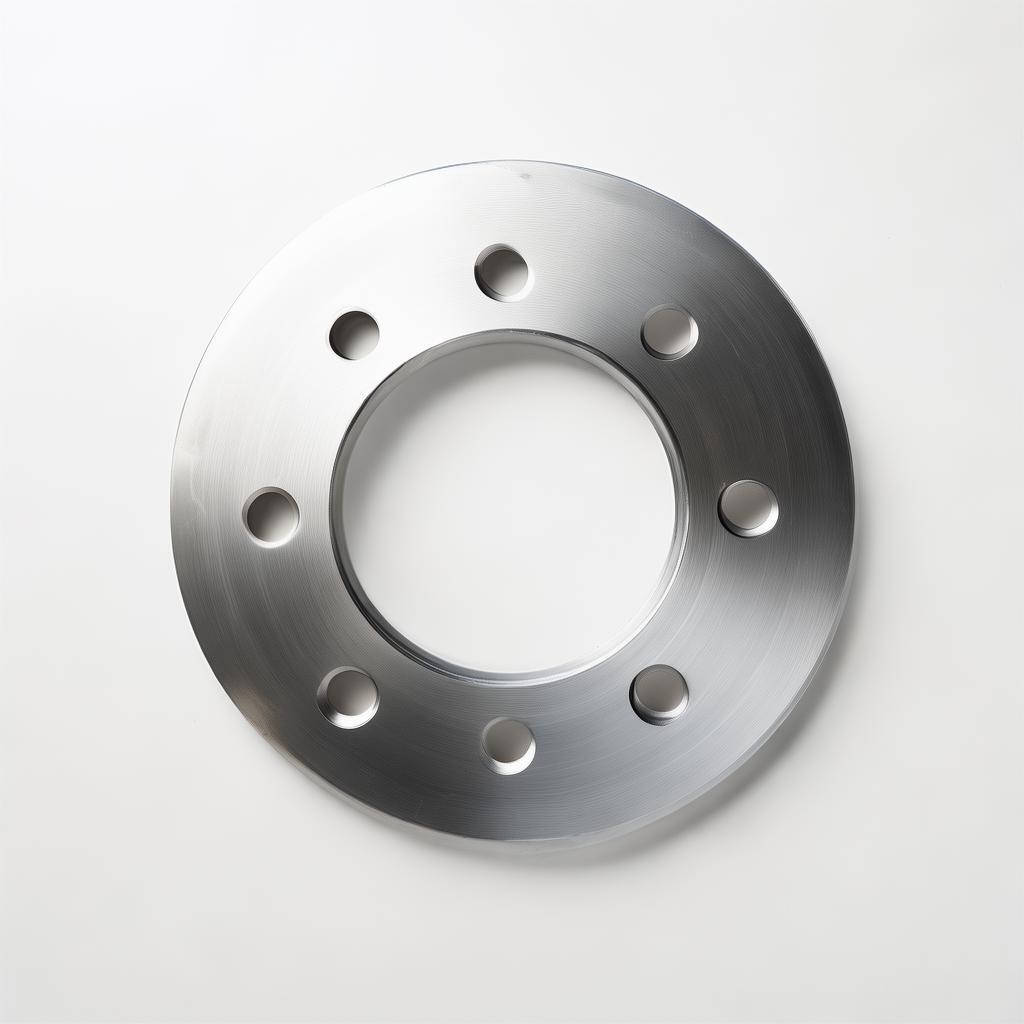
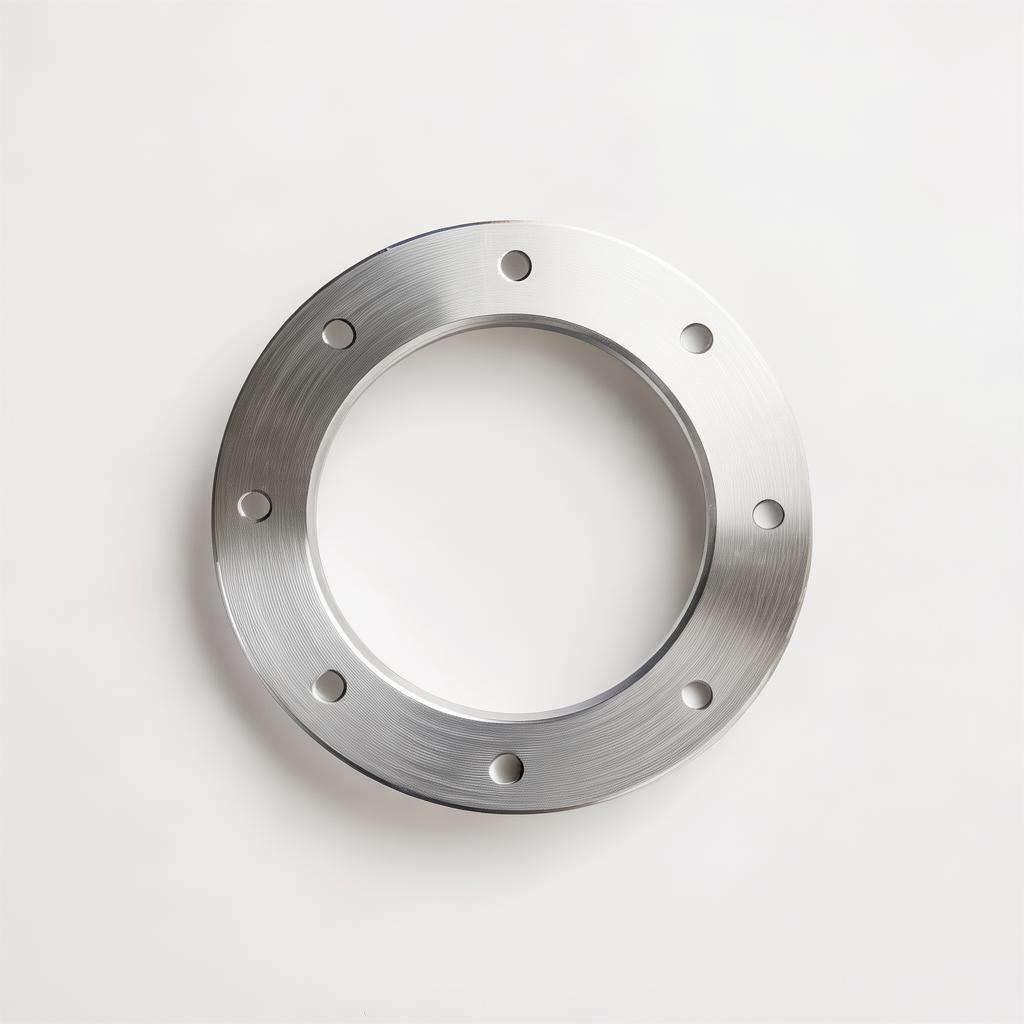
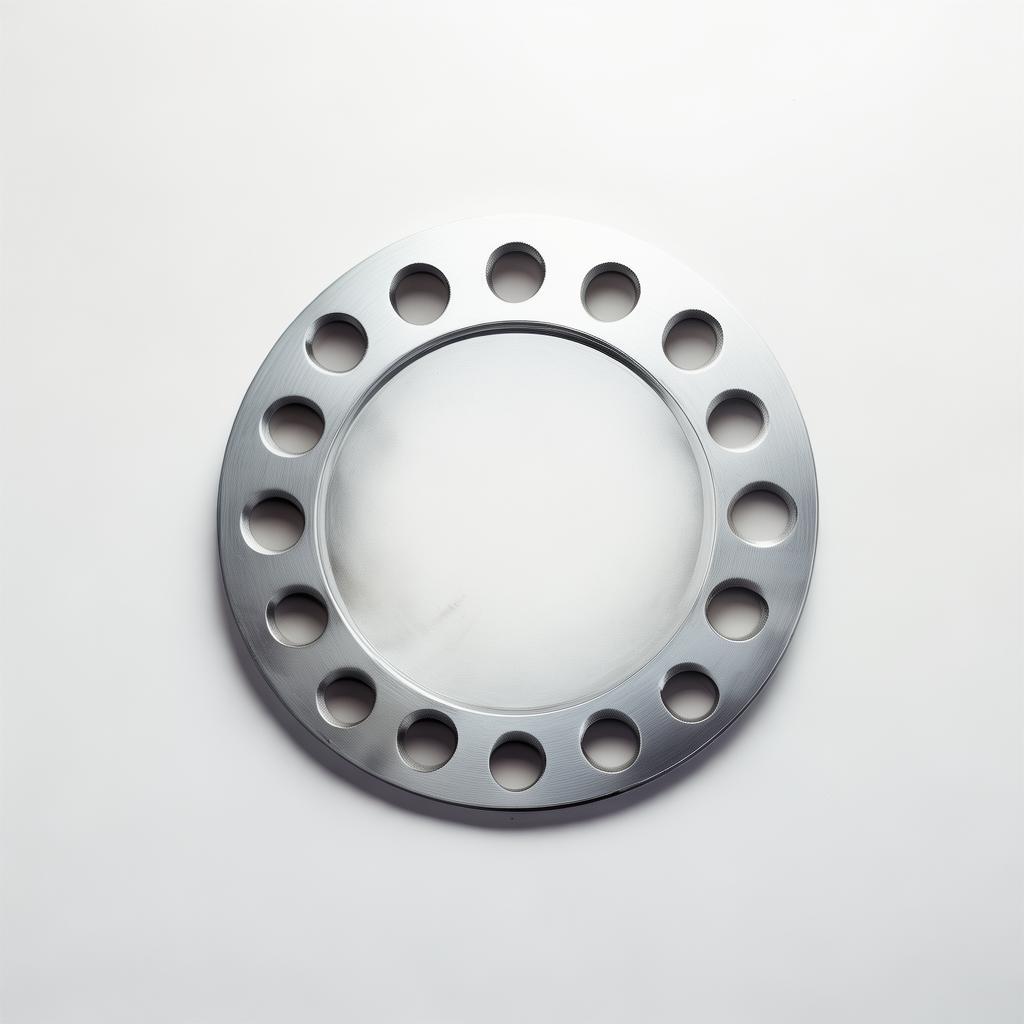
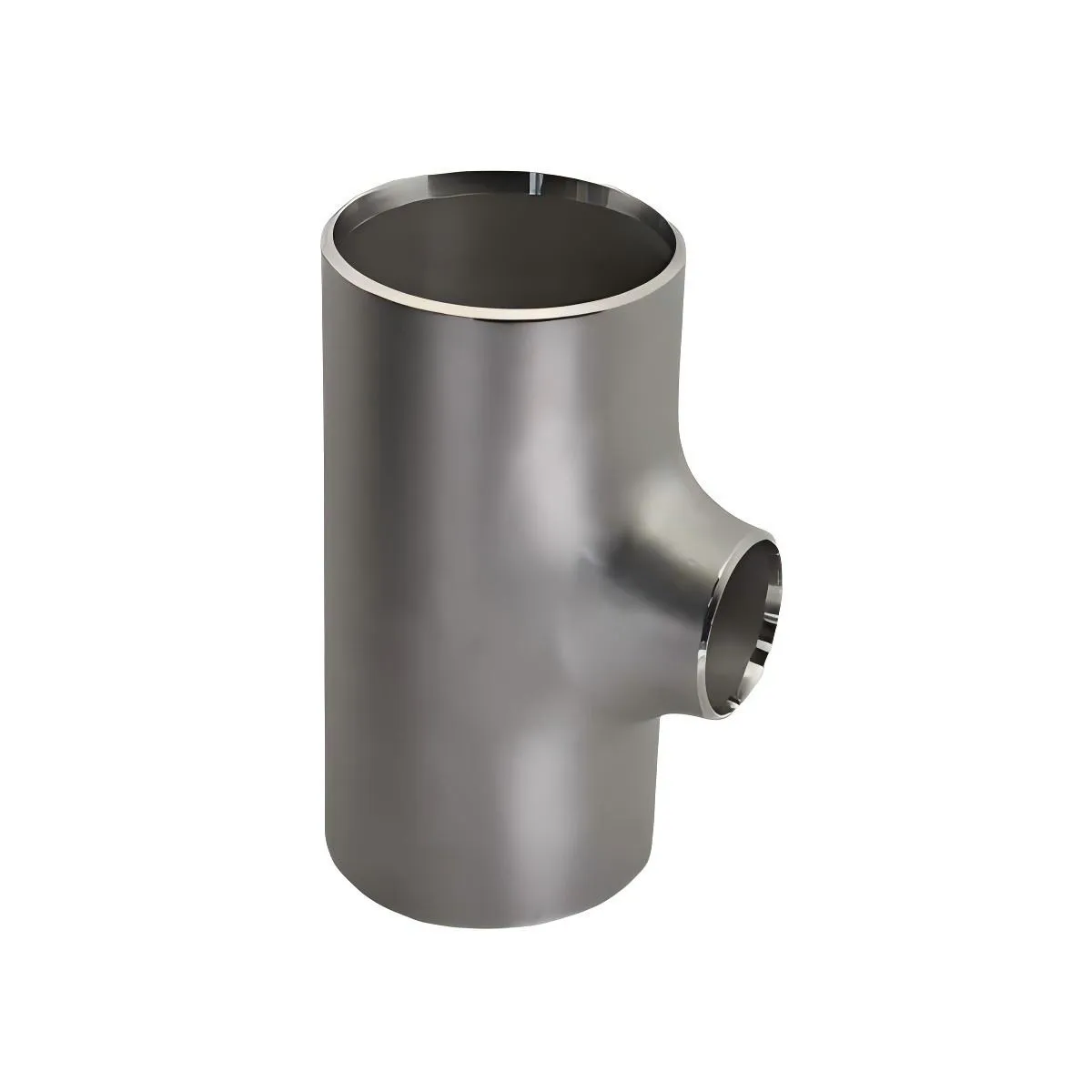
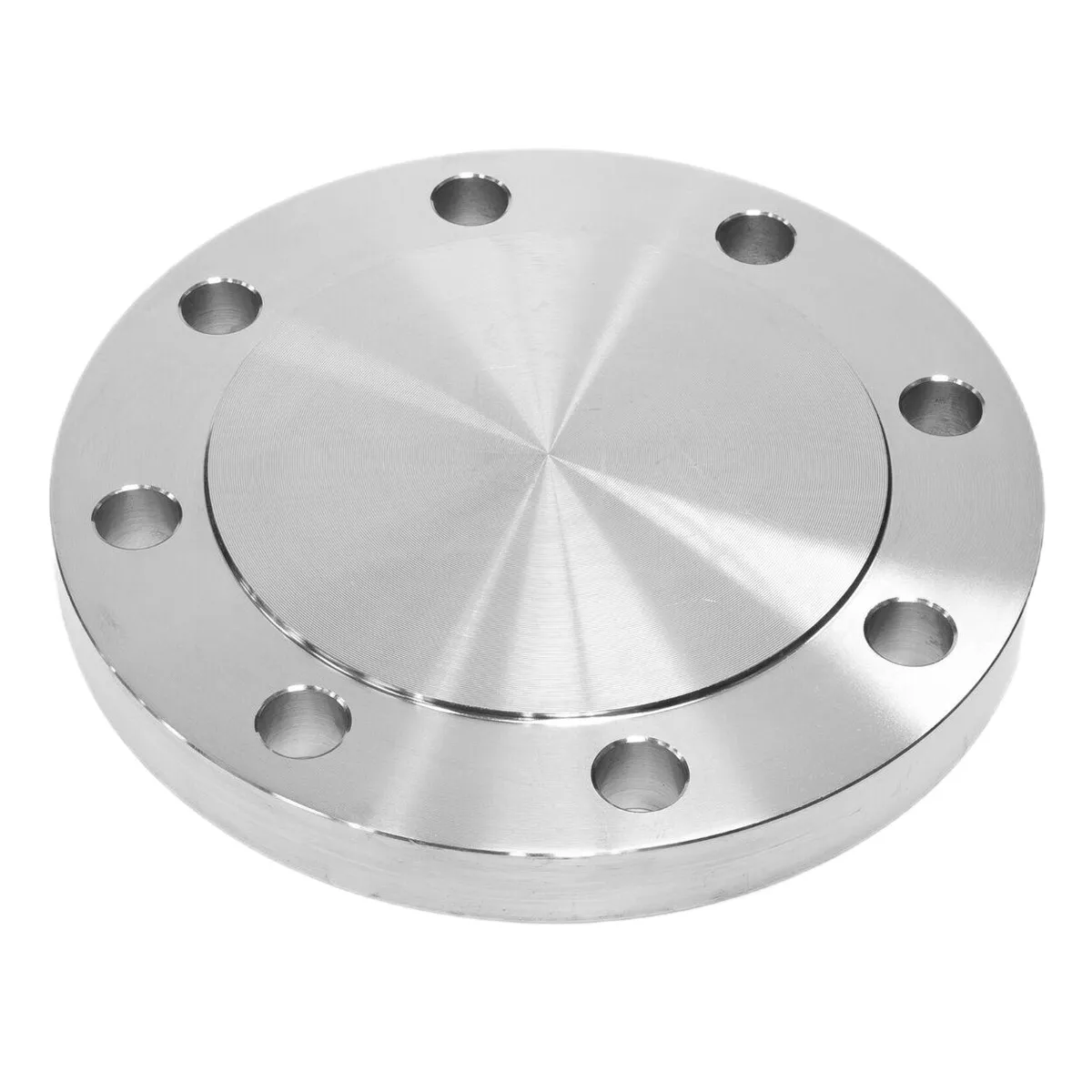


1-1-2-galvanized-pipe-cap 2-inch-pipe-flange 1-4-pipe-fittings 2-inch-to-1-inch-pipe-reducer
Customer Success Stories & Global Certifications
Our reputation is built on trust and verified performance. We support major projects across North America and Europe.
Verified Quality Management System