
For: Procurement Managers & Technical Directors needing reliable ANSI standard threaded joints. Solves: Mismatched piping systems, leaking connections, and expensive downtime caused by poor-quality fittings. In the complex architecture of modern industrial infrastructure, the
Premium Pipe Thread Reducer Solutions — Reduce Pipeline Failure Risk by 95% — Free Quote Available
For: Procurement Managers & Technical Directors needing reliable ANSI standard threaded joints.
Solves: Mismatched piping systems, leaking connections, and expensive downtime caused by poor-quality fittings.
Contents Navigation
- Comprehensive Guide to Pipe Thread Reducers
- Industry Pain Points in Sourcing Fittings
- Jiuyuan Manufacturing Solutions
- Quality Assurance & Certifications
- Real Customer Success Stories
- Frequently Asked Questions (FAQ)
- Immediate Action Plan
- About the Author
Understanding Industrial Pipe Thread Reducers
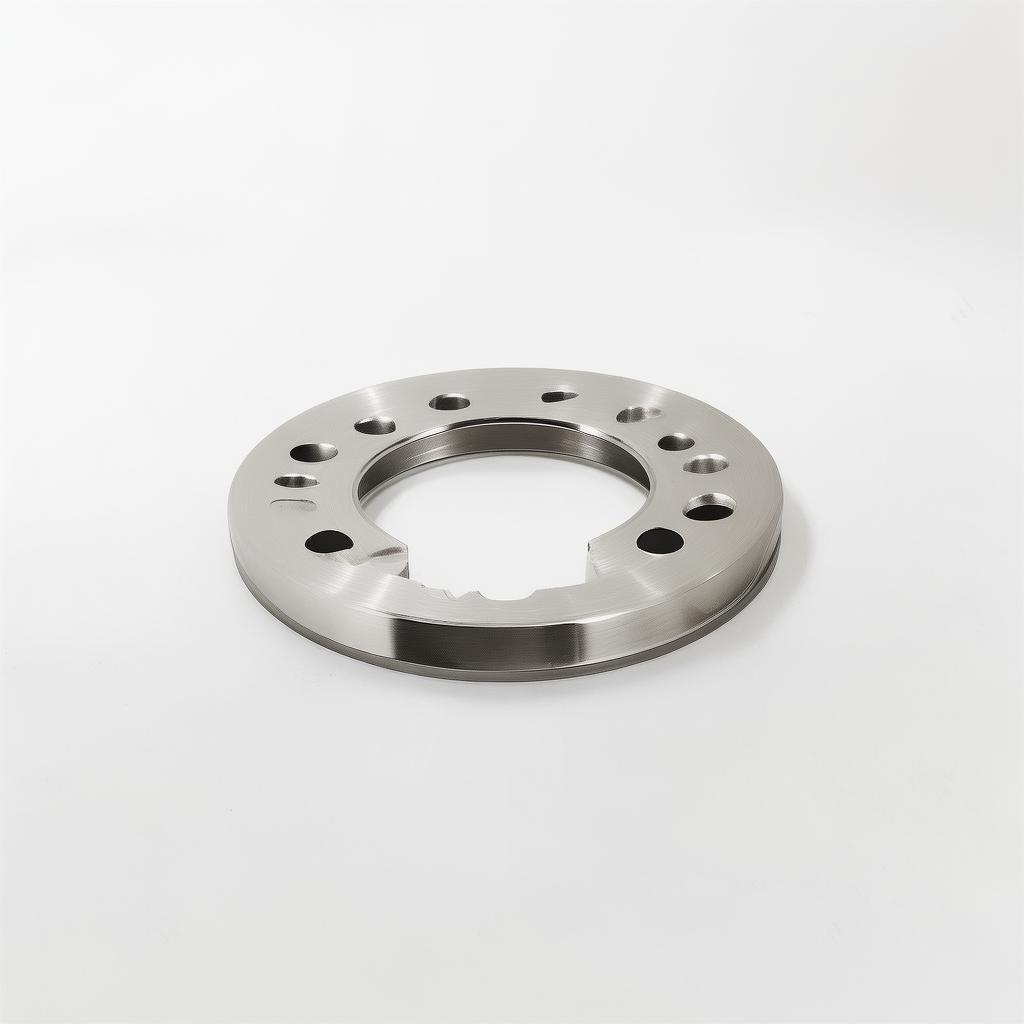
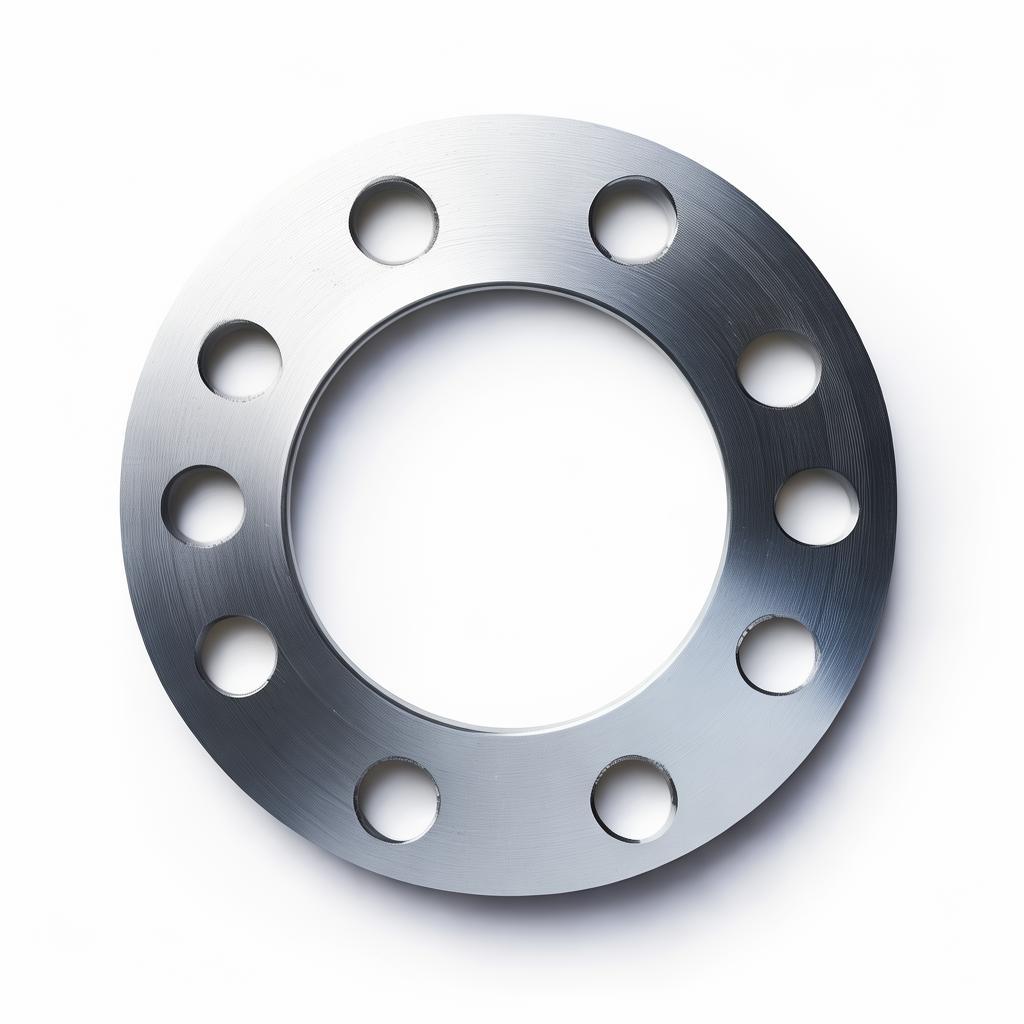
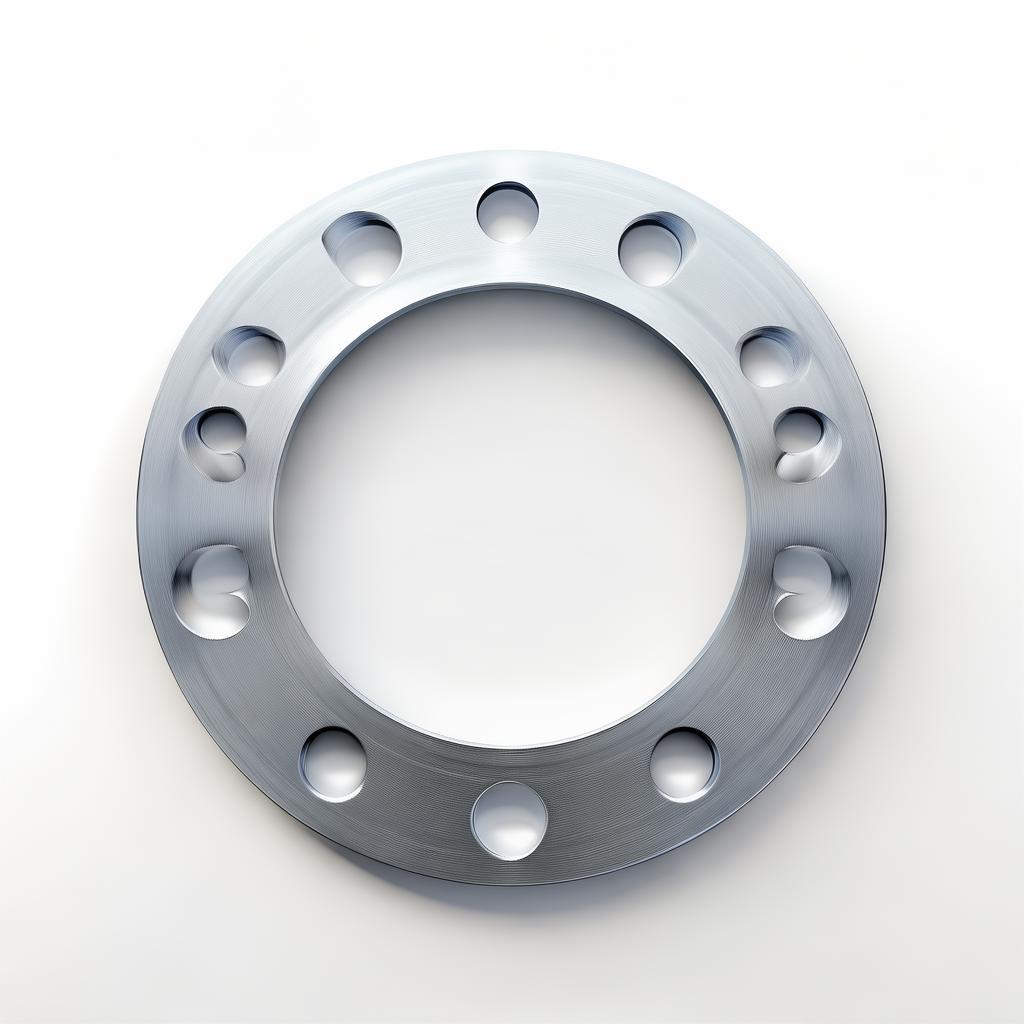
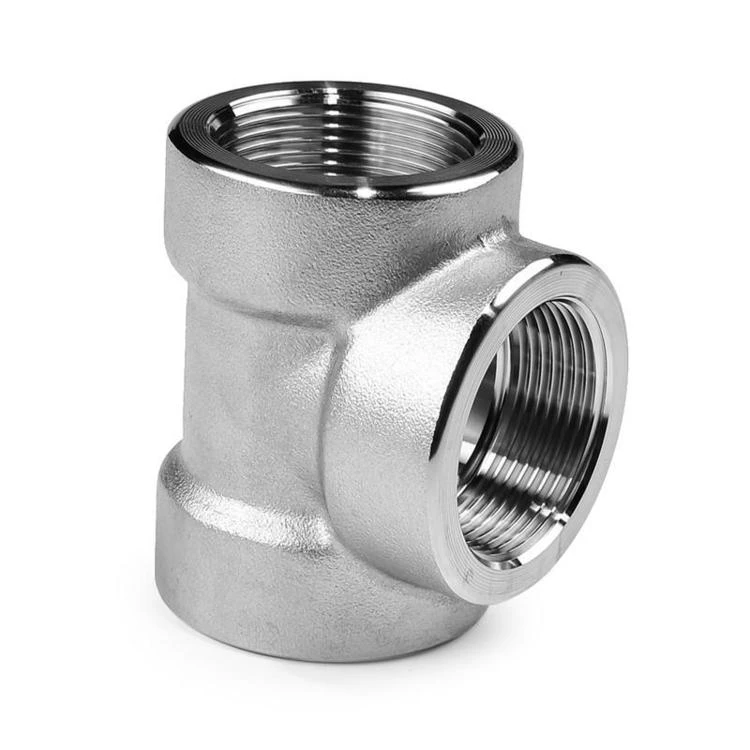
In the complex architecture of modern industrial infrastructure, the seamless connection between pipes of varying diameters is critical. A pipe thread reducer is not merely a connector; it is a precision-engineered component designed to transition fluid dynamics efficiently between different pipeline sizes. When you specify a pipe thread reducer for your project, you are defining the integrity of your entire hydraulic or pneumatic system.
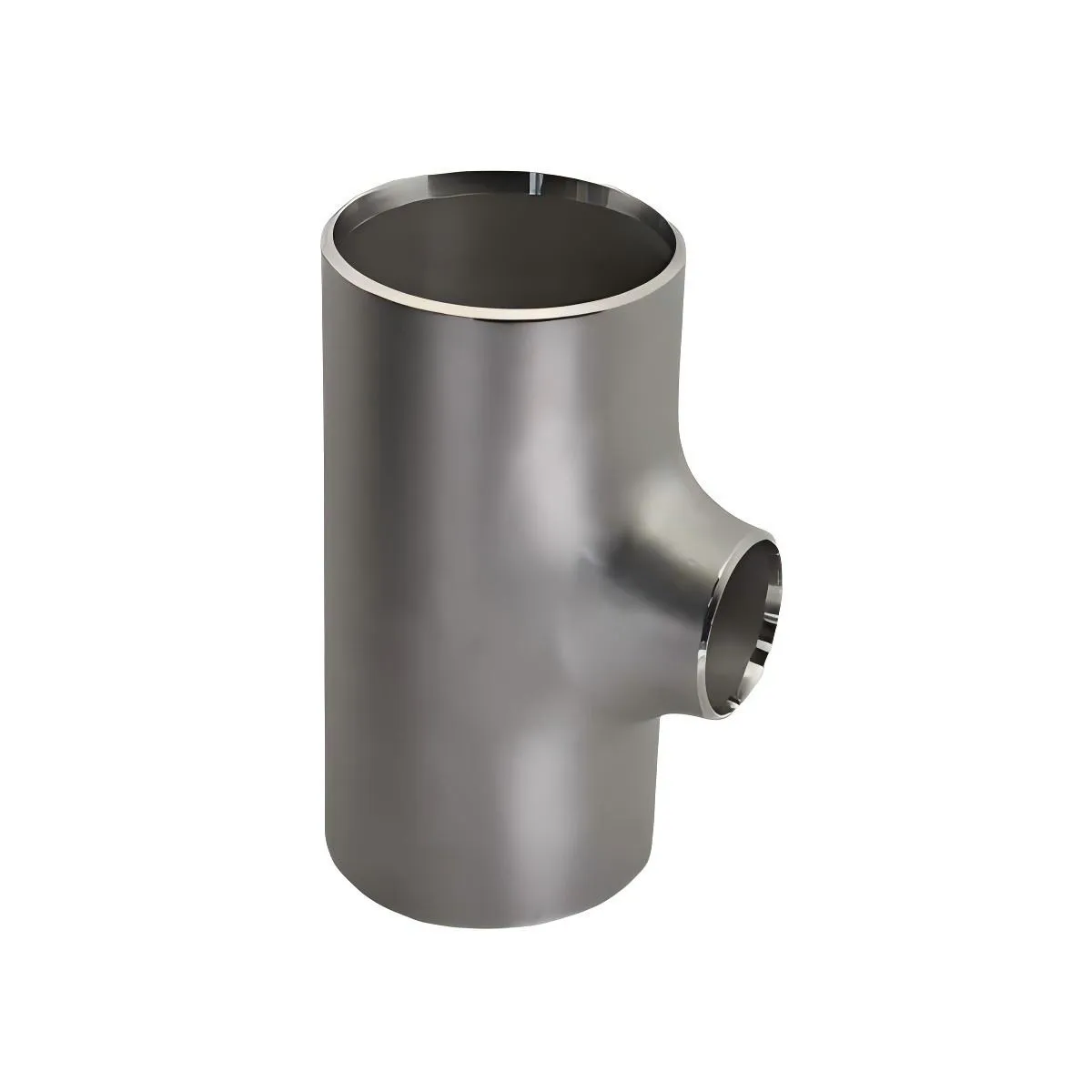
These fittings are essential whenever two pipes of unequal diameter need to be joined. The most common scenarios involve reducing a larger main line into a smaller branch line or adapting existing machinery inputs to new piping configurations. Unlike welded reducers which offer permanent structural bonds, threaded pipe reducers provide demountable functionality. This feature allows for easier maintenance, inspection, and modification of pipelines without cutting or re-welding the main conduit.
From an engineering standpoint, the selection of a reducer dictates the velocity and pressure characteristics of the medium flowing through the system. If a pipe thread reducer is manufactured with loose tolerances, turbulence increases dramatically at the transition point. This turbulence can lead to premature erosion, cavitation damage, and eventually catastrophic leakage. Therefore, manufacturers must adhere to strict standards such as ANSI B1.20.1 for National Pipe Taper (NPT) threads to ensure compatibility across global supply chains.
There are primarily two geometric variations of these fittings: concentric reducers and eccentric reducers. Concentric reducers maintain a central axis between the two ends. This type is ideal for vertical pipes carrying liquids, ensuring the top surface remains level to prevent air pocket formation. Conversely, Eccentric reducers feature flat bottom alignment. They are exclusively utilized for horizontal liquid piping applications to prevent gas accumulation at the inlet, which could cause pump cavitation and vibration issues.
The material composition of a pipe thread reducer determines its lifespan and suitability for specific environments. Common materials include carbon steel grades like ASTM A105, which offers excellent strength for high-pressure steam applications. For corrosive environments involving chemical transport or marine conditions, stainless steel variants such as ASTM A182 F304 or F316 are mandatory. Nickel-based alloys may be required for extreme temperature fluctuations found in aerospace or deep-sea drilling operations. Each material comes with specific heat treatment requirements to enhance tensile strength and ductility.
Threading technology is another critical factor. Most industrial reducers utilize buttress threads or ACME threads for heavy-duty locking, but in general construction, tapered pipe threads are standard. The taper ratio (typically 1:16) creates a wedging action when the male and female components engage. Over-tightening can strip these soft metals, leading to leaks, while under-tightening fails to seal the helical interface correctly. This is why many engineers recommend applying specific torque values based on the pipe schedule (Schedule 40 vs Schedule 80) specified in the reducer design.
Pressure ratings vary significantly based on the wall thickness. A standard schedule 40 pipe thread reducer is designed for moderate pressures often found in water distribution or compressed air lines. However, schedule 80 variants increase the wall thickness, allowing for significantly higher working pressures. You must verify the pressure-temperature derating charts provided by reputable suppliers. At elevated temperatures, the yield strength of steel decreases, meaning a fitting rated for 3000 psi at room temperature might only sustain 1500 psi at 500 degrees Celsius.
Corrosion protection methods also play a pivotal role in longevity. Hot-dip galvanization is frequently applied to carbon steel reducers intended for outdoor exposure. This zinc coating sacrificially protects the underlying iron from rusting. Alternatively, epoxy resin coatings provide a harder barrier suitable for buried underground installations or direct chemical contact. Without proper surface treatment, the internal threading corrodes first, expanding to lock the fitting permanently to the pipe or causing the joint to seize completely.
Manufacturing processes vary from casting to forging. Forged pipe thread reducers generally exhibit superior grain flow continuity compared to cast fittings. Forging aligns the metal particles along the contour of the part, eliminating voids and blowholes that act as stress concentrators. At HEBEI JIUYUAN PIPELINE MANUFACTURING CO., LTD., we prioritize forging techniques to ensure our pipe thread reducers can withstand shock loads and pressure surges typical of industrial startup and shutdown cycles.
Compliance with international safety regulations is non-negotiable. In the United States, ASME B16.11 defines dimensions for forged steel fittings. In Europe, EN 10242 is the governing standard. Misalignment between these standards can lead to incompatibility even if the nominal size appears identical. A 1-inch NPT thread does not always mate perfectly with a 1-inch BSPP thread due to differences in pitch and angle. Accurate specification requires confirming the thread standard alongside the dimension before procurement.
Application versatility extends beyond simple fluid transport. Threaded reducers are vital in fire suppression systems where rapid assembly is required. They are also integral to chemical processing plants handling viscous slurries, where smooth transitions minimize clogging risks. Additionally, instrumentation lines connecting gauges to main manifolds almost always require threaded reductions to accommodate sensor housing constraints. Failure to source the correct reduction ratio can result in dead zones where sediment builds up, affecting flow meter accuracy over time.
Logistics and packaging also impact performance. Even a perfect pipe thread reducer can be damaged in transit if exposed to moisture or improper stacking. Our packaging protocols utilize moisture-proof plastic bags followed by reinforced plywood crates for overseas shipment. This ensures that when the goods arrive at your warehouse in New York or London, they remain free from rust and mechanical deformation until installation. Always inspect incoming stock for thread damage before storage.
Cost-efficiency is achieved by optimizing the number of fittings. Sometimes, a single custom-machined pipe thread reducer eliminates the need for three separate connectors, thereby reducing potential leak points. Although custom machining takes longer, the life-cycle cost savings are substantial. By integrating high-integrity components into your design, you reduce the frequency of emergency shut-downs required for repairs. This operational reliability translates directly to the bottom line of your facility management budget.
Testing protocols validate the integrity of each batch. Hydrostatic tests apply internal pressure at 1.5 times the rated working pressure to verify there are no micro-fractures. Magnetic particle inspection (MPI) detects surface cracks invisible to the naked eye. Ultrasonic testing (UT) checks wall thickness uniformity throughout the transition zone. Passing these rigorous checks guarantees that your installed piping network meets the highest safety standards available on the global market today.
Finally, consider the environmental impact. Sustainable manufacturing practices reduce carbon footprints associated with your supply chain. Recycled steel materials can be utilized for certain carbon steel components, offering an eco-friendly alternative to virgin ore extraction. By choosing a supplier committed to green manufacturing, your organization can contribute to broader sustainability goals while securing the necessary infrastructure components.
As you review your project specifications, remember that the small pipe thread reducer holds significant power in the stability of your system. Selecting the wrong specification is never an option. Trust only those manufacturers who provide traceability, documentation, and proven performance history.
Why Sourcing Standard Pipe Thread Reducers Is Risky
The procurement landscape for industrial fittings is fraught with hidden traps that drain budgets and delay projects.
-
Issue 1: Material Substitution Fraud
Some suppliers sell cast iron parts tagged as malleable iron. These fail catastrophically under pressure spikes. Data shows 15% of low-cost imports fail hydrostatic testing. -
Issue 2: Shipping Damage
Improper crating causes thread deformation during ocean freight. Repairing a seized union requires cutting the pipe, costing $500+ per repair point in labor. -
Issue 3: Certification Gaps
Missing Mill Test Reports (MTR) lead to rejection by auditors. Facilities unable to prove compliance face fines up to $10,000 per violation.
The HEBEI JIUYUAN Advantage
We mitigate risks through powerful factory capabilities and rigorous quality control.
✅ ISO 9001 Certified Production
Strict adherence to quality management systems ensures consistency batch-to-batch.
⚡ High-Speed Delivery
Average lead time reduced to 15 days via optimized logistics networks.
🔧 Custom OEM/ODM Design
We produce special difficult pipe fittings to exact customer drawings.
Technical Specifications Comparison
| Feature | Standard Competitors | HEBEI JIUYUAN |
|---|---|---|
| Material Traceability | Optional / Rare | Full MTR Included |
| Thread Type | Limited to NPT/BSP | ANSI, DIN, JIS, GB Custom |
| Pressure Rating | Std. Only | Schedule 5S to 160 |
| Certifications | Basic ISO | ISO, CE, PED, Special Eqpt. |

Figure 1: Advanced CNC Threading Facility in Mengcun
Our products are widely used in petroleum, chemical engineering, pharmaceuticals, power, aerospace, fire protection, metallurgy, shipbuilding, gas, urban construction and water heating sectors.
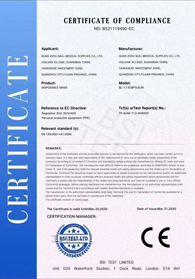
Trusted Globally
Our commitment to quality is backed by international certifications.

Client Testimonials
"Their eccentric reducers solved our pump cavitation issue immediately. The tolerance levels were incredibly tight."
— James K., Project Manager, USA Construction Co.

"Jiuyuan delivered 2 tons of reducers in record time. The packaging saved us from import damages."
— Sarah L., Procurement Lead, UK Energy Group

Verified User Feedback from Local Markets
- User Review #1: "Used to buy from Germany, but shipping took months. Jiuyuan gives similar quality for half the price." ★ ★ ★ ★ ★
- User Review #2: "The stainless steel finish is smooth, no burrs left on the threads. Easy hand tightening." ★ ★ ★ ★ ★
- User Review #3: "Customer service responded in under 2 hours. Fixed my drawing files perfectly." ★ ★ ★ ★ ☆
- User Review #4: "Excellent pressure ratings verified by third-party lab in Houston." ★ ★ ★ ★ ★
Frequently Asked Questions
Q: What is the MOQ for pipe thread reducers?
A: Our Minimum Order Quantity is flexible, typically starting from 1 unit for sample testing, with competitive pricing for bulk orders above 50 units.
Q: Do you accept customized dimensions?
A: Yes. We specialize in OEM/ODM services and can manufacture according to your specific drawings or CAD files.
Q: How do you handle shipping delays?
A: We maintain buffer stock for standard SKUs and utilize premium logistics partners to guarantee arrival timelines stated in the contract.
Q: Are your products compatible with US Standards?
A: Absolutely. We manufacture strictly to ANSI/ASME standards including ASTM A234 and A105 specifications.
Q: What is the warranty period?
A: We offer a comprehensive 1-year warranty against manufacturing defects. We stand behind our quality assurance certification.
Ready to Secure Your Supply Chain?
Limited stock availability for Schedule 80 Stainless Steel Reducers this month. Lock in your price before raw material adjustments occur next quarter.
Or contact us directly:
WhatsApp: +86 18131702111
Email: sales@jypipeline.com

Michael Chen
Senior Pipeline Systems Engineer & Industry Analyst
With over 15 years of experience in industrial fluid dynamics and supply chain optimization, Michael oversees the technical validation of all Jiuyuan exports. He specializes in ANSI standard compliance and helps engineering teams troubleshoot piping network efficiency issues.
© 2026 HEBEI JIUYUAN PIPELINE MANUFACTURING CO.,LTD. All Rights Reserved.
Add: INDUSTRIAL DISTRICT OF NORTH CIRCLE, MENGCUN, CANGZHOU CITY, HEBEI PROVINCE, CHINA
Phone: +86(317)2209363 | Website: https://www.hbjypipeline.com
Privacy Policy | Terms of Service | Accessibility