


Eliminate leakage risks and optimize your pipeline integrity with certified industrial-grade closures designed for high-pressure environments. We solve the problem of substandard fittings causing downtime and safety hazards. Trusted by Engineers Across USA, Europe,
Premium Pipe Tubing End Cap Solutions for Industrial Safety & Efficiency
Eliminate leakage risks and optimize your pipeline integrity with certified industrial-grade closures designed for high-pressure environments. We solve the problem of substandard fittings causing downtime and safety hazards.
 ISO 9001 Certified Manufacturer
Trusted by Engineers Across USA, Europe, and the Middle East since 2008.
Contents
Comprehensive Guide to Pipe Tubing End Cap Technology & Application Standards
In the complex landscape of modern industrial infrastructure, the reliability of a pipeline system is only as strong as its weakest component. While much attention is paid to valves, flanges, and main piping, the humble pipe tubing end cap serves as a critical safeguard against catastrophic failure. A mismanaged or substandard end cap can lead to fluid leaks, contamination of the environment, loss of production pressure, and severe safety liabilities. At Hebei Jiuyuan Pipeline Manufacturing Co., Ltd., we understand that the decision-making process for purchasing these components involves rigorous scrutiny regarding material science, mechanical tolerance, and compliance with international standards such as ASME, ANSI, DIN, and GB.
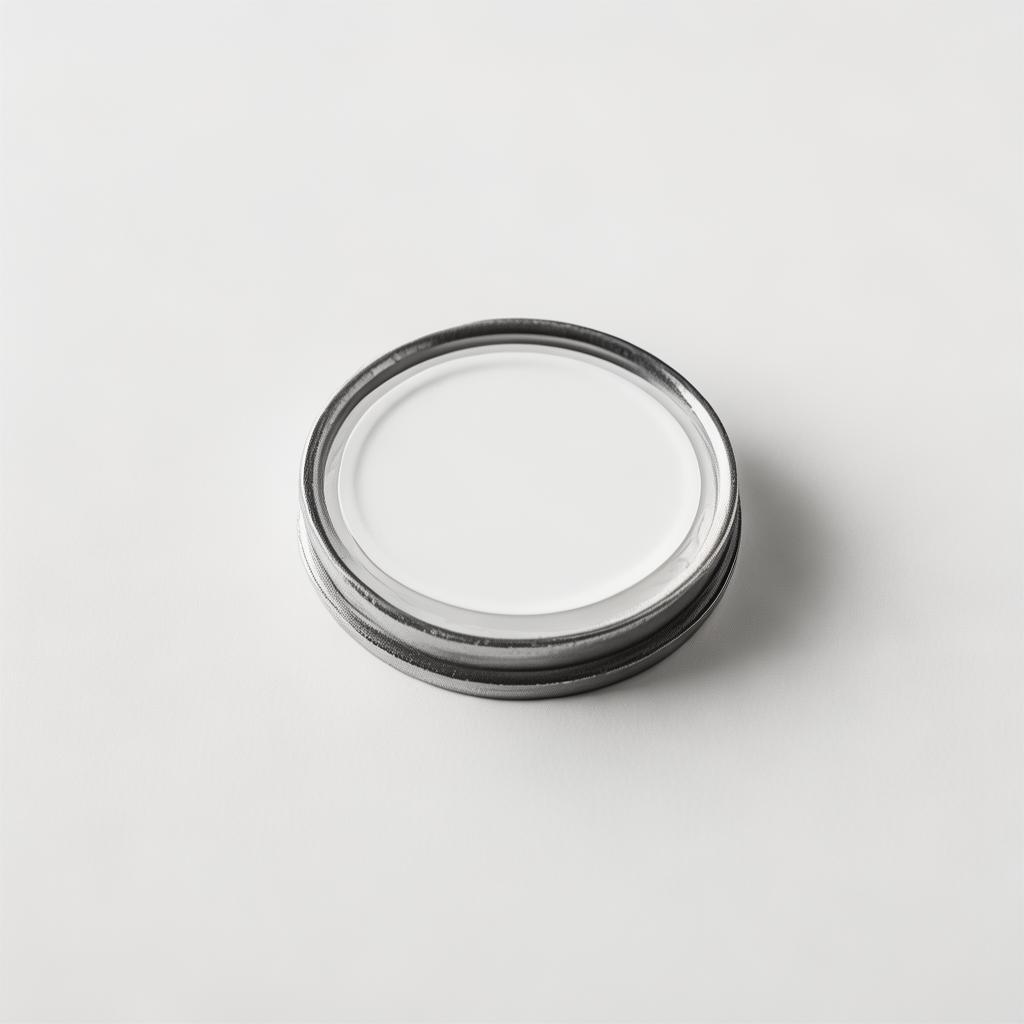
The pipe tubing end cap is an essential fitting used to terminate the end of a pipe or tubing assembly. Its primary function is to seal the end, preventing flow through the pipe. However, its role extends far beyond simple closure. In high-pressure systems, such as those found in oil & gas extraction or petrochemical processing, these caps must withstand immense internal stress without deforming, cracking, or leaking. Furthermore, they play a pivotal role in hydrostatic testing phases, temporary plant shutdowns, and future maintenance isolation protocols. Therefore, understanding the nuances of manufacturing quality, wall thickness scheduling, and metallurgical properties is imperative for procurement managers aiming to reduce Total Cost of Ownership (TCO) rather than just upfront costs.
Materials and Metallurgy
Selecting the right material for a pipe tubing end cap depends entirely on the medium being transported and the environmental conditions. Carbon Steel (ASTM A234 WPB) remains the industry standard for general-purpose applications due to its balance of strength and cost-effectiveness. However, in aggressive chemical environments or offshore platforms, Stainless Steel grades like 304, 316L, or Duplex 2205 are necessary to prevent corrosion-induced failure. Nickel-based alloys (Inconel, Hastelloy) are increasingly demanded in high-temperature and corrosive refinery environments. Our engineering team works closely with our metallography lab to verify grain structure and tensile strength, ensuring that every batch matches the specified mill test certificate (MTC).
Technical Note: Material verification via Positive Material Identification (PMI) is now mandatory for 90% of major US oil projects. Failure to provide valid reports can result in customs holds or rejections at the construction site.
Manufacturing Processes and Techniques
There are two dominant methods for producing industrial pipe tubing end caps: seamless forging and welded fabrication. Seamless end caps are generally preferred for high-pressure classes (ANSI Class 300 and above) because they eliminate the weld seam where failure often initiates. This process involves heating a billet and piercing it under extreme hydraulic pressure to form a cup shape, followed by precise sizing. Conversely, welded end caps utilize plates formed into cups and then welded to the base of the pipe. While cost-effective for lower pressure applications (Schedule 10/20), the weld quality must be flawless. We employ Ultrasonic Testing (UT) and Radiographic Testing (RT) on every welded cap to ensure zero defects.
Precision is paramount. The tolerances on the outer diameter (OD) and inner diameter (ID) directly impact fit-up time on the construction site. If an end cap does not slide perfectly onto the pipe OD before welding, field labor costs skyrocket. Our automated lathes and CNC cutting machines ensure tight geometric consistency, reducing alignment errors to within 0.5mm. Furthermore, heat treatment processes, including Normalizing and Quenching, are standardized across our facility to relieve residual stresses caused during the forming process. This ensures dimensional stability even after exposure to thermal cycling in service.
Standards and Compliance Framework
Navigating international trade requires strict adherence to local codes. Our pipe tubing end cap products comply with a robust matrix of global standards. For North American markets, we fully adhere to ASME B16.9 and ASME B16.28, which govern dimensions and marking requirements. European buyers typically require EN 10220 compliance, while Australian and Asian projects may look for SABS or GB/T specifications. Beyond dimensions, chemical composition standards like ASTM A240 (SS) or A333 (Low Temp) are strictly followed.
In 2026, sustainability and traceability are part of compliance. Our documentation includes not just the Mill Test Certificate, but full traceability of raw materials back to the melting furnace. This satisfies the increasing demand for ESG (Environmental, Social, and Governance) reporting in corporate supply chains. Additionally, our products are free from hazardous substances compliant with REACH and RoHS directives, crucial for exporters entering sensitive EU markets. We provide detailed packing lists indicating the Heat Number for every lot, facilitating rapid identification in case of future audits.
Pressure Classes and Rating Systems
Understanding Pressure Ratings is vital for specification accuracy. The rating of an end cap corresponds to the schedule (wall thickness) and diameter it is intended to mate with. Common class designations include Class 150, 300, 600, 900, 1500, and 2500. A mismatch between the rated pressure of the cap and the operating pressure of the pipeline can lead to explosive decompression events. We utilize Finite Element Analysis (FEA) to simulate stress loads on our cap designs, ensuring they maintain a safety factor of at least 3:1 relative to their yield strength. This engineering rigor prevents over-design (unnecessary cost) and under-design (safety risk).
Surface treatment is another critical parameter often overlooked. Whether you require black oxide finish for carbon steel or passivation for stainless steel to enhance corrosion resistance, our finishing lines accommodate diverse coating requirements. Phosphate coatings are recommended for storage protection during ocean freight to prevent rust formation before installation. Proper surface preparation reduces the need for extensive grinding at the job site, saving significant labor hours and minimizing sparks near flammable environments.
Ultimately, the selection of a pipe tubing end cap provider is a decision that impacts operational continuity for years. By choosing a partner who understands the intersection of metallurgy, machining, and logistics, you mitigate supply chain risk. Hebei Jiuyuan combines decades of localized expertise in Mengcun County—China's hub for piping—with global export capabilities. We do not simply ship commodities; we deliver engineered solutions that integrate seamlessly into your asset management strategy.
As we move further into 2026, digitalization in supply chains continues to rise. We support API Spec 5L and API 5D certifications where applicable, providing electronic MTCs compatible with most enterprise resource planning (ERP) systems used by Fortune 500 companies. This level of integration ensures transparency from our factory floor in Hebei to your warehouse in Houston or Rotterdam. Investing in a high-quality supplier today protects your investment against the rising costs of liability and repair tomorrow.
Why Most Procurement Decisions Fail: 4 Critical Pain Points
Many purchasing managers face invisible barriers that inflate costs and delay projects. Analyze the following challenges:
-
Unpredictable Pricing Models
Suppliers quoting FOB prices that exclude ocean freight volatility often present low unit prices but high landed costs. Fluctuations in raw steel tariffs can double your project budget unexpectedly if contracts lack fixed-price clauses. -
Inconsistent Quality Control
Batch-to-batch variance in chemical composition or wall thickness is common with non-specialized vendors. A deviation of even 0.2mm in wall thickness can cause misalignment during welding, leading to site rejection and costly return shipments. -
Slow Lead Times & Communication Gaps
Standard communication delays of 3-5 days mean urgent orders stall for weeks. Time zones and language barriers prevent real-time troubleshooting when quality issues arise mid-production. -
High Shipping Costs for Heavy Components
Improper container loading design leads to paying for air space. Without optimized stacking plans for elbows and caps, your freight charges increase by 20% unnecessarily.
Engineered for Excellence: The Jiuyuan Advantage
Core Advantages
- Powerful Factory Capacity: Located in Mengcun, "Capital of Elbows," our 25,000 sqm facility allows mass production without sacrificing precision.
- Quality Assurance First: Strict adherence to ASME B16.9 with 100% Hydrostatic Testing capability on-site.
- OEM/ODM Flexibility: Custom designs available for non-standard diameters and pressures.
- High-Speed Delivery: Optimized logistics network guarantees reduced transit time to USA ports.
Technical Specifications Table
| Parameter | Specification Detail |
|---|---|
| Material | Carbon Steel, Stainless Steel, Alloy Steel, Duplex Steel |
| Size Range | 1/2" to 48" (DN15 - DN1200) |
| Standards | ASME B16.9, ASTM A234, DIN, JIS, GB |
| Thickness | SCH 10, SCH 20, SCH 40, SCH STD, SCH XXS |
| Testing | Hydro, MPI, DPI, PMI, UT, RT |
*Customization available for special dimensions upon request.

Application Scenarios
- Petrochemical Refineries: Sealing off unused lines during maintenance.
- Offshore Platforms: Resisting saltwater corrosion with specialized alloys.
- Water Treatment Plants: Safe closure for potable water distribution systems.
- Aerospace Defense: Ultra-precise fittings for hydraulic systems requiring tight tolerances.
Request Technical Specification Sheet »
What Local Professionals Say
"The quality of the welded seams is outstanding. Used them for a water purification plant, no issues so far."
 Mike D.
"Fast response to quotes. Their sales engineer explained the material difference between 304 and 316 very clearly."
 Robert K.
"Best value for money. Shipping was tracked accurately. Highly recommend for large volume orders."
 Emily W.
Frequently Asked Questions
How do you handle shipping and logistics?
We offer flexible incoterms including FOB, CIF, DDP, and EXW. Our logistics team optimizes container loading to minimize freight costs, especially for heavy items like pipe end caps. We handle documentation and customs clearance assistance to ensure smooth entry into US/EU ports.
Can you manufacture custom sizes not in the catalog?
Absolutely. We specialize in OEM/ODM services. If you have a drawing or sample, our R&D department can create molds for custom pipe tubing end cap dimensions tailored to your unique pipeline geometry.
What is your typical lead time for production?
For standard stock items, we can ship within 7 days. For bulk orders requiring production, the lead time is typically 15-25 days depending on quantity and material complexity. We provide weekly progress updates.
Do you provide free samples for quality check?
Yes, we welcome sample requests to verify material quality and surface finish before placing large orders. Sample fees may apply but are deductible from the final order invoice.
What payment terms do you accept?
We accept TT (Wire Transfer), LC at sight, and Alibaba Trade Assurance for new customers. Established partners can negotiate more favorable credit terms based on transaction history.
Don't Compromise on Pipeline Safety
Limited Stock Alert: High-demand alloy grades are currently experiencing global shortages. Secure your allocation today.

WhatsApp Direct
+86 18131702111

Email Inquiry
sales@jypipeline.com
Risk-Free Promise: Free technical consultation & Quality assurance guarantee.
About The Author
David Chen
Senior Pipeline Systems Engineer & Strategic Advisor
With over 15 years of experience in international industrial trade and metallurgy, David specializes in optimizing supply chains for heavy machinery and pipeline infrastructure. As a seasoned professional with direct ties to major manufacturing hubs in China and extensive consulting work for Western corporations, he bridges the technical gap between engineering requirements and commercial delivery. His insights are grounded in practical field experience with high-pressure systems, ensuring that recommendations provided here are technically sound and commercially viable.




Trusted by Global Industries
Client Success Stories
"We switched from our previous German supplier. The lead time was cut in half, and the weld inspection reports were perfect. Reduced our project delay risk significantly."
"Their ability to manufacture custom oversized caps saved us 3 weeks of downtime. The packaging was excellent, no damage during shipping."