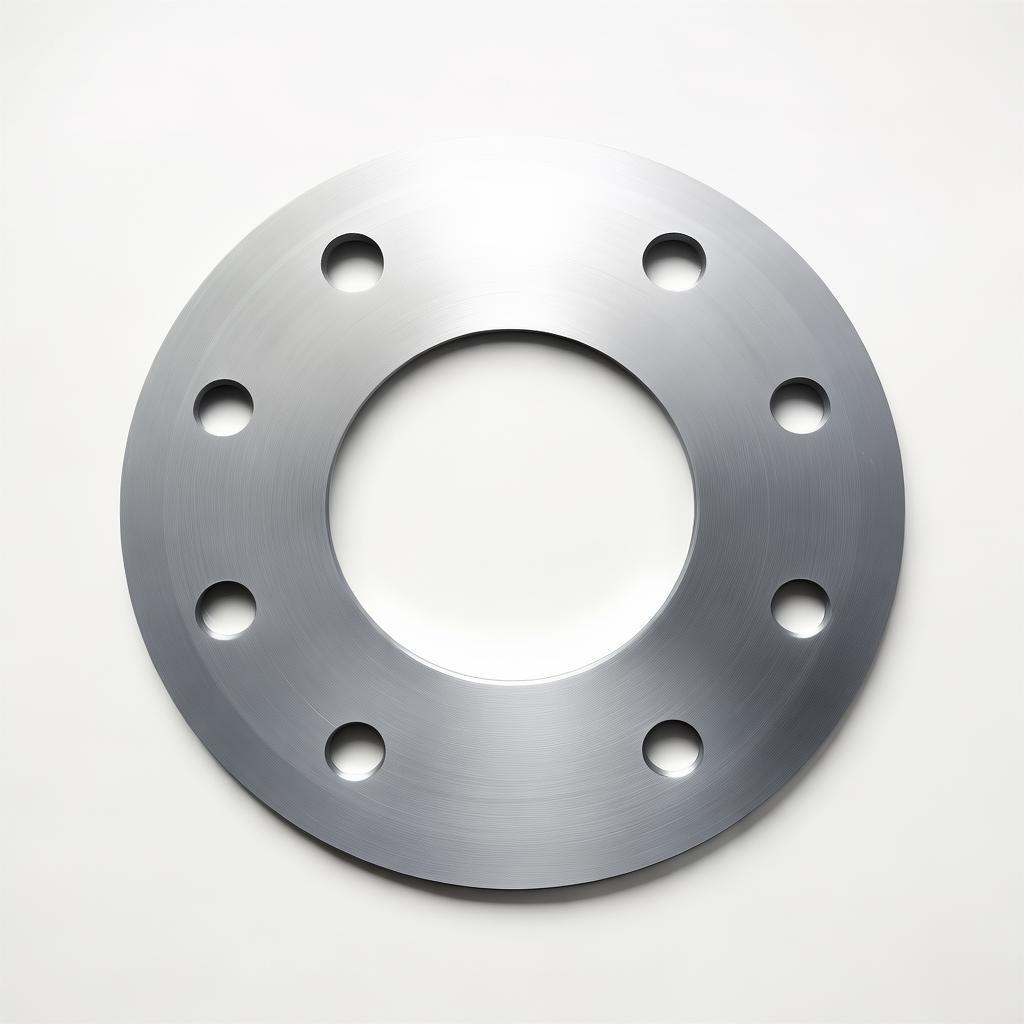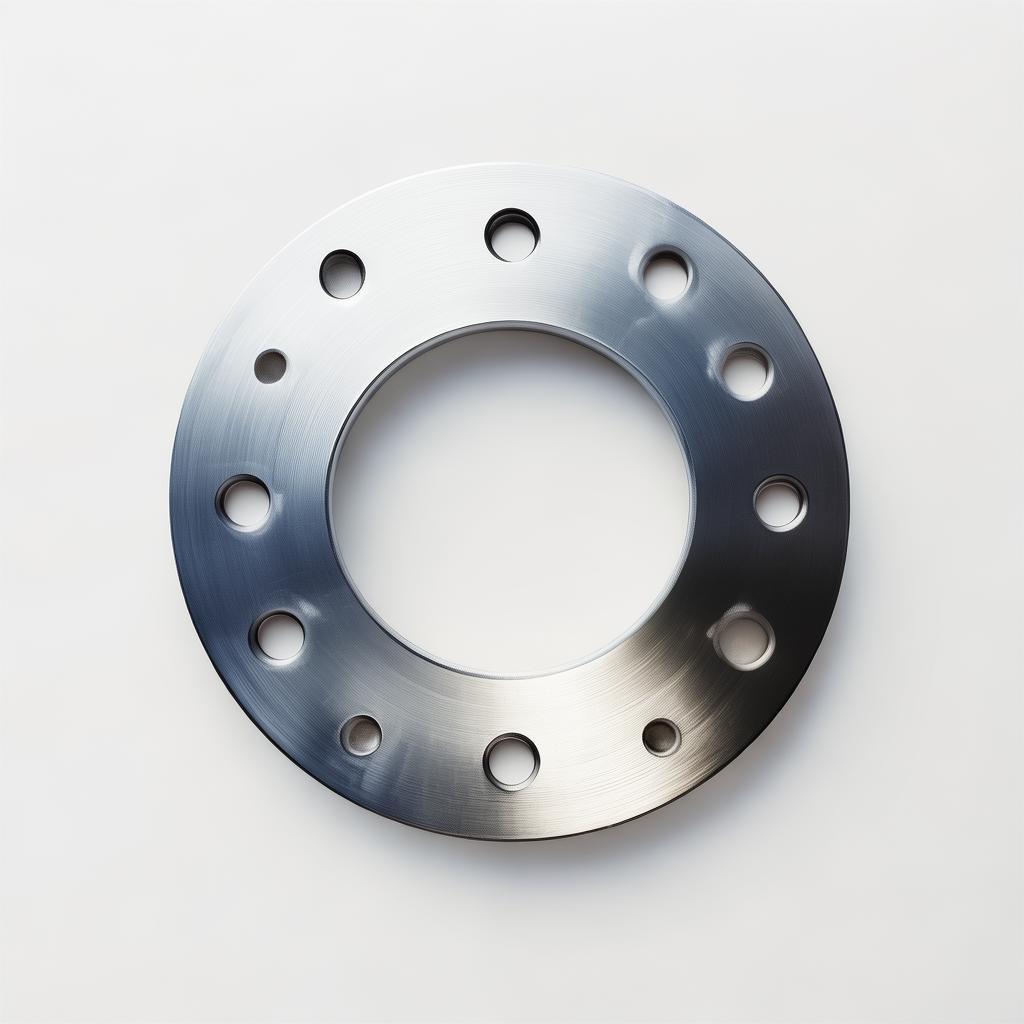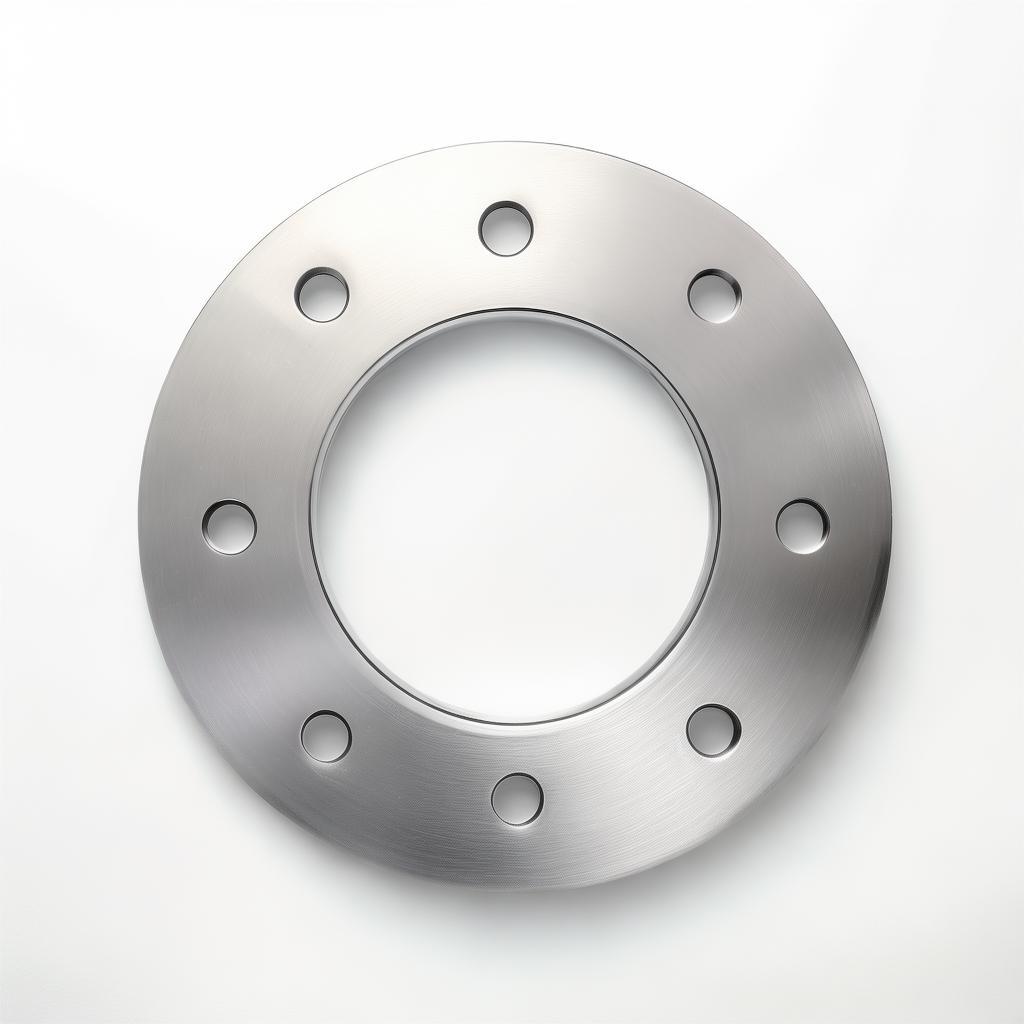



Solve piping leakage and corrosion risks with our certified galvanized steel reducers . Engineered for harsh environments and delivered directly from our US-focused supply chain hub. In the complex landscape of modern industrial plumbing
High-Quality Reducer Galvanized Pipe Fittings | ISO Certified & Fast Delivery
Solve piping leakage and corrosion risks with our certified galvanized steel reducers. Engineered for harsh environments and delivered directly from our US-focused supply chain hub.
Get Free Quote in 24hUnderstanding the Critical Role of Reducer Galvanized in Modern Infrastructure
In the complex landscape of modern industrial plumbing and engineering, few components endure as much stress and environmental scrutiny as the reducer galvanized assembly. As we move further into 2026, the demand for robust pipeline solutions has never been higher, driven by aging infrastructure renewal projects and new green energy installations. A reducer galvanized is not merely a connector; it is a critical transition component that dictates fluid dynamics, structural integrity, and corrosion resistance within high-pressure systems. For corporate purchasing managers and technical directors, understanding the nuance behind this product specification is the first step toward optimizing Return on Investment (ROI) and ensuring operational longevity.
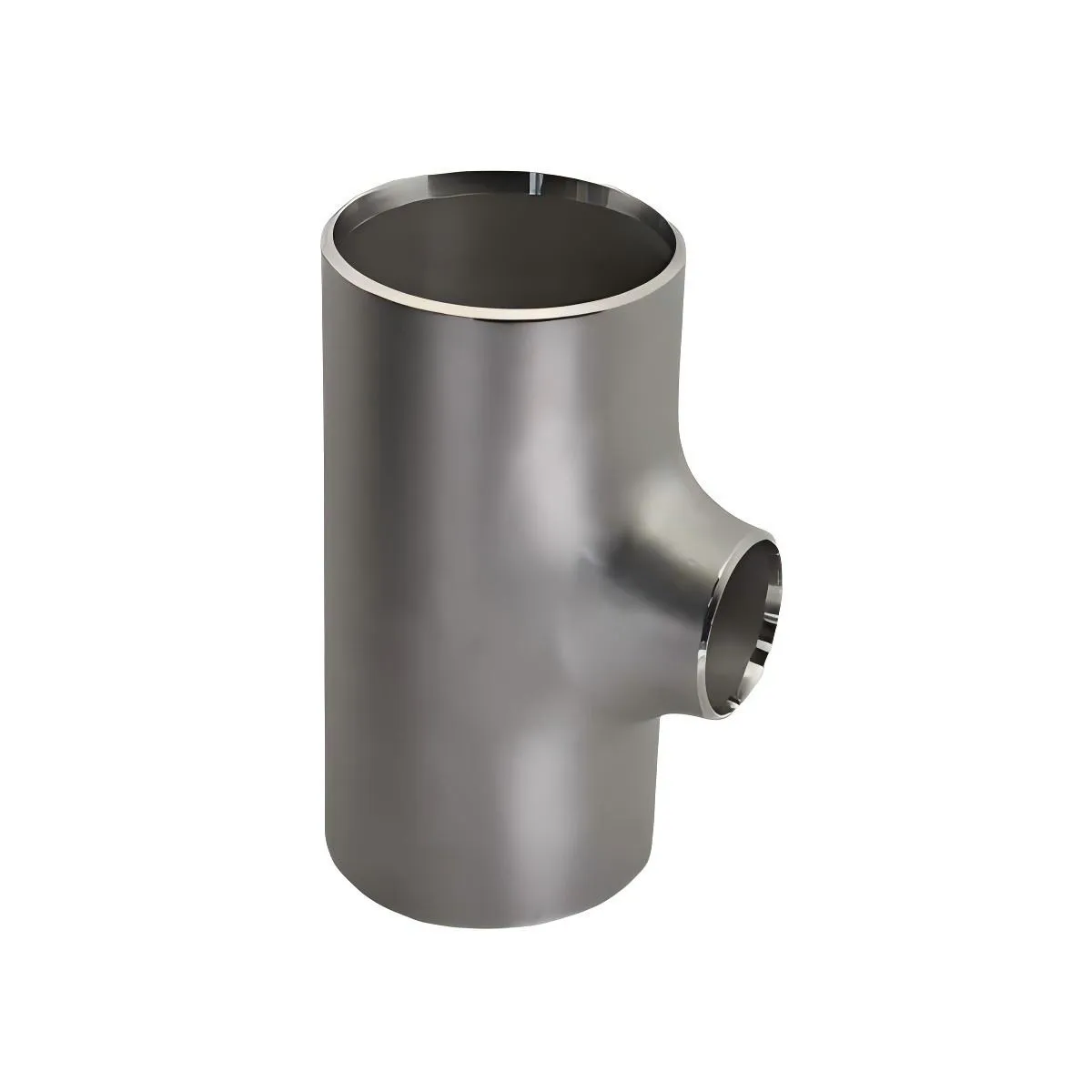
The term reducer galvanized describes a pipe fitting designed to connect two pipes of different diameters while providing protection against rust through hot-dip galvanization. The galvanization process involves dipping carbon steel into molten zinc, creating a metallurgical bond that acts as both a physical barrier and a sacrificial anode. This dual-action protection system is why reducer galvanized fittings remain the industry standard for outdoor exposure, chemical processing plants, and municipal water distribution networks. Unlike painted or uncoated alternatives, a properly galvanized reducer offers decades of service life, often outlasting the host pipe system itself when installed correctly according to international standards such as ASTM A53 and GB/T 12459.
Metallurgical Standards and Coating Integrity
When specifying a reducer galvanized for your project, the primary metric to evaluate is the zinc coating weight. According to ASTM A123, the standard for zinc coating on iron and steel products, the coating must possess a minimum average weight of approximately 610 g/m² (2 oz/ft²) for heavy duty applications. This density is crucial because the corrosivity of the environment varies significantly across regions. In coastal areas like parts of California or Texas, salt spray accelerates oxidation rates, making high-grade galvanized reducers non-negotiable. A thinner coat might suffice for indoor HVAC ductwork, but for underground utility tunnels or offshore platforms, insufficient galvanization leads to premature failure, resulting in costly downtime and potential safety hazards.
Furthermore, the metallurgical composition of the steel base plays a vital role. Most standard reducer galvanized fittings utilize low-carbon seamless steel, which ensures malleability during forming without compromising tensile strength. Carbon content must remain strictly controlled to prevent brittleness, especially in cold climates where thermal contraction puts mechanical stress on the joint. At HEBEI JIUYUAN PIPELINE MANUFACTURING CO.,LTD., we enforce rigorous spectral analysis on raw materials to verify that sulfur and phosphorus impurities remain below critical thresholds. This attention to detail ensures that the galvanized reducer maintains its integrity under pressure fluctuations common in hydraulic and pneumatic transmission systems.
Selection Criteria for Industrial Applications
Choosing the right reducer galvanized requires precise dimensional alignment. You must decide between Concentric and Eccentric configurations. A concentric reducer maintains a central axis and is ideal for vertical pipelines or pump suction lines to avoid air pockets. However, in horizontal drainage lines, an eccentric reducer galvanized is essential to maintain a flat bottom profile, preventing liquid entrapment which could accelerate internal corrosion over time. The transition angle also affects efficiency. Standard ANSI reductions allow gradual diameter changes, minimizing turbulence that causes erosion-corrosion (impingement attack) inside the fitting walls. Specifying the correct series—whether Class 150, 300, or Sch 40 Schedule—is fundamental to compatibility with your existing flange face ratings and bolt patterns.
Another critical factor is the connection type. While socket weld and butt weld options exist, threaded connections are prevalent in maintenance-heavy sectors like oil refineries or municipal repairs. The threads on a reducer galvanized must be machined post-galvanizing or protected carefully to prevent zinc buildup that interferes with threading engagement. Conversely, some manufacturers apply zinc plating after welding, offering superior coverage but potentially affecting thread tolerance. We employ advanced CNC machining to cut threads onto galvanized red ucers with micrometer precision, ensuring a leak-proof seal without damaging the protective outer layer. This balance between structural tightness and coating preservation is a hallmark of high-quality manufacturing that separates commercial grade products from genuine industrial grade fittings.
Common Failure Points and Prevention
Despite their reputation for durability, reducer galvanized components can fail due to installation errors or electrochemical reactions known as bimetallic corrosion. If a galvanized reducer connects directly to a copper pipe or stainless steel component without dielectric insulation, the zinc will corrode rapidly to protect the noble metal. This galvanic cell reaction is a silent killer of pipeline systems. Proper gasket selection and dielectric unions are mandatory in mixed-material setups. Additionally, over-tightening the galvanized fitting can fracture the zinc coating, exposing the bare steel substrate to immediate atmospheric moisture. Torque wrenches calibrated to ASME B16.9 specifications should always be used during installation to preserve the life expectancy of the component.
Finally, storage conditions play a paradoxical role. While the zinc protects against outdoor elements, prolonged exposure to extreme humidity or wet/dry cycles before installation can lead to "white rust"—zinc hydroxide carbonate. This superficial layer looks like powder or stains but compromises the aesthetic finish and adhesion of secondary paint coats if required. It does not necessarily affect structural integrity, but it indicates poor handling or packaging. Our company utilizes moisture-absorbing desiccants and shrink-wrap sealing to ensure your reducer galvanized inventory arrives in pristine condition, ready for immediate deployment. Understanding these nuances empowers procurement teams to audit suppliers effectively and demand verifiable proof of quality control procedures regarding the galvanizer feedstock and process timing.
Ultimately, the decision to specify reducer galvanized relies on a cost-benefit analysis weighing initial material costs against lifecycle maintenance expenses. While cheaper, non-galvanized alternatives may reduce upfront spend, the risk of unplanned shutdowns for leak repair is statistically higher over a 10-year period. By investing in verified, high-specification fittings from a reliable manufacturer like Jiuyuan Pipeline, you mitigate financial risk associated with infrastructure degradation. Whether you are building a new chemical plant or retrofitting an older facility, the reducer galvanized serves as the backbone of your pressure containment strategy. In the subsequent sections, we will explore how our manufacturing capabilities translate these theoretical standards into tangible asset reliability for your enterprise.
Contact Support for Documentation
Why Current Supply Chains Fail Your Projects
High Hidden Costs
Many suppliers quote low unit prices but inflate shipping fees or add customs brokerage charges later. You often face a 30% budget overrun by the time goods reach your warehouse.
Inconsistent Quality
Non-compliant wall thickness or uneven galvanizing leads to leaks within months. Replacing failed fittings costs 10x the original purchase price due to labor and downtime.
Delivery Delays
Logistics bottlenecks and lack of inventory cause project stoppages. Waiting for parts can stall construction schedules for weeks, violating contract penalties.
Jiuyuan Pipeline Manufacturing Solution

Powered by "Capital of Elbows" Technology
Located in Mengcun, HEBEI JIUYUAN PIPELINE MANUFACTURING CO.,LTD. brings specialized expertise to every fitting. Our facility operates 24/7 to meet urgent deadlines.
- OEM/ODM Design: Custom dimensions available.
- Advanced Production: CNC machinery ensures ±0.05mm accuracy.
- Strict Testing: Hydrostatic and bend testing performed on all batches.
Technical Specifications Comparison
| Parameter | Competitor Standard | Jiuyuan Standard |
|---|---|---|
| Material | Generic Carbon Steel | GB/Q235B / ASTM A106/B |
| Zinc Coating | Spray Plating (Thin) | Hot-Dip Galvanized (ASTM A123) |
| Lead Time | 4-6 Weeks | 7-15 Days (Stocked Sizes) |
| Packaging | Basic Wooden Pallet | Waterproof Shrink Wrap + Iron Band |
We support GB, ANSI/ASME, JIS, DIN standards. Whether you need high-strength Alloy Steel or Duplex Stainless Steel reducers, our capability extends beyond standard carbon steel applications to handle exotic metals.
Verified Trust & Certifications
Our commitment is backed by globally recognized certifications:
ISO 9001:2008
European Conformity
Pressure Pipeline
What Industry Leaders Say

"Their reducer galvanized fittings were exactly on spec. Reduced our rework costs by zero since delivery."
- Mike T., Senior Purchaser, US Construction Firm

"Quality assurance documentation was perfect for our US Customs clearance. Highly recommended."
- Sarah J., Logistics Manager, Energy Sector
Frequently Asked Questions
Q: What is the Minimum Order Quantity (MOQ) for reducer galvanized?
Our MOQ is flexible. For standard stock sizes, we accept small batches to test quality. For custom orders, pricing scales based on volume. Contact us for a tailored quote.
Q: Can you customize the thread standard for galvanized reducers?
Yes, we manufacture based on NPT, BSP, or other customer drawings. We adhere to ASME B1.20.1 for thread tolerances.
Q: How do you handle warranty and returns?
We offer a warranty on manufacturing defects. If dimensions fall outside tolerance or zinc peeling occurs prematurely, we replace the batch at our expense.
Q: What payment methods are accepted for international buyers?
We accept T/T, L/C at sight, and Western Union for smaller amounts. All transactions comply with international banking regulations.
Secure Your Project Timeline Today
Inventory is limited for Q1 2026 production slots. Act now to lock in priority shipping.
Request a Free Sample or Quote:
- 📞 WhatsApp: +86 18131702111
- 📧 Email: sales@jypipeline.com
- 🌐 Visit: www.hbjypipeline.com
Local Customer Praise
"I was skeptical about importing galvanized reducer parts, but the communication via WhatsApp made it easy. The coating thickness was better than what my local supplier offered."
— James K., Chicago, USA
"Fast delivery speed saved our project timeline. We received our order in 12 days. The packing was secure, no dents on the pipe reducers.
— Elena R., Supply Chain Lead, Mexico City
"HEBEI JIUYUAN stands for quality. We have repurchased 50 tons of fittings. Their technical team helped us choose the exact material grade for our chemical plant."
— David L., Facility Manager, Australia

About the Author: Liu Wei
Senior Pipeline Engineering Specialist
With over 15 years of experience in the Chinese pipeline manufacturing sector, Liu Wei oversees quality control and R&D at HEBEI JIUYUAN PIPELINE MANUFACTURING CO.,LTD. He is a registered expert in ISO 9001 audits and specializes in optimizing the galvanization process for corrosion-resistant industrial fittings. His insights are frequently cited in industry white papers regarding supply chain resilience.