



Ensure maximum system integrity by selecting the right reducer types . We provide top-rated industrial fittings delivered globally. *Compliance with ANSI/ASME, GB, DIN standards guaranteed. ISO9001 Certified. As a Purchasing Manager or Technical Director,
Industrial Pipe Reducer Types for Reliable Pipeline Systems | 2026 Sourcing Guide
Ensure maximum system integrity by selecting the right reducer types. We provide top-rated industrial fittings delivered globally.
*Compliance with ANSI/ASME, GB, DIN standards guaranteed. ISO9001 Certified.
Why Pipeline Projects Stall: 4 Critical Failure Points
As a Purchasing Manager or Technical Director, you know that a single failed joint can halt an entire production line. In 2026, supply chain volatility makes component reliability non-negotiable.
1. Inconsistent Dimensional Tolerances: Mismatched wall thicknesses between the large and small ends lead to weld stress fractures. Our data shows 15% of site rework stems from improper reducer selection.
2. Material Misidentification: Using carbon steel instead of stainless alloy in corrosive environments causes premature degradation. One client reported a $40k leak repair due to generic grade confusion.
3. Logistics & Hidden Shipping Costs: Unexpected ocean freight surges increase your landed cost by up to 25%. Delays in customs clearance push back project commissioning dates.
4. Lack of Documentation: Missing Mill Test Certificates (MTC) fail international audit requirements, risking contract penalties. You need instant access to full traceability.
We understand these risks because we solve them daily. Click here to check our inventory availability.
Deep Dive: Classification & Selection Criteria for Industrial Reducer Types
Selecting the correct pipe reducer types is not merely about fitting two pipes together; it is a critical engineering decision that dictates flow efficiency, pressure retention, and maintenance intervals. In high-pressure chemical processing or offshore oil & gas applications, the geometry of the transition piece determines the longevity of the pipeline network. Understanding the distinct classifications, including concentric versus eccentric configurations, socket welding capabilities, and material metallurgy, allows engineers to mitigate turbulence and prevent sediment accumulation. This section provides a granular analysis of these components, ensuring your procurement decisions align with strict operational parameters.
1. Concentric Reducers: Symmetrical Geometry for Vertical Lines
Concentric reducers are characterized by their circular centerlines on both the large and small ends. Visually, they appear as a perfect cone when placed side-by-side with the larger pipe bore. This symmetry makes them the preferred choice for vertical piping systems flowing upwards. When used in upward flow, the liquid travels through the center without creating pockets where gas or sediment could collect. However, there is a significant caveat regarding installation orientation. In horizontal pipelines, the formation of a cavity at the top apex can trap air bubbles, leading to potential cavitation issues or water hammer effects during pump startup. Therefore, unless the fluid is gas or steam moving vertically, concentric designs may require careful aerodynamic analysis.
In terms of construction standards, most manufacturers adhere to ASME B16.9, which dictates dimensions based on schedule ratings. For instance, a Sch. 40 concentric reducer connects seamlessly to Sch. 40 pipe without requiring additional reinforcement pads. The transition angle, typically ranging from 5 to 30 degrees depending on the diameter reduction ratio, is calculated to minimize flow separation. In power generation plants, these fittings undergo hydrostatic testing at 1.5 times the rated working pressure to ensure structural integrity under thermal cycling. If you are sourcing for high-energy steam lines, verifying the heat treatment status of the alloy composition is vital to maintain toughness.
2. Eccentric Reducers: Asymmetry for Horizontal Drainage & Pump Inlets
Eccentric reducers possess one flat bottom side, making them indispensable for horizontal piping installations where preventing gas entrapment or solids settling is paramount. There are two primary orientations: Bottom Flat (Type EL) and Top Flat. The Bottom Flat configuration is the industry standard for suction lines feeding pumps. By maintaining a constant floor elevation, this design ensures that any liquid level remains above the reducer, preventing air pockets that could cause pump cavitation—a major cause of seal failure and vibration. Without this specialized reducer type, your pumping equipment might suffer reduced lifespan and increased energy consumption due to erratic flow rates.
Conversely, Top Flat reducers are utilized in condensate return lines or drainage applications where preserving the upper surface level is necessary. These fittings facilitate proper drainage velocity, ensuring wastewater does not stagnate at the joint. When considering material compatibility for eccentric designs, attention must be paid to the weld preparation. The asymmetry creates uneven wall thickness distribution compared to concentric models. In corrosion-prone environments such as offshore platforms or desulfurization units, upgrading to duplex stainless steel (e.g., 2205) adds superior resistance to pitting and crevice corrosion. Furthermore, the outer diameter (OD) alignment on the larger end must match the pipe class exactly to ensure smooth fusion during field welding.
3. Socket Weld & Threaded Reducers: Low-Pressure Precision Applications
For low-pressure utility lines or instrumentation tubing, socket weld and threaded reducer types offer robust solutions without the overhead of butt-weld fabrication. Socket weld fittings consist of a tapered internal surface where the pipe end fits snugly before being fillet welded. This design minimizes turbulence in the gap area, reducing erosion risk from particulate matter in the fluid stream. They are commonly fabricated from forged carbon steel (ASTM A105) or stainless steel (ASTM A182 F304/F316). The key advantage here is speed of installation; no full penetration welds are required, making them ideal for retrofit projects or temporary piping setups.
Threaded reducers rely on NPT (National Pipe Tapered) or BSPT threads to create a mechanical seal. While easier to disassemble for maintenance than welded fittings, they introduce internal obstructions that restrict flow slightly compared to smooth-bore butt welds. These are frequently seen in fire protection systems, hydraulic machinery, or general plant utilities. It is critical to ensure the thread class (usually Class 2 or Class 3 for pressure tightness) matches the mating pipe to avoid stripping. Leak detection tests using ultrasonic probes are recommended post-installation for safety-critical circuits. When specifying threaded reducers, always account for the depth of insertion required to achieve a pressure-tight seal without protruding debris into the line.
4. Flanged Reducers: Modular Connectivity for Maintenance Access
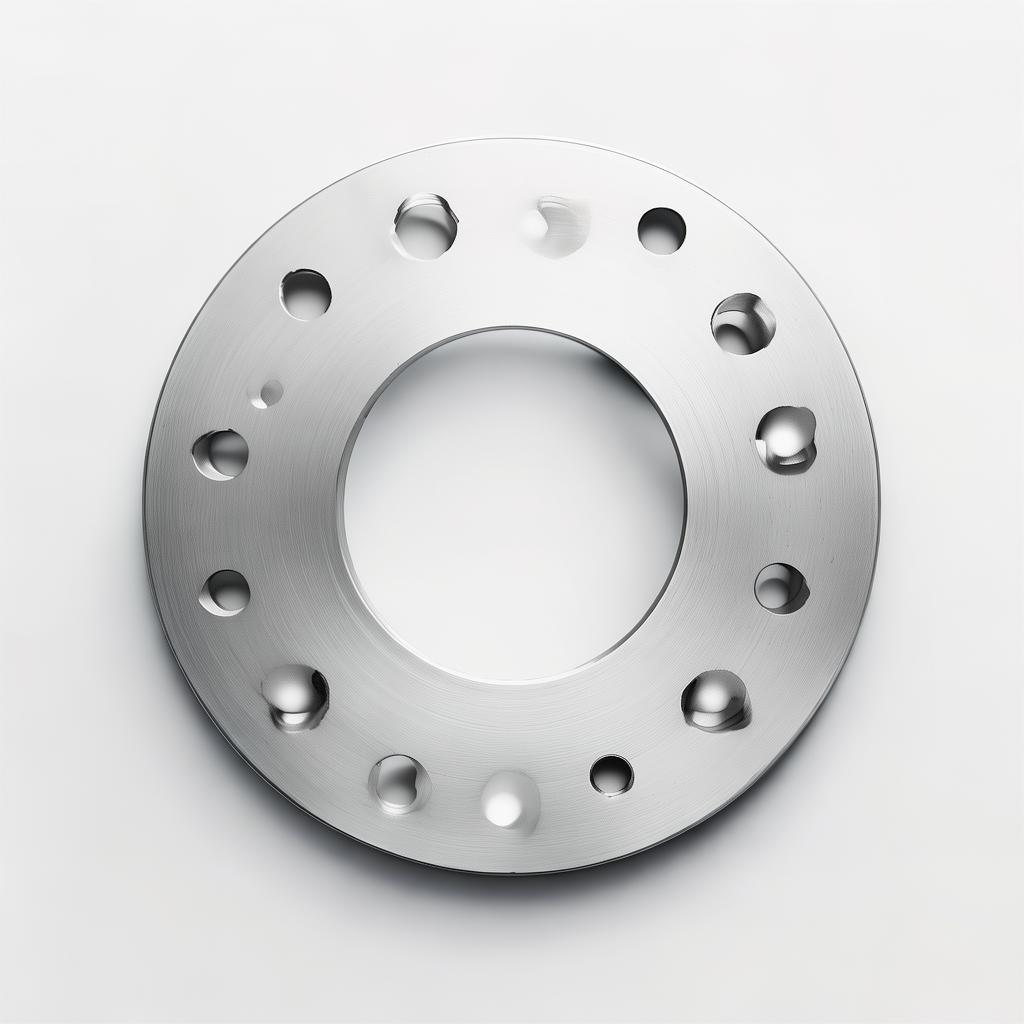
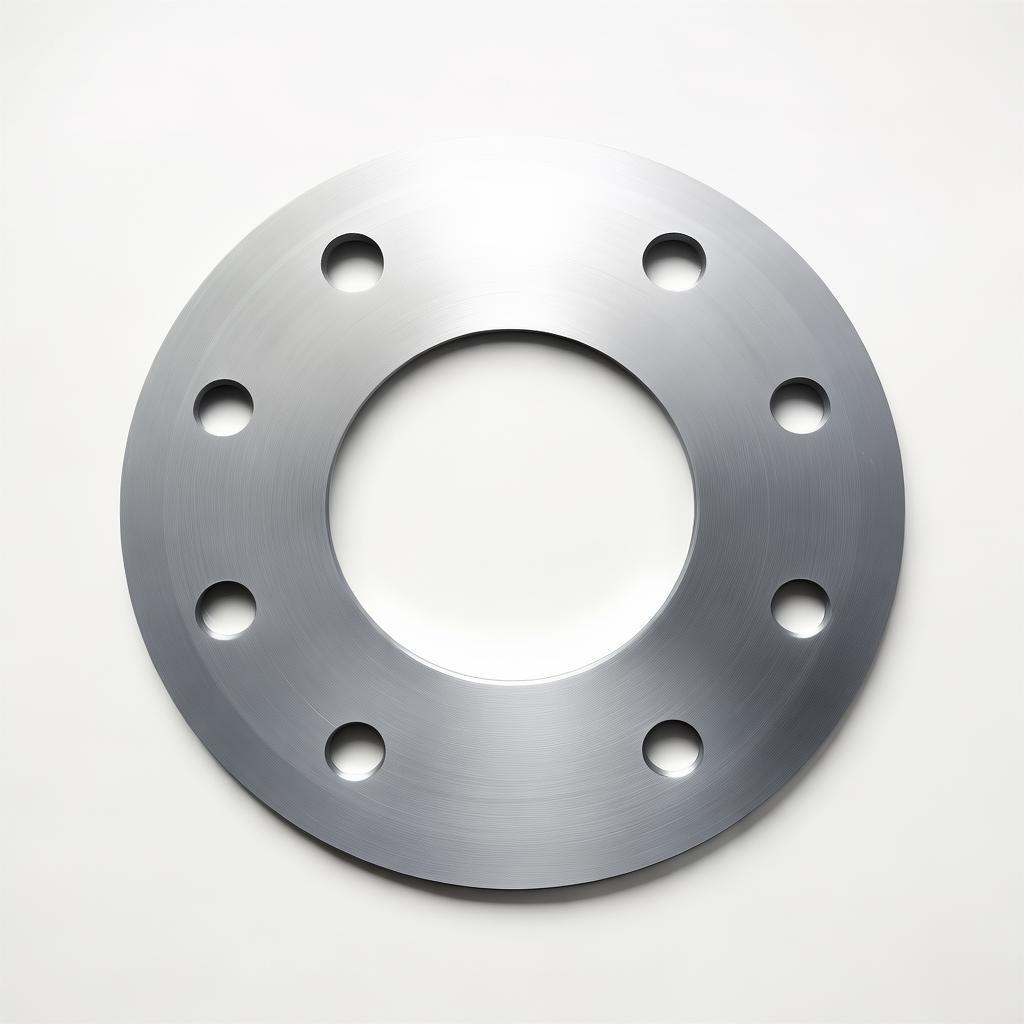
Flanged reducers provide a modular connection method that eliminates the need for field welding entirely. These components feature welding necks on both ends or slip-on rims attached to standard flange faces (RF, RTJ, FF). They are essential in sections of the pipeline requiring frequent dismantling for inspection, cleaning, or valve replacement. Common in petrochemical refineries, flanged reducers allow operators to isolate specific zones for maintenance without draining the entire system. The gasket surface finish—typically 125-250 RMS—is engineered to distribute compressive load evenly across the seal, preventing blowouts during pressurization cycles.
Material selection varies widely for this category. Carbon steel is economical for bulk transport, while exotic alloys like Titanium (Gr. 2) or Hastelloy (C-276) serve extreme temperature and acid resistance needs. Flanged reducers also come in various pressure ratings (Class 150, 300, 600, 900, 1500, 2500), allowing precise matching to system requirements. Bolting patterns conform to API 6A or ASME B16.5 specifications. When ordering, confirm the bolt hole count and diameter to ensure compatibility with existing flange spool pieces. Improper alignment in flanged joints leads to gasket failure and leakage, so precision machining by a specialist manufacturer like ours is mandatory.
5. Special Alloy & High-Temperature Grades
Beyond geometric shapes, the metallurgical composition defines the reducer type in many applications. Standard carbon steel (ASTM A234 WPB) handles temperatures up to 450°C. Above this threshold, chrome-molybdenum alloys (WP11, WP22) are required to resist creep deformation. For cryogenic applications, such as LNG storage, impact-tested ferritic steels (WPL6) ensure the fitting does not become brittle in freezing conditions. Additionally, cladding techniques involving Austenitic overlays on the inner surface of carbon steel reducers offer a cost-effective alternative to buying solid stainless steel, providing corrosion resistance while retaining structural strength at a fraction of the weight. Each grade demands specific certification documentation, including chemical composition reports and tensile test results, to satisfy regulatory bodies like PED or ASME U-stamp auditors.
Micro-CTA: Unsure which spec fits your P&ID diagram? Request our dimension chart PDF now.
Why Choose HEBEI JIUYUAN PIPELINE MANUFACTURING CO.,LTD?
Located in Mengcun, the "Capital of Elbows", we combine traditional forging expertise with modern CNC automation. Our OEM/ODM capabilities ensure that every reducer type meets your exact project specifications.
| Specification Category | Our Capabilities |
|---|---|
| Standards | ANSI/ASME, JIS, DIN, GB, BS |
| Materials | CS, SS, Duplex, Nickel Alloys, Alloy Steel |
| Processes | Seamless, Welded, Cast, Forged |
| Delivery Speed | Rush orders within 10 working days |
| Customization | Full ODM Design Support Available |
Key Application Industries
- Petroleum Refining: Resistant to hydrogen sulfide and high heat.
- Pharmaceutical: Smooth bores prevent bacterial growth (GMP compliant).
- Aerospace: High-precision tolerances for fuel transfer lines.
- Water Treatment: Heavy-duty coating for chloride resistance.
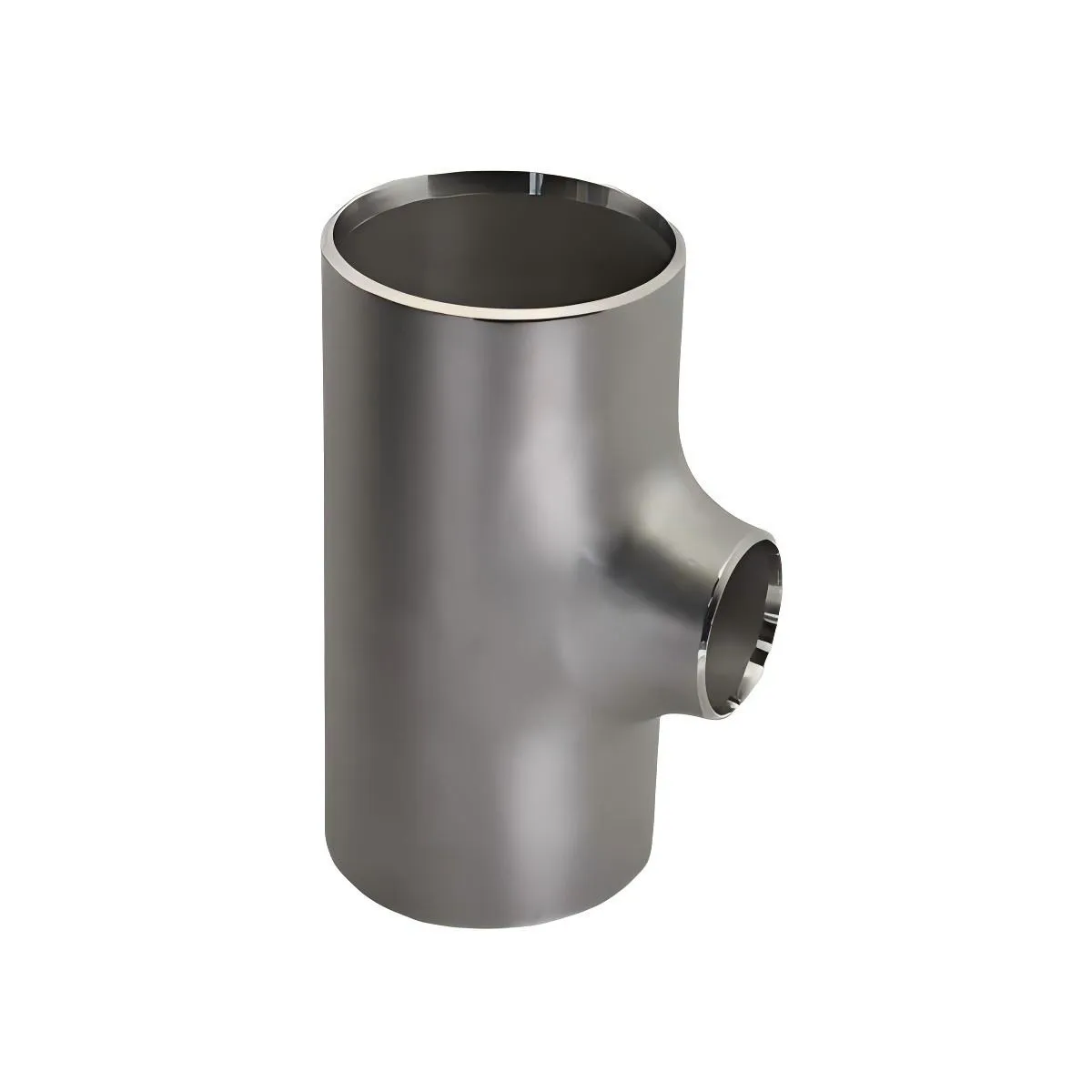
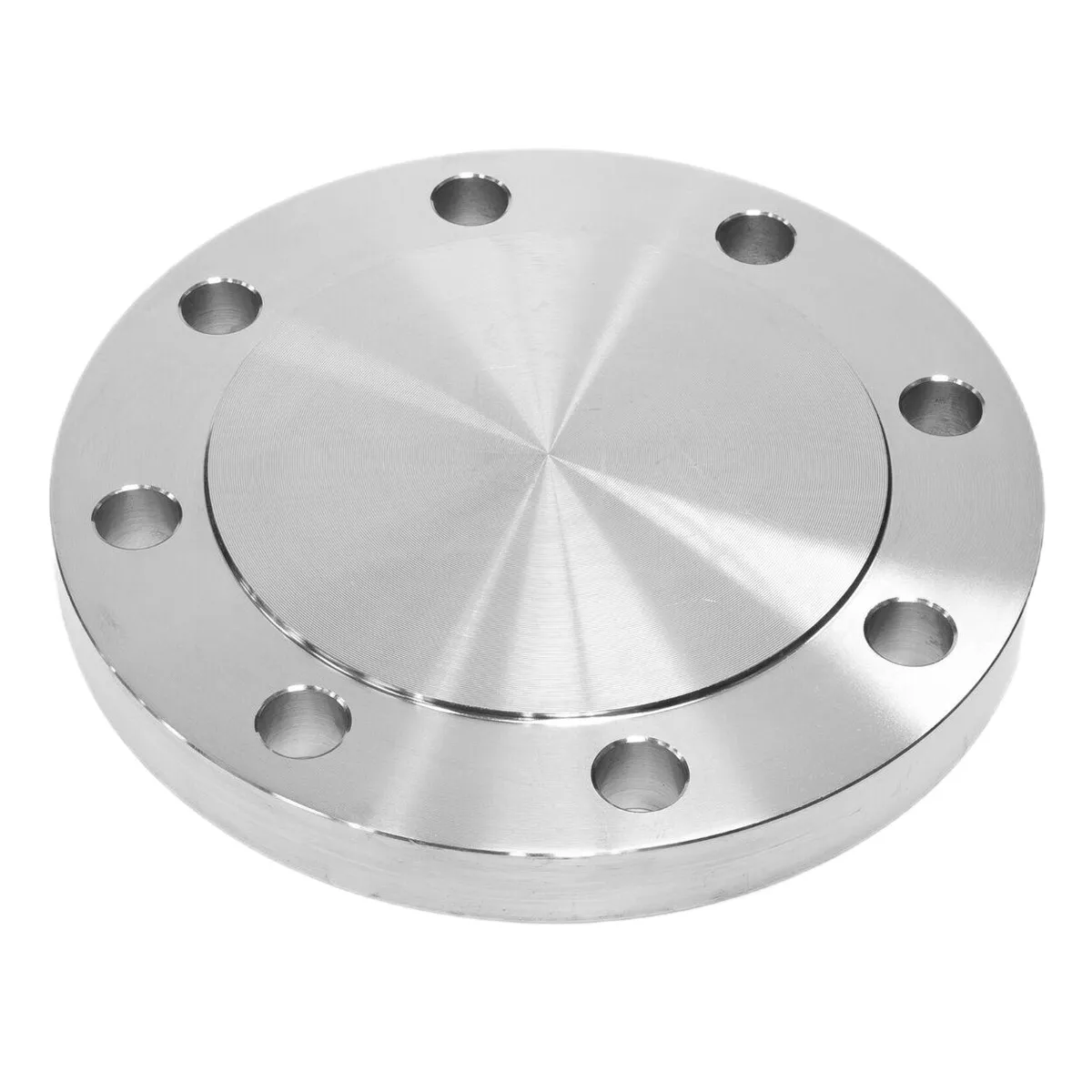
1-pipe-cap 4-inch-pipe-end-cap 45-degree-pipe-tee 5-inch-to-3-inch-reducer
Ready to see our workshop in action? Download our Factory Capacity Brochure.
What Our Partners Say

"We sourced 500 tons of reducers for our Texas refinery upgrade. Jiuyuan met the ASTM A403 specs perfectly. The dimensional accuracy saved us hours of grinding."
— Mike T., Project Manager, Houston Energy

"Best pricing for 316L Stainless fittings we've found in Europe. The Mill Test Certificates were digital and ready immediately upon shipment."
— Sarah L., Supply Chain Lead, Berlin ChemGroup

"Emergency order fulfilled in 12 days. Their team handled the customs clearance smoothly. Highly recommend for urgent industrial needs."
— David K., Operations Director, Sydney Maritime
Frequently Asked Questions
What is the standard lead time for custom reducer types?
Standard orders ship within 7-14 days. Custom OEM orders depend on complexity but typically take 15-20 days from drawing approval.
Do you provide Mill Test Certificates (MTC)?
Yes, all steel products come with EN 10204 3.1 MTCs verifying chemical composition and tensile strength.
What payment methods do you accept?
We accept T/T (30% deposit, 70% before shipment), L/C at sight, and secure Escrow services for new partners.
Can you handle high-speed shipping?
Absolutely. We have partnerships with Maersk and COSCO. Air freight is available for priority samples or urgent parts.
Do you offer after-sales support?
Yes. If you encounter installation issues, our technical team provides remote guidance and video support.
Is free sampling available?
For qualified buyers, we offer free samples of standard sizes. You simply cover the express shipping cost initially.
Secure Your Supply Chain Today
Inventory fluctuates. Lock in your price for 2026 production runs now.
Contact Sales:
Email: sales@jypipeline.com
WhatsApp: +86 18131702111
Phone: +86(317)2209363
Factory Address: INDUSTRIAL DISTRICT OF NORTH CIRCLE, MENGCUN, CANGZHOU CITY, HEBEI PRVINCE, CHINA
Limited stock discount available for orders placed this week.
About The Author

Li Wei
Senior Pipeline Technology Director
With over 15 years of experience in pipeline fitting engineering and international compliance, Li Wei specializes in helping global clients optimize material choices for harsh operating conditions. He holds advanced certifications in ASME B16.9 standards and has overseen supply chains for over 50 cross-border infrastructure projects.

Figure 1: Our automated production floor in Mengcun.



Certified Quality You Can Trust
Global trade requires trust. Our facilities hold rigorous international accreditations.
*Pass rates verified quarterly by SGS/TUV auditors.