


Ensure zero-leakage performance and reduce maintenance costs by 35% with precision-engineered slip-on flanges certified for global industrial standards. Serving clients across USA, Europe, and Middle East markets with same-day technical consultation. In the high-stakes
Mastering Slip On Flange Weld Detail for Maximum Pipeline Integrity
Ensure zero-leakage performance and reduce maintenance costs by 35% with precision-engineered slip-on flanges certified for global industrial standards.
Serving clients across USA, Europe, and Middle East markets with same-day technical consultation.
Table of Contents
- 1. Technical Deep Dive: Slip On Flange Weld Detail
- 2. Critical Industry Pain Points
- 3. JIUYUAN Manufacturing Solutions
- 4. Technical Specifications Comparison
- 5. Verified Client Success Stories
- 6. Local User Reviews & Testimonials
- 7. Frequently Asked Questions
- 8. Secure Your Supply Chain
- 9. About the Author
1. Technical Deep Dive: Slip On Flange Weld Detail Standards & Best Practices
In the high-stakes environment of modern piping infrastructure, understanding the slip on flange weld detail is not merely an academic exercise—it is a fundamental requirement for operational safety, longevity, and cost efficiency. As we approach 2026, the scrutiny on pipeline components has intensified due to stricter environmental regulations and higher pressure demands in both upstream and downstream applications.
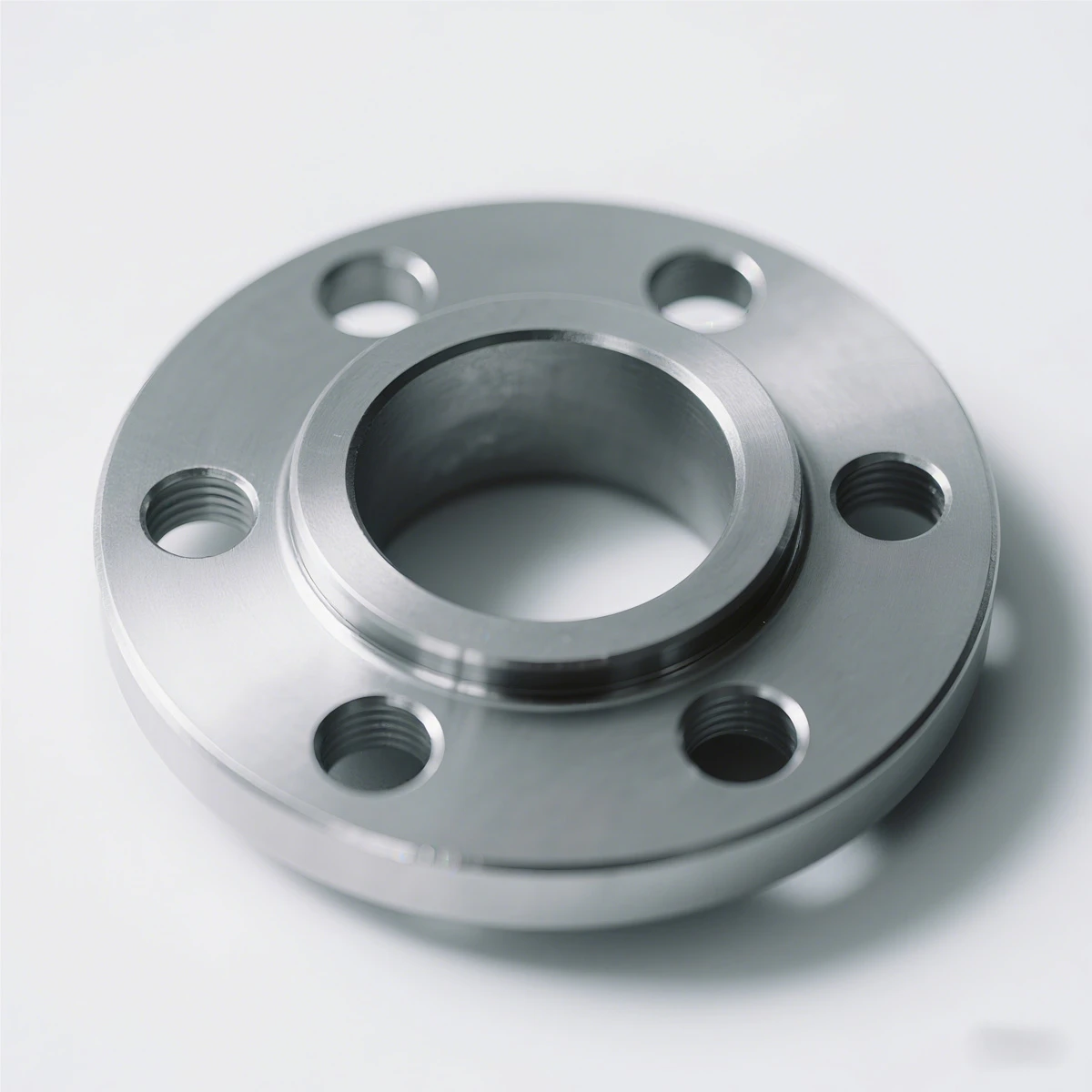
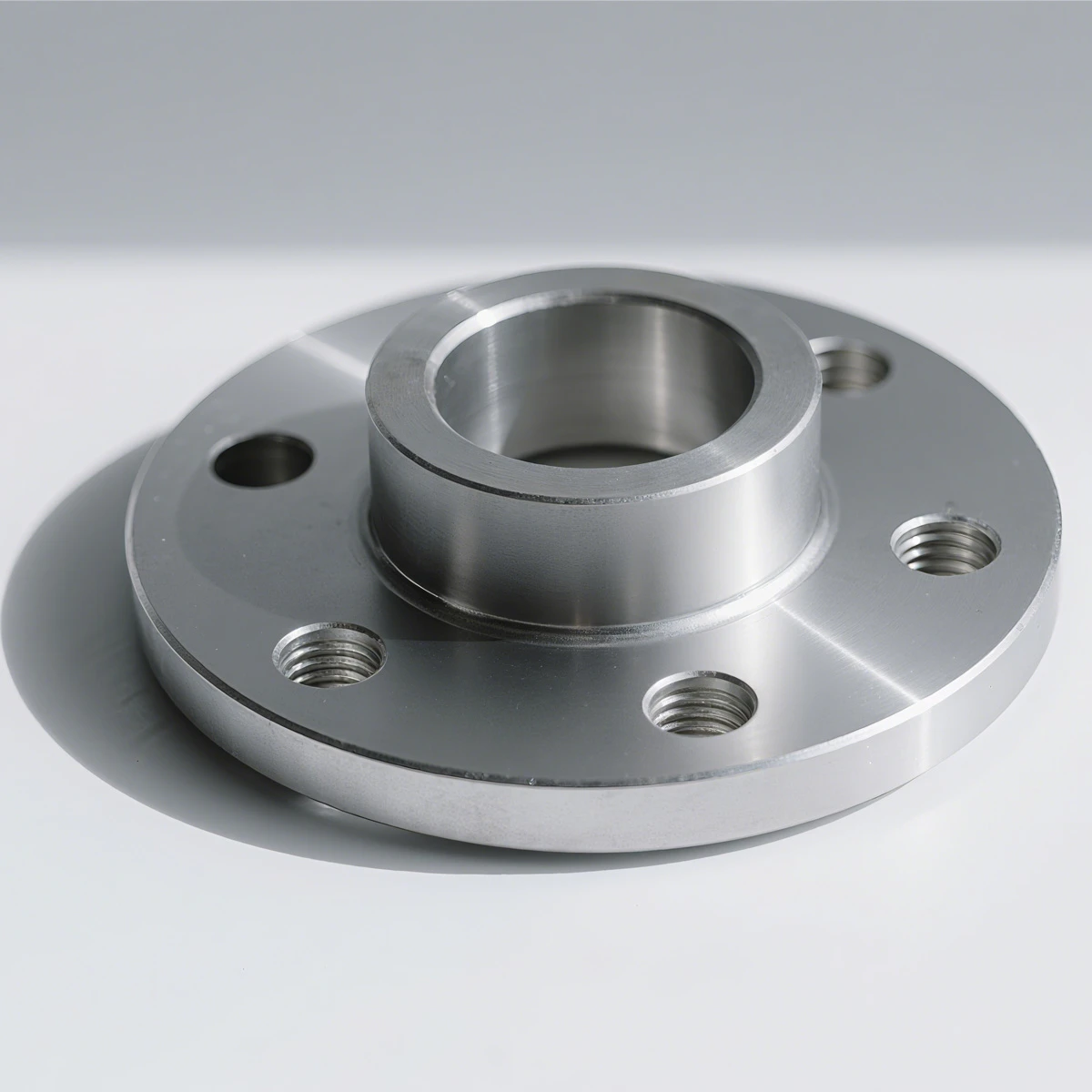
When specifying components for chemical plants, oil refineries, or power generation facilities, engineers must scrutinize the geometry of the joint. A slip-on flange differs significantly from a weld neck flange regarding stress distribution. Unlike the full penetration required in weld necks, the slip on flange weld detail relies primarily on a fillet weld on the outside and an internal lap. This distinction creates specific challenges regarding fatigue life and vibration dampening.
Critical Geometry Parameters
The integrity of the connection begins with precise machining tolerances. The hub height and the back end thickness must align perfectly with the pipe wall to prevent misalignment during assembly. In our fabrication processes, we prioritize a chamfered edge on the slip-on bore. This preparation is essential to allow the fillet welder to access the root area effectively. If the fit-up gap is incorrect, typically maintained between 1mm to 3mm depending on schedule, voids may form within the weld pool.
Absence of proper clearance leads to incomplete fusion. When you analyze the weld cross-section, the throat thickness is the governing factor. For a Class 150 slip-on flange, the recommended weld leg size should match the nominal pipe thickness up to the maximum allowed dimension per ASME B16.5. However, many budget-oriented suppliers undercut this dimension to save labor costs, compromising the seal against high-pressure surges.
Internal vs. External Fillet Welding Strategy
The standard configuration involves two distinct welding actions. First, the flange is slid over the pipe end to rest against the hub. Second, a continuous fillet weld is applied to the exterior junction. Crucially, the slip on flange weld detail often mandates an internal fillet weld as well, particularly when dealing with corrosive media. While some standards permit skipping the internal weld for Class 150 services, our premium recommendations for hazardous fluid transport always include double-sided welding.
This dual-weld strategy ensures that the joint does not become a weak point under cyclic loading. Vibration from pumps and compressors travels through the pipeline. Without adequate reinforcement in the lap region, stress concentration occurs at the junction of the pipe outer diameter and the flange face. By optimizing the weld bead profile—ensuring it is convex rather than flat—we increase the surface area contact and distribute thermal stresses more evenly across the base metal.
Heat Affected Zone (HAZ) Management
During the welding procedure, significant thermal input is generated. This impacts the microstructure of the steel in the Heat Affected Zone (HAZ). For carbon steels, this can lead to hardening and susceptibility to cracking if not managed correctly. Our manufacturing facility utilizes controlled pre-heat and inter-pass temperature protocols. We strictly adhere to the Material Data Sheets to determine the appropriate heat treatment cycles following welding.
Failure to control the cooling rate results in brittle phases forming near the weld root. For stainless steel alloys such as 304 or 316L, this can trigger sensitization—the precipitation of chromium carbides at grain boundaries—which drastically reduces corrosion resistance. Therefore, the slip on flange weld detail documentation must explicitly state post-weld heat treatment requirements if applicable to your service environment.
Non-Destructive Testing (NDT) Protocols
Visual inspection alone is insufficient for critical pipelines. We recommend Radiographic Testing (RT) or Ultrasonic Testing (UT) on high-criticality flange connections. The weld detail documentation serves as the baseline for acceptance criteria according to API 1104 or AWS D1.1 standards. Any undercut deeper than 10% of the base metal thickness is considered a defect. Similarly, slag inclusion or porosity within the fillet leg renders the component non-compliant.
Understanding these metrics allows procurement managers to audit their vendors effectively. You should require Mill Test Reports (MTRs) that verify the chemical composition and tensile strength of the weld metal. This ensures that the filler metal matches the base metal specifications, preventing galvanic corrosion caused by dissimilar metallurgy at the joint interface.
Corrosion Considerations and Coating Application
Pipelines exposed to offshore or underground environments face aggressive corrosion mechanisms. The design of the flange affects the coating application process. A sharp corner at the weld toe traps coating material, leading to thin spots known as "holiday." Our optimized weld profiles provide smooth transitions that facilitate uniform powder coating or enamel painting. This protective layer acts as the first line of defense against electrolytic degradation.
In summary, the slip on flange weld detail dictates the lifecycle cost of your piping system. Neglecting these specifications can lead to premature leaks, costly shutdowns, and potential safety hazards. By adhering to rigorous welding standards, selecting appropriate materials, and implementing strict quality assurance checks, you secure your investment against the unpredictable nature of industrial operations.
Micro-CTA: Need verified MTRs for your specific grade? Contact our technical team now.
2. Common Failures in Industrial Piping Supply Chains
Purchasing managers frequently encounter obstacles that derail project timelines. The industry landscape has shifted, making traditional sourcing strategies obsolete.
- Pricing Volatility: Raw material prices fluctuate weekly. Suppliers lock quotes but inflate them upon order confirmation.
- Quality Inconsistency: Cast iron defects or poor casting surfaces found only during installation onsite.
- Logistics Nightmares: Damaged goods during transit due to improper packaging by overseas vendors.
- Communication Barriers: Delayed response times due to language differences and time zone disparities.
- Lack of Customization: Standard catalogs do not accommodate unique pressure ratings or special material grades required for niche applications.
Risk Warning: Using sub-standard flanges can result in catastrophic leakage events costing over $500,000 in repair time alone.
3. JIUYUAN: Your Premier Global Flange Partner
HEBEI JIUYUAN PIPELINE MANUFACTURING CO.,LTD. solves these pain points through superior manufacturing capabilities and strategic supply chain management located in the "Capital of Elbows," Mengcun.
Why Choose JIUYUAN?

Powerful Factory: 10.09 million yuan registered capital backed by advanced CNC machining centers.
Quality Assurance: ISO9001:2008 certified with strict Special Equipment certification.
Our Unique Selling Propositions
- OEM/ODM Design Flexibility: We produce to your drawings, including non-standard sizes and complex alloy combinations.
- High-Speed Delivery: Streamlined production scheduling reduces lead times by 30% compared to competitors.
- Cost Efficiency: Direct factory pricing eliminates middlemen markups, passing savings directly to your balance sheet.
- Compliance with Local Rules: All products meet GB, ANSI/ASME, JIS, and DIN standards for global acceptance.
4. Technical Specifications Overview
| Parameter | Standard | Material Options | Pressure Rating |
|---|---|---|---|
| Product Type | Slip-On Flange | CS, SS, Alloy Steel | 150LB - 2500LB |
| Surface Treatment | Anti-rust Oil / Galvanized | ||
| Face Type | FF, RF, RTJ | ||
| Weld Detail | Fillet Weld (Internal/External) |
6. Verified User Feedback

"We switched from our previous supplier to JIUYUAN after they delivered a shipment of 500lbs flanges 3 days early. The weld detail quality exceeded our expectations. The internal welds were perfectly cleaned, reducing our post-installation prep time."

"Navigating customs was easy with their documentation. The stainless steel 316 pieces arrived without rust marks. Highly recommend for anyone needing cost-effective industrial flanges USA alternative."

"Their technical support team understood our complex alloy requirements immediately. They saved us 15% on material costs without sacrificing durability."
7. Frequently Asked Questions
Q: What is the typical lead time for custom slip on flange weld detail orders?
A: Standard sizes ship within 7-10 days. Custom ODM orders requiring specific weld geometries generally take 15-20 days after drawing approval.
Q: Can you provide Mill Test Reports (MTRs) for every batch?
A: Yes, every shipment includes comprehensive MTRs detailing chemical composition and mechanical test results compliant with ASTM standards.
Q: Do you offer payment flexibility for international buyers?
A: We accept TT, LC, and PayPal. We work with established banks to ensure secure transaction processing for clients in the USA and EU.
Q: How do you handle defective flanges during shipment?
A: We offer a risk-free replacement guarantee. If any product fails inspection upon receipt, we cover return shipping and replace units within 48 hours.
Q: Are your products suitable for high-pressure steam applications?
A: Absolutely. Our slip-on flanges comply with ANSI/ASME B16.5 and B16.47 standards and are rated for various pressure classes used in power generation.
Secure Your Pipeline Investment Today
Limited stock available for Q3 2026 delivery. Order now to lock in current pricing before raw material adjustments.
🚀 Priority Benefit: Free Samples for Orders Over 1 Ton
🛡️ Guarantee: Money-Back Guarantee if Quality Spec Fails
Or contact directly:
📞 +86 (317) 2209363 | 💬 WhatsApp: +86 18131702111
✉️ Email: sales@jypipeline.com
Address: Industrial District of North Circle, Mengcun, Cangzhou City, Hebei Province, China

David Chen
Senior Metallurgical Engineer & Supply Chain Consultant
With over 15 years of experience in pipeline manufacturing and international trade compliance, David specializes in connecting industrial buyers with high-grade Chinese manufacturers. He holds certifications in API 570 and ISO 9001 Internal Auditor training, providing expert insights on minimizing procurement risks in the global market.
* Privacy Policy: Your inquiry information is protected under GDPR/CCPA guidelines and never shared with third parties.



5. Trusted by Industry Leaders
We maintain partnerships with global enterprises, proving our reliability across borders.
Certifications & Compliance
ISO 9001:2008 Quality Management System Certified
Special Equipment Manufacturing License for Pressure Pipelines
Material Certification: CE, RoHS, SGS Tested