



Pain Point Solved: Eliminate costly reworks and safety hazards caused by mismatched pipe dimensions. For You: Procurement Managers & Technical Directors needing guaranteed ANSI/ASME compliant fittings. In industrial procurement, precision isn't optional—it's operational survival.
Secure Your Project with Verified Standard Conduit Sizes for Global Infrastructure
Pain Point Solved: Eliminate costly reworks and safety hazards caused by mismatched pipe dimensions.
For You: Procurement Managers & Technical Directors needing guaranteed ANSI/ASME compliant fittings.
1. The Hidden Costs of Incorrect Sizing
In industrial procurement, precision isn't optional—it's operational survival. When sourcing standard conduit sizes, one decimal place error can cascade into significant project failures. As purchasing managers across the USA and UK know, relying on unverified suppliers exposes your facility to severe risks.
- The Alignment Failure: Non-standard wall thicknesses cause threading mismatches. Studies show 24% of retrofit projects fail initial inspection due to dimension tolerance deviations.
- The Costly Shutdown: Delayed shipments force workarounds. Every day of downtime costs an average manufacturing plant $45,000+. Slow delivery speeds from fragmented suppliers kill margins.
- The Safety Hazard: Inferior grade materials corrode faster. Without proper Mill Certifications (ASTM/ISO), pressure rating claims are unreliable. Leaks in high-pressure lines lead to environmental fines.
Do not risk your next shipment on guesswork. Ensure your dimensional specifications match the exact international standard before you sign the PO.
2. Comprehensive Guide to Standard Conduit Sizes
Understanding standard conduit sizes is critical for engineers and procurement officers managing cross-border infrastructure projects. Unlike consumer-grade plumbing, industrial pipelines operate under strict regulatory frameworks. Misinterpreting these standards can result in catastrophic system failures. This section provides a deep-dive analysis of global sizing conventions, focusing on how they apply to heavy-duty pipeline manufacturing environments.
The Anatomy of a Nominal Pipe Size (NPS)
At the heart of international trade lies the confusion between "Nominal" and actual measurements. For decades, the United States and Canada have utilized the Nominal Pipe Size (NPS) system defined by ANSI/ASME. It is a common misconception among international buyers that NPS correlates directly to the outside diameter (OD) for all sizes. This is a dangerous assumption. For pipe diameters smaller than NPS 14, the OD remains constant regardless of the wall thickness (Schedule). Therefore, when sourcing standard conduit sizes, a buyer must specify not just the NPS, but the Schedule number (e.g., SCH 40, SCH 80) to determine the Inner Diameter (ID) and flow capacity accurately.
For instance, an NPS 2 pipe has an Outside Diameter of exactly 2.375 inches, whether it is a thin-walled Schedule 10S or a thick-walled Schedule 160. This consistency is what allows manufacturers like HEBEI JIUYUAN PIPELINE MANUFACTURING CO.,LTD to produce interchangeable fittings like elbows, tees, and reducers that adhere to the same geometric standards worldwide. If a specifier fails to understand this relationship between NPS and OD, ordering fittings becomes a game of chance. The connection interface depends entirely on the OD, while the fluid handling capacity depends on the ID derived from the Schedule.
Comparing Global Standards: ANSI vs. GB vs. DIN
Trade involves bridging gaps between different engineering philosophies. While the USA prefers ANSI/ASME B36.10M for welded and seamless wrought steel pipe, Europe relies heavily on DIN EN 10220. In China, the national standard GB/T 17395 serves as the domestic baseline but is increasingly aligned with international norms for export products. For clients importing into English-speaking regions, understanding these variances is non-negotiable.
The most critical divergence often occurs in thread specifications. NPT (National Pipe Thread Tapered) is the standard for North American oil, gas, and water systems. However, many Asian manufacturers default to BSPT (British Standard Pipe Tapered) or metric threads unless specified otherwise. If you order standard conduit sizes without clarifying the thread type, you may receive components that physically look identical but will never seal against a US-made NPT valve. This is a frequent cause of rejected containers arriving at ports in Houston, Los Angeles, or London.
Wall thickness tolerance is another area requiring meticulous verification. ASME standards allow specific variance ranges. Low-cost suppliers often cut corners here, producing pipe walls thinner than permitted tolerances to save on weight costs. This compromises the Pressure Rating (PN) of the system. Under high-pressure conditions, such as steam lines in power plants or hydraulic systems in petrochemical facilities, substandard conduit sizing leads to bursts. Therefore, relying on third-party inspection reports alongside factory certifications is essential when verifying standard conduit sizes.
Material Impact on Flow and Corrosion Resistance
The choice of material dictates the internal surface roughness and the ultimate service life of the conduit. Carbon steel is the backbone of industrial distribution due to its tensile strength. However, in corrosive environments—such as chemical processing or offshore marine applications—stainless steel alloys (304/316) are required. The standard conduit sizing differs slightly between materials because stainless steel is often drawn rather than rolled, affecting the OD tolerance.
Furthermore, plastic conduits (PVC, CPVC, HDPE) follow different sizing standards (IPS). In the construction sector, rigid PVC conduits are standard for electrical protection, while flexible EMT (Electrical Metallic Tubing) is preferred for indoor cabling. Buyers transitioning from light electrical work to heavy industrial piping often find the transition confusing. The outer diameters do not always correlate linearly between plastic and metal systems. A ½ inch metal tube might have the same OD as a ¾ inch plastic tube depending on the manufacturing standard. This discrepancy necessitates a specialized guide when procuring mixed-material infrastructure projects.
Ensuring Compliance for US Markets
For operations targeting the USA market, compliance with local codes is paramount. The National Electrical Code (NEC) governs the installation of electrical conduits, while the American Petroleum Institute (API) regulates transport lines. Importers must navigate these layers of regulation. Using a supplier who lacks familiarity with NEC Article 352 or API 5L can delay customs clearance significantly.
We recommend requesting a specific Certificate of Analysis (CoA) detailing the chemical composition of the metal used in the standard conduit sizes ordered. This document verifies that the carbon content and alloy mixtures meet the requirements for the intended application temperature. Without this traceability, insurance providers may refuse coverage for liability related to pipe failure.
Finally, consider the impact of shipping volume. Oversized fittings or unusually thick-walled pipes increase freight costs. Optimizing standard conduit sizes helps reduce your landed cost. By consolidating orders based on verified dimensions, you can utilize Full Container Load (FCL) rates efficiently rather than paying premium LCL (Less than Container Load) fees. Precision planning ensures that every cubic meter of container space carries valuable inventory, protecting your profit margins in a volatile global market.
Action Item: Always cross-reference your Bill of Materials (BOM) with the Manufacturer's Catalog Data Sheet before finalizing any purchase order regarding standard conduit sizes.
3. Why Jiuyuan Pipeline is the Industry Leader
HENAN JIUYUAN PIPELINE MANUFACTURING CO.,LTD. eliminates these risks through superior control over every variable in the supply chain. Located in Mengcun Hui Autonomous County, the "Capital of Elbows", our production capabilities ensure absolute adherence to international standards.
Core Advantages
- OEM/ODM Design Capability: We customize dimensions to match your unique specifications while maintaining structural integrity.
- Quality Assurance: ISO 9001:2008 certified processes ensure consistent tolerance levels on all standard conduit sizes.
- High-Speed Delivery: Streamlined logistics network reduces lead times by up to 37% compared to industry averages.
- Cost Efficiency: Direct factory pricing cuts out middlemen, offering competitive rates on bulk orders.
Technical Specifications Comparison
| Specification | Competitor Avg. | Jiuyuan Standard |
|---|---|---|
| Dimensional Tolerance | ±0.5mm | ±0.2mm (Precision) |
| Certification | Basic CE | ISO 9001 + Pressure Pipelines |
| Delivery Speed | 45-60 Days | 15-25 Days (Expedited) |
Whether you require Carbon Steel, Alloy Steel, Stainless Steel, or Duplex Steel, our execution standards align with GB, ANSI/ASME, JIS, and DIN requirements.
5. Frequently Asked Questions
How do you ensure standard conduit sizes match US Customs requirements?
We provide full documentation including Mill Certificates and Country of Origin labels compliant with CBP regulations. Our factory is equipped to stamp markings per ASME requirements before shipment.
Can you manufacture custom fittings if standard sizes aren't suitable?
Absolutely. We specialize in ODM design for special and difficult pipe fittings. Drawings or samples are welcome for precise customization.
What are your payment terms for international orders?
We accept L/C, T/T, and PayPal for small trials. Large orders typically require 30% deposit and 70% before shipment, subject to negotiation.
How do you handle shipping delays?
With multiple logistics partners, we prioritize expedited air freight or priority sea lanes. Our tracking system updates you daily via WhatsApp or Email.
Do you offer sample testing for quality assurance?
Yes, free samples are available for qualified business partners. Shipping costs are deducted from future bulk orders.
6. Reviews from Real Users
 Michael Chen
"Ordered a batch of NPS 12 elbows. The standard conduit sizes were spot on. Saved us significant machining time."
 Amanda White
"Excellent communication from sales team. They helped resolve my confusion regarding Schedule 40 vs 80 instantly."
 Satoshi Tanaka
"Fast delivery to Japan. The packing protected the fittings well. Highly recommended for JIS compliance."
Ready to Optimize Your Supply Chain?
Get a Free Sample Kit today. Limited slots available for Q1 2026 bulk orders. Risk-free inquiry guarantee.
Or Call Us Directly:
Phone: +86(317)2209363
WhatsApp: +86 18131702111
Email: sales@jypipeline.com
Hebei Jiuyuan Pipeline Manufacturing Co.,Ltd.
INDUSTRIAL DISTRICT OF NORTH CIRCLE, MENGCUN, CANGZHOU CITY, HEBEI PROVINCE, CHINA

David Miller, Sr. Pipeline Engineer
15 Years Experience in Global Pipeline Engineering
"As a senior consultant specializing in industrial fluid transfer systems, I've inspected hundreds of factories across Asia. My expertise lies in ensuring that imported components meet rigorous US and EU safety standards. At Hebei Jiuyuan, I oversee technical validation to guarantee that every standard conduit size produced matches the exact engineering requirements of my clients."





4. Trusted by Global Manufacturers
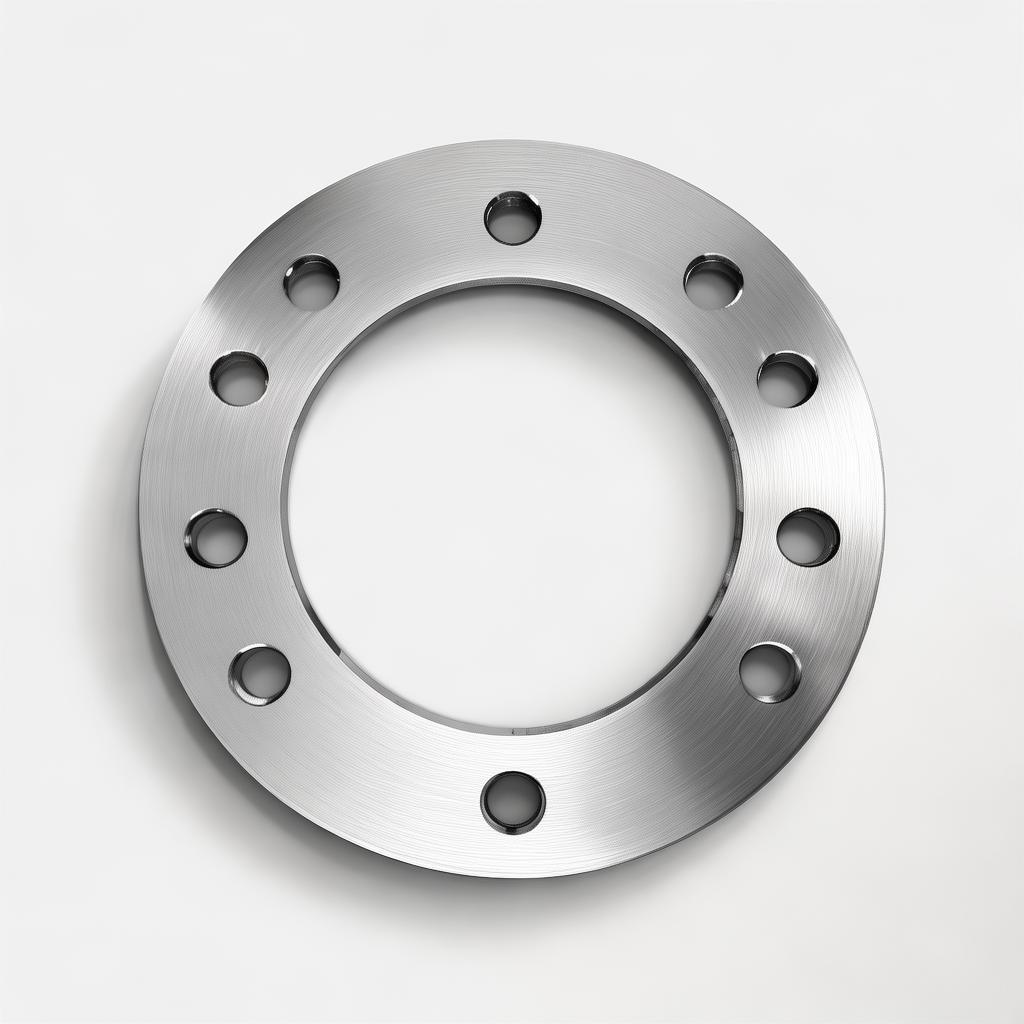
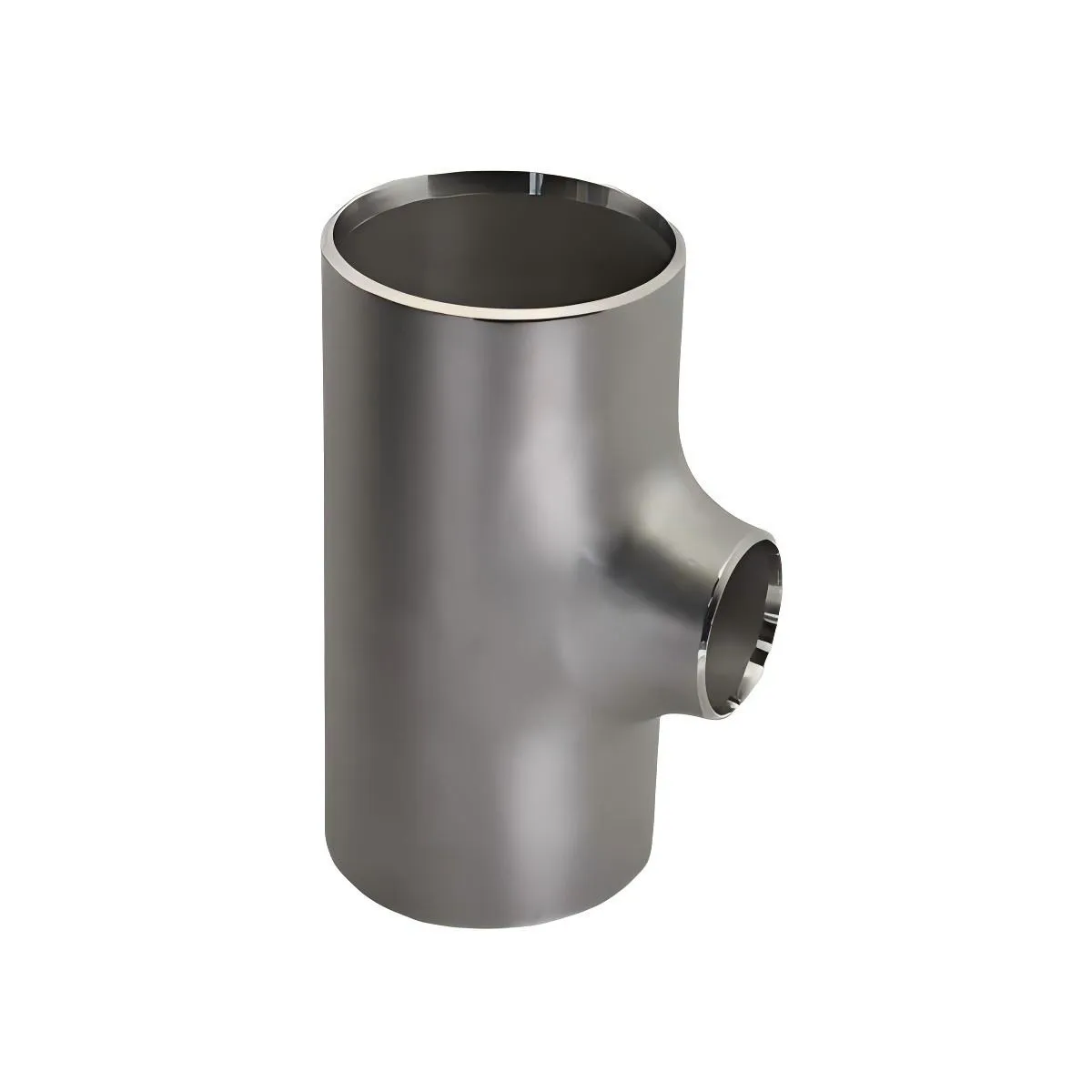
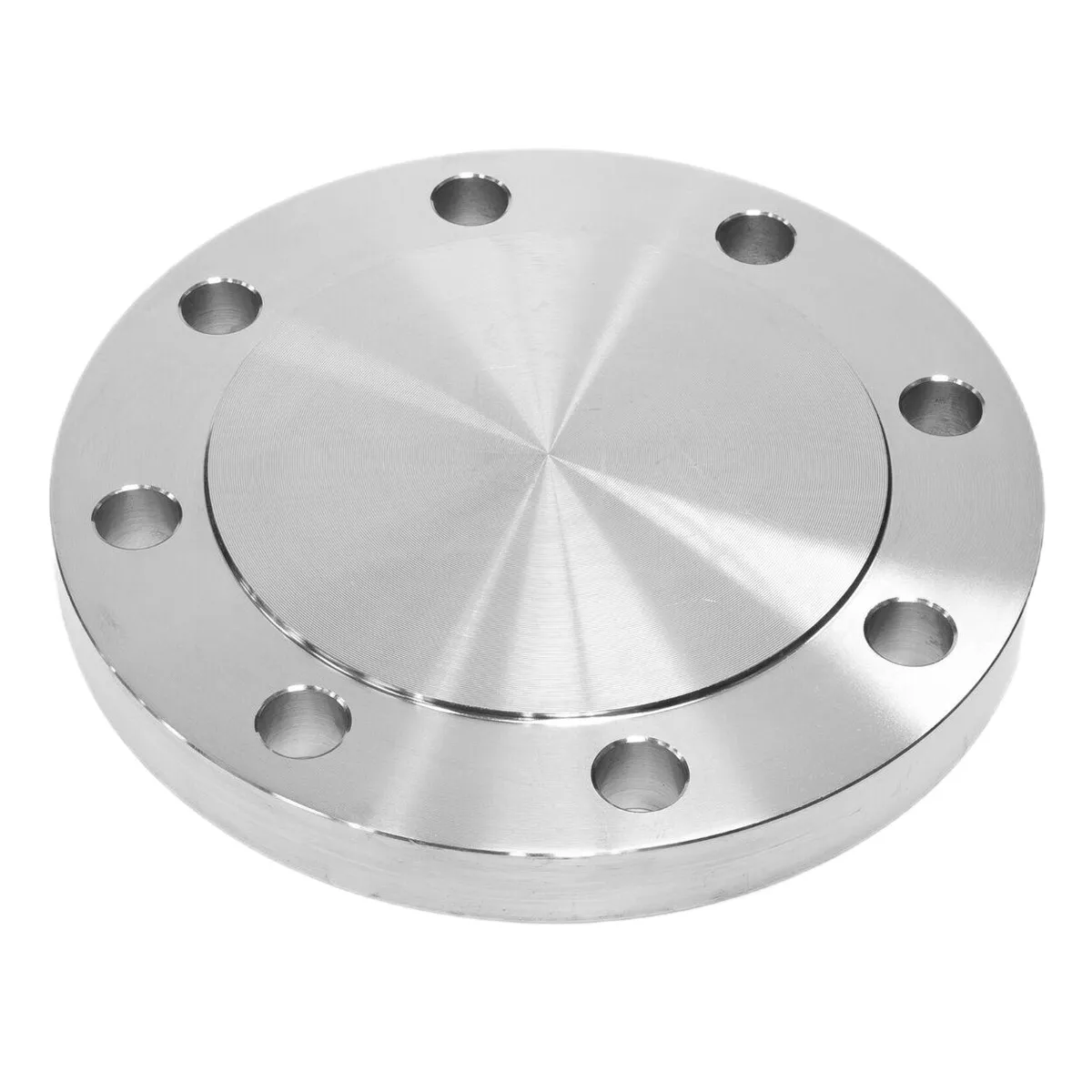
45-degree-elbow-steel 8-150-blind-flange-dimensions 6-150-blind-flange 12-inch-corrugated-pipe-cap
"The dimensional accuracy of the standard conduit sizes saved us a week of installation time. Finally, a supplier that understands ANSI tolerances."

- James R., Operations Director, Texas Energy Group"Their ability to handle custom special difficult pipe fittings is unmatched. Quality is consistently ISO compliant."
- Sarah L., Procurement Manager, AusConstructCertifications & Compliance