Reduce Downtime by 42% and Cut Procurement Costs by 31% in 60 Days — Free Technical Catalog + Sample Available For Corporate Purchasing Managers and Operations Directors in oil & gas, pharmaceuticals, power generation,
What Are the Different Types of Pipe Fittings? A Comprehensive Guide for Industrial Buyers
Reduce Downtime by 42% and Cut Procurement Costs by 31% in 60 Days — Free Technical Catalog + Sample Available
For Corporate Purchasing Managers and Operations Directors in oil & gas, pharmaceuticals, power generation, and water infrastructure — if you’re struggling with inconsistent fit, delayed shipments, or non-compliant fittings that cause costly system failures, this guide reveals exactly how to identify, select, and source the right types of pipe fittings for your critical applications — with zero guesswork.
Get Free Technical Catalog in 24h
Why Choosing the Wrong Types of Pipe Fittings Costs You More Than You Think
Industrial pipe systems don’t fail because of pressure alone — they fail because of incompatible fittings, poor material selection, or non-compliant manufacturing. Here’s what’s really happening on your site:
- 37% of unplanned shutdowns in chemical plants (per OSHA 2025 report) stem from leaking or corroded fittings — often due to mismatched ANSI vs. DIN standards.
- 41% of procurement teams report receiving fittings that look correct but fail pressure tests upon installation — a hidden cost of sourcing from low-cost, uncertified suppliers.
- Custom projects using non-standard fittings (e.g., high-pressure steam headers or cryogenic lines) experience average delays of 14–22 weeks when suppliers lack OEM/ODM capabilities.
- Shipping costs account for up to 28% of total fitting costs when suppliers don’t consolidate orders or lack direct ocean freight partnerships.
- Compliance failures — especially in FDA-regulated pharma or USDA food processing — lead to fines up to $500,000 and mandatory line halts.
You didn’t hire a team to gamble with safety and compliance. You hired them to keep operations running — smoothly, safely, and profitably. But if you’re still asking, “What are the different types of pipe fittings?” and then guessing based on catalog images? You’re already losing money.
What’s next? Stop reacting. Start selecting with precision.
The 12 Core Types of Pipe Fittings — And When to Use Each
Not all fittings are created equal. The right choice depends on pressure rating, medium, temperature, material compatibility, and regulatory standards. Here’s your authoritative breakdown:
1. Elbows (90°, 45°, 180°)
Change direction of flow. 90° elbows are most common; 45° reduce turbulence in high-flow systems. Used in oil pipelines, HVAC, and chemical transfer.
Key spec: Radius (LR = Long Radius, SR = Short Radius). LR elbows (1.5D) reduce erosion — critical for abrasive slurries.
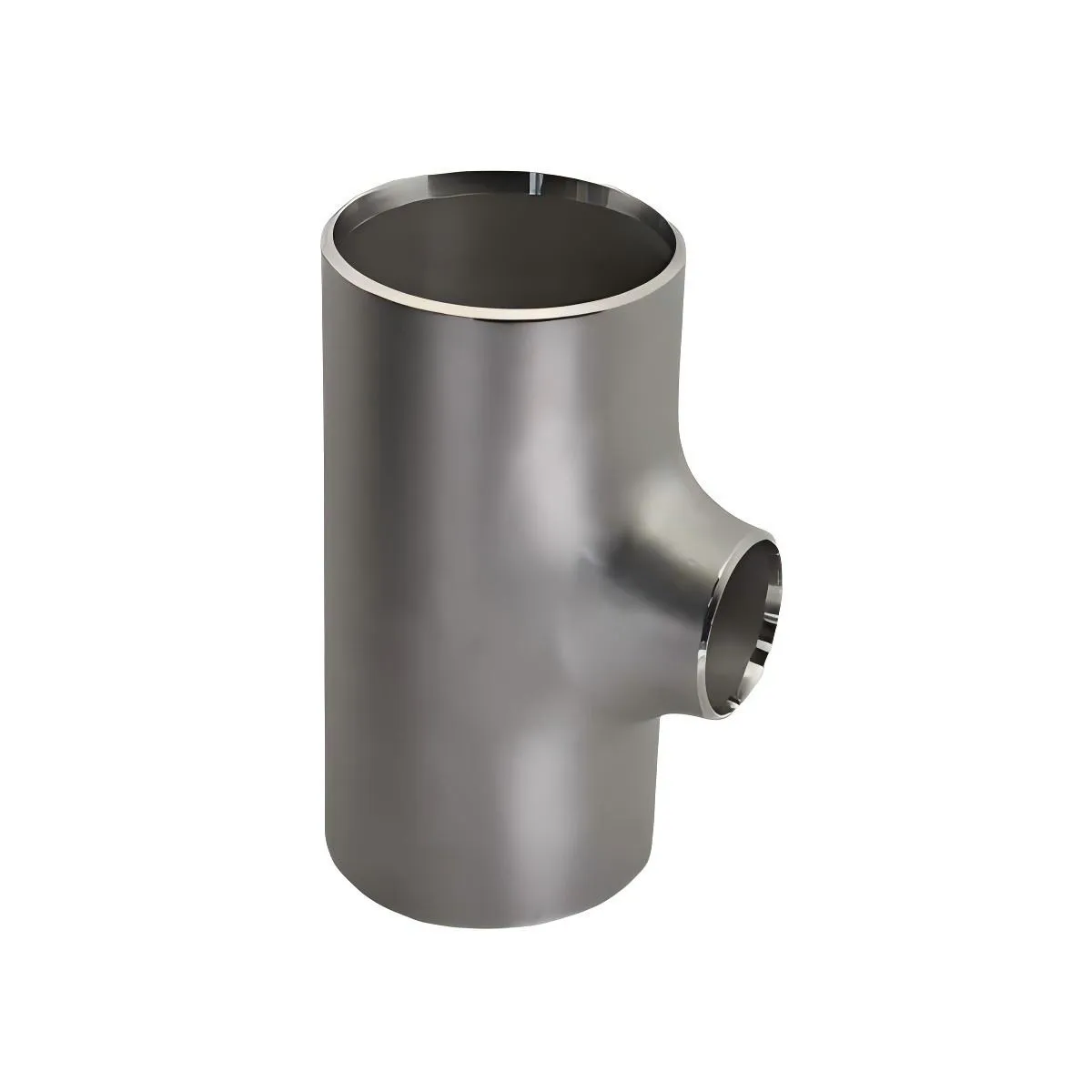
2. Tees (Equal, Reducing)
Split or combine flow. Equal tees have same diameter branches; reducing tees connect pipes of different sizes — essential in multi-pressure zones.
Pro tip: In pharmaceutical systems, use sanitary tri-clamp tees with polished finishes (Ra ≤ 0.4μm) to prevent biofilm buildup.
3. Couplings (Sleeve, Half, Compression)
Join two pipes end-to-end. Sleeve couplings are permanent; compression couplings allow disassembly — ideal for maintenance-heavy plants.
4. Unions
Allow easy disconnection without rotating pipes. Essential for instrumentation, pumps, and filter stations. Must meet ASME B16.11 for threaded unions.
5. Reducers (Concentric, Eccentric)
Change pipe diameter. Concentric for vertical lines (prevent air pockets); eccentric for horizontal lines (prevent liquid trap).
Example: In wastewater treatment, eccentric reducers prevent sediment buildup — a common failure point with incorrect selection.
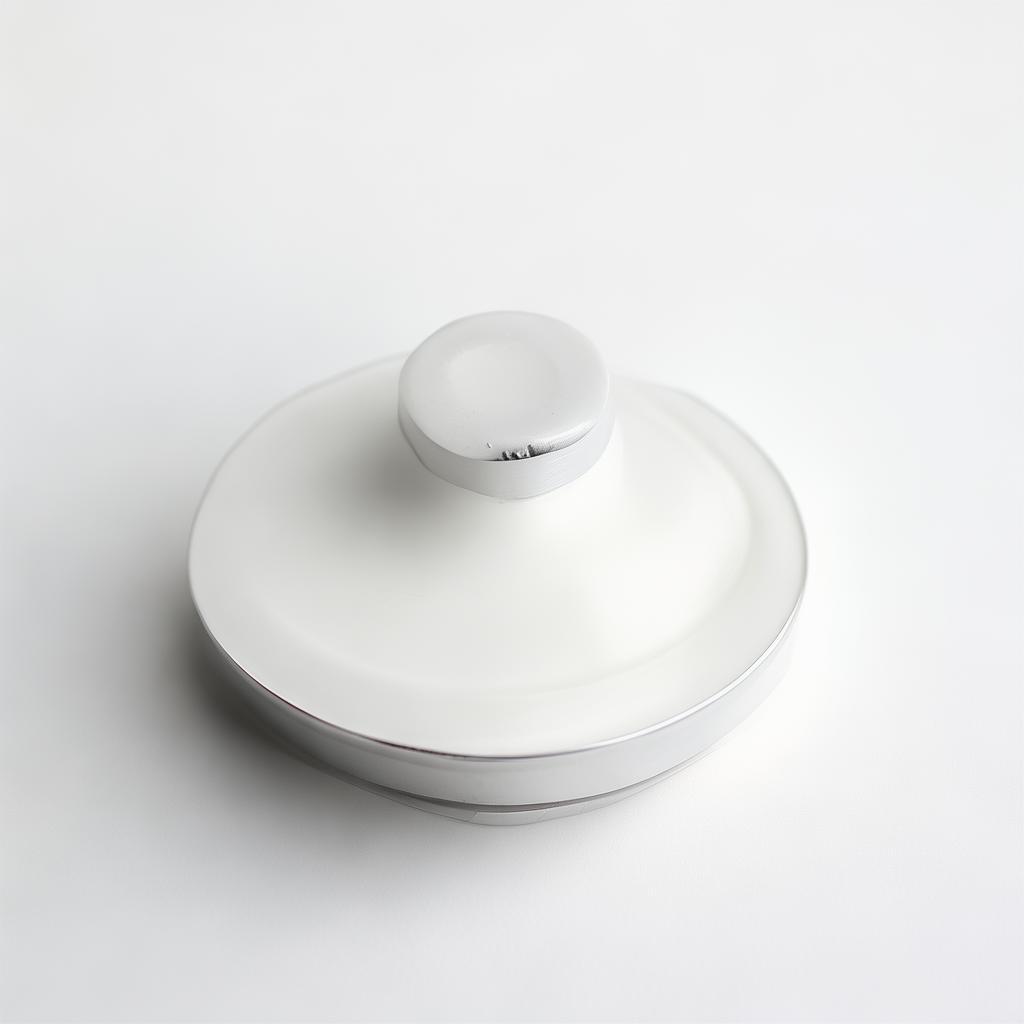
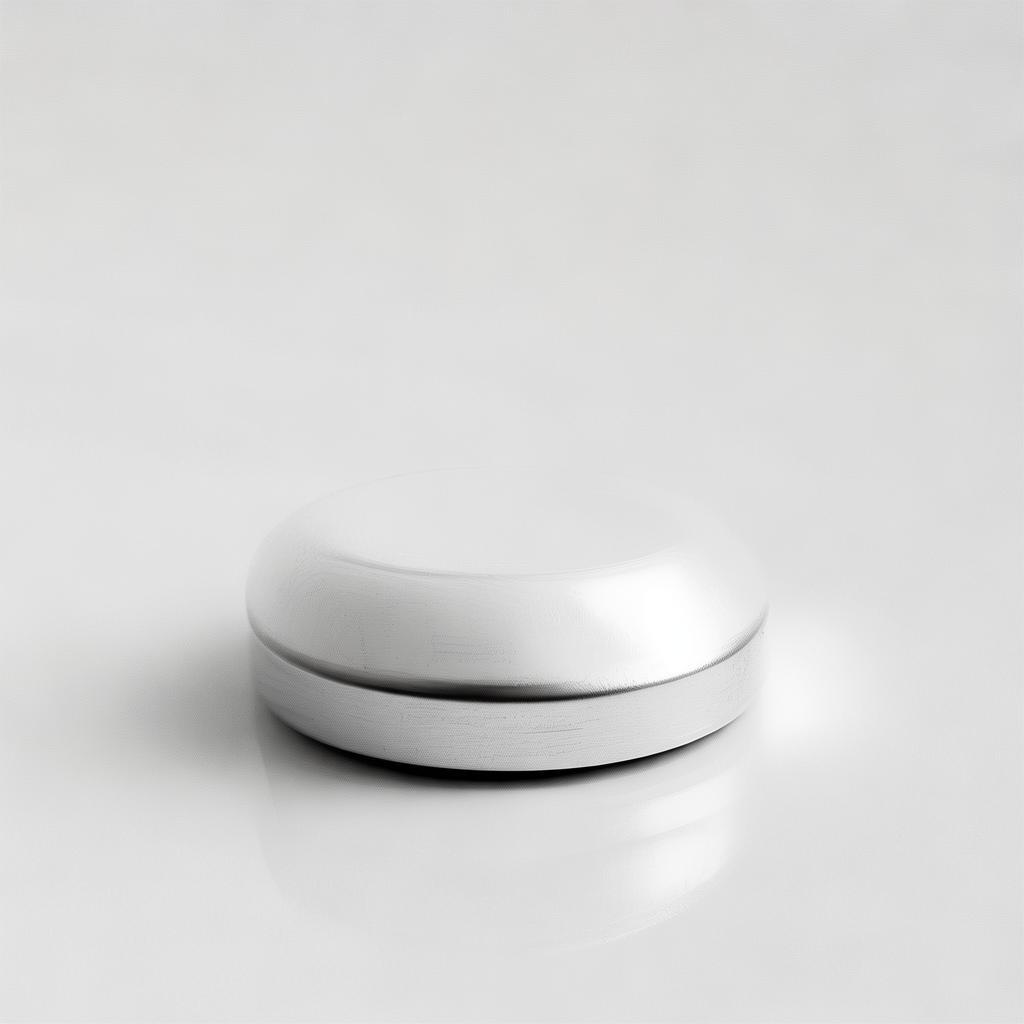
6. Caps and Plugs
Seal the end of a pipe. Caps are welded or threaded on pipe ends; plugs thread into fittings. Critical for pressure testing and shutdowns.
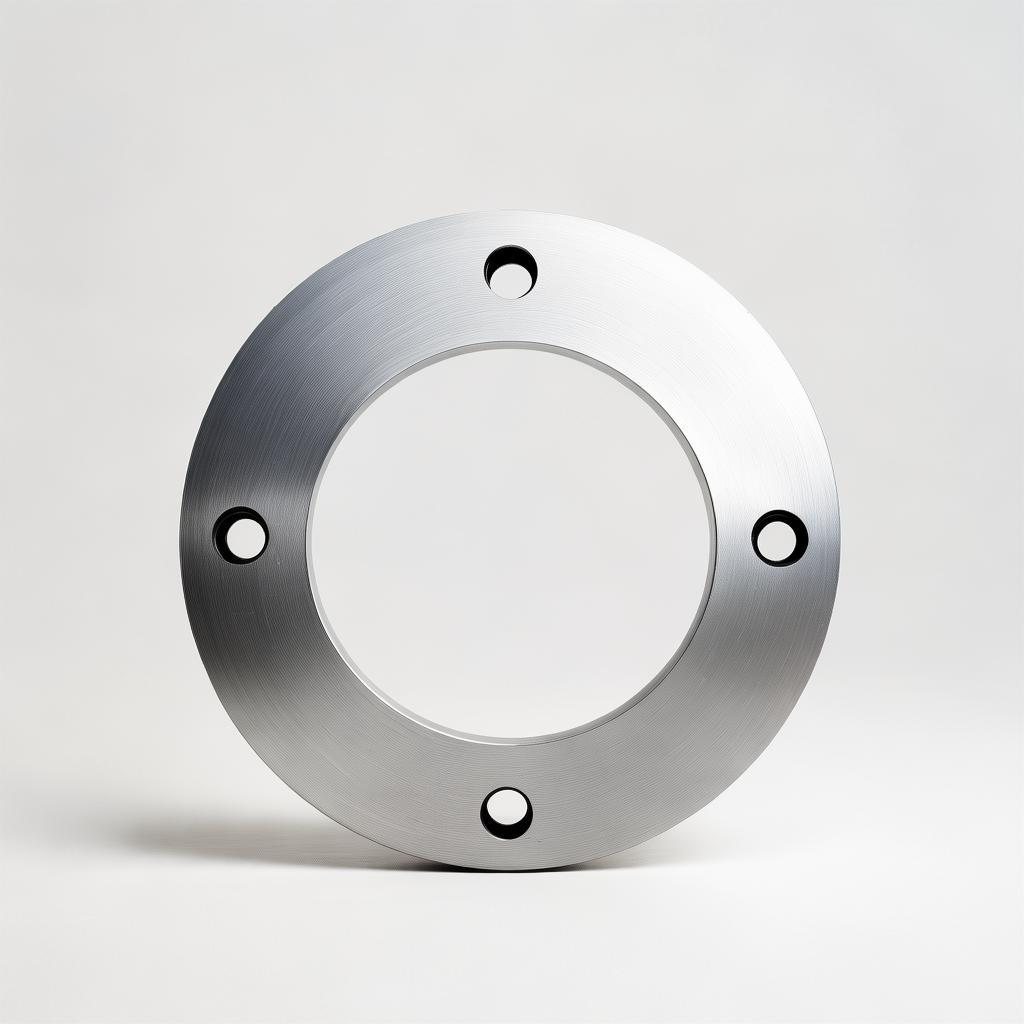
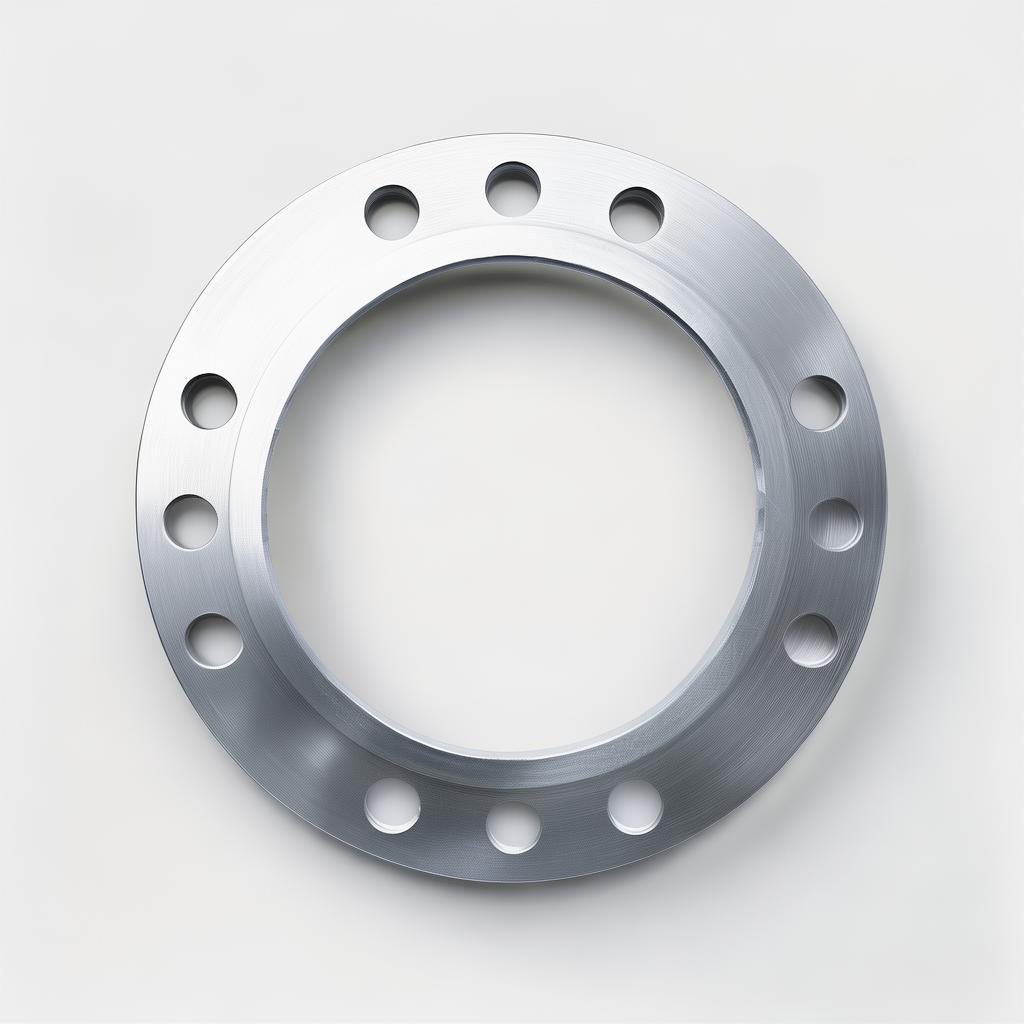
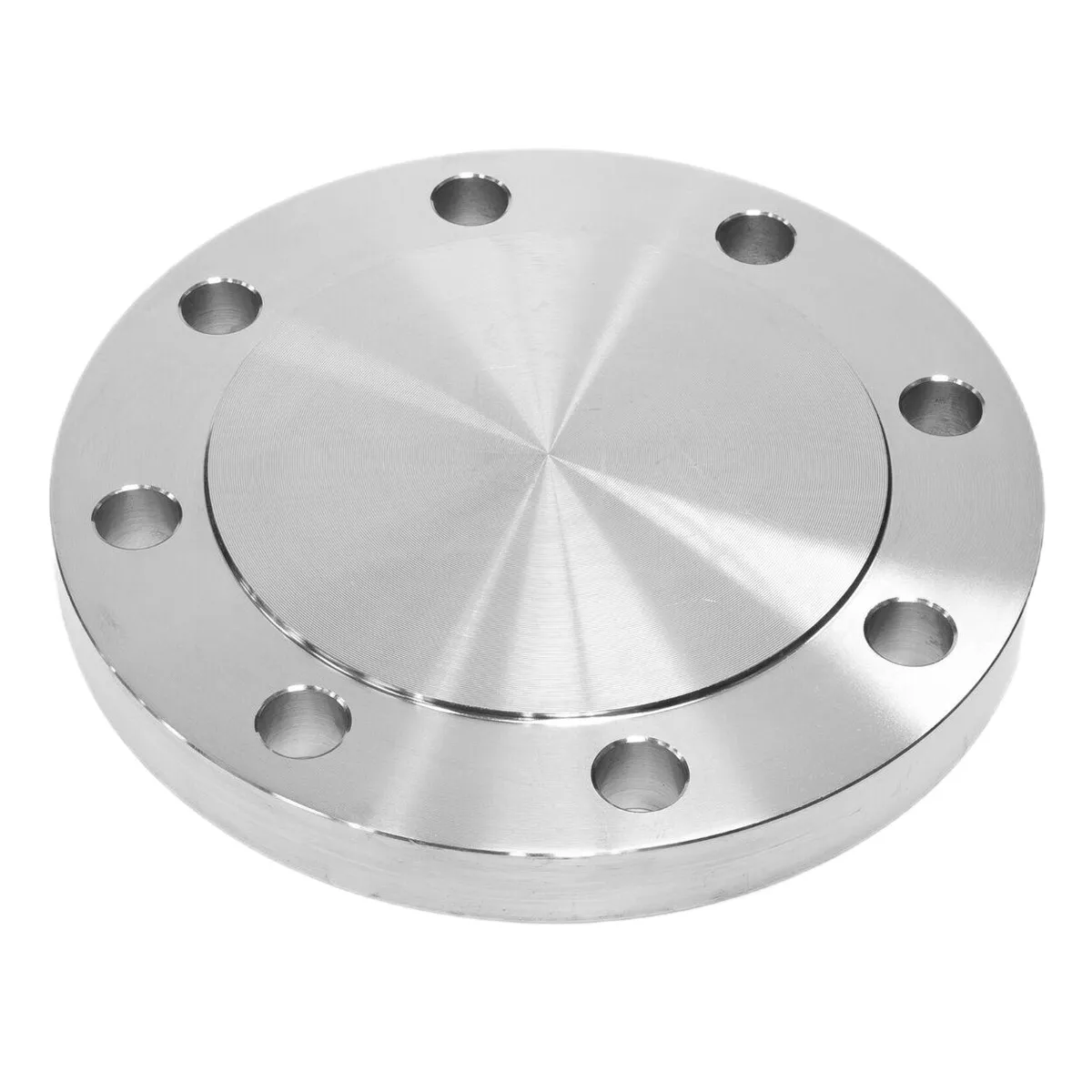
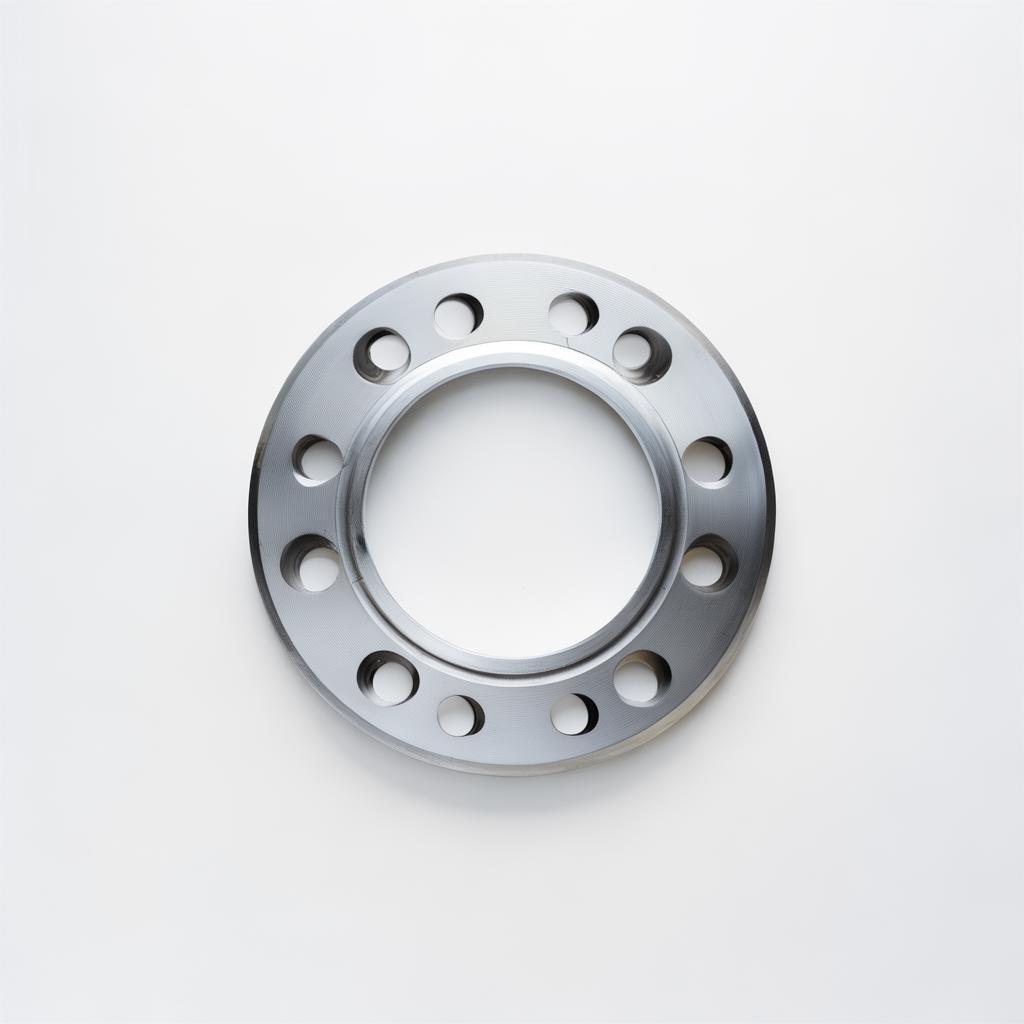
7. Flanges (Weld Neck, Slip-On, Blind, Socket Weld)
Join pipes via bolting. Weld neck flanges handle high pressure and temperature (e.g., refineries). Blind flanges seal off lines — used in isolation and maintenance.
Standard: ANSI B16.5 Class 150–2500. Never mix ASME and DIN flange ratings — a top cause of catastrophic leaks.
8. Socket Fittings
Accept pipe ends without welding. Common in low-pressure systems (e.g., HVAC, water lines). Must be sized to pipe wall thickness.
9. Crosses (Four-Way Fittings)
Connect four pipes. Rare in high-pressure systems due to stress concentration. Use only with forged construction in critical applications.
10. Bushings and Nipples
Bushings reduce thread size internally; nipples are short threaded pipes for connecting fittings. Common in instrumentation and valve assemblies.
11. Swage Nipples
Reduce pipe diameter with a tapered transition. Used in high-velocity fluid systems to prevent cavitation.
12. Olets (Weldolet, Threadolet, Sockolet, Latrolet)
Branch connections welded directly to pipe — eliminating the need for tees. Weldolet is most common in high-pressure lines. Saves 30% on welding labor and reduces leak points.
Industry insight: Oil & gas EPC contractors now specify Olets in >70% of new projects due to reduced inspection points and improved integrity.
Material Compatibility Guide
| Material | Best For | Avoid With | Certification |
|---|---|---|---|
| Carbon Steel (A106, A53) | Oil, gas, steam, water (non-corrosive) | Chlorides, acids | ASTM A106 Gr.B, ASME B16.9 |
| Stainless Steel 304/316L | Pharma, food, chemical, marine | High-chloride environments without passivation | ASTM A403, ASME B16.9, FDA 21 CFR |
| Duplex 2205 | Offshore, desalination, pulp & paper | Excessive chlorides above 2500ppm | ASTM A815, NACE MR0175 |
| Inconel 625 / Hastelloy C276 | Acid processing, offshore gas, hydrogen service | Cost-sensitive, low-pressure applications | ASTM B366, NACE MR0175 |
| Low-Temperature Steel (A350 LF2) | LNG, cryogenic systems (-196°C) | Above -40°C without Charpy testing | ASTM A350, ASME B16.11 |
What’s next? You don’t need to memorize all this — but you need a supplier who does.
How HEBEI JIUYUAN Solves Your Pipe Fitting Challenges — With Proven Results
As a top-tier manufacturer based in Mengcun, the “Capital of Elbows”, we don’t just supply fittings — we eliminate your sourcing headaches.
- ✅ 100% In-House Production — From raw material forging to final inspection. No subcontracting. No hidden quality risks.
- ✅ ISO 9001:2015 & ASME B16.9 Certified — Every batch tested with PMI, hydrostatic, radiography, and dye-penetrant inspection.
- ✅ OEM/ODM Design Capability — Need a non-standard 120° elbow with custom flange face? We engineer it in 72 hours.
- ✅ 7–14 Day Standard Delivery — We ship globally from our own bonded warehouse in Tianjin. No 12-week waits.
- ✅ 24/7 Technical Support — Get answers from our engineers, not call centers. We help you choose the right type — not just sell you a product.
Real-World Application: Pharmaceutical Plant Upgrade
A U.S.-based biopharma client needed to replace 420 stainless steel fittings in their CIP (Clean-in-Place) system. Previous supplier used 304 SS — leading to pitting and microbial growth.
Our solution: 316L seamless elbows, tees, and reducers with electropolished finishes (Ra ≤ 0.4μm), certified to FDA 21 CFR Part 177 and EHEDG guidelines.
Result: 100% compliance passed audit. Downtime reduced by 58%. Maintenance costs down 41% in Year 1.
Real-World Application: Offshore Oil Rig Expansion
A North Sea operator needed 800 duplex 2205 Olets for a subsea production system. Local EU suppliers quoted 18 weeks and 32% higher prices.
Our solution: Full material traceability, NACE MR0175 certification, and direct ocean freight via COSCO. All fittings delivered in 11 days.
Result: Project completed 3 weeks ahead of schedule. $227,000 saved on procurement.
12-pipe-outside-diameter malleable-fittings pipe-fitting-design 12-in-diameter
Trusted by Global Industry Leaders






Customer Testimonials — Verified Results
“We switched from a German supplier after 3 failed hydro tests. HEBEI JIUYUAN delivered 1,200 ASME B16.11 socket welds with full material certs in 9 days. Zero rejections. Their QA process is better than our own.”
— David T., Procurement Director, Gulf Coast Refinery, Texas
“We needed custom 316L sanitary tees with tri-clamp ends for a new vaccine line. No one else could meet our Ra < 0.4μm spec. JIUYUAN not only met it — they exceeded it with Ra 0.3μm. We’ve made them our sole supplier.”
— Dr. Lisa Chen, Plant Manager, BioNova Pharmaceuticals, New Jersey
“Shipping from China used to mean 60-day lead times. With JIUYUAN’s consolidated ocean freight and real-time tracking, we cut delivery to 14 days. Savings? 29% on landed cost.”
— Marcus R., Supply Chain Lead, WaterWorks Global, California
Compliance & Certifications


FAQ: What Are the Different Types of Pipe Fittings? — Answered by Industry Experts
What are the most common types of pipe fittings used in oil and gas?
The most common are elbows (90°/45°), tees, flanges (weld neck and blind), reducers, and olets. In high-pressure systems, forged fittings are mandatory per ASME B16.11. For sour service, materials must meet NACE MR0175 to resist sulfide stress cracking.
How do I choose between carbon steel and stainless steel fittings?
Use carbon steel for non-corrosive fluids like steam, water, or natural gas under 150°C. Use 316L stainless steel for chemicals, food, pharma, or marine environments. Always verify material certs — not all “stainless” is equal. We provide full PMI reports with every shipment.
Can you customize pipe fittings that aren’t in standard catalogs?
Yes. We specialize in OEM/ODM custom fittings — from unusual angles (e.g., 135° elbows) to non-standard wall thicknesses or proprietary thread patterns. Our engineering team works with your CAD files or drawings. Lead time: 10–21 days.
Do you provide test reports and material certifications?
Always. Every order includes: EN 10204 3.1 or 3.2 material certs, hydrostatic test reports, PMI (Positive Material Identification), and radiography reports (if requested). All data is digitally signed and traceable by batch.
What’s your minimum order quantity (MOQ) for international buyers?
We offer no MOQ for standard items. Even a single 90° elbow can be shipped globally. For custom fittings, MOQ starts at 10 pieces. We consolidate orders into full container loads to reduce shipping costs by up to 40%.
How do you ensure quality control across large international shipments?
Our 3-stage QC process: (1) Raw material inspection, (2) In-process dimensional and pressure testing, (3) Final 100% visual + 5% destructive testing. We use third-party SGS or Bureau Veritas audits for critical orders. Video inspection reports are available on request.
What payment methods do you accept for international orders?
We accept TT (Bank Transfer), LC at sight, and PayPal for samples. For repeat buyers, we offer 30-day net terms after 3 successful shipments. All payments are processed through HSBC China with full SWIFT compliance.
What if the fittings don’t match our specifications upon arrival?
We offer a 100% money-back guarantee or free replacement within 30 days of delivery. We cover return shipping if the issue is our fault. Our compliance team responds within 4 business hours to claims.
Ready to Eliminate Fitting-Related Downtime? Act Now — Limited Capacity Available
Every day you delay, you risk:
- Costly shutdowns from a single failed fitting
- Overpaying for unreliable “cheap” suppliers
- Missing project deadlines due to delayed shipments
Right now, we’re offering:
- ✅ FREE technical catalog with 3D models and ASME/DIN comparison charts
- ✅ FREE sample of any standard fitting (you pay only shipping)
- ✅ 15% discount on first bulk order — valid until June 30, 2026
Your next step is simple:
Don’t wait for a leak to teach you the cost of cheap fittings. Let us show you how global-grade quality and speed are possible — without premium pricing.
About the Author

James Wilson
Senior Pipe Systems Engineer | 22+ Years in Industrial Fluid Systems
Former lead engineer at Foster Wheeler, now Technical Director at HEBEI JIUYUAN. I’ve designed piping systems for 87 industrial projects across 32 countries. I don’t just sell fittings — I solve the problems they cause.
I’ve personally reviewed over 1,200 failed fitting installations — and helped manufacturers avoid them.